
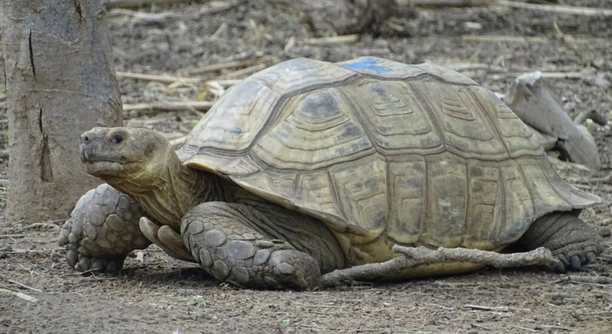
Can sulcata tortoises eat chard, or is it best to avoid? If you want to provide a healthy diet for your tortoise, understanding which leafy greens are safe and nutritious is essential to ensure proper growth and long-term well-being.
Sulcata tortoises can eat chard in small amounts, but it should not be a primary food source. Chard contains oxalates, which can interfere with calcium absorption, leading to potential health issues. It is best to offer a variety of other leafy greens instead.
While chard may seem like a convenient option, other leafy greens provide better nutritional benefits for your tortoise. Learning about the best choices will help you create a well-balanced diet that supports their health.
Why Chard Should Be Limited in a Sulcata Tortoise’s Diet
Chard contains oxalates, which bind to calcium and can prevent proper absorption. Since sulcata tortoises require high calcium levels for strong shells and bone development, too many oxalates can lead to deficiencies. Feeding chard occasionally in small amounts is fine, but making it a staple can cause long-term health issues. High oxalate intake may contribute to metabolic bone disease, a serious condition that weakens a tortoise’s skeletal structure. Instead of relying on chard, it is best to focus on leafy greens that provide essential nutrients without interfering with calcium absorption.
A well-balanced diet helps maintain your tortoise’s health and prevents nutritional imbalances. While chard may seem like a healthy choice, it does not offer the best nutritional value compared to other greens.
Choosing the right leafy greens ensures your tortoise gets the proper nutrients to thrive. Incorporating a mix of low-oxalate greens will support their growth and overall well-being.
Best Leafy Greens for Sulcata Tortoises
Tortoises benefit most from leafy greens that are rich in calcium and fiber while low in oxalates. Providing a variety of these greens ensures a balanced diet that promotes strong shells and a healthy digestive system.
Collard greens, dandelion greens, and mustard greens are some of the best choices. These leafy greens are naturally high in calcium, making them ideal for maintaining bone and shell strength. Turnip greens, endive, and escarole are also excellent additions to a sulcata tortoise’s diet. They provide vitamins and minerals without the high oxalate content found in chard. Adding a mix of these greens gives your tortoise the nutrients they need while reducing the risk of calcium deficiencies.
Feeding a diverse diet helps prevent selective eating habits and ensures your tortoise gets a wide range of nutrients. Rotating different greens keeps their meals interesting while supporting their long-term health.
How to Feed Leafy Greens to Sulcata Tortoises
Leafy greens should be served fresh and chopped into manageable pieces. Avoid cooking them, as heat reduces their nutrient content. Wash all greens thoroughly to remove pesticides or contaminants. Rotate different greens daily to provide a variety of nutrients and prevent dietary imbalances.
Offer leafy greens in a shallow dish to keep them clean and accessible. Mixing multiple types of greens ensures your tortoise gets a balanced intake of vitamins and minerals. Avoid feeding large amounts of a single green, as too much of one type can cause nutritional issues. If using store-bought greens, opt for organic options when possible. Any leftover greens should be removed after a few hours to prevent spoilage.
Hydration is important, so misting greens with water can provide extra moisture. Pairing leafy greens with occasional fibrous foods like hay or grasses helps support digestion and mimics their natural diet.
Foods to Avoid in a Sulcata Tortoise’s Diet
Fruits should be avoided, as they contain too much sugar and can disrupt digestion. Vegetables high in oxalates, such as spinach and beet greens, should also be limited. Iceberg lettuce lacks nutrients and does not provide the fiber sulcata tortoises need for proper digestion.
Processed foods, dairy, and meats should never be offered, as tortoises are strict herbivores. High-protein foods can damage their kidneys over time. Some vegetables, like broccoli and cabbage, contain goitrogens that can interfere with thyroid function. It is best to stick to leafy greens that support overall health. Feeding inappropriate foods can lead to digestive problems and long-term health issues.
Commercial tortoise pellets can be given occasionally but should not replace fresh greens. Checking ingredient labels ensures they do not contain artificial additives or excessive protein. A diet focused on natural, high-fiber foods is the best way to keep your tortoise healthy.
How Often to Feed Leafy Greens
Adult sulcata tortoises should be fed leafy greens daily, making up the majority of their diet. Hatchlings and juveniles require frequent feedings to support growth, so offering fresh greens twice a day ensures they get enough nutrients for healthy development.
Portion sizes should be based on the tortoise’s size and activity level. A good rule is to provide an amount roughly equal to the size of their shell. Overfeeding can lead to excessive growth, which may cause shell deformities or other health issues over time.
The Importance of Fiber in a Tortoise’s Diet
A high-fiber diet is essential for proper digestion and overall health. Leafy greens, combined with grasses and hay, provide the fiber needed to prevent digestive issues like impaction. Fiber also helps regulate gut bacteria, supporting a healthy digestive system and reducing the risk of gastrointestinal problems.
Safe Treats for Sulcata Tortoises
Occasional treats like hibiscus leaves, prickly pear cactus pads, or mulberry leaves add variety to their diet. These should be fed in moderation alongside their daily greens. Avoid sugary or starchy foods, as they can cause digestive imbalances and disrupt the natural diet of a sulcata tortoise.
FAQ
Can sulcata tortoises eat kale?
Kale is safe for sulcata tortoises to eat in moderation. While it provides calcium and fiber, kale also contains goitrogens, which can interfere with thyroid function if fed in large quantities. Offer kale occasionally alongside other leafy greens, but it should not be the main staple.
Can sulcata tortoises eat lettuce?
Avoid feeding your tortoise iceberg lettuce. It is mostly water and lacks essential nutrients. Romaine lettuce, on the other hand, can be offered sparingly. It provides some vitamins and minerals but should never make up the majority of their diet. Always prioritize more nutritious greens like dandelion or collard greens.
What is the best way to hydrate a sulcata tortoise?
While sulcata tortoises primarily get their water from their food, it is important to provide fresh water in a shallow dish. Mist their greens with water to help them stay hydrated, especially in dry climates. Additionally, soak them once a week in warm water for about 20 minutes to encourage hydration.
Can sulcata tortoises eat fruits?
Fruits should be offered very sparingly due to their high sugar content, which can upset the digestive system. Occasional treats like strawberries, apples, or melon can be offered in small amounts, but they should never be a regular part of their diet. Overfeeding fruit can lead to obesity and other health issues.
Can sulcata tortoises eat carrots?
Carrots can be offered in moderation. They contain vitamins like vitamin A, but they are high in sugar. Too many carrots can lead to an imbalance in your tortoise’s diet, so it’s best to serve them as an occasional treat rather than a regular vegetable.
Can sulcata tortoises eat spinach?
Spinach is high in oxalates, which can prevent calcium absorption and lead to kidney problems over time. While it’s fine to offer spinach occasionally, it should not be a regular part of your tortoise’s diet. Rotate spinach with other leafy greens like collards, mustard greens, or dandelion leaves.
Is it safe to feed sulcata tortoises flowers?
Yes, many flowers are safe for sulcata tortoises to eat, provided they are free from pesticides or chemicals. Safe flowers include hibiscus, dandelions, and pansies. These flowers can add variety to their diet and provide additional nutrients like antioxidants. Avoid flowers from garden centers that may be treated with harmful chemicals.
What vegetables are best for sulcata tortoises?
Leafy greens like dandelion greens, collard greens, mustard greens, and turnip greens are some of the best vegetables for sulcata tortoises. These greens provide calcium, fiber, and vitamins. Additionally, vegetables like bell peppers, squash, and sweet potatoes can be offered in moderation. Be cautious with starchy vegetables like potatoes, as they can cause digestive upset.
Can sulcata tortoises eat grass?
Yes, grass is an important part of a sulcata tortoise’s natural diet. Offering grass daily helps provide the necessary fiber for their digestive system. They should be allowed to graze on pesticide-free grass in a secure outdoor enclosure or fed dried grass such as timothy hay if kept indoors.
Can sulcata tortoises eat herbs?
Certain herbs can be beneficial to sulcata tortoises. Safe herbs include basil, oregano, thyme, and parsley. These herbs provide additional nutrients and variety in their diet. However, herbs should only be offered occasionally, as they are concentrated in flavor and can be too strong for some tortoises in large amounts.
Can sulcata tortoises eat cucumbers?
Cucumbers are safe to feed in moderation, but they should not be the main part of your tortoise’s diet. They are mostly water and do not provide many essential nutrients. A few slices now and then can be refreshing, but cucumbers should not replace leafy greens or other more nutrient-rich vegetables.
How can I tell if my sulcata tortoise is getting enough calcium?
A healthy sulcata tortoise will have a firm, smooth shell with no soft spots or deformities. If their shell is soft, it may indicate calcium deficiency, and they should be given calcium supplements. Additionally, make sure they are eating a variety of calcium-rich greens. Consult a vet if you are concerned about their calcium intake.
Can I feed my sulcata tortoise commercial tortoise food?
Commercial tortoise food can be used as a supplement to their diet but should not be the primary food source. Look for pellets made from natural ingredients with no artificial additives or preservatives. Be sure to provide fresh greens as the main part of their diet to ensure they get proper nutrition.
Is it safe to feed sulcata tortoises food from the grocery store?
It’s generally safe to feed your tortoise fresh produce from the grocery store, but it’s important to avoid any vegetables that have been treated with pesticides. Choose organic options when possible, and always wash the greens thoroughly before feeding them to your tortoise to remove any harmful chemicals.
Final Thoughts
Feeding your sulcata tortoise the right foods is essential for their health and well-being. While leafy greens should make up most of their diet, it’s important to offer variety and balance to meet all their nutritional needs. Incorporating safe vegetables, grasses, and occasional treats will keep your tortoise happy and healthy. Remember, not all greens are suitable for tortoises, so it’s important to avoid those that can cause digestive issues or interfere with calcium absorption. By paying attention to what you offer and how often, you can help ensure your tortoise thrives.
Maintaining a consistent feeding schedule will also benefit your sulcata tortoise. Juveniles need more frequent feedings to support their growth, while adults require fewer meals. Offering fresh food daily, along with clean water and proper hydration, is crucial. In addition to leafy greens, make sure to provide plenty of fiber-rich foods like grasses and hay to promote good digestion. Regularly monitoring your tortoise’s overall health, including their shell condition and energy levels, will help you determine if they are getting the right nutrients.
Lastly, it’s important to consider their environment and how it impacts their diet. Providing a proper outdoor enclosure with access to grass or safe plants is a great way to mimic their natural habitat. However, if they are kept indoors, offering a variety of fresh foods that include calcium-rich greens is key. While feeding them the right foods is vital, don’t forget that a balanced diet is just one part of ensuring their long-term health. With proper care, your sulcata tortoise can live a long, healthy, and happy life.

Hello,
If you enjoy the content that we create, please consider saying a "Thank You!" by leaving a tip.
Every little bit helps us continue crafting quality advice that supports the health, happiness, and well-being of pets around the world, for pets of all shapes, sizes, and species.
We really appreciate the kindness and support that you show us!