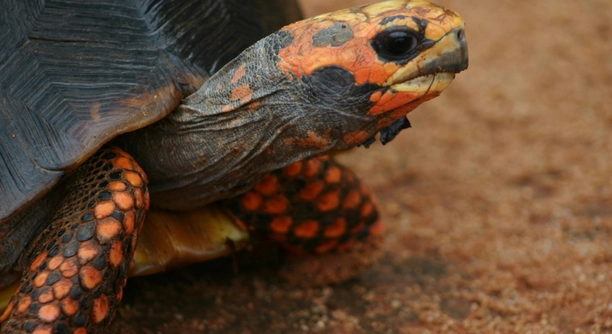
7 Reasons Why Your Red-Footed Tortoise Is Avoiding the Heat Lamp

Is your red-footed tortoise avoiding the heat lamp, leaving you concerned about its well-being? Understanding why this happens is essential for keeping your pet healthy and comfortable in its enclosure. The most common reason your red-footed tortoise is avoiding the heat lamp is improper temperature regulation. If the lamp produces excessive heat or is positioned … Read more

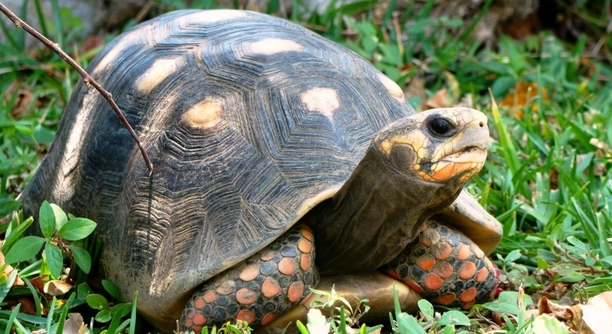
How to Spot the First Signs of Illness in a Red-Footed Tortoise

Do you ever find yourself wondering if your red-footed tortoise is feeling unwell? Recognizing the first signs of illness can help ensure your pet gets the care it needs before the condition worsens. The earliest signs of illness in a red-footed tortoise include loss of appetite, lethargy, swollen eyes, nasal discharge, and irregular stool. Identifying … Read more

7 Best Temperature Ranges for Red-Footed Tortoises

Red-footed tortoises are popular pets, admired for their striking appearance and calm demeanor. To keep them healthy and happy, it’s important to understand their specific temperature needs. Proper temperature management is key to their well-being. The optimal temperature range for red-footed tortoises falls between 75°F to 85°F during the day, with a slight drop at … Read more

Why Is My Red-Footed Tortoise’s Shell Uneven?

A red-footed tortoise’s shell is one of its most important features. However, uneven shells can be a concern for owners. Understanding why your tortoise’s shell may not be smooth can help you ensure its well-being. Uneven shells in red-footed tortoises can result from factors such as improper diet, dehydration, or injuries. The growth of the … Read more

7 Reasons Why Your Red-Footed Tortoise Is Making Hissing Sounds

A red-footed tortoise can make a variety of sounds, including hissing, which may leave owners puzzled. Understanding these noises is essential for ensuring their well-being and comfort in their environment. Hissing in red-footed tortoises can be a response to stress, fear, or discomfort. It can also occur during mating behavior or when they feel threatened. … Read more

7 Signs Your Red-Footed Tortoise Is Stressed from Relocation

Relocating a red-footed tortoise can cause stress, which may show in various ways. It’s important to recognize these signs early to help your pet adjust to its new environment and ensure its well-being. Signs of stress in your red-footed tortoise after relocation include changes in behavior such as reduced appetite, lethargy, hiding, or excessive pacing. … Read more

7 Common Causes of Red-Footed Tortoise Aggression (+How to Fix)

Red-footed tortoises are known for their gentle nature, but they can become aggressive under certain conditions. Understanding the reasons behind their behavior can help you care for them better and maintain a peaceful environment. Common causes of red-footed tortoise aggression include improper habitat conditions, lack of space, poor diet, and hormonal changes. These factors can … Read more

Can Red-Footed Tortoises Eat Eggs? (+Is It Safe?)

Red-footed tortoises are known for their diverse diet, which includes a variety of fruits, vegetables, and animal-based foods. However, their consumption of eggs raises some questions about safety and the potential effects on their health. Red-footed tortoises can eat eggs, but it should be done sparingly. While they are omnivores, excessive egg consumption can lead … Read more