
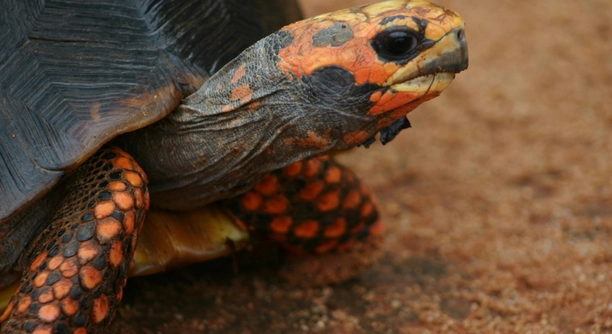
A red-footed tortoise can make a variety of sounds, including hissing, which may leave owners puzzled. Understanding these noises is essential for ensuring their well-being and comfort in their environment.
Hissing in red-footed tortoises can be a response to stress, fear, or discomfort. It can also occur during mating behavior or when they feel threatened. Identifying the specific cause helps in providing proper care and addressing potential issues.
By observing their behavior, you can better understand your tortoise’s needs. Knowing the reasons behind their sounds ensures a healthy and peaceful environment for your pet.
Stress or Fear Response
Tortoises, like many animals, may hiss when they feel stressed or afraid. This could happen when they are handled too roughly or placed in an unfamiliar environment. Changes in their surroundings, such as moving to a new enclosure, might trigger such reactions. It’s important to consider their comfort and avoid sudden changes.
Stress-induced hissing is a common way for your red-footed tortoise to express its discomfort. The best way to address this is by providing a consistent environment. A familiar and secure habitat can help minimize these stress responses.
A well-maintained enclosure with the right temperature, humidity, and hiding spots will keep your tortoise at ease. If handling is necessary, ensure it’s gentle and calm. Over time, your tortoise will adapt to its environment, and hissing from fear should decrease. Understanding their body language and giving them time to adjust is key to reducing stress-related sounds.
Mating Behavior
Hissing sounds can also be linked to mating behavior in red-footed tortoises. During the breeding season, males may hiss as part of their courtship or territorial displays. The sound may be a way of asserting dominance or impressing a potential mate. This is common behavior during the mating period and should not cause concern.
Males will often make more noise during this time, and the hissing may be accompanied by other physical signs such as head bobbing or chasing. These actions are completely natural, and while it may sound alarming, it’s typically harmless. Allowing your tortoises space and avoiding interference during this time can help them go through the mating process smoothly.
Respiratory Issues
Hissing can also be a sign of respiratory issues in red-footed tortoises. This often occurs when a tortoise is suffering from a respiratory infection or cold. If your tortoise seems lethargic or has discharge from its eyes or nose, it’s time to seek veterinary care.
Respiratory infections are common in tortoises kept in environments with incorrect temperature or humidity levels. Poor ventilation or exposure to drafts can also contribute to these problems. It’s essential to keep their habitat at the proper temperature range and avoid sudden fluctuations that could weaken their immune system.
If a tortoise has trouble breathing or appears to be wheezing, it’s crucial to consult a vet promptly. Left untreated, respiratory issues can worsen and potentially become life-threatening. Immediate action can prevent long-term damage and help your tortoise recover more quickly. Be sure to monitor their health closely, especially if other symptoms, like loss of appetite or swelling, appear.
Defensive Behavior
Red-footed tortoises may hiss when feeling threatened or cornered. This is a defensive reaction to warn predators or other animals to stay away. While your tortoise may not face many predators in captivity, this response is still deeply ingrained.
If your tortoise hisses when it’s being handled or approached too quickly, it could be feeling threatened. Giving your tortoise more time to adjust to your presence can help reduce this defensive behavior. Respecting its space and letting it explore at its own pace will help build trust over time.
Avoid aggressive handling or moving too fast around your tortoise. Take slow, deliberate steps to make it feel secure. Also, providing hiding spots in the enclosure allows your tortoise to retreat and feel protected.
Overheating
Overheating is another potential cause of hissing in red-footed tortoises. When the temperature in their habitat gets too high, they may try to regulate their body temperature by making hissing sounds. Ensure your tortoise’s environment stays within the recommended temperature range.
If you notice your tortoise becoming sluggish or spending too much time in cooler areas of its enclosure, it could be a sign of overheating. Adjusting the heating elements or providing more shaded spots can help prevent this issue.
Check the temperature regularly to ensure it stays within the ideal range of 75-85°F. Overheating can cause stress and dehydration, which may lead to more serious health problems. If you’re unsure about the ideal setup for your tortoise, consult a veterinarian for guidance.
Digestive Discomfort
Hissing may also indicate digestive discomfort, particularly if your tortoise has eaten something that doesn’t sit well with it. A tortoise that hisses while resting or after eating may be experiencing mild stomach issues or gas.
If this is the case, it’s important to observe whether your tortoise displays other signs of digestive distress. These might include a lack of appetite, lethargy, or abnormal stool. Adjusting their diet can often help reduce these symptoms, but severe cases may require professional attention.
Provide a balanced diet with fresh vegetables, fruits, and appropriate protein. Avoid overfeeding or offering foods that could upset its stomach. Make sure your tortoise has access to clean, fresh water at all times to help with digestion.
Illness
Hissing can be a sign of illness, especially when combined with other symptoms such as lethargy or loss of appetite. Illnesses like fungal infections, parasites, or even more serious conditions can affect a tortoise’s overall health.
If your tortoise is making unusual sounds or showing changes in behavior, it’s best to monitor its condition closely. If the symptoms persist, a visit to the veterinarian is necessary to rule out any serious health issues. A professional can help diagnose the problem and recommend a treatment plan. Regular health check-ups are also a good preventive measure to keep your tortoise in good health.
FAQ
Why is my red-footed tortoise hissing when I handle it?
Hissing when being handled is a common response when a tortoise feels threatened or stressed. It’s a defense mechanism that helps them express discomfort. If your tortoise hisses during handling, it may be reacting to feeling confined or unsure about being touched. Make sure you handle your tortoise gently and avoid sudden movements. Giving your pet time to adjust to your presence can also reduce the likelihood of this reaction.
Is hissing a sign of aggression?
Not necessarily. While hissing can seem aggressive, it’s often a sign of fear, stress, or discomfort. Red-footed tortoises are generally not aggressive animals, and hissing is more about communication than aggression. It’s their way of telling you they’re not comfortable or feel threatened. Understanding their body language and respecting their space can help prevent this behavior.
Can hissing be a sign of illness?
Yes, hissing can sometimes indicate illness, particularly if it’s accompanied by other symptoms like lethargy, loss of appetite, or changes in behavior. Respiratory infections, for example, can cause wheezing or hissing sounds. If you notice persistent hissing alongside other health concerns, it’s important to take your tortoise to a vet for an evaluation. Early detection can prevent more serious complications.
How can I tell if my tortoise is stressed?
Stress in a tortoise can manifest in several ways. Besides hissing, a stressed tortoise may display signs like lethargy, loss of appetite, or excessive hiding. If your tortoise seems to be avoiding its food or staying in one spot for long periods, it could be a sign of stress. Environmental factors like temperature fluctuations, noise, or changes in their enclosure can contribute to stress. Providing a stable, quiet environment with proper heating and humidity can help ease stress.
Is it normal for a tortoise to hiss during mating?
Yes, hissing during mating is normal for red-footed tortoises. Males often hiss as part of their courtship behavior. It can also occur if there is any competition or territorial behavior between males. This is a natural part of their mating process and is not usually a cause for concern unless accompanied by signs of injury or distress.
What should I do if my tortoise is hissing constantly?
If your tortoise is hissing constantly, it’s essential to assess the situation. First, check its environment. Ensure the temperature, humidity, and lighting are all appropriate for its species. If environmental factors are not the issue, consider if your tortoise might be stressed, in pain, or feeling threatened. If the hissing persists without any visible cause, it may be time to consult a vet to rule out respiratory or digestive issues.
Can a hissing tortoise still eat and drink normally?
In many cases, a hissing tortoise can still eat and drink normally, especially if the hissing is caused by stress, fear, or mating behavior. However, if the hissing is due to illness or respiratory problems, you might notice a decrease in appetite or difficulty eating. Pay attention to whether your tortoise is eating and drinking as usual. If it’s not, a vet visit may be necessary to address any potential health concerns.
What are the signs of a respiratory infection in tortoises?
Signs of a respiratory infection in red-footed tortoises include wheezing, hissing, nasal discharge, lethargy, and loss of appetite. If you notice any of these symptoms, it’s important to act quickly. Respiratory infections can worsen if left untreated. A veterinarian can provide the right treatment to help your tortoise recover and return to normal health.
Can hissing be caused by temperature issues?
Yes, temperature issues can lead to hissing. If the temperature in the tortoise’s enclosure is too high or too low, it can cause stress, leading to hissing. A consistent temperature range is important for a tortoise’s health. Red-footed tortoises thrive in temperatures of 75-85°F, with a basking area that can reach 90°F. Be sure to regularly monitor the temperature and adjust the heating as needed to prevent stress and discomfort.
How can I reduce the chances of my tortoise hissing?
To reduce hissing, provide a stable and comfortable environment for your tortoise. Ensure the temperature, humidity, and lighting are appropriate for its species. Avoid sudden changes in its habitat and handle your tortoise gently. Allow it plenty of time to adjust to new situations. Offering hiding spots and spaces to roam freely can help it feel secure and less stressed.
How can I tell if my tortoise is in pain?
Signs of pain in tortoises can include lethargy, a lack of appetite, changes in behavior, or abnormal movements. If your tortoise is favoring one side or has trouble moving, it may be experiencing discomfort. Inspect the shell for any cracks or injuries, as this could also indicate pain. If you notice any unusual behaviors, it’s important to have your tortoise checked by a vet.
Final Thoughts
Understanding why your red-footed tortoise makes hissing sounds is important for both your pet’s well-being and your relationship with it. While hissing is often a natural form of communication for these animals, it’s essential to pay attention to the context in which it occurs. Whether it’s due to stress, discomfort, illness, or other reasons, knowing the cause can help you address any potential issues. Your tortoise’s hissing behavior might be temporary or it could signal the need for adjustments in its environment or care routine.
By closely observing your tortoise and maintaining proper habitat conditions, you can reduce unnecessary stress and ensure a happier, healthier life for your pet. It’s crucial to provide an environment that supports your tortoise’s needs, including the correct temperature, humidity, and diet. Additionally, recognizing signs of illness early on can make a significant difference in your tortoise’s recovery. If you’re ever in doubt about the cause of the hissing or notice other concerning symptoms, seeking veterinary advice is a proactive step in addressing any underlying health issues.
In summary, hissing is a common behavior among red-footed tortoises, but it can sometimes point to larger issues. Your role as a pet owner involves understanding the signals your tortoise gives, whether they are to communicate discomfort or simply part of its natural behavior. With proper care, attention to detail, and timely intervention when needed, your tortoise can live a long, healthy life. Always ensure you’re giving your tortoise the right environment and routine to thrive.

Hello,
If you enjoy the content that we create, please consider saying a "Thank You!" by leaving a tip.
Every little bit helps us continue crafting quality advice that supports the health, happiness, and well-being of pets around the world, for pets of all shapes, sizes, and species.
We really appreciate the kindness and support that you show us!