
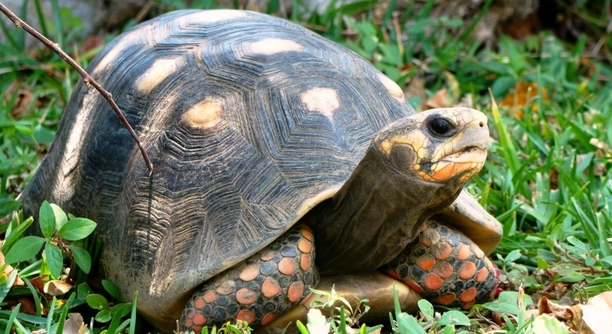
Red-footed tortoises are popular pets, admired for their striking appearance and calm demeanor. To keep them healthy and happy, it’s important to understand their specific temperature needs. Proper temperature management is key to their well-being.
The optimal temperature range for red-footed tortoises falls between 75°F to 85°F during the day, with a slight drop at night to around 70°F. Maintaining these temperatures ensures their digestive system functions properly and supports overall health.
By maintaining the right environment, your red-footed tortoise can thrive in your care. Understanding their temperature needs is essential to providing a comfortable, healthy home.
Understanding the Ideal Temperature for Red-Footed Tortoises
Red-footed tortoises are native to tropical and subtropical regions of South America, meaning they thrive in warm, humid conditions. They need a warm environment to support their metabolism and digestive processes. During the day, the temperature should be maintained between 75°F and 85°F. A basking spot should be set up with higher temperatures, around 90°F, to allow your tortoise to regulate its body heat. At night, it’s best to allow the temperature to drop to around 70°F, mimicking natural conditions. This range helps promote a healthy balance, preventing stress and illness.
Keeping the right temperature in your tortoise’s enclosure will help keep them active and healthy. Without this stable temperature, they may become lethargic and have difficulty eating or moving.
To create the right environment for your red-footed tortoise, using a heat lamp and ceramic heat emitters are common methods to maintain the correct daytime temperature. Thermometers should be placed in multiple areas to ensure even heat distribution. The basking spot should be easily accessible to the tortoise, so they can regulate their body heat naturally.
The Impact of Low Temperatures
If temperatures drop too low, your tortoise may show signs of stress. Low temperatures can slow down their digestion and affect their immune system. This can lead to health problems such as respiratory infections.
It’s essential to monitor the temperature closely. If the temperature dips below 70°F for extended periods, your tortoise’s health could be at risk. Ensure that the heat source is consistent and reliable to avoid such issues.
Importance of Consistency in Temperature
Maintaining a consistent temperature is key for red-footed tortoises. Fluctuations can stress them out, causing health issues. Keeping the temperature steady within the right range will help them stay active and regulate their metabolism.
If the temperature swings drastically, your tortoise might experience difficulty adjusting. This stress can lead to reduced appetite and slower movement. Long-term exposure to temperature shifts can weaken their immune system, leaving them more vulnerable to diseases. Stability is essential for their overall well-being, especially since they rely on steady conditions for their daily functions.
To avoid fluctuations, invest in reliable equipment like thermostats, which can automatically adjust the heat in the enclosure. Always check that the heating devices are working properly before leaving your tortoise for extended periods. The right temperature ensures your red-footed tortoise remains healthy and happy in their environment.
Nighttime Cooling
At night, the temperature should be allowed to cool down to about 70°F. This mimics the natural temperature shifts tortoises would experience in the wild. A slight drop helps them rest and digest more effectively.
It’s important not to let the temperature fall too quickly or too low at night. A cooling period is beneficial, but if the temperature drops below 65°F, your tortoise may struggle to maintain proper body function. Set up your enclosure with a heat source that can maintain a gentle warmth overnight. It will help avoid temperature shock while providing a suitable resting environment.
Heating Methods for Red-Footed Tortoises
Heat lamps are a reliable option for providing warmth to red-footed tortoises. They offer consistent heat and simulate the sun’s rays, which is essential for their well-being. Ceramic heat emitters can also be used to provide warmth without light, perfect for nighttime.
When setting up a heating system, make sure the lamp or emitter is placed at an appropriate distance to avoid overheating. Too much heat can stress your tortoise, while too little may not be effective. Always check the temperature regularly to ensure it stays within the recommended range of 75°F to 85°F during the day.
Humidity Considerations
Humidity plays a role in creating a healthy environment for red-footed tortoises. They need moderate humidity levels, around 70-80%. Too little humidity can lead to dehydration and respiratory issues, while too much can cause mold growth or skin shedding problems.
Maintaining proper humidity can be achieved by misting the enclosure with water or using a humidity regulator. Check the humidity levels regularly with a hygrometer. By managing both temperature and humidity, your tortoise will enjoy a comfortable, stress-free environment that supports its health and natural behaviors.
FAQ
What happens if my red-footed tortoise is kept in temperatures outside the ideal range?
If your tortoise is kept in temperatures outside the optimal range, it can cause various health issues. Lower temperatures slow down their metabolism and digestive process, leading to lethargy and loss of appetite. Prolonged exposure to cold can result in respiratory infections or even hibernation-like states, which can be harmful to your tortoise. On the other hand, temperatures that are too high can cause heat stress, dehydration, and even burns if the basking spot is too hot. It’s essential to maintain a steady environment to keep your tortoise active and healthy.
Can I use a regular light bulb to heat my tortoise’s enclosure?
Regular light bulbs are not ideal for heating a tortoise’s enclosure. They don’t provide the necessary heat or UVB rays that tortoises need. Specialized heat lamps and UVB bulbs are designed to give both warmth and light. UVB light is crucial for tortoises as it helps them metabolize calcium and maintain healthy bones. Using a regular light bulb will not provide these benefits and can result in health issues such as metabolic bone disease.
How can I tell if my red-footed tortoise is too hot or too cold?
A red-footed tortoise that is too hot may become lethargic, hide more often, or exhibit signs of stress such as open-mouth breathing. If it’s too cold, your tortoise may become sluggish, stop eating, and spend more time in its hiding spot. Checking its activity level is a good indicator of whether the temperature is right. You should also keep an eye on its breathing. Heavy or open-mouth breathing often indicates that the temperature is too high. It’s important to adjust the heat and monitor them to ensure their comfort.
Can I use a thermostat to regulate the temperature in the tortoise’s enclosure?
Yes, using a thermostat is a great way to regulate the temperature in your tortoise’s enclosure. A thermostat will ensure the heating devices are not overheating or underheating the enclosure. It helps maintain a steady temperature within the desired range and avoids fluctuations that could stress your tortoise. Some thermostats even come with sensors that can control both daytime and nighttime temperatures. Using a thermostat will give you peace of mind and make it easier to maintain a healthy environment for your tortoise.
What’s the best way to measure the temperature in the enclosure?
To measure the temperature in your red-footed tortoise’s enclosure, use reliable thermometers placed in multiple spots. You should have one thermometer near the basking area where temperatures can get warmer, and one at the cooler end of the enclosure. This will allow you to see the temperature gradient, ensuring the tortoise can move between areas with different temperatures. It’s important to use digital or probe thermometers, as they provide a more accurate reading than traditional glass thermometers. Regularly check the temperature to ensure it stays within the proper range.
Should I provide a temperature drop at night for my red-footed tortoise?
Yes, it’s essential to allow a slight drop in temperature at night. In the wild, red-footed tortoises experience cooler nighttime temperatures. This drop helps regulate their metabolism and allows them to rest properly. The temperature should fall to around 70°F at night, but it should not drop too low. Anything below 65°F could cause stress or health issues. If necessary, use a night-specific heat source that doesn’t emit light, like a ceramic heat emitter, to maintain a comfortable nighttime temperature.
How do I maintain proper humidity in my tortoise’s enclosure?
Maintaining proper humidity is important for your red-footed tortoise’s health. The ideal humidity level for these tortoises is around 70-80%. To achieve this, mist the enclosure with water regularly, ensuring the substrate stays slightly moist but not soggy. You can also add a humidity regulator or use a shallow water dish to help increase moisture in the air. A hygrometer is helpful to monitor humidity levels. Avoid high humidity levels, as it can lead to mold growth or skin issues for your tortoise. Regularly check the humidity and adjust accordingly.
Is it okay to use a heat mat for my red-footed tortoise?
Heat mats are not recommended for red-footed tortoises. While they provide warmth, they don’t offer the necessary UVB light needed for the tortoise’s health. Heat mats also typically warm only the substrate, which doesn’t help the tortoise regulate its body temperature effectively. Instead, a heat lamp combined with a UVB bulb is a better option, as it provides both heat and light. If you do use a heat mat, make sure it’s in combination with a UVB light and that your tortoise has the ability to move to cooler areas if needed.
Can red-footed tortoises tolerate cold temperatures?
Red-footed tortoises are not well-suited to cold temperatures. They come from warm climates and rely on a consistent, warm environment to thrive. While they can tolerate brief periods of cooler temperatures, anything below 65°F can cause health problems such as slowed metabolism, decreased immune function, and respiratory issues. It’s essential to avoid exposing your tortoise to cold drafts, especially in the colder months. If you live in a region with cooler temperatures, ensure your tortoise’s enclosure is in a warm area or use supplemental heating to maintain the right conditions.
What’s the best way to keep my tortoise warm during the winter?
During the winter months, it’s important to ensure your tortoise’s enclosure stays warm and consistent. Make sure the heat source is reliable, and if necessary, use additional heating elements like heat lamps or ceramic heaters to keep the temperature within the optimal range. A thermostat can help you monitor and maintain the right temperature. Avoid placing the enclosure in drafty areas or near windows where the temperature might fluctuate. You can also increase humidity slightly to help with the cooler air, but always be careful not to create excess moisture that could cause mold or respiratory issues.
Final Thoughts
Maintaining the right temperature for your red-footed tortoise is crucial for its overall health and well-being. These tortoises thrive in a warm environment, so it’s important to ensure that their enclosure stays within the ideal temperature range of 75°F to 85°F during the day. This helps regulate their metabolism and allows their digestive system to function properly. At night, temperatures should drop to around 70°F, mimicking the natural cycle of day and night in their native habitats. By providing the correct temperatures, you can help your tortoise live a long, healthy life.
It’s also essential to monitor the humidity levels in their environment. Red-footed tortoises need a moderate level of humidity to stay hydrated and maintain healthy skin. Aim for a humidity level of around 70% to 80%. Misting the enclosure regularly, adding a shallow water dish, and using a hygrometer to monitor moisture levels can all help maintain the right balance. If the humidity is too high or too low, it could lead to health problems such as dehydration or respiratory issues. Keeping the temperature and humidity stable is key to ensuring your tortoise stays comfortable.
Overall, the key to a happy, healthy red-footed tortoise lies in maintaining a stable environment that reflects their natural habitat. By investing in quality heating and lighting equipment, regularly checking temperature and humidity levels, and avoiding drastic fluctuations, you can create the perfect home for your tortoise. This not only improves its quality of life but also prevents health issues that can arise from an unstable environment. Taking the time to get the conditions right will ensure that your tortoise stays active, healthy, and thriving for years to come.

Hello,
If you enjoy the content that we create, please consider saying a "Thank You!" by leaving a tip.
Every little bit helps us continue crafting quality advice that supports the health, happiness, and well-being of pets around the world, for pets of all shapes, sizes, and species.
We really appreciate the kindness and support that you show us!