
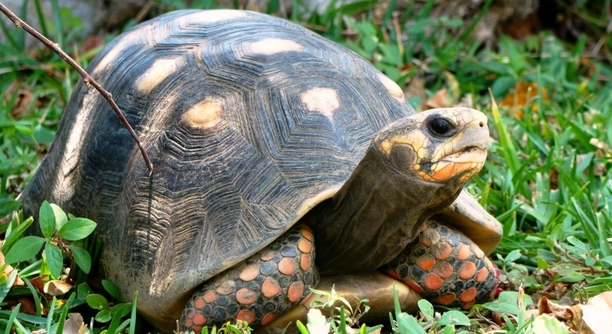
A red-footed tortoise’s shell is one of its most important features. However, uneven shells can be a concern for owners. Understanding why your tortoise’s shell may not be smooth can help you ensure its well-being.
Uneven shells in red-footed tortoises can result from factors such as improper diet, dehydration, or injuries. The growth of the shell is affected by the tortoise’s overall health and environmental conditions, so attention to care is crucial.
Learning how to properly care for your tortoise and identify the causes of an uneven shell will help it live a happier and healthier life.
Why Does an Uneven Shell Happen?
An uneven shell in a red-footed tortoise can result from several factors. When the tortoise isn’t getting proper nutrition, its shell growth can become irregular. Poor diet or malnutrition can cause the keratin layers of the shell to develop abnormally, leading to bumps or dips. Dehydration is another key factor that can impact shell growth. A tortoise’s shell is made up of living tissue, and without enough water, it can cause growth problems. Additionally, injuries from falls or accidents can lead to shell deformities, especially if the injury happens during a critical stage of growth. Environmental factors, such as temperature and humidity levels, also play a role in the shell’s development.
In some cases, an uneven shell can be a sign of a more serious health issue. If left untreated, these irregularities can lead to further complications. Keeping an eye on your tortoise’s overall health and shell condition is essential.
A healthy diet, proper hydration, and a suitable living environment are key to ensuring your red-footed tortoise’s shell stays strong and even. If you notice any changes or irregularities, addressing them early will help prevent long-term problems.
The Role of Diet and Nutrition
A balanced diet plays a critical role in the health of your tortoise’s shell. If your red-footed tortoise isn’t receiving the right mix of nutrients, it can affect its growth. For instance, calcium is essential for proper shell formation, and a lack of it can lead to weak or uneven growth. Offering a variety of leafy greens, fruits, and vegetables can help provide the right balance of vitamins and minerals. Additionally, providing tortoise-specific supplements, like calcium powder, may be necessary if the diet isn’t sufficient. It’s also important to avoid feeding them too many high-oxalate foods, like spinach, which can interfere with calcium absorption. Regularly providing fresh water is also vital for overall health and shell development.
Addressing diet issues early can make a significant difference in the quality of your tortoise’s shell. This proactive approach can help prevent further complications, ensuring the shell develops properly over time.
Proper care starts with feeding your tortoise the right foods. It may seem simple, but giving them the nutrients they need is one of the best ways to support a healthy, even shell.
The Impact of Dehydration
Dehydration is another common reason for an uneven shell. Tortoises rely heavily on water to maintain a healthy shell and overall well-being. If they are not drinking enough, their shell can become brittle or develop growth irregularities. In the wild, tortoises get moisture from the plants they eat and natural water sources. In captivity, however, it’s easy to overlook their hydration needs. Make sure to offer fresh water daily, and occasionally mist your tortoise’s enclosure to help maintain humidity. If you notice your tortoise has a dry, flaky shell or isn’t drinking enough, dehydration may be the issue.
In some cases, dehydration can cause the tortoise to appear lethargic or sluggish, which could be another sign that their shell isn’t growing properly. Even mild dehydration can impact their shell’s development, so be proactive in ensuring they have access to water at all times.
Paying attention to hydration is essential for keeping your red-footed tortoise healthy and its shell smooth. If you’ve ruled out diet-related issues, dehydration could be the reason behind any unevenness.
Shell Injuries and Their Effects
Accidental injuries can lead to permanent shell deformities. If your tortoise has been dropped or collided with something hard, it could result in uneven growth or cracking. The shell is made of layers, and if any of these layers are damaged, they may not grow back evenly. It’s important to provide a safe environment to avoid such accidents. If an injury happens, immediately seek veterinary care to prevent further damage and ensure proper healing.
Even if the injury seems minor, it’s essential to monitor your tortoise’s shell for changes over time. Any scarring or noticeable unevenness should be checked by a professional to determine if the tortoise is healing well. An untreated injury can lead to more severe complications, so don’t delay in seeking treatment.
Providing a safe space for your tortoise is key to preventing these issues. A secure enclosure and careful handling will help ensure your tortoise’s shell remains free from unnecessary harm.
Environmental Factors
The environment in which your red-footed tortoise lives can have a major impact on its shell growth. Temperature and humidity levels need to be kept within a specific range for healthy shell development. If the environment is too cold or too dry, it can stress your tortoise, causing its shell to grow unevenly. Inadequate lighting can also affect its shell, as proper UVB exposure is needed for calcium absorption. Ensure that your tortoise has access to the right environmental conditions, as they are vital to proper shell growth.
Make sure the habitat is equipped with proper lighting, heating, and humidity control. This balance will help the tortoise’s shell grow evenly and remain healthy.
Without the proper environment, even a well-balanced diet won’t be enough to ensure a smooth shell. Check temperature and humidity levels regularly, and adjust as needed to keep your tortoise comfortable.
Infections and Shell Health
Infections can cause noticeable changes to a red-footed tortoise’s shell. Bacterial or fungal infections often lead to softening or deformities in the shell. If your tortoise’s shell appears discolored, has soft spots, or is developing irregular growth patterns, an infection might be the cause. Regular inspection is crucial to catch issues early.
A veterinarian can treat infections with medications, but preventing them through proper hygiene and a clean environment is key. Keeping the tortoise’s enclosure dry and free of waste will minimize the risk of infection. Always monitor for any signs of discomfort or changes in shell condition.
Shell Mites and Their Impact
Shell mites are another issue that can affect your tortoise’s shell. These tiny parasites feed on the shell’s surface and can cause it to become irregular and damaged. Although they are not always easy to spot, constant scratching or irritation might be a sign of infestation. Regularly check for signs of mites.
If you suspect your tortoise has shell mites, it’s important to take action quickly. A vet can recommend treatments like medicated baths or sprays to kill the mites and prevent further damage. Additionally, ensure the enclosure is regularly cleaned to avoid re-infestation.
FAQ
Why is my red-footed tortoise’s shell soft?
A soft shell in a red-footed tortoise can be a sign of calcium deficiency, dehydration, or poor diet. Calcium is vital for the development of a strong, healthy shell. Without it, the shell may become pliable and weak. Ensure your tortoise is getting enough calcium, either through food or supplements. A lack of proper UVB light can also lead to calcium issues. Make sure the tortoise has access to UVB light, as it helps the body absorb calcium effectively. Additionally, dehydration can cause a soft shell, so always provide access to fresh water. If you notice this issue, it’s important to address it immediately, as a soft shell can lead to more serious health problems.
How do I know if my tortoise’s shell is growing unevenly?
Uneven shell growth may show up as noticeable bumps, dips, or irregularities in the shape of the shell. Sometimes, one side of the shell may appear larger or smaller than the other. You might also see lines or ridges that seem out of place. Regularly inspect your tortoise’s shell to ensure it is smooth and symmetrical. If you spot any odd growth patterns, it could be an indication of nutritional deficiencies, dehydration, or even past injuries. If you are concerned, it’s best to consult a veterinarian to determine the cause and appropriate treatment.
Can an injury cause permanent shell damage?
Yes, an injury can cause permanent damage to your tortoise’s shell if not treated properly. When the shell is cracked or severely damaged, it can lead to irregular growth or deformities as the tortoise grows. In some cases, the injury may cause the tortoise’s shell to become malformed or weak in that area. If your tortoise sustains an injury, it is crucial to get it treated by a veterinarian right away. Depending on the severity, the vet may use a shell repair technique or recommend specific care to help the shell heal properly.
Can the environment affect my tortoise’s shell growth?
Yes, the environment plays a significant role in the health of your tortoise’s shell. If the temperature or humidity levels in its habitat are off, it can cause stress, which affects the shell’s development. For example, if the enclosure is too cold, it can slow down the tortoise’s metabolism, leading to slower shell growth and possible deformities. Similarly, low humidity levels can dry out the tortoise’s skin and shell, which may contribute to uneven growth. Proper heating, lighting, and humidity are essential for the healthy development of your red-footed tortoise’s shell. Always monitor the conditions of the habitat to ensure it stays within the ideal range.
How can I treat an infection in my tortoise’s shell?
If you notice signs of infection, such as discolored patches, soft spots, or unusual growth, it’s important to seek veterinary care. The vet will likely prescribe antibiotics or antifungal medication to treat the infection. In some cases, a medicated bath or topical ointment may be recommended to help with the healing process. It’s also important to improve the tortoise’s living conditions by keeping its habitat clean and dry to prevent further infections. Make sure to address any underlying health issues, like poor diet or dehydration, which could have contributed to the infection. Early treatment is essential to prevent long-term damage.
How can I tell if my tortoise is dehydrated?
Dehydration in a red-footed tortoise can cause its shell to become soft and its overall health to decline. Signs of dehydration include lethargy, loss of appetite, and dry, flaky skin or shell. You may also notice that the tortoise isn’t drinking water or has difficulty passing waste. If you suspect dehydration, increase the humidity in its enclosure and provide fresh water daily. Offering food with high water content, like leafy greens and fruits, can also help. In severe cases, submerging the tortoise in warm water for a short period can aid in rehydration. If dehydration persists, it’s important to consult a veterinarian for further treatment.
Can shell mites cause permanent damage?
Shell mites can cause lasting damage if left untreated. These tiny parasites feed on the tortoise’s shell and skin, leading to irritation, discoloration, and irregular growth. If the infestation is severe, the shell can become permanently damaged, with visible holes or weakened areas. It is essential to treat shell mites as soon as they are detected to prevent long-term damage. Treatment options include medicated baths or topical treatments recommended by a veterinarian. Regularly inspect your tortoise for signs of mites and clean the enclosure frequently to reduce the risk of re-infestation.
What can I do if my tortoise’s shell is cracking?
Cracking in a tortoise’s shell is a serious concern that requires immediate attention. Cracks can occur due to injuries, infections, or a lack of proper nutrition. If you notice any cracks, it’s important to get the tortoise examined by a veterinarian as soon as possible. Depending on the severity of the crack, the vet may recommend a shell repair procedure. In some cases, the crack can be sealed with special adhesives to prevent further damage and infection. To prevent cracking in the future, ensure the tortoise is receiving proper nutrition, hydration, and living in an appropriate environment.
Can I fix an uneven shell on my own?
While you can’t physically “fix” an uneven shell yourself, there are steps you can take to improve the condition of your tortoise’s shell. The key is ensuring that the tortoise has a proper diet, stays hydrated, and lives in an optimal environment. Regularly monitoring the tortoise’s health and shell condition is essential. If you notice signs of uneven shell growth or deformities, it’s best to consult a veterinarian. A vet can assess the underlying cause and guide you on how to address it, whether through dietary changes, environmental adjustments, or medical treatment.
Is it normal for my tortoise’s shell to grow in layers?
Yes, it is normal for a tortoise’s shell to grow in layers. The shell is made of keratin, and as the tortoise grows, the outer layers of the shell are gradually shed or worn down. These layers are known as scutes, and they help protect the underlying tissue. However, uneven or irregular scute growth can indicate issues with the tortoise’s health or environment. Proper care and nutrition are necessary to ensure that the shell grows evenly and remains in good condition. If you notice abnormal layering, it’s a good idea to consult a veterinarian for further advice.
Final Thoughts
Taking care of a red-footed tortoise requires attention to detail, especially when it comes to their shell health. An uneven or damaged shell can be a sign of underlying health problems, such as dehydration, poor diet, or environmental issues. It’s important to regularly check your tortoise’s shell for signs of irregularities, soft spots, or other changes. This way, you can address potential issues early and prevent further damage. A little extra care can go a long way in maintaining the health and well-being of your tortoise.
Providing the right environment is key. Ensuring your tortoise’s habitat is the right temperature and humidity, with access to proper UVB lighting, plays a big role in shell development. It’s also essential to offer a balanced diet rich in calcium, vitamins, and water to help maintain a healthy shell. If any signs of infection, mites, or dehydration appear, it’s important to act quickly to avoid complications. Regular vet check-ups can also ensure that any potential issues are detected early and addressed before they become more serious.
Remember that a tortoise’s shell is more than just a protective covering; it’s an essential part of its overall health. Keeping an eye on changes and providing proper care can help your red-footed tortoise live a long, healthy life. If you notice any signs of uneven growth or discomfort, consult a veterinarian to get the best advice for your tortoise’s specific needs. Proper care and attention will help keep your tortoise’s shell in good condition and prevent problems from developing in the future.

Hello,
If you enjoy the content that we create, please consider saying a "Thank You!" by leaving a tip.
Every little bit helps us continue crafting quality advice that supports the health, happiness, and well-being of pets around the world, for pets of all shapes, sizes, and species.
We really appreciate the kindness and support that you show us!