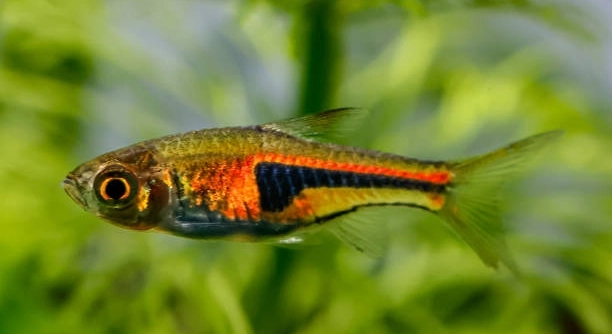
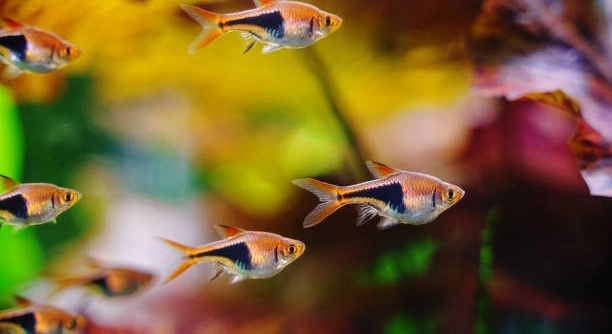
7 Ways Rasboras Act When They’re Excited
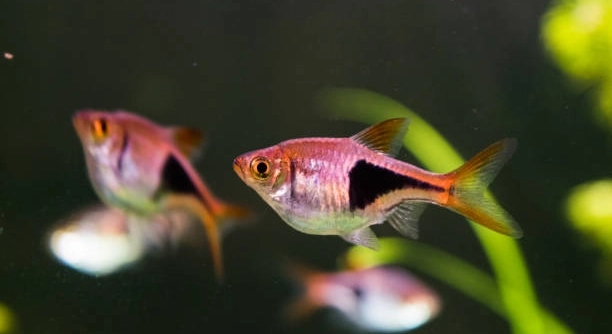
Rasboras are small, colorful fish that brighten up any aquarium. Their lively movements and social behavior make them a joy to watch, especially when they show signs of excitement during feeding or play. When rasboras are excited, they display quick, energetic swimming patterns, often darting in synchronized groups. They may flare fins slightly, chase each … Read more
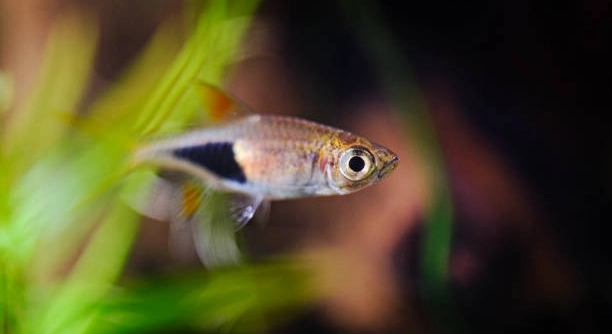
7 Differences Between Male and Female Rasboras

Do you ever find yourself observing your rasboras and wondering why some appear more vibrant or active than others? Male and female rasboras may look similar, but subtle differences can affect their behavior and appearance. Male and female rasboras can be distinguished through size, coloration, fin shape, and body structure. Males often display brighter colors, … Read more

7 Traits of a Well-Adjusted Rasbora

Rasboras are small, colorful fish that brighten home aquariums. Keeping them healthy requires understanding their behavior and needs. Observing their interactions and daily habits can reveal important clues about their overall well-being. A well-adjusted rasbora exhibits calm swimming patterns, healthy appetite, clear coloration, active social behavior, responsiveness to environment, regular growth, and minimal stress indicators. … Read more

What Happens When Rasboras Are Left Alone?

Rasboras are small, peaceful fish that thrive in groups. Their social behavior plays a crucial role in their wellbeing, and leaving them alone can affect both their activity and overall health. Observing their habits helps understand their needs. When rasboras are left alone, they may become stressed and less active. Social isolation can reduce their … Read more

7 Visual Cues That Rasboras Are Settling In

Are your new rasboras adjusting to their aquarium but moving cautiously around the tank? It can be subtle at first, with small shifts in behavior and interaction. Observing their daily patterns helps determine if they are comfortable. Rasboras display settling behavior through consistent swimming patterns, interaction with tank mates, and normal feeding habits. Color intensity, … Read more

What Makes Rasboras Choose a Leader?

Rasboras are small, colorful fish often seen swimming in groups. They move together with surprising coordination, creating patterns that seem almost purposeful. Observing them in an aquarium reveals a social world that is subtle yet structured. Leadership in rasbora schools is usually determined by factors such as swimming experience, confidence, and spatial awareness. Dominant individuals … Read more

7 Signs Your Harlequin Rasbora Might Breed Soon

Harlequin Rasboras are small, colorful fish that bring life to any aquarium. Observing their behavior can be rewarding, especially when subtle changes hint at important developments in their daily routine. These changes often indicate readiness for breeding. Harlequin Rasboras display several behavioral and physical signs before breeding. These include intensified coloration, frequent pairing, active swimming … Read more

Why Is My Rasbora Breathing at the Surface?

Have you ever noticed your rasbora lingering near the water’s surface, taking frequent breaths while swimming? Observing this behavior can feel concerning, especially when your fish usually appear calm and active in their tank. Rasboras breathe at the surface mainly due to low oxygen levels in the water. Insufficient aeration or poor water circulation can … Read more

7 Weird Rasbora Behaviors That Are Normal

Rasboras are small, peaceful fish that bring life to any aquarium. Their behaviors can sometimes appear unusual, leaving owners unsure if something is wrong. Observing them closely helps understand their natural instincts and routines. Many behaviors that seem strange in rasboras are normal and healthy. Swimming patterns, schooling formations, hiding tendencies, and occasional rapid movements … Read more

Why Do Rasboras Drift in One Spot So Long?

Rasboras are small, peaceful fish that often bring charm to home aquariums. They are active swimmers, yet sometimes they seem content to hover in one spot for extended periods, catching the eye of fishkeepers. Rasboras drift in one spot primarily due to resting, conserving energy, or observing their surroundings. Environmental factors, water flow, and tank … Read more