
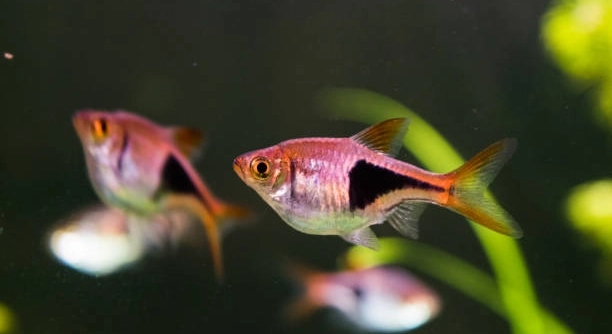
Rasboras are small, colorful fish that brighten home aquariums. Keeping them healthy requires understanding their behavior and needs. Observing their interactions and daily habits can reveal important clues about their overall well-being.
A well-adjusted rasbora exhibits calm swimming patterns, healthy appetite, clear coloration, active social behavior, responsiveness to environment, regular growth, and minimal stress indicators. These traits reflect proper care, stable water conditions, and balanced nutrition essential for optimal health.
Recognizing these key traits allows aquarists to maintain a thriving aquarium while ensuring their rasboras live a balanced, stress-free life.
Calm and Consistent Swimming
Rasboras that swim smoothly and maintain consistent movement are usually comfortable in their environment. Their swimming patterns should be even, without sudden darting or erratic changes. Observing the way they move in groups can indicate their comfort level. Calm swimming also shows that water parameters, such as temperature, pH, and oxygen levels, are suitable. Aggressive or rapid swimming may signal stress or illness. When rasboras explore their tank in a relaxed manner, it often reflects a stable routine and a familiar environment. Tanks with plenty of hiding spots and gentle water flow encourage natural swimming. Avoid overcrowding, as it can disrupt their patterns and create tension among the fish. Consistency in swimming behavior is a reliable way to monitor their health and overall adaptation to the aquarium setup. Watching them daily can help detect early signs of discomfort or disease, allowing timely intervention before problems escalate.
Observing calm swimming daily helps gauge the general well-being of your rasboras, ensuring they thrive in a stable, suitable environment.
Maintaining consistent water conditions is essential for supporting their natural movement. Regular monitoring of temperature and water quality prevents stress. Adding plants and decorations gives them areas to explore safely, encouraging healthy exercise. Rasboras are social, and calm group swimming reinforces bonds, reducing aggression and anxiety. When they glide without hesitation, it shows they feel secure. Changes in movement often indicate issues such as poor water quality, illness, or inadequate tank setup. By providing a balanced diet, gentle lighting, and consistent feeding schedules, you reinforce a sense of normalcy. Over time, this stability allows them to express natural behaviors fully, making them more resilient. Observing these patterns can guide minor adjustments in care, like repositioning decor or modifying flow rates. Overall, calm swimming is both a health indicator and a reflection of proper care, helping aquarists maintain a harmonious and thriving aquarium environment.
Healthy Appetite
A rasbora with a steady appetite signals proper nutrition and comfort in its habitat. Regular feeding habits indicate they are free from stress or illness.
Feeding a balanced diet, including high-quality flakes or small live foods, ensures energy and vitality. Avoid overfeeding, as excess can harm water quality.
Bright and Clear Coloration
Healthy rasboras display vibrant, even coloration across their bodies. Dull or faded colors may indicate stress, poor diet, or suboptimal water conditions. Bright colors show they are well-nourished and thriving in a suitable environment.
Consistent water quality and a balanced diet rich in nutrients help maintain vivid coloration. Stress, illness, or overcrowding can cause dullness, making it essential to monitor tank conditions. Adding live or frozen foods enhances pigmentation and supports overall health. Lighting also affects how their colors appear; natural light cycles or soft aquarium lighting can bring out their full range. Observing color changes over time helps detect subtle health issues early, allowing adjustments in diet or environment before more serious problems arise. Bright colors not only reflect good health but also indicate a well-adjusted fish capable of displaying normal behaviors.
Proper tank maintenance, including regular water changes and controlled feeding, ensures coloration remains vibrant. Avoid sudden changes in water parameters, as these can stress the fish and lead to fading. Providing a varied diet, gentle lighting, and enough space reinforces their natural color patterns. Over time, their brightness signals overall stability and satisfaction in their environment, showing that basic needs are being met.
Active Social Behavior
Rasboras are naturally social and feel comfortable in small groups. Active interaction with tank mates indicates proper adaptation and a stress-free environment.
Group swimming, synchronized movements, and gentle interactions are signs of social well-being. Isolated or withdrawn fish may be experiencing stress or health issues. Encouraging natural schooling behavior reduces aggression and strengthens social bonds. Decorations, plants, and open swimming areas help them interact safely while exploring their surroundings. Consistent routines in feeding and care support healthy social dynamics. Monitoring how they respond to each other provides insight into tank harmony and overall well-being, ensuring every fish remains engaged and content.
Responsiveness to Environment
Healthy rasboras react promptly to changes in their surroundings. They respond to movement, light, and feeding cues, showing alertness and engagement with their environment.
Slow or delayed reactions may indicate stress or illness. Quick, consistent responses suggest comfort and a well-maintained habitat. Observing these reactions helps assess overall health.
Regular Growth
Rasboras that grow steadily reflect proper nutrition and stable living conditions. Growth patterns indicate they are receiving adequate food, appropriate tank space, and suitable water parameters.
Tracking size over time ensures they develop evenly. Sudden stunting or irregular growth may signal problems with diet or water quality, which should be addressed promptly.
Minimal Stress Indicators
Signs of stress include hiding, rapid gill movement, and lethargy. Well-adjusted rasboras exhibit calm behavior and normal breathing patterns, with minimal signs of tension or discomfort.
FAQ
How can I tell if my rasbora is stressed?
Signs of stress in rasboras include hiding for long periods, rapid gill movement, clamped fins, and erratic swimming. Changes in coloration or loss of appetite are also indicators. Monitoring behavior daily allows you to address potential stressors such as poor water quality, overcrowding, or sudden changes in the tank.
What is the ideal group size for rasboras?
Rasboras are schooling fish and thrive in groups of at least six. Smaller groups can lead to anxiety, while larger groups promote natural social behaviors, reduce aggression, and improve overall well-being. Observing how the fish interact can help maintain a balanced and harmonious tank environment.
How often should I feed my rasboras?
Feeding should be done once or twice daily with small portions they can consume within a few minutes. Overfeeding can pollute the tank and stress the fish. A balanced diet that includes flakes, pellets, and occasional live or frozen foods supports growth, coloration, and overall health.
What water conditions are best for rasboras?
Rasboras prefer slightly acidic to neutral water with a pH around 6.5–7.0 and temperatures between 22–28°C (72–82°F). Stable water parameters are essential. Regular monitoring of ammonia, nitrite, and nitrate levels helps prevent stress and illness. Consistent water changes maintain a healthy environment for these small, sensitive fish.
How can I encourage vibrant coloration in my rasboras?
Bright coloration is supported by a nutritious, varied diet and stable water conditions. Foods rich in carotenoids, such as certain flakes, frozen brine shrimp, or daphnia, enhance natural pigmentation. Gentle lighting and a stress-free environment also contribute to maintaining vivid and consistent colors.
What are common health issues in rasboras?
Rasboras can suffer from fin rot, ich, or bacterial infections if water quality is poor or stress is high. Early detection through observation of behavior, swimming patterns, and physical appearance is crucial. Prompt treatment with appropriate medications and improved tank conditions increases recovery chances.
Do rasboras need plants in their tank?
Live or artificial plants provide hiding spots, reduce stress, and encourage natural exploration. Plants also help maintain water quality by absorbing nitrates and providing surface area for beneficial bacteria. A mix of open swimming areas and densely planted sections creates a balanced environment for healthy social interaction and activity.
Can rasboras live with other fish?
Yes, they are peaceful and do well with other small, non-aggressive species. Avoid housing them with large, predatory fish that may cause stress or injury. Observing interactions carefully ensures that all tank inhabitants remain calm, and compatible species support a harmonious community tank.
How long do rasboras typically live?
With proper care, rasboras can live 3–5 years on average. Stable water conditions, a balanced diet, and minimal stress are key factors in longevity. Regular observation, prompt response to health issues, and consistent tank maintenance help maximize their lifespan while ensuring well-being.
What is the best way to acclimate new rasboras?
Introduce new fish gradually by floating the sealed bag in the tank for 15–20 minutes to equalize temperature. Slowly add small amounts of tank water to the bag over 30–60 minutes. This reduces stress and helps them adjust to water chemistry, improving their chances of thriving in the new environment.
How do I maintain tank stability for rasboras?
Consistent feeding, routine water changes, and careful monitoring of water parameters are essential. Avoid sudden temperature swings, overstocking, and rapid introduction of new decorations or plants. A stable, predictable environment supports their health, social behavior, and overall adjustment to the aquarium.
Can rasboras breed in home aquariums?
Yes, under optimal conditions, rasboras can breed. Provide slightly acidic, soft water, live plants or spawning mops, and a calm environment. Separate breeding pairs if necessary. Eggs usually hatch in 24–48 hours, and the fry require specialized micro-food until they grow large enough to eat standard flakes or pellets.
How do I prevent aggression among rasboras?
Aggression is rare but can occur if the group is too small or the tank is overcrowded. Maintain proper school sizes, provide hiding spots, and monitor interactions. Ensuring a stress-free environment and stable water conditions reduces tension, allowing natural social behaviors to flourish without conflict.
What are the best signs of a well-adjusted rasbora?
A well-adjusted rasbora swims calmly, displays bright coloration, feeds regularly, interacts socially, and responds promptly to environmental cues. Minimal stress signs, consistent growth, and active schooling behavior indicate proper care and a thriving, balanced aquarium habitat. Observing these traits helps maintain long-term health and happiness.
How often should I clean the tank for rasboras?
Partial water changes of 20–30% weekly help maintain clean, stable conditions. Remove debris, vacuum the substrate, and monitor filter efficiency. Regular cleaning prevents the buildup of harmful compounds, supports healthy water parameters, and keeps rasboras active and stress-free.
What role does lighting play in rasbora health?
Lighting affects their behavior, coloration, and plant growth. Moderate, consistent lighting replicates natural day-night cycles, enhancing comfort and activity. Avoid sudden bright lights or prolonged darkness, as these can stress the fish. Balanced lighting supports their overall well-being and promotes natural, vibrant appearance.
Can I keep different types of rasboras together?
Different rasbora species can coexist if they have similar size, temperament, and water requirements. Mixing compatible species adds variety while maintaining harmony. Observe interactions carefully, as differences in behavior or aggression levels may require adjustments in group composition or tank layout.
How do I handle water parameter fluctuations?
Gradual adjustments are key. Sudden changes in temperature, pH, or hardness can stress or harm rasboras. Use heaters, buffers, or gradual water replacement to maintain stability. Monitoring equipment and testing water regularly ensures consistent conditions and supports long-term health.
What should I do if a rasbora falls ill?
Isolate the affected fish to prevent spread, test water quality, and identify the illness promptly. Treatment may include medications, improved water conditions, and dietary adjustments. Early intervention increases the chance of recovery and helps maintain overall tank stability.
Are rasboras sensitive to tank decorations or substrates?
They prefer smooth substrates and gentle decorations to avoid injury. Sharp objects or rough surfaces can damage fins and scales. Plants, rocks, and driftwood create hiding spaces and mimic natural habitats. A balanced layout encourages exploration while protecting the fish from stress or harm.
How do I know if my feeding routine is sufficient?
Fish should finish their food within a few minutes. Uneaten food can pollute the tank, while consistent refusal to eat may indicate stress or illness. Adjust portion sizes, vary diet, and monitor feeding behavior to maintain health, growth, and coloration.
What is the best way to introduce new tank mates to rasboras?
Acclimate new fish slowly and observe interactions closely. Introduce compatible species gradually, ensuring space and hiding spots are available. Monitoring behavior reduces stress and prevents conflicts, supporting a peaceful, thriving aquarium for all inhabitants.
Can rasboras tolerate slight changes in water temperature?
Small fluctuations are generally tolerated if gradual. Sudden changes can stress the fish and compromise immunity. Using heaters and maintaining stable conditions helps ensure comfort, health, and consistent behavior in the aquarium.
How do I encourage natural schooling behavior?
Keep rasboras in groups of six or more and provide open swimming areas. Structured plants and decorations offer safe zones while promoting group cohesion. Regular observation and consistent care reinforce natural patterns and social interaction, contributing to overall well-being and stability.
What are the key factors in maintaining long-term rasbora health?
Stable water conditions, balanced nutrition, proper tank size, compatible tank mates, and regular monitoring are essential. Minimizing stress, providing hiding spots, and encouraging natural behaviors help rasboras thrive. Careful attention to these factors ensures active, vibrant, and well-adjusted fish over time.
Rasboras are small, peaceful fish that bring life and color to any aquarium. Keeping them healthy and well-adjusted depends largely on observing their daily behavior and maintaining stable tank conditions. Each trait, from swimming patterns to coloration, provides insight into their overall well-being. Calm, consistent swimming is a good starting point for assessing health. When rasboras move smoothly and in unison, it reflects a stable environment and proper care. Sudden darting or erratic swimming can be an early warning sign of stress, illness, or water quality issues. Observing these movements regularly allows aquarists to make timely adjustments, ensuring the fish remain comfortable and active. Group dynamics also play an important role. Rasboras are social fish, and watching how they interact can reveal whether they feel secure in their environment. Active schooling behavior and synchronized movements indicate strong social bonds, while isolation or avoidance may point to underlying problems. Proper feeding, water maintenance, and tank setup all contribute to these behavioral patterns, reinforcing a balanced habitat.
Coloration is another important indicator of a rasbora’s health. Bright, even colors reflect good nutrition and low stress levels. A dull or faded appearance can be a sign of illness or poor water conditions, making it essential to maintain consistent care routines. Providing a varied diet with nutrient-rich flakes, live, or frozen foods supports natural pigmentation and overall vitality. Lighting and tank design also influence how colors appear, with gentle, consistent lighting enhancing the visual appeal of the fish. Alongside physical traits, responsiveness to the environment is a key factor in evaluating well-being. Well-adjusted rasboras react promptly to changes, such as movement near the tank or feeding time, showing alertness and comfort. Lack of responsiveness or lethargy can indicate health issues or environmental stress. Minimal signs of tension, regular growth, and a steady appetite further confirm proper care. Monitoring these traits together provides a clear picture of how well the fish are adapting and thriving in their home.
Creating a suitable habitat for rasboras involves more than just feeding and water maintenance. Plants, decorations, and hiding spots encourage natural behavior while reducing stress. A consistent feeding schedule, regular water changes, and careful observation of interactions ensure the fish remain comfortable and balanced. Understanding each trait of a well-adjusted rasbora helps aquarists respond to issues before they escalate, promoting longevity and health. By paying attention to swimming patterns, coloration, social behavior, and responsiveness, you can maintain a stable, thriving aquarium. Every small adjustment, from water quality management to diet variations, contributes to the overall harmony of the tank. With patience, attention, and consistent care, rasboras can live full, vibrant lives, displaying the behaviors and characteristics that indicate they are truly well-adjusted. Over time, these observations build a deeper understanding of their needs, allowing for a peaceful, healthy, and visually appealing aquatic environment.

Hello,
If you enjoy the content that we create, please consider saying a "Thank You!" by leaving a tip.
Every little bit helps us continue crafting quality advice that supports the health, happiness, and well-being of pets around the world, for pets of all shapes, sizes, and species.
We really appreciate the kindness and support that you show us!