
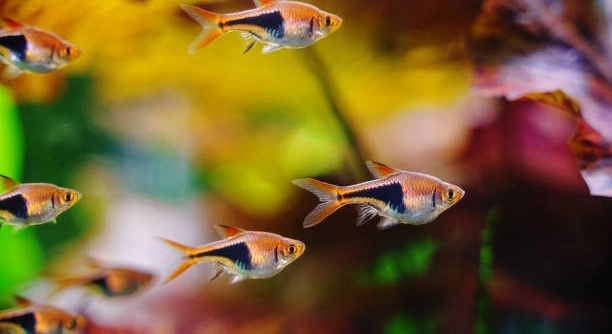
Have you ever noticed your rasbora lingering near the water’s surface, taking frequent breaths while swimming? Observing this behavior can feel concerning, especially when your fish usually appear calm and active in their tank.
Rasboras breathe at the surface mainly due to low oxygen levels in the water. Insufficient aeration or poor water circulation can cause fish to seek oxygen-rich areas near the surface, highlighting the importance of proper tank maintenance and monitoring.
Monitoring your tank’s conditions and making small adjustments can prevent stress and support your rasbora’s well-being. Understanding the reasons behind this behavior is key to keeping them healthy.
Common Reasons Rasboras Surface to Breathe
Rasboras often swim near the surface when water conditions are less than ideal. Low oxygen levels are a frequent cause, especially in tanks without adequate aeration or circulation. Overcrowded tanks, overfeeding, or decaying plant matter can also reduce oxygen, forcing fish to seek air at the top. Temperature plays a role too—warmer water holds less oxygen, making it harder for your rasbora to breathe comfortably. Monitoring water parameters like ammonia, nitrites, and pH helps detect early signs of stress. Sometimes, behavior changes are subtle, such as occasional surface visits or rapid gill movements, signaling that oxygen levels may be low. Regular water changes, using a gentle filter, and ensuring proper tank stocking can improve oxygen availability. Observing these patterns can prevent long-term health issues. By addressing these factors promptly, you can create a more stable environment that encourages normal swimming and reduces surface breathing in your rasboras.
Recognizing these environmental issues early allows you to take action before your fish experience prolonged stress.
Improving tank conditions involves multiple steps. Start by checking the filter and ensuring water flows evenly throughout the tank. Reduce overcrowding by keeping a suitable number of fish for your tank size, as excess fish consume more oxygen. Avoid overfeeding; leftover food decomposes, lowering oxygen further. Temperature control is also essential—keep water within your rasbora’s ideal range, typically 72-78°F, to maintain dissolved oxygen. Introducing live plants can help oxygenate the water naturally, though dense plant matter requires careful cleaning to avoid decay. Regular partial water changes help maintain stable water quality. Watching your fish’s behavior during and after these adjustments can indicate whether conditions have improved. Small interventions often lead to significant improvements in their breathing patterns and overall activity levels, supporting a healthier and calmer tank environment.
Symptoms of Oxygen Stress in Rasboras
Frequent surface breathing, lethargy, and rapid gill movements are common signs of oxygen stress.
When oxygen is low, rasboras may also lose their vibrant coloration and stay near the tank’s upper layers, where oxygen is higher. They may swim slowly or hover in one area instead of exploring the tank. Some fish may even gasp occasionally, showing that they are struggling to get enough air. Long-term oxygen deficiency can weaken their immune system, making them prone to disease. Monitoring these behaviors is crucial, as early intervention can prevent serious health issues. Adjusting water flow, aeration, and tank maintenance can relieve stress, restoring normal activity. Observing your fish daily helps you spot these signs quickly. Understanding subtle behavioral changes can ensure that your rasboras remain healthy, active, and vibrant. With proper attention, oxygen stress can be reduced, helping your tank remain a stable, comfortable habitat.
Improving Oxygen Levels in Your Tank
Adding an air stone or adjusting your filter can increase water circulation, helping rasboras access more oxygen. Regular water changes also improve oxygen levels and overall water quality, creating a healthier environment for your fish.
Using an air pump with a stone ensures continuous oxygen flow, especially in crowded tanks. Plants like Java fern or Anubias contribute to oxygenation, but decaying leaves must be removed promptly. Avoid overfeeding because leftover food decomposes and consumes oxygen. Monitoring water temperature is equally important, as warmer water holds less oxygen. Small adjustments like repositioning decorations to improve flow can make a big difference. Combining these methods keeps your rasboras comfortable, reduces surface breathing, and encourages normal swimming patterns. Regular observation allows you to detect issues early and maintain stable tank conditions.
Tank aeration is only part of the solution. Proper cleaning routines, including vacuuming substrate and removing detritus, prevent oxygen depletion. Ensure filters are cleaned without removing all beneficial bacteria. Stock your tank appropriately, balancing fish numbers with tank size. Even small changes in water chemistry can affect oxygen absorption. Measuring dissolved oxygen levels or watching fish behavior helps track improvements. Over time, these steps create a stable, oxygen-rich environment where rasboras thrive, breathe naturally, and display normal activity throughout the tank.
Feeding Practices to Support Healthy Breathing
Avoid overfeeding, as leftover food decomposes and reduces oxygen, stressing your rasboras. Feed small amounts multiple times rather than large portions at once.
High-quality, appropriate-sized food ensures your rasboras consume it quickly, leaving minimal waste in the tank. Overfeeding not only lowers oxygen but also contributes to ammonia buildup, which harms gill function. Freeze-dried or live foods provide nutrients without excessive waste. Observe your fish during feeding to adjust portion sizes and timing. By controlling feeding practices, you maintain cleaner water, healthier gills, and less surface breathing. Consistent routines also reduce stress and support stronger immune responses in your fish. Feeding properly complements aeration and tank maintenance for optimal fish health.
Tank Size and Stocking Considerations
Keeping your tank appropriately sized is essential for rasboras to breathe comfortably. Overcrowding increases oxygen demand and stress, making surface breathing more common.
A properly stocked tank allows water to circulate efficiently and reduces competition for oxygen. Rasboras thrive in groups, but the number should match the tank’s capacity.
Water Temperature and Its Effects
Water temperature directly affects oxygen levels. Warmer water holds less oxygen, which can cause rasboras to gasp at the surface. Maintaining stable temperatures between 72-78°F ensures optimal oxygen availability and reduces stress. Sudden fluctuations can trigger surface breathing and weaken your fish’s immune system. Regular monitoring prevents problems before they escalate.
Observing Behavioral Changes
Pay attention to patterns like lethargy, rapid gill movement, or hovering near the surface. These behaviors indicate stress from environmental factors. Regular observation helps detect issues early, allowing adjustments to aeration, temperature, or feeding practices to restore a healthier habitat for your rasboras.
FAQ
Why is my rasbora constantly at the surface?
Rasboras often stay near the surface when oxygen levels are low or water circulation is poor. Overcrowding, overfeeding, or high temperatures can reduce dissolved oxygen, causing fish to seek the top where oxygen is more available. Improving aeration, maintaining clean water, and adjusting temperature can help.
Can poor water quality cause surface breathing?
Yes, high ammonia, nitrite, or nitrate levels can stress your rasbora, forcing it to the surface. Decaying food, waste buildup, or inadequate filtration can contribute to poor water quality. Regular testing, partial water changes, and proper filtration are essential to prevent stress and maintain healthy fish.
Does tank size affect breathing behavior?
Absolutely. Small or overcrowded tanks limit oxygen availability, which can increase surface breathing. Rasboras need adequate space to swim freely and for water to circulate properly. Stocking your tank appropriately and considering tank size can reduce stress and promote normal breathing patterns.
How does temperature impact my rasbora’s breathing?
Higher water temperatures lower dissolved oxygen, making fish more likely to breathe at the surface. Keeping water stable between 72-78°F prevents sudden oxygen drops. Sudden temperature changes can stress your fish, so using a reliable heater and thermometer ensures consistency.
Will adding plants help with oxygen levels?
Live plants can improve oxygen levels during daylight through photosynthesis. However, decaying plant matter consumes oxygen, so regular trimming and cleaning are necessary. Plants also provide hiding spaces, reducing stress and encouraging natural swimming behavior, which indirectly supports better breathing patterns.
Is overfeeding a problem for oxygen levels?
Yes. Uneaten food decomposes, consuming oxygen and producing ammonia. Feeding small portions multiple times a day helps ensure your fish eat all the food, reducing waste and maintaining healthier water. Proper feeding supports gill function and prevents excessive surface breathing.
What signs indicate my rasbora is stressed?
Common signs include hovering near the surface, rapid gill movements, lethargy, faded colors, and irregular swimming. Stress can result from poor water quality, low oxygen, overcrowding, or temperature fluctuations. Monitoring these behaviors allows early intervention to improve tank conditions.
Do all rasboras breathe at the surface occasionally?
Occasional visits to the surface can be normal, especially after feeding or during mild temperature changes. Persistent surface breathing, rapid gill movement, or staying at the top for long periods indicates an underlying issue that needs correction.
How often should I test my tank water?
Testing water weekly is recommended, especially for ammonia, nitrites, nitrates, and pH. Frequent checks help detect problems early, allowing you to adjust filtration, aeration, or water changes to maintain stable, oxygen-rich conditions for your rasboras.
Can surface breathing cause long-term health problems?
If oxygen deficiency persists, rasboras may experience weakened immune systems, stunted growth, or increased susceptibility to disease. Addressing environmental factors promptly is crucial to prevent long-term health issues and ensure your fish remain active and vibrant.
What is the quickest way to improve oxygen levels?
The fastest methods include adding an air stone, increasing water circulation, and performing partial water changes. Ensuring your filter is working efficiently and avoiding overcrowding also quickly improves oxygen availability, reducing surface breathing almost immediately.
Are there any signs that oxygen levels are adequate?
Healthy rasboras swim actively throughout the tank, show normal gill movements, and rarely linger at the surface. Clear water, minimal debris, and stable temperature also indicate a well-oxygenated environment that supports your fish’s natural behavior.
How do I prevent recurring surface breathing?
Maintain stable water quality, control feeding, ensure proper aeration, and monitor temperature. Avoid overcrowding and regularly clean the tank. By combining these measures, you create a consistent environment that minimizes stress and encourages natural swimming and breathing behavior in your rasboras.
Can adding more fish help oxygenate the tank?
Adding fish is not recommended to improve oxygen levels. More fish consume more oxygen and produce more waste, worsening the problem. Focus on improving aeration, filtration, and water quality to support the current tank population instead.
Is surface breathing always related to oxygen?
Not always. Disease, parasites, or gill damage can also cause rasboras to stay at the surface. If environmental adjustments don’t improve behavior, consider consulting a veterinarian or fish health specialist to rule out medical causes.
How long does it take for rasboras to recover from oxygen stress?
Recovery depends on the severity and how quickly conditions improve. Small adjustments in aeration and water quality may show results within hours, while prolonged stress might take days for behavior and coloration to return to normal. Regular monitoring ensures lasting improvement.
Can tap water cause breathing issues?
Untreated tap water can contain chlorine or heavy metals that irritate gills and reduce oxygen absorption. Using a water conditioner or dechlorinator before adding water helps protect your rasboras and maintain proper breathing patterns.
Do all types of rasboras react the same way to low oxygen?
Different species may vary slightly in tolerance, but all rasboras rely on sufficient oxygen. Smaller species may show stress earlier, while larger species can tolerate brief dips. Observing your specific type ensures timely action for optimal care.
Is there a way to naturally increase oxygen without equipment?
Yes, increasing live plants, creating gentle water movement with decorations, and performing regular water changes can naturally improve oxygen levels. However, combining these methods with proper aeration provides the most consistent results.
What should I do if surface breathing continues despite all adjustments?
Persistent surface breathing may indicate hidden issues such as disease or gill problems. At this point, testing water, reviewing tank conditions, and seeking expert advice ensures your rasboras receive proper care and recovery.
How important is tank cleaning for oxygen levels?
Cleaning removes debris and decaying matter that consume oxygen. Regular substrate vacuuming, filter maintenance, and plant trimming help maintain clear, oxygen-rich water, reducing the need for rasboras to breathe at the surface.
Can sudden changes in tank conditions trigger surface breathing?
Yes. Rapid temperature swings, sudden overfeeding, or introducing new fish can stress rasboras, causing them to seek oxygen at the surface. Gradual adjustments prevent shock and support steady, healthy breathing behavior.
How can I monitor if my fish are getting enough oxygen?
Observe gill movement, swimming patterns, and behavior at different tank levels. Occasional surface visits are normal, but persistent top-level swimming signals low oxygen. Testing dissolved oxygen or checking water quality regularly confirms the environment supports healthy respiration.
Do seasonal changes affect rasboras’ breathing?
Seasonal temperature fluctuations, especially in unheated rooms, can alter oxygen levels. Adjusting heaters or adding aeration during warmer or cooler months helps maintain stable conditions and reduces surface breathing tendencies.
Can using a stronger filter help?
Yes, increasing water movement with an efficient filter improves oxygen distribution. Ensure flow is not too strong, as rasboras prefer gentle currents. Proper filtration balances cleanliness and aeration, supporting overall fish health.
How does surface breathing affect feeding habits?
Stressed fish may eat less or hesitate during feeding. Maintaining adequate oxygen, stable conditions, and proper nutrition ensures your rasboras remain healthy, active, and maintain normal feeding behavior.
Is it normal for young rasboras to breathe at the surface more?
Juveniles may be more sensitive to oxygen fluctuations. Ensuring proper aeration, clean water, and stable temperatures helps young fish adjust and reduces frequent surface breathing.
Are there any signs that indicate recovery from oxygen stress?
Rasboras swimming actively throughout the tank, reduced time at the surface, normal gill movements, and restored coloration indicate recovery. Consistent tank maintenance and observation help maintain these healthy behaviors.
Can decorations affect oxygen flow?
Yes, densely packed decorations can limit water circulation. Rearranging items to allow better flow improves oxygen distribution, helping rasboras breathe normally and swim freely.
Should I isolate a rasbora that keeps surfacing?
Isolation is not necessary unless illness is suspected. Focus on improving tank conditions for all fish. If behavior persists despite environmental adjustments, consult a specialist to rule out disease.
How often should I aerate the tank?
Continuous aeration is ideal, especially in warmer or densely stocked tanks. Air stones, filters, and gentle water movement maintain steady oxygen levels, supporting healthy rasbora behavior consistently.
What role does gill health play in surface breathing?
Healthy gills efficiently extract oxygen. Disease, parasites, or damage can impair breathing, making fish linger at the surface. Monitoring behavior and water quality supports gill health, reducing stress and ensuring proper respiration.
Can night-time behavior indicate oxygen issues?
Yes. Fish resting at the surface or moving slowly at night may signal low oxygen, as photosynthesis from plants ceases. Observing nighttime activity helps identify potential oxygen deficiencies.
Is it safe to increase aeration suddenly?
Gradual increases are preferred to prevent stress. Sudden strong currents can disorient rasboras. Adjust air stones or filters slowly while monitoring behavior to ensure comfort and proper oxygen levels.
Do surface-breathing rasboras require medical treatment?
Not usually. If caused by environmental factors, improving oxygen, water quality, and temperature resolves the issue. Persistent surface breathing with no clear environmental cause may require veterinary assessment for gill or respiratory problems.
Can I prevent surface breathing entirely?
While occasional surface visits are normal, consistent maintenance, proper stocking, adequate aeration, and stable temperature minimize the behavior. Attention to tank conditions ensures rasboras spend most of their time swimming freely and comfortably at all levels.
How long should I monitor after making changes?
Observe your rasboras for several days after adjustments. Changes in swimming patterns, reduced surface visits, and normal gill movement indicate improvements. Continuous monitoring ensures long-term health and stability.
Does water hardness affect oxygen availability?
Water hardness has minimal direct effect on oxygen but influences overall water chemistry. Stable water parameters contribute to healthier gill function and respiration, indirectly supporting normal breathing behavior.
Can I use a bubbler instead of an air stone?
Yes. Both increase oxygenation by agitating the water surface. Ensure flow is gentle to avoid stressing rasboras. Regular monitoring guarantees consistent oxygen levels and healthy behavior.
Is there a difference between daytime and nighttime oxygen needs?
Yes. Photosynthesis during the day increases oxygen, while at night, levels drop slightly. Continuous aeration or gentle circulation helps maintain consistent oxygen, preventing night-time surface breathing.
Can introducing airstones in small tanks cause stress?
If too strong, yes. Gentle bubbles are preferred for rasboras. Proper placement and controlled airflow provide oxygen without creating turbulent conditions, allowing fish to swim comfortably.
How do I balance plants and aeration?
Live plants produce oxygen during light hours but consume it at night. Combining plants with continuous aeration maintains oxygen levels 24/7, supporting healthy rasbora respiration and reducing surface visits.
Are certain tank shapes better for oxygen distribution?
Long, shallow tanks promote better surface contact, improving oxygen absorption. Deep tanks require additional aeration or circulation to ensure even oxygen levels, preventing rasboras from lingering at the surface.
What is the role of water movement in preventing surface breathing?
Gentle, consistent water movement distributes oxygen evenly, reduces stagnant areas, and encourages natural swimming behavior. Proper flow ensures all tank regions are oxygen-rich, minimizing surface breathing in rasboras.
How does ammonia affect breathing?
Ammonia irritates gills and reduces oxygen uptake, causing fish to breathe at the surface. Regular testing, filtration, and water changes prevent ammonia buildup, supporting healthy respiration.
Can surface breathing be seasonal or temporary?
Yes, seasonal temperature changes or temporary spikes in waste or temperature can increase surface visits. Maintaining stable conditions minimizes long-term stress and supports normal breathing patterns.
Do all fish react the same to oxygen depletion?
Different species vary in tolerance. Rasboras are moderately sensitive, showing surface breathing sooner than some hardier fish. Observing behavior helps identify low oxygen levels early.
Can I use floating plants to improve oxygen?
Floating plants increase surface oxygen during daylight but may shade other plants. Balance is needed. Combined with aeration, floating plants can contribute to healthier oxygen levels for rasboras.
Is it normal for fish to gulp air occasionally?
Occasional gulping can be normal, especially after feeding or brief activity. Persistent surface breathing, rapid gill movements, or hovering at the top signals an underlying issue requiring attention.
How does tank lighting affect oxygen levels?
Lighting promotes photosynthesis in live plants, increasing oxygen during the day. Too little light may reduce this effect, while too much can increase temperature, indirectly reducing oxygen. Balance lighting with tank needs.
Can surface agitation help oxygen absorption?
Yes. Water movement at the surface improves gas exchange, increasing oxygen levels. Gentle agitation from filters, air stones, or decorations supports rasboras’ breathing and reduces stress.
Is it normal for rasboras to rest at the surface?
Occasional resting may happen but frequent or prolonged surface stays indicate low oxygen, stress, or water quality issues. Consistent observation and tank maintenance help maintain healthy behavior.
Do temperature swings overnight affect surface breathing?
Yes. Sudden drops or rises in temperature reduce oxygen availability and stress fish, increasing surface breathing. Stable heaters and monitoring prevent these fluctuations.
How does substrate type impact oxygen distribution?
Dense or compact substrates may trap debris and reduce water circulation, slightly affecting oxygen. Regular cleaning and careful substrate choice support better water flow and healthier breathing.
Can water conditioners improve breathing?
Yes, conditioners remove chlorine and neutralize harmful chemicals, protecting gills and improving oxygen absorption. Using them ensures rasboras can breathe comfortably.
Should I be concerned about gill parasites?
Yes. Persistent surface breathing despite proper tank conditions may indicate parasites or gill disease. Early detection and treatment prevent long-term health problems.
How long can rasboras survive low oxygen conditions?
Short periods may be tolerated, but prolonged low oxygen can cause stress, weakened immunity, and death. Maintaining proper aeration and water quality is essential for survival.
Do surface-breathing rasboras eat differently?
Yes, stressed fish may eat less or avoid the bottom of the tank. Ensuring proper oxygen and water quality encourages normal feeding and supports overall health.
Can filters alone prevent surface breathing?
Filters help but may not be sufficient in crowded or warm tanks. Combining aeration, water changes, and proper maintenance ensures adequate oxygen throughout the tank.
Are some rasboras more sensitive to oxygen than others?
Smaller or delicate species often show signs of low oxygen sooner. Understanding your species’ tolerance helps you maintain conditions that prevent stress.
Is it okay to mix rasboras with other fish regarding oxygen needs?
Yes, as long as all species are compatible in terms of tank size, stocking levels, and oxygen demand. Avoid mixing with high-oxygen-demand species in small tanks.
Can I use test kits to monitor oxygen?
Yes. Dissolved oxygen kits or meters provide accurate readings, helping you identify low-oxygen conditions before behavior changes occur.
Do water changes affect oxygen levels?
Partial water changes refresh oxygen and remove waste. Regular changes maintain stable, oxygen-rich conditions and support normal rasbora breathing.
How often should I clean the filter?
Monthly or as needed, without removing all beneficial bacteria. Proper cleaning maintains water flow and oxygen distribution, reducing surface breathing.
What is the best way to acclimate rasboras to a new tank?
Gradual introduction, stable water parameters, and proper aeration reduce stress and prevent surface breathing. Monitoring behavior during acclimation ensures a smooth transition.
Can low oxygen affect reproduction?
Yes. Stressed rasboras may not spawn or may produce weaker eggs. Maintaining oxygen-rich water supports normal reproductive behavior and healthier fry.
Are there any natural remedies for low oxygen?
Increasing plants, performing regular water changes, and gentle water movement improve oxygen naturally. Combining these with aeration ensures stable conditions.
Does tank cover affect oxygen exchange?
Covers can limit gas exchange if tight-fitting. Ensure some airflow or ventilation to maintain proper oxygen levels.
How do I know if my water flow is sufficient?
Observe swimming patterns and surface visits. Gentle, consistent movement throughout the tank usually indicates adequate circulation and oxygen distribution.
Can adding snails or shrimp improve oxygen levels?
They don’t significantly increase oxygen but help clean debris. Reducing waste indirectly supports better oxygen availability.
Do seasonal algae blooms affect oxygen?
Algae produce oxygen during the day but consume it at night. Excessive algae can reduce oxygen at night, causing surface breathing. Regular control is important.
Can water hardness or minerals impact breathing?
Directly, no. Indirectly, extreme water chemistry can stress gills. Maintaining balanced parameters supports proper respiration.
How does surface tension affect breathing?
Gentle agitation breaks surface tension, allowing better gas exchange. Still water may reduce oxygen absorption and encourage surface visits.
Are there behavioral signs of recovery after fixing oxygen issues?
Reduced surface visits, normal gill movement, vibrant colors, and active swimming indicate recovery. Monitoring ensures improvements are maintained.
Is it normal for rasboras to school near the surface?
Occasionally, yes. Persistent top-level schooling often indicates low oxygen or stress, requiring attention to tank conditions.
Do floating decorations affect oxygen?
They can block surface agitation and reduce oxygen exchange. Balance decorations with circulation to maintain adequate oxygen.
Can surface bubbles stress rasboras?
If too strong, yes. Gentle bubbles improve oxygen without stressing fish. Placement and flow control are important.
How long does it take to see improvement after fixing oxygen issues?
Small adjustments can show results within hours, while recovery from prolonged stress may take days. Observation ensures progress.
Can tankmates influence surface breathing?
High-oxygen-demand fish in the same tank can reduce available oxygen for rasboras. Proper stocking prevents competition and stress.
Do rasboras show visible signs of oxygen deficiency in gills?
Reddened or inflamed gills can indicate stress or low oxygen. Monitoring gill health supports early intervention.
Can I prevent oxygen stress with routine care?
Yes. Regular water changes, proper aeration, balanced feeding, and monitoring temperature and stocking ensure rasboras remain healthy and rarely surface breathe.
Are there any quick fixes for stressed rasboras?
Immediate partial water changes, increased aeration, and checking temperature can relieve stress temporarily. Long-term solutions require consistent maintenance and observation.
Can using a sponge filter help?
Yes. Sponge filters provide gentle water movement and aeration, supporting oxygen levels and creating a safer environment for rasboras.
Is surface breathing a reliable indicator of tank health?
It is a strong behavioral indicator. Frequent surface breathing signals low
Observing your rasboras breathing at the surface can be worrying, but it often signals issues in the tank environment rather than a serious illness. Low oxygen levels are the most common reason, and this can occur due to several factors, including inadequate aeration, high temperatures, overcrowding, or poor water quality. Overfeeding and decaying food or plants can also reduce dissolved oxygen, forcing fish to seek air at the surface. By keeping an eye on water parameters and maintaining proper tank conditions, you can reduce surface breathing and support the overall health of your rasboras. Small changes, like adjusting the filter or adding an air stone, can have a significant impact on their comfort and activity.
Tank maintenance plays a major role in ensuring your rasboras remain healthy. Regular water changes help remove waste and replenish oxygen, while testing for ammonia, nitrites, nitrates, and pH allows you to catch problems early. Keeping a suitable number of fish for the tank size prevents overcrowding, which can increase stress and lower oxygen availability. Additionally, monitoring the water temperature and maintaining a stable range appropriate for rasboras is important, as warmer water holds less oxygen. Adding live plants provides natural oxygen during daylight hours, though care must be taken to remove decaying material promptly. These combined efforts create a stable, oxygen-rich environment that encourages normal behavior and reduces the need for surface breathing.
Feeding practices and observation are equally important. Providing the right amount of food, in small portions that your fish can consume quickly, prevents waste buildup that could harm water quality and oxygen levels. Watching your rasboras daily helps identify any changes in behavior, such as increased surface visits, rapid gill movements, or lethargy, which can indicate stress or low oxygen. Consistent care, including tank cleaning, proper aeration, controlled feeding, and stable water conditions, ensures your rasboras remain healthy and active. Over time, these practices not only prevent surface breathing but also support strong immune systems, vibrant colors, and a thriving school of fish that enjoy their habitat comfortably. Maintaining this attention to detail creates a reliable environment where rasboras can swim freely, breathe easily, and live longer, healthier lives.

Hello,
If you enjoy the content that we create, please consider saying a "Thank You!" by leaving a tip.
Every little bit helps us continue crafting quality advice that supports the health, happiness, and well-being of pets around the world, for pets of all shapes, sizes, and species.
We really appreciate the kindness and support that you show us!