
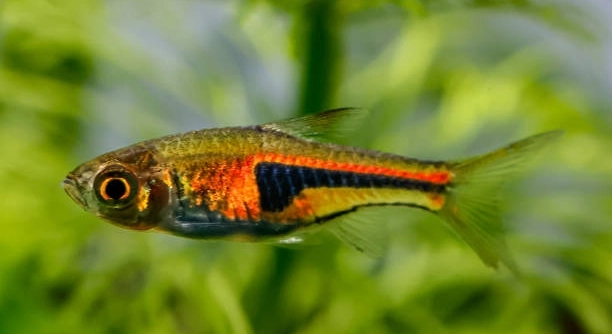
Rasboras are small, colorful fish often seen swimming in groups. They move together with surprising coordination, creating patterns that seem almost purposeful. Observing them in an aquarium reveals a social world that is subtle yet structured.
Leadership in rasbora schools is usually determined by factors such as swimming experience, confidence, and spatial awareness. Dominant individuals often guide direction, pace, and positioning, while others follow to maintain safety and coordination within the group.
Watching these patterns closely can reveal the delicate balance of hierarchy and cooperation that exists in their underwater communities.
How Rasboras Communicate Leadership
Rasboras show leadership through subtle movements and positioning in the school. The leading fish often swims at the front, choosing the direction and pace, while others follow closely. They use body language to signal changes, like speeding up or turning. These cues are vital for group cohesion and safety. When a new leader emerges, the change is usually quiet. The fish do not fight openly; instead, they adjust their positions naturally. Observing an aquarium, you might notice one fish taking initiative during feeding or when exploring new areas. Leadership can shift depending on circumstances, such as the presence of potential threats or changes in the environment. Fish that are more experienced and confident often assume leadership roles, helping maintain a steady, coordinated movement. Their small size does not prevent them from having a structured social order. Over time, the school adapts, recognizing the leader’s guidance without conflict.
Leadership helps maintain group safety and efficiency by reducing confusion when moving or escaping potential threats.
Understanding these behaviors can enhance aquarium management. Adjusting tank layouts, providing hiding spots, and monitoring group dynamics ensures that the school operates smoothly. Recognizing leadership patterns also helps in feeding routines and preventing stress, as subordinate fish are less likely to be harassed when roles are clear. Observing which fish consistently leads during exploration or feeding allows you to predict movement patterns. Leaders often display more boldness near open areas, guiding others to safe zones. Environmental factors like light, current, and tank size can influence which fish takes the lead. By providing a stable, predictable environment, dominant rasboras can establish authority naturally, reducing chaos in the group. This structure is essential for healthy social interaction. Leadership is not static; it can change if a confident fish grows or if the current leader becomes less active. Regular observation helps maintain balance and ensures a calm, well-coordinated school in the aquarium.
Factors That Influence Leadership
Personality, experience, and size are major factors in determining leadership among rasboras.
Bold fish with prior experience in navigating the tank often emerge as leaders. Larger or more agile individuals tend to gain the confidence of the group quickly. Social interactions also play a role; fish that can react quickly to threats or feeding cues are more likely to lead. Environmental conditions like tank size, presence of hiding spots, and even water temperature can impact who assumes leadership. Fish that feel secure in their surroundings are more willing to take initiative. Leaders guide movement during feeding and exploration, ensuring the school remains cohesive. Even subtle traits, like willingness to swim ahead or maintain central positions, can influence leadership emergence. Over time, these dynamics create a predictable pattern in the school’s movement, improving group efficiency and safety. Observing these factors helps you understand why some rasboras naturally guide others.
Observing Leadership in Daily Behavior
Leaders often position themselves at the front during feeding or exploration. Subordinate fish follow closely, adjusting speed and direction based on the leader’s movements. Leadership can shift subtly when circumstances change, with more confident fish taking initiative temporarily.
Watching your rasboras over time reveals clear patterns of guidance. Leaders tend to be the first to investigate new objects, swim through open areas, or approach food. Subordinate fish observe and react quickly, maintaining the group’s cohesion. The leader’s behavior directly influences stress levels and movement efficiency. If a leader is absent or less active, another confident fish steps forward, showing flexibility in their social structure. Over weeks, these patterns become predictable, allowing you to anticipate movement and feeding behavior. The school adapts naturally, with roles forming and adjusting without conflict. Leadership ensures coordination, reduces stress, and allows the school to navigate its environment effectively.
Leaders also respond to environmental changes. When obstacles or threats appear, the leading fish reacts first, guiding others to safety. This responsiveness reinforces its role and maintains group stability. Fish not only follow but learn from these behaviors, strengthening social bonds and coordination.
Factors That Shift Leadership
Changes in tank layout, lighting, or group composition can affect which fish leads the school. Dominant individuals may lose influence if they become stressed or less active.
Even small changes, like introducing a new fish, can disrupt established patterns. Experienced leaders adapt faster, while subordinate fish observe and reassess who to follow. Leaders are often more resilient to minor stressors, such as water flow changes, and can maintain the school’s cohesion. Social dynamics, age, and health also influence leadership shifts. A dominant fish that weakens due to illness or reduced activity may be replaced by a more confident or energetic individual. Over time, the school adjusts seamlessly, demonstrating flexibility in its hierarchy. Environmental consistency supports stability, but the school’s ability to adapt to new conditions is crucial for its long-term coordination and safety. Leadership is therefore a dynamic role, responding constantly to internal and external factors.
Recognizing Subtle Leadership Signals
Leaders communicate through small movements, like changing speed or adjusting their position in the group. These cues are subtle but clear to other rasboras. Following fish respond almost instantly, keeping the school organized and coordinated.
Eye contact and body orientation also play a role. A leader will face the direction of movement first, signaling the others to follow. Even minor changes in fin movement or posture can influence the group’s direction, showing how sensitive rasboras are to each other’s signals.
Environmental Impact on Leadership
Tank conditions directly influence which fish assumes leadership. Open spaces, hiding spots, and water flow affect movement patterns. Leaders emerge more confidently when the environment is predictable and safe. Changes like rearranged plants or added decorations can temporarily shift dominance. Observing these effects helps maintain group balance.
Feeding Behavior and Leadership
Leaders typically approach food first, guiding the rest of the school. Subordinate fish follow cautiously, reducing competition and ensuring orderly feeding.
Social Dynamics Among Rasboras
Interactions, such as mild nudges or positioning in tight spaces, reinforce hierarchy. Dominant fish maintain influence by consistently leading movement and feeding patterns, keeping the group cohesive and reducing conflicts.
FAQ
How do rasboras choose their leader?
Rasboras select a leader based on confidence, experience, and position within the school. The fish that is most comfortable exploring new areas, responding quickly to stimuli, and maintaining a steady pace often becomes the natural leader. Other fish follow to maintain cohesion and safety. Leadership is not fixed and can change if another fish shows more initiative.
Can leadership change over time?
Yes, leadership among rasboras is dynamic. If the current leader becomes less active, stressed, or ill, a more confident fish can take over. Environmental changes, like tank rearrangement or the addition of new fish, can also influence who leads. Observing these shifts helps understand their social structure.
Do larger rasboras always become leaders?
Not necessarily. While size can give an advantage in confidence and presence, leadership is more about behavior than physical traits. Smaller fish that are bold and quick to respond to changes can lead over larger, less active fish. Social awareness and movement coordination matter more than size alone.
How can I observe leadership in my aquarium?
Watch which fish consistently swims at the front during feeding or exploration. Note how others respond to its movements. Pay attention to patterns in direction changes, speed adjustments, and how fish react to new objects. Subtle signs, like eye orientation or fin movement, can indicate who the leader is.
Does leadership affect feeding behavior?
Yes, the leader typically approaches food first and guides the others. This helps reduce competition and ensures the school feeds in an organized manner. Observing who leads during feeding can give insight into social hierarchy and group cohesion.
Do environmental changes affect leadership?
Absolutely. Changes in tank layout, hiding spots, or lighting can temporarily disrupt leadership. Confident, adaptable fish tend to take charge in new conditions, while others follow cautiously. Stability in the environment helps maintain established leadership, but flexibility is important for the school’s overall balance.
Is aggression involved in leadership among rasboras?
Aggression is minimal. Unlike some species, rasboras do not fight openly for leadership. Roles are established through subtle cues like positioning, movement, and confidence. This reduces stress and maintains harmony within the school.
How many leaders can a school have?
Usually, there is one primary leader at a time, but secondary leaders may guide smaller groups or take initiative temporarily. These temporary leaders help the school adapt when the main leader is distracted or less active. Coordination among multiple confident fish strengthens the group’s overall movement.
Can I influence which rasbora becomes the leader?
Indirectly, yes. Providing a stable, safe environment allows confident fish to show initiative. Avoid frequent disruptions, keep the tank layout consistent, and observe which fish takes the lead naturally. Encouraging calm social interactions helps maintain balance without forcing hierarchy.
Why is understanding leadership important for aquarium care?
Recognizing leadership patterns helps manage group dynamics, reduce stress, and prevent conflicts. Knowing who leads can guide feeding, tank arrangement, and monitoring for health issues. Ensuring a stable hierarchy keeps the school coordinated and thriving, making your aquarium more harmonious and enjoyable.
How do subordinate fish benefit from following a leader?
Following a leader reduces the risk of danger and improves efficiency in movement and feeding. Subordinate fish rely on the leader to navigate open spaces safely, find food, and maintain group cohesion. This cooperation is essential for their survival and overall well-being in a shared tank.
Do rasboras ever switch leaders during daily activities?
Yes, leadership can shift depending on the task. During feeding, one fish may take charge, while another leads exploration or responds to environmental changes. This flexible system allows the school to adapt quickly and maintain coordination in various situations.
Are there signs a leader is stressed or unhealthy?
Leaders that swim slower, avoid open areas, or hesitate to approach food may be stressed or unwell. Subordinate fish may step forward temporarily. Monitoring these behaviors helps ensure timely care and preserves the school’s social balance.
Can leadership affect breeding behavior?
Leadership can influence breeding indirectly by establishing a safe and coordinated environment. Confident leaders guide the group through open spaces, reducing stress, which encourages natural mating behaviors. A well-coordinated school promotes healthier interactions and better reproductive success.
How do new fish integrate into an existing hierarchy?
Newcomers observe and respond to current leaders. Confident, adaptable fish may challenge or take on leadership roles, while others find their place as followers. Gradual integration helps minimize stress and maintains group stability, allowing the school to function smoothly despite changes.
What role does observation play in understanding rasbora leadership?
Careful observation reveals subtle cues like swimming position, speed changes, and response to food or obstacles. By tracking these patterns, you can identify leaders, monitor shifts in hierarchy, and better manage the tank environment to support healthy social dynamics.
Can multiple schools in the same tank have different leaders?
Yes, if groups remain somewhat separated or occupy different areas, each may have its own leader. These leaders coordinate their own group’s movement and feeding, ensuring both schools maintain structure. Interaction between groups may shift dominance temporarily, depending on confidence and size of individuals.
Does leadership influence stress levels in the school?
Definitely. A confident leader reduces confusion and uncertainty, keeping subordinate fish calmer. Clear guidance helps everyone navigate the tank safely and efficiently. When leadership is unclear, fish may show stress through erratic swimming or avoidance behaviors, making observation and proper care essential.
Are leadership roles permanent?
No, roles are flexible. A fish that is a leader today may not be tomorrow. Changes in health, confidence, age, or environment can lead to shifts in hierarchy. The school’s ability to adapt ensures long-term stability and coordination, highlighting the dynamic nature of their social behavior.
Can leadership affect overall aquarium harmony?
Yes, stable leadership contributes to calm, coordinated movement and reduces conflicts. Recognizing and supporting natural leaders helps maintain order, making interactions smoother and the aquarium more peaceful. Proper observation and care reinforce these roles without disrupting the school’s balance.
This FAQ section provides detailed insights into rasbora leadership, helping you understand behavior, maintain harmony, and support the well-being of your school.
Final Thoughts
Observing rasboras in an aquarium can be surprisingly rewarding, especially when you pay attention to how they interact and move together. These small fish are highly social and rely on subtle cues to maintain order and coordination. Leadership is not based on size or strength alone but on confidence, behavior, and the ability to guide the group effectively. Watching which fish takes the lead during feeding or exploration helps you understand the natural hierarchy within the school. Leaders often swim at the front, signaling changes in direction or pace, while other fish follow closely to stay safe. These patterns are not rigid; they can shift depending on the environment, health, or energy levels of individual fish. Over time, it becomes easier to notice how these small decisions shape the dynamics of the entire school, creating a balanced and harmonious group movement that is both fascinating and informative to observe.
Understanding leadership among rasboras also has practical benefits for maintaining a healthy aquarium. Knowing which fish tends to lead can help you manage feeding times more efficiently and reduce stress among the fish. Environmental changes, such as rearranging plants or adding decorations, can temporarily shift leadership roles, but providing a stable tank layout encourages consistent behavior. Leaders tend to be more confident and adaptable, which helps the entire school navigate new situations calmly. Subordinate fish follow these cues, which prevents chaos and ensures that all members of the group can feed and explore safely. Observing these interactions regularly allows you to notice any health issues early, as a fish that is normally a leader but suddenly becomes inactive may be stressed or ill. By understanding these social behaviors, you can create a tank environment that supports the natural tendencies of your rasboras, encouraging smooth interaction and reducing conflicts.
Leadership in rasboras is subtle, dynamic, and essential for the overall well-being of the school. While these fish are small and seemingly simple, their social structure is surprisingly complex. Confidence, experience, and responsiveness all play a role in determining who takes the lead and how the group functions. Changes in leadership are natural and can occur due to environmental factors or the physical condition of individual fish. Observing these shifts gives insight into the adaptability and intelligence of rasboras. Supporting this natural behavior through stable environments, careful observation, and attentive care ensures that your school remains healthy and coordinated. The beauty of rasboras lies not only in their color and movement but in the way they interact, communicate, and maintain balance as a group. Paying attention to these dynamics can enhance your appreciation of their behavior and make your aquarium a more harmonious and engaging space.

Hello,
If you enjoy the content that we create, please consider saying a "Thank You!" by leaving a tip.
Every little bit helps us continue crafting quality advice that supports the health, happiness, and well-being of pets around the world, for pets of all shapes, sizes, and species.
We really appreciate the kindness and support that you show us!