Can Rasboras Become Lonely Over Time?

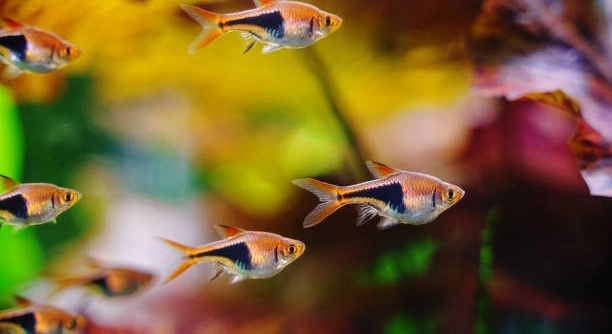
Have you ever noticed your rasboras swimming closely together and wondered about their social habits? These small, colorful fish are known for being active in groups, making their tank a lively environment to watch. Rasboras are social creatures that thrive in groups, and prolonged isolation can lead to stress, reduced activity, and changes in behavior, … Read more
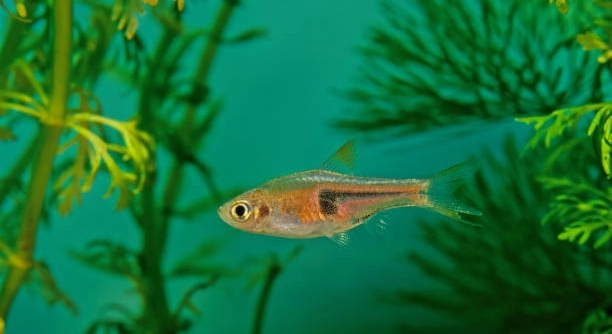
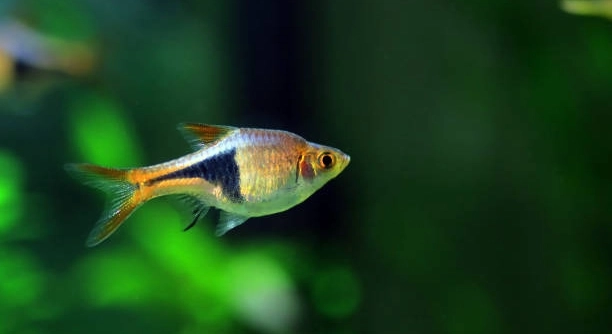
7 Reasons Rasboras Might Stop Exploring

Have you ever noticed your rasboras staying in one spot instead of swimming around the tank? These tiny fish are usually active and curious, making it unusual when they suddenly reduce their exploration and movement inside their environment. Rasboras may stop exploring due to stress, illness, poor water quality, insufficient space, improper diet, lack of … Read more

Are Rasboras Affected by Algae Growth?

Rasboras are small, peaceful fish that brighten up any aquarium. They are active swimmers and enjoy well-planted tanks, often adding movement and color that makes the aquarium feel lively and natural. Their behavior and health are important to observe. Algae growth can affect rasboras indirectly by altering water quality and oxygen levels. Excessive algae may … Read more

7 Tank Dangers New Rasbora Owners Miss

New Rasbora owners often focus on choosing the right tank size and decorations but overlook hidden dangers. Even small mistakes in water quality, temperature, and tank mates can affect the fish’s health and happiness. The most common tank dangers new Rasbora owners miss include poor water quality, incorrect temperature, overfeeding, aggressive tank mates, inadequate hiding … Read more

7 Tips for Introducing Rasboras to a Cycle

Have you ever considered how gently introducing rasboras into a cycling aquarium supports calm behavior and steady adaptation while protecting water balance, beneficial bacteria, and long term fish health for new and experienced aquarists alike. Introducing rasboras during a cycle requires controlled stocking, stable temperature, and careful monitoring of ammonia and nitrite levels. Gradual acclimation … Read more

Can Rasboras Thrive in a Divided Tank?

Have you ever considered how a divided aquarium affects small schooling fish like rasboras, especially when space, water flow, and daily behavior all change within a shared but separated tank environment over long periods time. Rasboras can thrive in a divided tank when water quality, visual barriers, and swimming space are carefully managed. Stable parameters, … Read more

What Happens When Rasboras Get Overfed?

Feeding rasboras can feel simple, yet small habits matter more than expected in a home aquarium. Overfeeding is common and often overlooked, quietly affecting water quality, fish behavior, and long term health in subtle ways. Overfeeding rasboras leads to digestive stress, reduced activity, and increased waste production. Excess food decomposes rapidly, degrading water quality and … Read more

How to Calm Rasboras After a Tank Change

Changing a tank can be stressful for rasboras, leaving them skittish and unsettled. Their small size and sensitive nature make them react quickly to new surroundings, water conditions, and unfamiliar sounds in their environment. The most effective way to calm rasboras after a tank change is by minimizing sudden movements and disturbances while maintaining stable … Read more

7 Water Parameters That Keep Rasboras Healthy

Rasboras are small, peaceful fish that brighten up any aquarium. Keeping them healthy requires more than just feeding them regularly. Their environment plays a big role in their overall wellbeing and longevity in your tank. Maintaining proper water parameters is essential for rasboras’ health. Key factors include temperature, pH, hardness, ammonia, nitrite, nitrate, and oxygen … Read more

7 Signs Rasboras Aren’t Getting Along

Are your rasboras showing tension in the tank, with subtle changes in behavior that feel off during daily feeding and swimming times, causing concern for harmony and overall fish well being within shared aquarium environments. Rasboras are not getting along when social stress manifests through chasing, fin nipping, hiding, disrupted schooling, and uneven feeding access. … Read more