
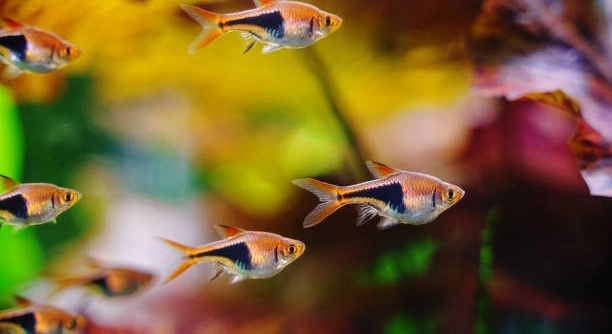
Rasboras are small, peaceful fish that brighten up any aquarium. Keeping them healthy requires more than just feeding them regularly. Their environment plays a big role in their overall wellbeing and longevity in your tank.
Maintaining proper water parameters is essential for rasboras’ health. Key factors include temperature, pH, hardness, ammonia, nitrite, nitrate, and oxygen levels. Monitoring and adjusting these parameters ensures stable conditions, reducing stress and preventing disease, which promotes optimal growth and vibrant coloration.
Knowing which water parameters matter most will help you care for your rasboras effectively. Understanding these elements can make a noticeable difference in their behavior and appearance.
Temperature
Rasboras are tropical fish and thrive in warm water. Their ideal temperature range is between 72°F and 78°F. Maintaining this range helps them stay active and reduces stress. Sudden drops or spikes can cause illness or weaken their immune system. Using a reliable heater and thermometer makes it easier to keep the water stable. It’s also important to avoid placing the tank near drafts, air conditioners, or windows that receive direct sunlight. Consistency matters more than exact numbers. Observing your fish can tell you if the temperature is comfortable; lethargic or clamped fins are signs it may be too low. Gradual adjustments are safest if changes are needed. Heating the water slowly prevents shock, which can be fatal for small fish like rasboras. Even minor fluctuations over time can lead to long-term health problems, so careful monitoring is essential. A stable temperature encourages feeding, activity, and overall wellbeing.
Maintaining a consistent temperature keeps rasboras active and healthy, reducing stress and helping prevent disease.
Proper temperature management allows rasboras to display natural behaviors and vibrant colors. Sudden changes can trigger stress responses, affect metabolism, and lower their resistance to infections. A tank heater with a thermostat ensures stability, while placement away from drafts or direct sunlight prevents unwanted fluctuations. Gradual changes when adjusting the temperature are important to avoid shock, as small fish like rasboras are sensitive. Observing their activity levels and fin condition can indicate if the water is comfortable.
pH Level
Rasboras prefer slightly acidic to neutral water, usually between 6.0 and 7.0.
Maintaining the correct pH ensures proper digestion, healthy growth, and vibrant coloration.
pH measures how acidic or alkaline water is, and even minor shifts can affect rasboras. Tap water often requires testing before adding to the tank. Using natural decorations like driftwood or peat can gently lower pH, while crushed coral or limestone increases it. Sudden swings are harmful, so it’s important to adjust gradually. Frequent testing helps detect changes early, especially after water changes or adding new fish. Stable pH reduces stress and prevents common health issues. Keeping the pH in range supports breeding and normal activity, creating a safe environment where rasboras thrive. Understanding your water source and how it interacts with tank materials makes it easier to maintain balance. Consistency is key, as rasboras do not tolerate rapid or extreme shifts well.
Water Hardness
Rasboras do best in soft to moderately hard water, usually between 2 and 12 dGH. Hard water can stress them, while too soft water may affect their overall health. Monitoring hardness helps keep their environment stable and comfortable.
Water hardness refers to the level of calcium and magnesium in the water. Too much hardness can make it difficult for rasboras to regulate their bodily functions, while too little can affect bone development and overall strength. Using a water test kit allows you to track hardness levels and make small adjustments when necessary. Adding minerals slowly or using reverse osmosis water can help achieve the right balance. Keeping hardness stable prevents stress and encourages normal swimming, feeding, and coloration.
Maintaining proper hardness also supports plant growth in the tank, which contributes to a healthier ecosystem. Plants help absorb excess nutrients and provide hiding spots, reducing stress for rasboras. Balancing hardness with other parameters like pH and temperature ensures the tank remains stable. A gradual approach when adjusting water chemistry prevents sudden changes that can shock the fish. Observing your fish’s activity and overall condition can indicate if the hardness is within a comfortable range, helping you make necessary corrections in time.
Ammonia Levels
Ammonia must always be kept at 0 ppm to prevent harm to rasboras.
Ammonia is toxic and can damage gills, reduce oxygen intake, and weaken immunity. Even small amounts are dangerous. Regular testing and proper filtration are necessary to avoid accumulation.
Ammonia comes from uneaten food, fish waste, and decaying plants. In a new tank, it can spike quickly before beneficial bacteria establish. Using a quality filter and performing regular water changes helps keep levels at zero. Test kits allow frequent monitoring, so any increase can be addressed immediately. Overfeeding is a common cause of ammonia buildup, so feeding small amounts that are eaten within a few minutes is recommended. Keeping ammonia at safe levels prevents stress, fin damage, and disease. It also ensures rasboras remain active, feed well, and develop their bright colors. Maintaining a clean tank and monitoring water chemistry are essential steps in preventing toxic ammonia exposure, supporting both the health of the fish and the overall tank environment.
Nitrite Levels
Nitrite should always be at 0 ppm for rasboras. Any presence can harm their blood’s ability to carry oxygen.
Even small nitrite amounts can cause stress, lethargy, and breathing problems. Regular testing and consistent water changes prevent dangerous spikes and protect their health.
Nitrate Levels
Nitrate is less harmful than ammonia or nitrite but should stay below 20 ppm. Higher levels can weaken rasboras’ immune systems over time. Frequent partial water changes help keep nitrate low, along with live plants that absorb excess nutrients. Maintaining stable nitrate ensures healthier growth, brighter colors, and more active behavior.
Oxygen Levels
Proper oxygenation is crucial for rasboras’ survival. They rely on dissolved oxygen for respiration and energy.
Too low oxygen slows metabolism and can lead to stress or death. Using an air stone, filter, or plants helps maintain adequate oxygen levels in the tank consistently.
FAQ
What is the best water temperature for rasboras?
Rasboras thrive in water between 72°F and 78°F. Keeping the temperature consistent is more important than hitting an exact number. Sudden changes can stress them, reduce their immune response, and make them more vulnerable to disease. Using a reliable heater and thermometer ensures the tank stays stable.
How often should I test the water?
Water testing should be done at least once a week. Key parameters include ammonia, nitrite, nitrate, pH, hardness, and temperature. Regular testing helps detect problems early, allowing adjustments before fish health is affected. Consistency is crucial for preventing stress and maintaining a safe environment.
Can rasboras tolerate hard water?
They prefer soft to moderately hard water, between 2 and 12 dGH. Hard water can affect their bodily functions, while very soft water can influence growth. Adjust hardness gradually using minerals or reverse osmosis water if needed. Monitoring hardness helps maintain stable conditions.
What is the ideal pH level?
Rasboras do best in slightly acidic to neutral water, around 6.0 to 7.0. Sudden pH swings can be stressful and affect digestion. Using natural elements like driftwood or peat can help lower pH, while crushed coral or limestone can raise it. Stability matters more than exact numbers.
How dangerous is ammonia?
Ammonia is highly toxic, even at small amounts. It can damage gills, reduce oxygen intake, and weaken immunity. Proper filtration, regular water changes, and avoiding overfeeding are essential to keep ammonia at 0 ppm. Testing frequently prevents harmful spikes.
Are nitrates harmful to rasboras?
Nitrates are less toxic but should stay below 20 ppm. High nitrate levels can stress fish and weaken their immune systems over time. Partial water changes and live plants help control nitrate levels. Maintaining low nitrate supports growth, color, and activity.
What signs indicate low oxygen levels?
Low oxygen can cause rapid gill movement, lethargy, gasping at the surface, or erratic swimming. Proper aeration using filters, air stones, or plants maintains dissolved oxygen. Stable oxygen levels prevent stress and support normal metabolism and energy.
How do I safely adjust water parameters?
Any change should be gradual. Rapid shifts in temperature, pH, hardness, or chemicals can shock rasboras. Introduce adjustments slowly over several hours or days and monitor fish behavior. Observing activity, feeding, and fin condition helps confirm the tank is stable.
Can I mix rasboras with other fish if water parameters vary?
Compatibility depends on overlapping needs. Rasboras prefer slightly acidic, soft water, moderate temperatures, and high oxygen. Mixing them with species that need different conditions can stress both fish. Choose tankmates with similar water requirements to maintain health and activity.
How often should I do water changes?
Partial water changes of 20-30% weekly are recommended. They remove excess waste, reduce ammonia and nitrate, and stabilize water parameters. Larger or more frequent changes may be needed in heavily stocked tanks or during parameter fluctuations. Regular maintenance keeps the tank environment safe and consistent.
What role do live plants play in water quality?
Live plants help absorb nitrates, provide oxygen, and offer hiding spots. They contribute to a balanced ecosystem and reduce stress. Plants also stabilize pH slightly and can buffer minor changes in water chemistry, creating a healthier environment for rasboras.
Can sudden parameter changes kill rasboras?
Yes, abrupt changes in temperature, pH, hardness, or oxygen can be fatal. Rasboras are sensitive to their environment, so gradual adjustments are critical. Observing fish behavior during changes helps ensure they are adapting safely.
How do I prevent ammonia spikes in a new tank?
Ammonia spikes often occur before beneficial bacteria establish. Cycling the tank before adding rasboras, avoiding overfeeding, and using biofilters helps keep ammonia at 0 ppm. Regular testing during the first weeks ensures early detection and intervention.
Is it necessary to use a water conditioner?
Yes, conditioners neutralize chlorine, chloramine, and heavy metals in tap water, which can harm rasboras. Always treat new water before adding it to the tank. This protects gills, reduces stress, and supports overall health.
What equipment is essential for maintaining water quality?
A reliable heater, thermometer, filter, air stone, and test kits are essential. The heater keeps temperature stable, the filter removes waste, air stones maintain oxygen, and test kits monitor parameters. Regular use of this equipment ensures a healthy environment.
How can I tell if water parameters are ideal?
Healthy, active rasboras with bright colors, normal feeding, and smooth swimming indicate suitable water conditions. Lethargy, clamped fins, or erratic behavior often signal stress or parameter imbalances, requiring immediate attention.
How important is consistency in water parameters?
Consistency is critical. Rasboras are sensitive to sudden changes, which can trigger stress, illness, or death. Regular testing, careful adjustments, and routine maintenance help maintain stable conditions, ensuring long-term health, activity, and vibrant coloration in the tank.
Can overfeeding affect water quality?
Yes, uneaten food decomposes, increasing ammonia, nitrite, and nitrate levels. Feed small amounts that are eaten within minutes. Avoid excess food to maintain water stability and reduce the risk of toxic buildup. Monitoring feeding habits supports both health and water quality.
Do decorations and substrate affect water parameters?
Yes, driftwood, rocks, and substrate can alter pH and hardness. Certain materials lower pH, while others increase it. Choosing natural, inert decorations and monitoring their effects helps maintain stable conditions suitable for rasboras.
Are there signs of stress from poor water quality?
Signs include clamped fins, erratic swimming, gasping at the surface, loss of color, and reduced feeding. Detecting stress early allows corrective action to prevent illness and improve tank conditions. Observing fish daily helps identify potential water issues promptly.
How long does it take for rasboras to adapt to new water?
Adaptation depends on the difference between old and new parameters. Small, gradual changes over hours to days help them acclimate safely. Using drip acclimation or slow introduction prevents shock and promotes healthier adjustment.
What is the most common mistake with water maintenance?
The most common mistake is neglecting regular testing and water changes. Ignoring ammonia, nitrite, nitrate, or pH levels allows harmful conditions to develop. Consistent monitoring and maintenance prevent stress and disease, keeping rasboras healthy.
Can live plants replace water testing?
Plants help absorb excess nutrients but do not replace testing. Water chemistry can still shift unexpectedly. Test kits are necessary to ensure parameters like ammonia, nitrite, nitrate, and pH remain within safe ranges for rasboras.
Is it safe to use tap water without treatment?
No, tap water contains chlorine, chloramine, and metals that are harmful. Always use a water conditioner to neutralize these chemicals before adding water to the tank. This protects gills and supports overall fish health.
Can small tanks maintain stable water parameters?
Small tanks are more prone to rapid parameter swings due to lower water volume. Frequent testing, careful feeding, and regular water changes are essential to keep conditions safe and consistent. Stability is harder to achieve but equally important for rasboras.
How do I know if my filtration is adequate?
Proper filtration maintains clear water, removes waste, and supports beneficial bacteria. Strong water flow isn’t always necessary for rasboras, but sufficient mechanical and biological filtration ensures ammonia and nitrite remain at 0 ppm. Observing water clarity and fish behavior indicates filter efficiency.
What is the role of aeration in a rasbora tank?
Aeration ensures dissolved oxygen levels remain adequate, supporting respiration and activity. Filters, air stones, or live plants help maintain oxygen. Low oxygen slows metabolism, stresses fish, and can lead to health issues, making aeration essential for a healthy tank.
Can adding too many fish affect water parameters?
Yes, overstocking increases waste, raising ammonia, nitrite, and nitrate levels quickly. Rasboras need space and clean water. Maintaining appropriate stocking levels prevents stress, reduces disease risk, and keeps water parameters stable.
What is the best way to handle water changes?
Perform partial water changes of 20-30% weekly. Use treated water with matching temperature, pH, and hardness to avoid shock. Gradual changes prevent stress and keep ammonia, nitrite, and nitrate at safe levels, supporting overall tank health.
Do rasboras need specialized water for breeding?
Yes, breeding often requires slightly softer, more acidic water. Stable temperature and clean water encourage spawning. Adjustments should be gradual, and live plants or spawning mops can provide shelter for eggs and fry.
How important is daily observation of rasboras?
Daily observation allows early detection of stress, disease, or parameter changes. Noticing behavior, feeding, and coloration helps address issues quickly. Consistent monitoring is one of the simplest ways to maintain healthy water conditions and a thriving tank environment.
Can medications affect water parameters?
Some medications alter pH, hardness, or biological filtration. Always follow instructions and monitor water chemistry during treatment. Removing activated carbon temporarily and testing frequently helps prevent accidental stress from chemical shifts.
How do seasonal changes affect water quality?
Seasonal temperature or humidity changes can impact room temperature and tank water. Adjust heaters and monitor parameters more closely during hot or cold months. Small adjustments prevent stress caused by environmental fluctuations and maintain stable conditions year-round.
What is the best approach if a parameter goes out of range?
Correct issues gradually, using water changes or chemical adjustments as needed. Avoid sudden swings. Monitor fish closely and test frequently to ensure levels return to the safe range. Patience and careful intervention prevent shock and long-term health problems.
How long does it take to fully stabilize a tank?
A fully cycled tank can take 4-6 weeks. Beneficial bacteria need time to establish to process ammonia and nitrite effectively. Patience during this period is crucial to create a stable, healthy environment for rasboras.
Can lighting affect water parameters?
Indirectly, yes. Excessive lighting can increase temperature or algae growth, affecting oxygen and nitrate levels. Moderate, consistent lighting helps maintain stability while supporting plant growth and fish wellbeing.
How can I track multiple parameters efficiently?
Use reliable test kits for ammonia, nitrite, nitrate, pH, and hardness. Keep a log to monitor trends over time. This helps identify gradual changes before they stress the fish and allows for informed, timely adjustments.
Is it safe to use chemical water additives?
Some additives help adjust pH, hardness, or remove toxins. Use sparingly and follow instructions carefully. Sudden overuse can shock rasboras or disrupt beneficial bacteria, so slow, controlled application is essential.
Do substrate choices affect water chemistry?
Yes, certain substrates can alter pH and hardness. Inert substrates are safest for stability, while mineral-rich ones can raise hardness or pH. Testing after introducing substrate ensures parameters remain suitable for rasboras.
How does overfeeding relate to ammonia and nitrite spikes?
Uneaten food decomposes, producing ammonia and nitrite. Feeding small amounts prevents waste buildup, keeping water stable. Observing how quickly food is consumed helps manage feeding amounts effectively.
Can decorations trap debris and affect water quality?
Yes, complex decorations can trap waste, leading to localized ammonia or nitrite spikes. Regular cleaning and careful placement help prevent buildup and maintain even water quality throughout the tank.
What is the safest method to acclimate new rasboras?
Drip acclimation or slow introduction over one to two hours prevents shock from differences in temperature, pH, or hardness. Gradual adaptation reduces stress and improves survival rates in a new tank environment.
How important is tank size for stable water parameters?
Larger tanks buffer against sudden parameter swings, while small tanks are more sensitive. Adequate water volume helps maintain temperature, pH, and oxygen, providing a safer, more stable environment for rasboras.
Can water from different sources be mixed safely?
Yes, if parameters are similar. Test both sources and adjust gradually if needed. Rapid changes in pH, hardness, or temperature can stress or harm rasboras, so careful mixing is essential.
Are floating plants useful for water stability?
Floating plants shade the tank, reduce temperature fluctuations, and absorb nutrients. They contribute to oxygenation and reduce algae growth, indirectly supporting stable water parameters and a healthier environment.
How long should I observe after making parameter adjustments?
Observe for at least 24-48 hours after any change. Watch for stress signs like clamped fins, gasping, or reduced feeding. Immediate action may be needed if the fish show adverse reactions to the adjustments.
Can frequent small changes be better than occasional large changes?
Yes, gradual, small adjustments reduce stress and prevent shock. Sudden, large changes in temperature, pH, or hardness can harm rasboras, even if the final values are ideal. Patience ensures long-term health and stability.
How do I balance multiple parameters at once?
Adjust one parameter at a time when possible. Sudden simultaneous changes can stress fish. Monitor the impact of each adjustment and allow the tank to stabilize before making the next change. Careful sequencing maintains safety and health.
Is tap water always safe after conditioning?
Conditioned tap water neutralizes chlorine, chloramine, and metals, making it safe for rasboras. Always confirm temperature, pH, and hardness match the tank before adding. Proper conditioning supports stable, healthy water.
Can overuse of fertilizers affect rasboras?
Yes, excessive plant fertilizers can raise nitrate or alter pH. Use according to instructions and monitor water chemistry. Balanced fertilization supports plant growth without compromising rasboras’ health.
What is the role of substrate depth in water quality?
Deep substrate can trap debris, producing ammonia or nitrite. Shallow substrate or regular vacuuming prevents buildup, helping maintain stable parameters. Proper substrate management reduces risk of hidden water quality problems.
How do I maintain stability during vacations?
Increase aeration and ensure the filter runs reliably. Partial water changes before leaving and proper feeding schedules reduce risks. Using automatic feeders and asking someone to check water parameters can help prevent sudden problems while away.
How can I prevent pH swings from tap water?
Pre-test tap water and adjust gradually using buffers or conditioners. Letting water sit for 24 hours before adding may reduce chlorine effects. Consistent, treated water prevents sudden pH shifts that stress rasboras.
Can water changes alone maintain all parameters?
Water changes help control ammonia, nitrite, nitrate, and partially stabilize pH and hardness. They are necessary but may not address all issues. Monitoring and occasional adjustments ensure complete parameter management for rasboras.
Do temperature fluctuations affect other parameters?
Yes, higher temperatures reduce dissolved oxygen and can speed ammonia production. Cooler temperatures may slow metabolism and bacterial activity. Maintaining stable temperature supports overall water chemistry balance and fish health.
How do I deal with algae affecting water quality?
Algae compete for nutrients and oxygen. Removing excess growth, reducing light, and maintaining proper nutrient balance helps control algae. Stable water parameters prevent rapid algae blooms and maintain a healthier environment for rasboras.
Are test strips accurate for monitoring water parameters?
Test strips provide a general idea but can be less precise than liquid test kits. Use high-quality kits for critical parameters like ammonia, nitrite, and pH to ensure reliable results and safe conditions.
How does tank size influence oxygen levels?
Larger tanks hold more dissolved oxygen and buffer against rapid drops. Small tanks require more attention to aeration and water movement to maintain adequate oxygen for rasboras.
Can substrate type affect hardness?
Yes, mineral-rich substrates can raise hardness, while inert substrates maintain stability. Monitoring and testing after adding substrate ensures rasboras remain in suitable conditions.
Is it necessary to quarantine new fish?
Yes, quarantining prevents introducing diseases or parasites. Observing new fish in a separate tank allows monitoring for ammonia, nitrite, and pH sensitivity before adding them to the main tank.
Do decorations release chemicals into water?
Some decorations, especially painted or synthetic materials, may leach toxins or affect pH. Using natural or aquarium-safe decorations reduces the risk of harmful water parameter changes.
Can fluctuations in room temperature affect rasboras?
Yes, room temperature changes can influence tank temperature and oxygen levels. Maintaining consistent ambient conditions or adjusting heaters and aeration helps stabilize the tank environment.
How do I measure dissolved oxygen effectively?
Use test kits or oxygen meters to check levels. Observing fish behavior also helps; gasping at the surface indicates low oxygen. Proper aeration ensures safe levels for rasboras.
What is the impact of overstocking on pH?
Overstocking increases waste, raising ammonia and nitrate, which can affect pH stability. Maintaining appropriate numbers prevents rapid parameter shifts and keeps water suitable for rasboras.
Can feeding live food affect water quality?
Yes, live food can increase waste and nutrient levels. Remove uneaten portions and monitor ammonia, nitrite, and nitrate after feeding to prevent spikes and maintain stable water parameters.
Is it okay to mix tap water with filtered water?
Yes, if parameters are compatible. Test both sources and make adjustments gradually to avoid sudden changes in pH, hardness, or temperature that could stress rasboras.
How often should I clean the filter?
Clean the filter monthly or as needed, avoiding complete replacement of media at once. Partial cleaning maintains beneficial bacteria, which help control ammonia and nitrite while keeping water stable.
Can air stones improve water circulation and oxygen?
Yes, air stones increase surface agitation, improving oxygenation and water movement. Combined with filtration, they help maintain dissolved oxygen and support stable, healthy conditions.
How do I know when nitrates are too high?
Signs include algae blooms, lethargic fish, and reduced feeding. Test kits confirm levels above 20 ppm. Frequent water changes and plant absorption keep nitrates in a safe range.
Do live plants help control ammonia?
Yes, they absorb some ammonia and nitrates as nutrients, helping reduce toxic buildup. Combining plants with proper filtration improves overall water quality and stability.
Is it necessary to match water temperature when adding new water?
Yes, mismatched temperature can shock rasboras. Always ensure replacement water is similar in temperature to prevent stress and maintain stability.
Can rapid pH changes kill rasboras?
Yes, sudden pH shifts can cause shock, stress, or death. Gradual adjustments and careful monitoring are essential to prevent harmful changes.
How do I ensure stable water hardness over time?
Regular testing, gradual adjustments, and using consistent water sources help maintain stable hardness. Avoid sudden mineral additions to prevent stress on rasboras.
**Are floating plants better
Rasboras are small fish, but they require careful attention to their environment to stay healthy. Water quality is one of the most important aspects of keeping them in good condition. Monitoring temperature, pH, hardness, ammonia, nitrite, nitrate, and oxygen ensures they live in a stable and comfortable habitat. Each parameter affects their health, behavior, and coloration, so paying attention to even small changes can prevent stress and illness. Consistency is more important than perfection. Sudden fluctuations in any of these factors can cause problems quickly, especially for sensitive species like rasboras. By establishing a routine for testing water and performing maintenance, you create a safe and supportive environment where your fish can thrive.
Regular observation is another key part of caring for rasboras. Watching their behavior, swimming patterns, and feeding habits can reveal early signs of stress or water issues. Healthy rasboras are active, swim together harmoniously, and display bright, vibrant colors. If you notice clamped fins, lethargy, or gasping at the surface, it often indicates that something in their environment is off. Observing daily and noting any changes allows you to address potential problems before they become serious. Combining careful monitoring of both water parameters and fish behavior gives a full picture of the tank’s condition and ensures that any adjustments are made safely and effectively.
Creating a stable and balanced environment benefits not only the rasboras but also the overall tank ecosystem. Proper water quality supports plant growth, reduces algae overgrowth, and maintains a cleaner habitat. Using natural decorations, live plants, and appropriate substrate can help stabilize pH and hardness while providing hiding spots for the fish. Additionally, maintaining a regular schedule of partial water changes, careful feeding, and filter maintenance keeps the water safe and reduces the risk of harmful chemical buildup. Understanding the needs of rasboras and respecting the small details of their care results in happier, healthier fish. By following these principles, your tank can remain a thriving, calm environment that promotes long-term health and vibrant activity for your rasboras.

Hello,
If you enjoy the content that we create, please consider saying a "Thank You!" by leaving a tip.
Every little bit helps us continue crafting quality advice that supports the health, happiness, and well-being of pets around the world, for pets of all shapes, sizes, and species.
We really appreciate the kindness and support that you show us!