
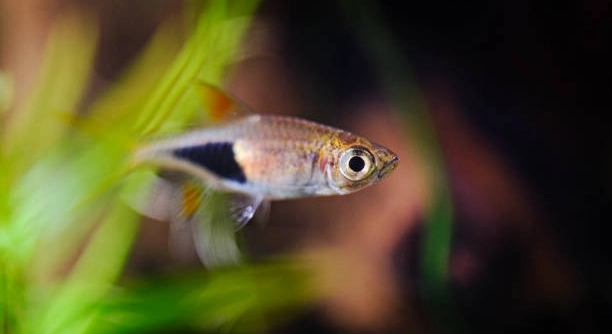
New Rasbora owners often focus on choosing the right tank size and decorations but overlook hidden dangers. Even small mistakes in water quality, temperature, and tank mates can affect the fish’s health and happiness.
The most common tank dangers new Rasbora owners miss include poor water quality, incorrect temperature, overfeeding, aggressive tank mates, inadequate hiding spots, improper filtration, and sudden environmental changes. Each factor can lead to stress, disease, or even death if ignored.
Recognizing these issues early helps ensure your Rasboras thrive and reduces long-term problems in their aquatic environment.
Poor Water Quality
Rasboras are sensitive to water changes and chemical imbalances. Many new owners don’t test their water regularly, assuming tap water is safe. Ammonia and nitrite spikes can happen quickly in small tanks. Even a slightly high nitrate level stresses the fish. Filtration is essential, but filters must be cleaned without disturbing beneficial bacteria. Chlorine or chloramine in tap water can be deadly if left untreated. Temperature swings and leftover food also worsen water quality. Observing your fish daily can help catch early signs of stress. Signs like faded colors, clamped fins, or hiding more often often point to water problems. Frequent partial water changes and a reliable test kit are practical ways to maintain a stable environment. Overlooking water quality can make all other care efforts ineffective, as stressed Rasboras are more susceptible to disease and less likely to thrive.
Testing water and performing regular partial water changes keeps Rasboras healthy and active in their tank.
Maintaining clean water means more than just changing water. It requires monitoring pH levels, ammonia, nitrites, and nitrates consistently. Even minor fluctuations affect Rasboras significantly, weakening their immune system. Using a gentle gravel vacuum helps remove uneaten food and waste without disturbing tank life. Filters should run continuously but need periodic cleaning to prevent clogs and ensure proper circulation. Avoid strong chemicals or soaps when cleaning decorations, as residues can harm the fish. Tank size also influences water stability; smaller tanks fluctuate faster, so careful monitoring is critical. Observing behavior and appearance provides clues to hidden water issues. With consistent care, Rasboras display brighter colors, swim confidently, and live longer. A little attention each week saves hours of troubleshooting later.
Incompatible Tank Mates
Introducing aggressive or large fish can harm Rasboras. They thrive in peaceful, small groups.
Choosing tank mates requires research and observation. Rasboras are schooling fish, needing at least six to feel secure. Larger or aggressive species may nip fins, stress them, or outcompete them for food. Even similarly sized fish can behave unpredictably if the tank is too small or resources are scarce. Plants and hiding spots reduce conflicts but cannot replace proper compatibility. New owners often underestimate how quickly stress spreads in a community tank. Fish that seem calm at first may display aggression over time. Incompatible mates can also trigger illness due to chronic stress, making Rasboras more prone to infections. Careful planning of the tank’s population is crucial. Introducing new fish gradually and monitoring interactions can prevent accidents and loss. Maintaining a peaceful environment ensures Rasboras swim freely, feed properly, and show natural behaviors. Proper selection and arrangement of tank mates safeguard their health and promote a lively, balanced aquarium.
Overfeeding
Overfeeding is a common mistake in small Rasbora tanks. Extra food decays quickly, polluting water and stressing fish. Small, frequent feedings are more effective than giving too much at once.
Feeding Rasboras too much can lead to bloating, swim bladder issues, and obesity. Uneaten food breaks down into ammonia, which harms water quality and increases disease risk. Even healthy fish may become lethargic if overfed. A small pinch of high-quality flakes or micro pellets once or twice a day is usually enough. Observing how quickly the fish eat helps gauge proper portion sizes. Using a feeding ring or designated spot reduces wasted food. Overfeeding not only affects the fish but also increases maintenance needs, requiring more frequent water changes and cleaning. Maintaining moderation ensures healthier, active, and stress-free Rasboras.
Reducing feeding amounts gradually allows fish to adjust without stress. Supplementing with occasional live or frozen food provides nutrients while keeping portions under control. Avoid feeding right before water changes, as leftover food may be flushed into the filter or decompose rapidly. Monitoring body shape and behavior shows if feeding is adequate. Healthy Rasboras are energetic, swim evenly, and maintain bright coloration, while overfed fish may appear sluggish or develop visible bloating. Controlled feeding supports long-term tank stability and reduces health complications.
Sudden Environmental Changes
Rasboras are sensitive to sudden shifts in temperature, light, or water chemistry. Rapid changes cause stress, which can lead to illness or death if frequent.
Even small fluctuations in water temperature or pH can shock Rasboras. Moving them between tanks, adding new fish without acclimation, or sudden exposure to direct sunlight causes stress responses. Stress lowers immunity, making them prone to infections and slower recovery from minor injuries. Gradual adjustments and stable conditions are key.
Consistency in lighting, temperature, and water parameters prevents stress-related problems. Using a reliable heater, thermometer, and testing kit helps maintain stability. Sudden changes in feeding routines or introducing new decorations should also be minimized. Acclimating new fish using drip or floating methods prevents shock. Stable environments encourage natural swimming patterns, schooling behavior, and normal feeding. Protecting Rasboras from rapid changes ensures they remain vibrant, healthy, and confident in their tank.
Inadequate Hiding Spots
Rasboras feel secure when they have plants, rocks, or decorations to hide behind. Without these, they can become stressed, shy, or aggressive toward each other.
Providing dense foliage or small caves helps them reduce stress. Even a few well-placed decorations make a noticeable difference in their behavior.
Incorrect Temperature
Rasboras thrive in stable, moderate temperatures, usually between 72 and 78°F. Fluctuations or extreme heat and cold can cause illness, slowed metabolism, or even death.
Maintaining consistent temperature requires a reliable heater and thermometer. Sudden drops during water changes or using unheated tanks in cooler rooms can be dangerous. Observing your fish for signs of stress, such as clamped fins or lethargy, helps identify problems early. Gradual temperature adjustments during seasonal changes or tank relocations are safer. Avoid placing the tank near windows or vents that create rapid temperature swings. Consistency ensures healthy growth, active swimming, and proper feeding behavior. Regular checks prevent unnoticed drops or spikes that could compromise the Rasboras’ health.
Weak Filtration
A filter that cannot handle the tank size or bioload leads to poor water quality. Regular cleaning and proper selection prevent problems.
FAQ
How often should I change the water in my Rasbora tank?
Partial water changes of 20-25% once a week are usually sufficient for a small Rasbora tank. Larger tanks may need less frequent changes, but testing water parameters like ammonia, nitrite, and nitrate helps determine the exact schedule. Overchanging can also stress fish, so balance is key.
What is the ideal number of Rasboras to keep together?
Rasboras are schooling fish and feel secure in groups. A minimum of six is recommended, but larger groups create more natural swimming patterns and reduce stress. Smaller groups may appear shy, hide often, or develop behavioral problems. Proper tank size is also important to accommodate the school comfortably.
What should I feed my Rasboras?
High-quality flake or micro pellet food works well. Supplementing occasionally with frozen or live foods like daphnia, brine shrimp, or bloodworms adds variety and nutrients. Feed small amounts that the fish can consume in a few minutes to avoid overfeeding and maintain water quality.
Can Rasboras live with other fish?
Yes, but compatibility matters. Peaceful, small fish are ideal tank mates. Aggressive or larger fish may stress or harm Rasboras. Adding plenty of plants and hiding spots reduces conflict, but proper research before introducing any new fish is essential to prevent stress or injury.
How do I prevent disease in Rasboras?
Maintaining clean, stable water and avoiding sudden environmental changes reduces disease risk. Quarantining new fish before adding them to the main tank prevents the spread of illness. Observing for unusual behavior, faded colors, or clamped fins helps catch problems early. A balanced diet strengthens their immunity.
What temperature is best for Rasboras?
Keep the water between 72 and 78°F. Avoid sudden changes or exposing the tank to drafts, direct sunlight, or heaters that create uneven heat. Stable temperature helps Rasboras swim actively, feed properly, and reduce stress-related illnesses. Use a reliable heater and thermometer for monitoring.
Do Rasboras need plants in their tank?
Yes, plants offer hiding spots and reduce stress. They create a more natural environment, help with water quality, and make fish feel secure. Live plants also provide oxygen and absorb some waste. Artificial plants work too but do not offer the same benefits for water stability.
How can I tell if my Rasboras are stressed?
Signs include clamped fins, hiding constantly, faded colors, erratic swimming, or reduced appetite. Stress often results from poor water quality, incompatible tank mates, overfeeding, or sudden environmental changes. Addressing the cause promptly prevents long-term health issues.
Is a heater necessary for a Rasbora tank?
Yes, especially in cooler climates. Rasboras need stable temperatures to remain healthy. Sudden drops can lead to illness or lethargy. Using a heater with a thermostat ensures consistent warmth, while regular monitoring prevents unnoticed fluctuations.
How long do Rasboras typically live?
With proper care, Rasboras live around 3-5 years. Stable water conditions, a balanced diet, and a stress-free environment are crucial for reaching their lifespan. Overfeeding, poor water quality, or aggressive tank mates can shorten their life significantly.
Can Rasboras breed in a home aquarium?
Yes, but conditions must mimic natural breeding environments. Provide soft, slightly acidic water, plenty of plants for hiding eggs, and separate them from other fish that might eat the fry. Temperature and water quality must remain stable for successful spawning.
What is the best way to acclimate new Rasboras?
Float the bag in the tank for 15-20 minutes, gradually mixing tank water into the bag every few minutes. This prevents shock from sudden temperature or water chemistry changes. After acclimation, gently release the fish to minimize stress.
How do I choose a filter for a Rasbora tank?
Select a filter rated for your tank size and bioload. Gentle flow is better, as strong currents stress Rasboras. Filters remove debris and support beneficial bacteria, maintaining water quality. Regular cleaning ensures consistent performance without harming the tank’s balance.
Can Rasboras tolerate tap water?
Yes, if treated properly. Chlorine and chloramine must be removed using a water conditioner. Testing pH and hardness helps maintain safe parameters. Untreated tap water can harm or kill Rasboras, especially in small or newly set-up tanks.
Are Rasboras good for beginners?
Yes, they are hardy but require attention to water quality, temperature, and compatible tank mates. They are peaceful and active, making them enjoyable to observe. Proper planning, consistent care, and monitoring prevent common mistakes new owners make.
Do Rasboras need a lid on the tank?
A lid is recommended because Rasboras are small and can jump when startled. It also helps maintain stable temperature and reduces evaporation, contributing to better overall water quality and a safer environment for the fish.
How often should I test water parameters?
Weekly testing is ideal for ammonia, nitrite, nitrate, and pH. More frequent checks are needed in new tanks or if problems arise. Monitoring ensures stable conditions, helps detect hidden issues early, and supports the health and longevity of Rasboras.
Can I keep Rasboras in a small tank?
Small tanks under 10 gallons are possible but harder to maintain stable water conditions. Stress and water fluctuations happen faster. At least 10 gallons is recommended for a small school, with proper filtration, plants, and monitoring to ensure a healthy environment.
What should I do if a Rasbora becomes sick?
Isolate the sick fish in a quarantine tank if possible. Check water quality, remove stress factors, and use appropriate treatment based on symptoms. Early intervention prevents disease from spreading and increases the chances of recovery. Observation and care are key.
How can I encourage Rasboras to swim actively?
Provide enough space, a gentle current, and a small school. Well-placed plants and decorations create safe areas for exploring. Consistent feeding, stable temperature, and proper lighting also promote natural swimming patterns and reduce stress-related hiding behavior.
Is lighting important for Rasboras?
Yes, moderate lighting supports plants and allows natural coloration to show. Too bright light can stress fish, while too little reduces activity and affects plant growth. A balanced photoperiod of 8-10 hours helps maintain their natural rhythm and behavior.
Can Rasboras live with shrimp or snails?
Generally, yes. Peaceful shrimp and snails coexist well, adding interest and helping clean the tank. Avoid larger, aggressive species that may eat or stress Rasboras. Providing hiding spots ensures safety for both Rasboras and invertebrates.
Do Rasboras need aeration?
While not strictly necessary in well-filtered tanks, gentle aeration can improve oxygen levels, especially in heavily stocked or warmer tanks. Bubblers or air stones provide additional circulation, helping maintain healthy water and active, stress-free fish.
How can I reduce stress during tank maintenance?
Perform partial water changes slowly, avoid sudden temperature changes, and limit direct handling of fish. Keep filter and decorations clean without disturbing the tank too much. Maintaining a consistent routine prevents unnecessary stress and supports long-term health.
Are there signs of a healthy Rasbora?
Bright coloration, active swimming, regular schooling behavior, good appetite, and smooth fins indicate health. Observing their behavior daily helps catch early signs of illness, stress, or water issues, allowing prompt intervention. Healthy Rasboras are lively and confident in their environment.
What is the best way to introduce new fish?
Acclimate slowly, monitor interactions, and add them to a tank with sufficient hiding spots. Observe behavior for aggression or stress. Gradual introduction minimizes shock and ensures both new and existing Rasboras remain healthy and active.
How do I prevent overgrowth of algae in a Rasbora tank?
Balance lighting, avoid overfeeding, and maintain regular water changes. Adding live plants competes with algae for nutrients. Algae-eating fish or snails can help control growth without harming Rasboras, keeping the tank clean and visually appealing.
Can Rasboras survive in unheated tanks?
In warm climates, they may survive, but fluctuating temperatures can cause stress or illness. A stable temperature within their preferred range ensures health, normal feeding, and active swimming, reducing the risk of long-term problems.
Is it necessary to feed Rasboras at the same time every day?
Consistency helps maintain their natural rhythm and reduces competition. Feeding at roughly the same time supports digestion and encourages regular activity, making their behavior predictable and easier to monitor for health issues.
How do I handle a tank with multiple Rasbora species?
Ensure all species have compatible water parameters and temperaments. Avoid overcrowding and provide plenty of hiding spots. Careful monitoring prevents stress, aggression, and competition, allowing each species to thrive in the shared environment.
What should I do if a Rasbora stops eating?
Check water quality, temperature, and tank mates for stress factors. Offer a variety of foods, including live or frozen options, to stimulate appetite. Persistent refusal may indicate illness, requiring observation and possibly isolation for treatment.
Can Rasboras recognize their owner?
They respond to regular care and feeding routines, showing familiarity with movements near the tank. While not interactive in the same way as mammals, they can learn to associate your presence with food and safety, creating a more responsive and lively aquarium environment.
How do I keep a Rasbora tank stable during holidays or travel?
Arrange for someone experienced to maintain feeding and monitor water quality. Consider automated feeders for short periods. Avoid large water changes or adding new fish during absence, as sudden changes increase stress and risk of illness. Stability preserves their health.
Are there specific decorations Rasboras prefer?
Dense plants, small caves, and gentle-flow areas provide security. Floating plants or low-light areas reduce stress. Avoid sharp or rough decorations that could injure delicate fins. Thoughtful placement improves swimming freedom and comfort, promoting natural behavior and well-being.
Do Rasboras require a specific pH?
They prefer slightly acidic to neutral water, around 6.5-7.5. Sudden changes can stress them. Regular testing ensures safe levels, helping maintain healthy behavior, feeding, and immune response, which is critical for long-term survival and vitality.
How can I make my Rasboras show their best colors?
Stable water conditions, a nutritious diet, proper lighting, and low-stress environments enhance coloration. Bright, active Rasboras indicate health and well-being, reflecting balanced care and a suitable habitat. Vibrant colors also help in observing potential issues early.
Can Rasboras live in a planted versus bare tank?
Planted tanks offer hiding spots, reduce stress, improve water quality, and encourage natural behavior. Bare tanks are possible but may lead to more timid or stressed fish. Even minimal decorations improve confidence and swimming patterns.
Are Rasboras sensitive to chemicals?
Yes, medications, cleaning agents, and unconditioned tap water can harm them. Always use water conditioners and follow safe treatment guidelines. Avoid sudden chemical exposure to prevent stress, injury, or death. Proper handling ensures long-term health.
How important is tank size for Rasboras?
Adequate space allows natural schooling, reduces aggression, and helps maintain stable water parameters. Crowded tanks increase stress, disease risk, and poor swimming behavior. A minimum of 10 gallons for a small school is recommended, with more space being better.
What’s the best way to clean the substrate?
Use a gentle gravel vacuum during partial water changes. Avoid disturbing too much at once, which can stress fish and release harmful compounds. Regular cleaning removes waste, uneaten food, and maintains water quality without compromising the tank’s balance.
Can Rasboras tolerate different lighting cycles?
Consistent moderate lighting supports health and activity. Sudden or extreme changes can stress fish. An 8-10 hour light cycle balances natural behavior, plant growth, and overall tank stability, ensuring a calm environment for schooling and feeding.
Is it necessary to quarantine new Rasboras?
Yes, quarantining new fish prevents the spread of disease. Observing them for at least two weeks before adding to the main tank reduces risks, especially in small or densely stocked aquariums. It protects both new and existing fish.
How do I acclimate Rasboras to new water parameters?
Gradually mix tank water into the transport bag over 15-30 minutes. This prevents shock from pH, hardness, or temperature differences. Slow acclimation reduces stress, ensuring fish remain healthy and adapt smoothly to their new environment.
What signs indicate my Rasboras are happy?
Active schooling, bright colors, regular feeding, and exploration indicate contentment. Healthy Rasboras show curiosity without fear, maintain smooth fins, and swim evenly. Observing their natural behavior provides insight into water quality, tank setup, and overall well-being.
Can Rasboras jump out of the tank?
Yes, they can jump when startled. A secure lid prevents accidents, maintains stable temperature, and protects them from pets or other hazards. Jumping is more likely in stressed or overcrowded conditions, emphasizing safe, comfortable housing.
How do I reduce stress during tank rearrangements?
Move decorations slowly, maintain water stability, and avoid disturbing fish unnecessarily. Gradual changes in layout minimize stress and maintain confidence. Providing hiding spots throughout rearrangements helps Rasboras feel secure and adapt without behavioral issues.
Are Rasboras compatible with bettas?
Usually not ideal. Bettas can be territorial and nip fins, especially in smaller tanks. If housing together, monitor interactions closely, provide hiding spots, and ensure ample space, but risk remains high. Peaceful small fish are safer companions.
How can I prevent Rasboras from fighting?
Maintain a proper school size, provide hiding spots, and avoid overcrowding. Aggression often comes from stress, limited space, or incompatible tank mates. Consistent feeding and stable water conditions reduce tension, ensuring calm, active schooling behavior.
What is the best diet for vibrant colors?
High-quality flakes or micro pellets, supplemented with occasional live or frozen foods, promote bright colors. Variety ensures proper nutrition and supports overall health, helping Rasboras maintain energy, immune strength, and natural patterns.
Do Rasboras need a specific water hardness?
Soft to moderately hard water is preferred, around 5-12 dGH. Extreme hardness can stress fish and affect health. Regular testing ensures safe levels, maintaining comfortable conditions for swimming, feeding, and long-term survival.
Can Rasboras live with dwarf cichlids?
Usually not recommended. Even small cichlids can be territorial and aggressive. Peaceful, small community fish are safer options. Introducing cichlids may lead to stress, fin damage, or bullying, compromising Rasboras’ health and behavior.
How long does it take for Rasboras to acclimate to a new tank?
Typically 1-2 weeks, depending on water stability, tank setup, and school size. Monitoring behavior and feeding ensures proper adaptation. Gradual introduction and stable conditions help reduce stress and encourage normal swimming and social patterns.
Is it necessary to trim plants in a Rasbora tank?
Yes, regular trimming prevents overgrowth, improves circulation, and maintains hiding spots. Overgrown plants can block light, reduce swimming space, and trap debris, negatively affecting water quality and fish behavior. Controlled growth supports a healthy, stress-free environment.
Can Rasboras survive without a filter?
Technically possible in very lightly stocked tanks with frequent water changes, but risky. Filters stabilize water chemistry, provide oxygenation, and support beneficial bacteria. Proper filtration is highly recommended to ensure health, reduce maintenance stress, and prevent disease.
How can I encourage breeding in a home tank?
Provide soft, slightly acidic water, dense plants or spawning mops, and separate from other fish. Consistent temperature and clean water increase success. Feeding nutritious live or frozen foods improves readiness, and minimal disturbance helps Rasboras feel safe to spawn.
What’s the best way to monitor Rasbora health daily?
Observe swimming patterns, appetite, coloration, and social behavior. Check water parameters regularly and watch for signs of stress or illness. Early detection of abnormalities allows prompt action, reducing the risk of serious health problems or tank-wide issues.
Do Rasboras prefer a specific substrate?
Fine gravel or sand works best, as it’s safe for delicate fins and allows natural foraging behavior. Sharp or rough substrates can cause injury. A suitable substrate also supports plant growth and contributes to a natural, comfortable environment.
How do I reduce ammonia spikes in a new tank?
Cycle the tank before adding fish, use a test kit to monitor levels, and avoid overstocking. Partial water changes and careful feeding prevent accumulation. Beneficial bacteria in filters and substrate help process waste efficiently. Patience is essential to stabilize water chemistry safely.
Can Rasboras tolerate different lighting colors?
Moderate white or natural-colored light is best. Colored lighting may stress fish or obscure their coloration. Stable, consistent lighting supports plant growth, natural behavior, and stress reduction, helping Rasboras remain active and healthy.
Is it safe to add new fish while Rasboras are eating?
Yes, but avoid sudden introduction of large groups during feeding. Gradual acclimation reduces stress. Observing fish during feeding helps identify any aggression or territorial behavior, ensuring both new and existing Rasboras remain calm and healthy.
Do Rasboras need water movement?
Gentle water movement improves oxygenation and supports healthy filtration. Strong currents stress Rasboras and may inhibit natural swimming patterns. Adjust filter flow or add small pumps to maintain a comfortable environment.
How do I know if my Rasboras are schooling correctly?
They swim together in coordinated patterns, change direction smoothly, and maintain proximity to each other. Dispersed or isolated behavior may indicate stress, illness, or improper tank setup. Observing their group dynamics helps gauge overall well-being and tank conditions.
Can Rasboras live with guppies?
Yes, they are generally compatible. Both species are peaceful, small, and thrive in similar water conditions. Ensure adequate space, hiding spots, and proper feeding to prevent competition and maintain a calm, healthy community tank.
What should I avoid when cleaning a Rasbora tank?
Do not use harsh chemicals, soap, or sudden water changes. Avoid disturbing beneficial bacteria in the filter. Move decorations carefully to prevent stress. Gentle maintenance and partial water changes preserve stability and reduce risks to health.
Can Rasboras live with goldfish?
No, goldfish are larger, produce more waste, and can stress or harm Rasboras. They have different temperature and water quality requirements. Keeping Rasboras with small, peaceful tropical fish is safer and supports long-term health and behavior.
How often should I replace filter media?
Replace mechanical media monthly, while biological media should be rinsed gently in tank water to preserve beneficial bacteria
Rasboras are small, peaceful fish that bring life and movement to a home aquarium. Their care may seem simple at first, but there are several details new owners often miss. Water quality, temperature stability, and proper feeding are all critical to keeping Rasboras healthy. Even small mistakes can cause stress or illness, so paying attention to the environment is essential. Observing their behavior daily helps identify issues before they become serious. When fish are active, schooling naturally, and showing bright colors, it is a clear sign that they are comfortable in their tank. Maintaining a clean tank with a gentle filtration system ensures the water remains safe, reducing the risk of disease and promoting overall well-being.
Choosing compatible tank mates and providing hiding spots are also important for Rasboras. They are schooling fish, and having enough companions makes them feel secure. Aggressive or larger fish can cause stress or injury, so selecting peaceful species is essential. Plants, rocks, and small caves give them areas to retreat when they feel threatened or need rest. Even minimal decorations make a difference in reducing stress and encouraging natural behavior. Overfeeding is another common mistake; it affects water quality and can lead to health problems. Offering small portions once or twice a day prevents bloating and keeps the water cleaner, creating a safer environment for Rasboras to thrive.
Consistency is key in Rasbora care. Sudden changes in temperature, water chemistry, or lighting can stress fish and make them prone to illness. Gradual adjustments, proper acclimation of new fish, and stable routines support their health and longevity. Quarantining new arrivals, monitoring water parameters, and observing daily behavior are practical steps that prevent common problems. Even small efforts, like trimming plants and maintaining a proper feeding schedule, contribute to a healthy, balanced tank. By focusing on these basics, new owners can enjoy lively, colorful Rasboras while ensuring their long-term health and happiness. With attention to detail and patience, Rasboras can become a rewarding addition to any home aquarium, providing both visual appeal and the satisfaction of knowing they are well cared for.

Hello,
If you enjoy the content that we create, please consider saying a "Thank You!" by leaving a tip.
Every little bit helps us continue crafting quality advice that supports the health, happiness, and well-being of pets around the world, for pets of all shapes, sizes, and species.
We really appreciate the kindness and support that you show us!