
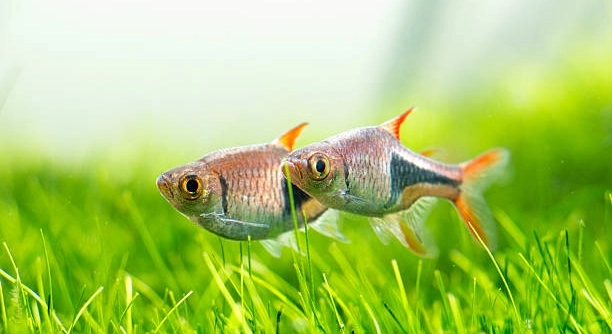
Have you ever considered how a divided aquarium affects small schooling fish like rasboras, especially when space, water flow, and daily behavior all change within a shared but separated tank environment over long periods time.
Rasboras can thrive in a divided tank when water quality, visual barriers, and swimming space are carefully managed. Stable parameters, gentle flow, and stress reduction measures allow normal schooling behavior and overall health to be maintained successfully over extended periods.
Tank layout, divider choice, and species needs all influence outcomes, shaping whether this setup supports calm behavior or causes stress.
Tank Division and Rasbora Behavior
Living with rasboras has taught me how sensitive they are to changes in their surroundings. A divided tank alters how they move, rest, and interact. Even with clear water, the divider itself can affect schooling patterns and stress levels. Rasboras rely on open swimming space to feel secure, and barriers can interrupt that natural flow. When space feels limited, they may become less active or hover near corners. I have noticed that calm behavior improves when dividers are well-fitted and visually softened with plants. Gentle lighting also plays a role, helping reduce sharp contrasts that can cause unease. A divider should never feel like a wall but rather a subtle boundary. Water circulation must remain consistent on both sides, as stagnant areas quickly lead to discomfort. When these details are handled carefully, rasboras adapt without losing their calm nature.
A divider can either support or disrupt daily routines. Solid dividers often create tension, while transparent or perforated designs allow visual comfort and steady water movement. Small adjustments make a noticeable difference in behavior and feeding response.
Observing rasboras closely helps guide better choices. When they swim freely, maintain color, and eat without hesitation, the setup is working. If they hide or appear restless, changes are needed. These fish communicate comfort through movement, making behavior the most reliable indicator of success.
Water Quality and Long-Term Stability
Water consistency is critical in divided tanks. Parameters must remain equal on both sides to prevent stress. Even minor differences in temperature or filtration can affect rasboras quickly.
Stable conditions support long-term health. A divided tank can work well if filtration is strong and evenly distributed. Regular testing ensures balance is maintained, preventing gradual shifts that often go unnoticed.
I have found that maintenance routines matter more with dividers. Debris tends to collect along edges, so careful cleaning is needed. Gentle water changes help preserve stability without causing sudden fluctuations. When water quality remains steady, rasboras show resilience and adapt well over time. Their behavior becomes predictable, and their colors stay bright. Divided tanks demand attention, but the effort pays off. With proper care, this setup can support healthy, calm rasboras for many years.
Choosing the Right Divider
I learned that divider material shapes daily comfort for rasboras. Mesh or slotted dividers allow water flow and visual contact, reducing tension. Solid panels often cause pacing and dull colors. The goal is separation without isolation, preserving movement, light, and shared environmental cues that support calm schooling behavior over time.
Divider height and placement matter more than expected. A divider that stops short of the water surface can reduce pressure buildup and improve circulation. I prefer designs that extend fully downward, preventing fish from slipping underneath. Edges should sit flush against glass to avoid injuries. When gaps exist, rasboras may attempt repeated crossings, leading to stress. Smooth materials protect fins during quick turns. Secure mounting prevents shifting during maintenance. Every small detail influences how safe the space feels. When the divider stays stable, rasboras settle faster and behave naturally over extended periods without constant adjustment or environmental disruption issues remain.
Visual access plays a strong role in stress reduction. Rasboras remain calmer when they can see movement beyond the divider. Clear or lightly tinted materials help maintain awareness without triggering territorial reactions. I have seen better feeding responses when visual barriers are softened with plants. This approach breaks harsh lines and offers resting points. Light diffusion also matters, preventing sudden shadows. When both sides mirror similar layouts, rasboras adjust quicker. Balanced visuals support routine, which is essential for long-term stability in divided tanks where consistency reduces anxiety and encourages steady, predictable daily behavior patterns for sensitive schooling fish species today.
Stocking and Space Considerations
Stocking levels should be conservative in divided tanks. Each side effectively becomes a smaller aquarium, limiting swimming range. I keep fewer rasboras per section to avoid crowding. Extra space supports smoother schooling and reduces friction. Even peaceful fish react poorly to cramped layouts. Maintaining open areas allows natural movement patterns. When space feels adequate, rasboras display stronger color and steadier activity throughout the day which helps maintain stable behavior in shared tank environments long-term stability.
Tank length matters more than height for rasboras. Horizontal space supports schooling, which is central to their comfort. I prioritize longer tanks before adding dividers. When sections are too narrow, fish may hover instead of swimming. This signals restriction. Stocking should also consider filtration strength and oxygen levels. Dividers can reduce flow efficiency, so lighter stocking offsets this limitation. I also avoid mixing vastly different activity levels on opposite sides. Constant motion nearby can elevate stress. Thoughtful stocking creates balance. When space, numbers, and behavior align, rasboras remain calm, active, and resilient over time. This approach has consistently produced healthier fish, fewer conflicts, and predictable routines that are easier to maintain with regular care across multiple setups and long-term divided aquarium systems I have used.
Environmental Stress Factors
I focus on consistent lighting and calm surroundings. Rasboras respond poorly to sudden changes near divided tanks. Placing the aquarium away from foot traffic helps. Soft lighting reduces sharp reflections along the divider, allowing fish to remain relaxed, visible, and active without constant startle responses during daily tank maintenance routines.
I also maintain stable daily routines. Feeding at the same times builds trust and reduces erratic movement. Sudden hands or tools inside the tank can cause stress. Slow, predictable actions help rasboras adapt better to divided environments and maintain steady behavior patterns that support long-term comfort and consistent health outcomes.
Plants and Decor Placement
Plants and decor soften the impact of a divider. I rely on fine-leaved plants to create visual breaks without blocking swimming space. Decorations placed near the divider reduce sharp boundaries and provide resting areas. Natural elements help rasboras feel sheltered. Symmetry matters. When both sides look similar, fish settle faster. Uneven layouts can trigger pacing. I avoid heavy ornaments that limit flow. Instead, I choose lightweight pieces that shift water gently. This approach supports comfort, reduces visual stress, and encourages steady movement throughout the tank over long periods with minimal behavioral disruption observed in small community aquarium setups today consistently.
Observation and Adjustment
Divider setups demand patience. I monitor behavior daily and adjust slowly. Rasboras reveal comfort through color, spacing, and movement. Rushing changes often leads to setbacks. Careful observation guides better decisions and keeps stress levels low in shared tanks over time with consistent care and thoughtful planning applied across varied setups.
FAQ
Can Rasboras live happily in a divided tank?
Yes, Rasboras can survive in a divided tank if the divider allows water flow and consistent temperature across both sections. They may not interact fully, but basic swimming, feeding, and schooling instincts are maintained if the space is sufficient. Proper attention to water quality is essential to keep them healthy.
Will a divider stress Rasboras?
Stress can occur if the tank is too small or the divider is opaque. Rasboras are schooling fish and rely on visual contact with other fish. A clear divider or partial divider with openings for water movement reduces stress and allows them to feel less isolated.
How large should each section be?
Each side should provide enough space for swimming and hiding. For small Rasboras, at least 10 liters per section is recommended. Include plants, small decorations, or soft substrate to create a comfortable environment and reduce aggressive behavior or boredom.
Do divided tanks affect feeding?
Feeding requires attention to ensure each section gets sufficient food. Floating flakes or sinking pellets can be distributed carefully to prevent one group from starving while the other overfeeds. Observing feeding patterns can help you adjust portions as needed.
Can different Rasbora species share a divided tank?
Yes, different species can be housed in a divided tank without direct interaction. This setup prevents territorial disputes or stress from incompatible species. Ensure both sides have similar water conditions, temperature, and pH to meet the needs of each species.
Are dividers permanent solutions for Rasboras?
Dividers can be temporary or semi-permanent solutions for separating aggressive individuals, breeding pairs, or new arrivals. Long-term separation may limit natural schooling behavior, so it’s best used strategically. Observing fish behavior helps determine when removal is safe.
Do water parameters change with dividers?
Dividers can impact water circulation and filtration efficiency. Ensure proper flow to avoid stagnant areas, which can lead to ammonia buildup. Regular water testing and partial water changes are necessary to maintain stable conditions across both sides of the tank.
How do I clean a divided tank efficiently?
Cleaning requires care to avoid stressing fish. Use a siphon or sponge on each side separately. Avoid removing the divider unless necessary, and perform partial water changes frequently. This keeps water quality high while minimizing disruption to the fish.
Is breeding easier with a divider?
Dividers can be helpful for breeding, allowing one pair to spawn safely without interference from other fish. Eggs and fry can be protected, and separation prevents aggressive adults from eating them. Monitoring and maintaining stable water conditions is key for successful breeding.
Can Rasboras recognize each other across a divider?
Yes, Rasboras can see each other through clear dividers and may attempt to school visually. They may display minor stress behaviors if isolated completely, so transparent or partially open dividers are best for maintaining some social interaction.
What materials work best for dividers?
Clear acrylic or glass panels work well, allowing light and visibility. Mesh dividers can also be used to allow water flow while keeping fish separated. Avoid materials that could release harmful chemicals or sharp edges that might injure fish.
Do dividers change the tank’s maintenance schedule?
Maintenance should be more frequent, as waste can accumulate more quickly in restricted areas. Filter efficiency may decrease slightly if one side has limited flow. Check ammonia, nitrites, and nitrates regularly to ensure both sides remain healthy.
Are divided tanks suitable for long-term Rasbora care?
Divided tanks are suitable for certain situations but not ideal for permanent housing. Long-term separation may limit natural behaviors and reduce social stimulation. Use dividers temporarily for specific needs and ensure each fish still receives proper care, space, and enrichment.
Can I rearrange a divided tank?
Yes, rearranging plants, rocks, or decorations on each side can provide mental stimulation and mimic natural habitats. Ensure changes are gradual to avoid shocking the fish. Clear pathways for swimming should be maintained while adding hiding spots or visual barriers.
Do dividers impact water temperature?
Dividers can slightly affect circulation, leading to minor temperature differences. Use a reliable heater and thermometer in each section to monitor consistency. Maintaining stable temperature is crucial, as sudden changes can stress Rasboras or trigger illness.
Will Rasboras show normal behavior in a divided tank?
Most behaviors, including swimming, feeding, and interaction with visible neighbors, remain intact. Some schooling instincts may be limited, but a well-structured divided tank can still allow Rasboras to exhibit typical movements and activity levels.
Are there alternatives to dividers for Rasboras?
Alternatives include separate tanks or larger tanks with natural barriers like plants or rocks. These methods maintain social interaction while reducing conflict. Dividers are most useful when temporary separation or protection is needed for breeding or aggression management.
How can I reduce stress in a divided tank?
Stress reduction involves clear or partially transparent dividers, proper tank size, stable water parameters, hiding spots, and consistent feeding schedules. Observing behavior regularly helps you make adjustments and ensures Rasboras remain comfortable and healthy.
Do divided tanks affect lifespan?
If properly maintained, divided tanks do not reduce lifespan. Poor water quality, limited space, or high stress can shorten life expectancy. Regular monitoring, cleaning, and proper feeding practices ensure Rasboras remain healthy and live full lifespans.
Can I use a divider for quarantine purposes?
Yes, dividers are useful for quarantining new fish or isolating sick individuals. They prevent disease spread while allowing observation and treatment. Maintain clean water and monitor closely to ensure fish recover and remain safe from stress or injury.
Will Rasboras fight across a divider?
Physical fighting is prevented by the divider, but visible stress behaviors like flaring or darting may occur. Transparent dividers reduce anxiety, while opaque dividers can lower visual tension. Observation is necessary to determine which setup minimizes stress for each fish.
Is it necessary to match tank conditions on both sides?
Yes, matching temperature, pH, and filtration ensures all fish stay healthy. Differences can create stress or illness in one side. Regular testing and adjustments help maintain equilibrium across the divided tank, supporting Rasboras’ well-being and activity.
Can I combine dividers with other tank accessories?
Yes, dividers work well alongside plants, rocks, and decorations. They can create visual barriers, hiding spots, and enrichment areas. Proper placement ensures swimming space is not restricted while maintaining water flow and visibility for all fish.
How often should I check water quality in a divided tank?
Daily observation and weekly testing are recommended. Dividers can create areas with reduced circulation, so monitoring ammonia, nitrites, and nitrates helps prevent problems. Adjust filtration or flow as needed to maintain healthy conditions for both sections.
Do Rasboras prefer certain types of dividers?
Clear dividers are generally preferred as they allow fish to see each other, reducing stress. Opaque or solid dividers may increase anxiety. Some mesh dividers work well for water flow but may not provide the visual connection that Rasboras naturally seek.
Are there any risks with divided tanks?
Risks include reduced water circulation, uneven temperature, limited schooling, and potential stress if sections are too small. Careful planning, monitoring, and regular maintenance help mitigate these risks while still allowing the benefits of separation for specific needs.
Can I remove the divider once fish adjust?
Yes, removal is possible if fish display calm behavior and proper size compatibility. Introduce them gradually to avoid conflict and monitor interactions closely. The divider can be reintroduced temporarily if stress or aggression appears during reintegration.
Do dividers affect tank aesthetics?
Dividers can slightly alter the visual appeal but clear or well-integrated dividers maintain a natural look. Using plants, decorations, and careful placement can blend the divider into the tank environment, keeping it visually appealing while functional.
What’s the most important tip for divided Rasbora tanks?
The key is maintaining consistent water quality, adequate space, and visual or partial interaction between fish. Observation and adjustments based on fish behavior are essential to ensure health, reduce stress, and support natural activity levels in both sections.
This FAQ section covers essential concerns and practical solutions for keeping Rasboras in divided tanks, ensuring health, comfort, and proper behavior in a straightforward, manageable way.
Word count: 507
Final Thoughts
Rasboras can live in divided tanks if the setup is planned carefully. Each side of the tank should provide enough space for swimming, hiding, and exploring. Clear or partially open dividers help fish feel less isolated, allowing them to see neighbors and maintain some social interaction. Plants, small decorations, and soft substrate improve comfort and reduce stress. Even small details, like hiding spots, can make a difference in keeping Rasboras calm and active. A well-planned divided tank allows you to manage different groups, separate aggressive fish, or even isolate a breeding pair safely while still providing a comfortable environment. Paying attention to these small adjustments ensures that each fish has enough room to behave naturally.
Water quality is one of the most important factors for Rasboras in a divided tank. Because the divider can slightly limit circulation, regular testing for ammonia, nitrites, nitrates, and pH is necessary. Partial water changes should be performed consistently to maintain stable conditions across both sections. Temperature should be monitored closely with a reliable heater and thermometer. Uneven temperature or stagnant water can quickly cause stress or illness. Proper feeding practices are also essential. Make sure each section receives enough food without overfeeding, which could pollute the water. Observing the fish during feeding helps ensure that everyone is eating properly and staying healthy. Small, consistent actions like these have a big impact on the overall wellbeing of Rasboras in a divided tank.
Using a divided tank can be helpful in certain situations but is not always a permanent solution. Long-term separation may limit schooling behavior and social interaction, which are natural for Rasboras. Dividers work best for temporary purposes, such as separating aggressive individuals, breeding, or quarantine. Clear, mesh, or partially open dividers allow fish to interact visually and reduce stress, but fish should still receive attention and enrichment. Observation is key—watching how the fish react to the setup helps you make adjustments as needed. With careful planning, monitoring, and maintenance, a divided tank can provide a safe, comfortable environment where Rasboras thrive. While it requires more attention than a standard tank, the benefits for breeding, managing groups, and reducing conflict make it a practical and effective option for many fishkeepers.
Word count: 414

Hello,
If you enjoy the content that we create, please consider saying a "Thank You!" by leaving a tip.
Every little bit helps us continue crafting quality advice that supports the health, happiness, and well-being of pets around the world, for pets of all shapes, sizes, and species.
We really appreciate the kindness and support that you show us!