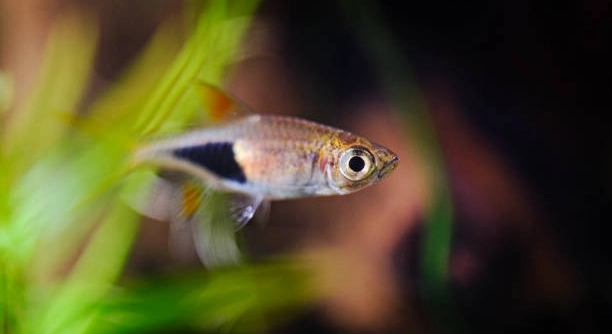
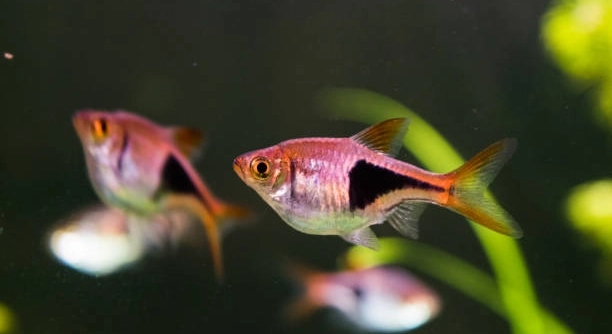
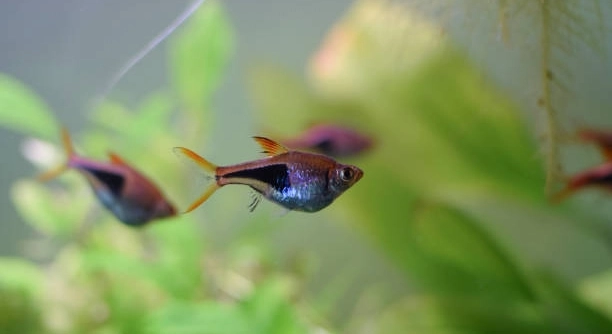
7 Ways Rasbora Interact With Tank Backgrounds

Rasboras are small, active fish often kept in home aquariums. Their behavior and appearance can change depending on the tank’s background. Understanding these interactions helps aquarists create a better environment for these lively fish. Rasboras interact with tank backgrounds by adjusting their colors and movements to blend or stand out. Dark backgrounds often enhance their … Read more
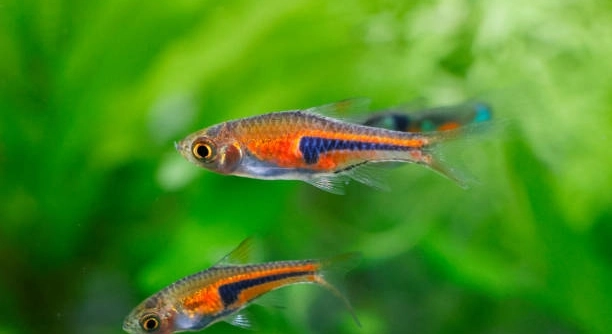
How to Set Up a Peaceful Rasbora Tank

Setting up a peaceful Rasbora tank requires attention to detail and proper care. These small, active fish thrive in calm environments with the right water conditions and tank setup. A well-prepared tank helps Rasboras display their natural beauty and behavior. The key to establishing a peaceful Rasbora tank is maintaining stable water parameters, providing adequate … Read more

How to Acclimate Rasbora to a New Tank

Acclimating rasboras to a new tank is important for their health and well-being. These small fish can be sensitive to changes in water conditions, so proper introduction helps reduce stress. Taking care during this process improves their chances of thriving in a new environment. The best method to acclimate rasboras involves slowly adjusting them to … Read more

Do Rasbora Swim Slower as They Age?

Rasboras are small, colorful fish often kept in home aquariums. Many people enjoy watching their lively movements and social behavior. Understanding how these fish change over time can help keep them healthy and happy. Rasboras tend to swim slower as they age due to natural changes in their muscle strength and energy levels. Aging affects … Read more

7 Reasons Rasbora Might Avoid You

Rasboras are small, colorful fish that many enjoy keeping in their home aquariums. Sometimes, these lively fish can seem shy or avoid interaction with their owners. Understanding their behavior can help improve your relationship with them. Rasboras might avoid you due to factors such as stress, poor water quality, improper tank setup, or sudden changes … Read more

7 Clues Your Rasbora Is the Group Leader

Do you ever find yourself watching your rasboras and noticing one seems to take charge of the group more than the others? The most common sign that a rasbora is the group leader is its consistent position at the front during swimming activities. This behavior often indicates dominance and confidence, traits commonly associated with leadership … Read more

How to React If Rasbora Start Flicking

Are your rasboras suddenly flicking their tails in the tank? This behavior can be unsettling, especially if you’re not sure what it means or how to respond. Understanding their flicking is important to keep your fish healthy and comfortable. When rasboras start flicking, it often indicates irritation from poor water quality, parasites, or stress. Immediate … Read more

Why Rasbora Might Hover Over Gravel

Have you ever noticed your rasbora hovering just above the gravel and wondered what it might mean for their health or behavior? Rasboras may hover over gravel due to stress, poor water quality, territorial behavior, or feeding habits. This positioning can also indicate a lack of stimulation or the presence of subtle environmental changes affecting … Read more

7 Things That Confuse New Rasbora

Are your new rasboras acting strangely or ignoring the rest of the tank? You’re not alone—this is common for new fishkeepers. New rasboras often become confused due to sudden environmental changes, inconsistent tank conditions, poor diet, and lack of companionship. These issues can cause stress, erratic swimming, hiding, or even illness if not addressed properly. … Read more

7 Natural Instincts Rasbora Still Keep

Do you ever find yourself fascinated by the quiet behaviors of your rasboras, wondering what drives their actions in your aquarium? Rasboras still keep several natural instincts that trace back to their wild origins. These include schooling behavior, sudden darting, feeding patterns, and sensitivity to light and movement. Such instincts help them navigate, stay safe, … Read more