
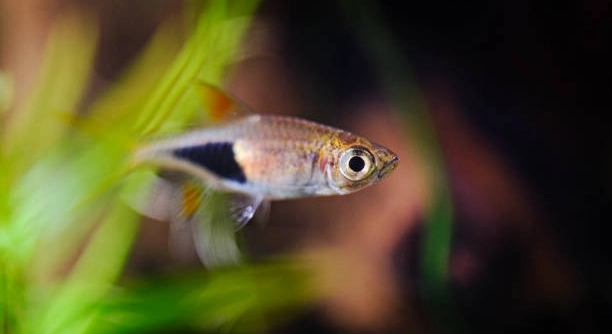
Rasboras are small, colorful fish often kept in home aquariums. Many people enjoy watching their lively movements and social behavior. Understanding how these fish change over time can help keep them healthy and happy.
Rasboras tend to swim slower as they age due to natural changes in their muscle strength and energy levels. Aging affects their physical abilities, causing a gradual decline in swimming speed and activity.
Learning about these changes helps fish owners provide better care throughout their rasboras’ lives and ensures a comfortable environment for them.
How Aging Affects Rasbora Swimming
As rasboras get older, their bodies naturally undergo changes that impact their swimming speed. Their muscles become less powerful, which makes quick movements harder. Additionally, older rasboras tend to have lower energy levels compared to younger ones. These changes are normal and part of their life cycle. Environmental factors also play a role. If water conditions are not ideal, older fish may swim slower because they are less able to cope with stress. Providing a calm, clean tank helps support their health as they age. Diet matters too; a balanced diet rich in nutrients helps maintain muscle strength and vitality. If rasboras receive good care, their decline in swimming ability can be slower and less noticeable. Observing your fish daily can help you notice changes early and adjust their environment to keep them comfortable.
Regular tank maintenance and a steady diet are essential to help aging rasboras stay active longer.
Knowing these factors helps create a better living space that supports your fish’s natural changes without added strain.
Signs of Aging in Rasboras
Older rasboras often swim slower and rest more than younger fish. They may also show less interest in food or social interactions. Sometimes, their colors become less bright, and their movements less agile. These signs usually develop gradually over months or years. Unlike illness, aging is a natural process that requires patience and understanding. Monitoring these changes helps you adjust tank conditions and feeding routines. Keeping the water clean and stable, along with providing gentle tank mates, reduces stress for older fish. Adding plants or decorations offers resting spots, which can improve their comfort. Adjusting feeding amounts to prevent overfeeding is also important since slower fish need fewer calories. By recognizing these signs, you can support your rasboras better during this stage of life. Accepting that slower swimming is normal for aging rasboras will help you care for them with more ease and confidence.
Common Causes of Slower Swimming
Age is not the only reason rasboras may swim slower. Illness, poor water quality, and stress can also reduce their activity levels. Identifying the exact cause is important for proper care.
Poor water quality stresses rasboras and can weaken their muscles over time. Ammonia or nitrite buildup harms their gills and reduces oxygen intake, making swimming tiring. Illnesses such as swim bladder disorders affect balance and speed. Stress from aggressive tank mates or overcrowding can also limit their movement. To help, keep the tank clean with regular water changes and test water parameters often. Providing a calm environment and compatible tank mates reduces stress and encourages natural behavior.
Nutrition also impacts swimming. A diet lacking essential nutrients can cause muscle weakness, making older fish less active. Feeding high-quality food designed for small tropical fish supports muscle health. Avoid overfeeding, as excess food can pollute the tank and harm fish health. Observing feeding habits and adjusting portions helps maintain energy levels and swimming ability. Regular care tailored to your rasboras’ needs can help them stay more active even as they age.
Tips to Support Aging Rasboras
Maintaining clean water and a stable environment is key to supporting older rasboras. Consistent feeding schedules and gentle tank mates help reduce stress.
Regular water changes keep toxins low and oxygen levels high, which supports better muscle function. Avoid sudden temperature changes, as older fish handle stress poorly. Adding plants and hiding spots provides safe areas to rest and explore without exertion. Monitor behavior daily to spot early signs of health issues or discomfort. A varied diet including flakes, pellets, and occasional live or frozen food provides balanced nutrition. Adjust feeding amounts based on activity level to prevent obesity or malnutrition. With patience and attention, aging rasboras can maintain good health and enjoy a comfortable life in your aquarium.
Monitoring Your Rasbora’s Activity
Watching how your rasboras swim daily helps detect changes early. Notice if they spend more time resting or avoid swimming as much as before.
Tracking their activity alongside water quality and feeding habits gives clues about their health. This practice allows you to adjust care before problems worsen.
Adjusting Tank Conditions for Aging Fish
Older rasboras benefit from slightly warmer water temperatures within their comfort range. Warmer water can help improve their metabolism and energy levels. Keeping the tank well-planted reduces stress and offers resting places. Reducing tank lighting intensity helps prevent fatigue. Avoid sudden changes in the tank environment, as aging fish react poorly to stress. Consistent conditions support better swimming activity and overall well-being for older rasboras.
When to Consult a Vet
If swimming slows suddenly or is accompanied by unusual behavior, a vet visit is important.
FAQ
Why do rasboras swim slower as they get older?
As rasboras age, their muscles naturally weaken, and their energy levels drop. This makes quick swimming harder for them. Like many animals, they slow down because their bodies cannot perform at the same level as when they were younger. This is a normal part of their life cycle.
Can poor water quality affect my rasbora’s swimming speed?
Yes, poor water quality can make rasboras swim slower. Toxic substances like ammonia and nitrites harm their gills and reduce oxygen intake. When fish don’t get enough oxygen, they tire easily and avoid moving much. Regular water testing and cleaning help keep the environment safe and support better swimming.
How can I tell if slow swimming is due to aging or illness?
Aging causes gradual slowing down, while illness often brings sudden changes in behavior. If your rasbora stops eating, swims erratically, or shows physical signs like bloating or spots, it may be sick. In such cases, it’s best to isolate the fish and consult a vet or aquarium expert.
What diet is best for aging rasboras to maintain energy?
A balanced diet rich in protein and vitamins is best. High-quality flakes or pellets designed for tropical fish work well. Adding occasional live or frozen food like brine shrimp or bloodworms can boost nutrition. Avoid overfeeding, as excess food pollutes the tank and harms fish health.
Are there specific tank conditions that help older rasboras swim better?
Older rasboras do better in stable tanks with clean water and gentle lighting. Keeping the water temperature steady and within their comfort zone helps maintain metabolism. Plants and hiding spots give them safe areas to rest and reduce stress, which supports better swimming activity.
Should I change my feeding routine as my rasboras age?
Yes, aging rasboras often need smaller, more frequent meals. They have lower energy needs but still require good nutrition. Feed them less food at a time to avoid leftovers that can dirty the tank. Observing how much they eat will help you adjust portions.
Can stress slow down rasboras?
Stress greatly impacts rasboras’ activity. Aggressive tank mates, overcrowding, or sudden changes in water can make them swim less. Creating a calm, peaceful environment helps them feel safe and stay active.
Is it normal for older rasboras to have duller colors?
Yes, color fading is common with age. Older fish often lose some brightness, which is part of their natural aging process. Healthy diet and clean water can help maintain some color but will not stop fading completely.
What should I do if my rasbora suddenly stops swimming or floats awkwardly?
Sudden swimming problems may indicate a swim bladder issue or other illness. It’s important to check water quality immediately and isolate the fish if possible. A vet visit or advice from an aquarium specialist is recommended to diagnose and treat the problem.
How often should I change the water to support my aging rasboras?
Regular water changes are essential. Changing 20-30% of the water weekly keeps toxins low and oxygen high. This routine helps older fish maintain better health and activity. Avoid changing too much water at once, which can stress the fish.
Can exercise help older rasboras swim better?
While fish don’t exercise like land animals, providing space and gentle currents encourages natural swimming. Avoid crowded tanks and aggressive fish that block movement. A healthy environment lets older rasboras swim at their own pace and keep muscles active.
Is it okay for older rasboras to rest more?
Yes, resting more is normal. Older rasboras need time to recover their strength. Providing hiding spots and plants gives them safe places to relax without feeling exposed or stressed.
How long do rasboras usually live?
Rasboras typically live 3 to 5 years in home aquariums, depending on species and care quality. With good care, some may live longer. Aging signs usually appear in the last part of their lifespan.
Can tank decorations affect swimming speed?
Too many decorations or sharp objects can limit swimming space and cause injury. Keeping the tank well-organized with open swimming areas helps older rasboras move comfortably. Safe, soft plants and smooth surfaces are best.
What are the signs that a rasbora needs veterinary care?
Signs include sudden loss of swimming ability, abnormal floating, visible wounds, loss of appetite, or unusual behavior like rubbing against objects. Prompt attention can prevent worsening health issues.
How does temperature affect rasbora swimming speed?
Rasboras swim best in stable water temperatures, usually between 72°F and 78°F (22°C–26°C). Too cold or too hot water slows their metabolism and activity. Sudden temperature changes can cause stress and reduce swimming.
Can I help aging rasboras by changing their tank mates?
Yes, keeping calm and non-aggressive fish with aging rasboras reduces stress and helps them swim better. Avoid fast or territorial species that may intimidate or outcompete them for food.
Is slower swimming a reason to remove older rasboras from the tank?
Not unless they are sick or being bullied. Slower swimming is natural for older fish and does not mean they should be removed. Focus on creating a safe, comfortable environment that suits their needs.
What role does oxygen play in rasbora activity?
Oxygen is critical for muscle function and energy. Low oxygen levels in the tank make rasboras tired and slow. Proper aeration and plants help maintain good oxygen levels, supporting better swimming.
As rasboras grow older, it is natural for their swimming speed to slow down. This happens because their muscles lose strength and their energy levels drop. Aging is a normal part of their life cycle, just like in many other animals. While it may seem a little sad to see them move less, it is important to understand that slower swimming is not always a sign of illness. It simply means they are adapting to changes in their body as they age. By recognizing this, you can better care for your fish and help them stay comfortable in their environment.
Taking good care of aging rasboras means paying attention to several key factors. Clean and stable water is one of the most important things you can provide. Toxic substances and poor water quality make it harder for older fish to swim and stay healthy. Feeding them a balanced diet that meets their nutritional needs also supports their muscle strength and overall well-being. It is important to feed them the right amount, as overfeeding can cause water pollution and harm their health. Creating a calm environment with gentle tank mates and plenty of hiding spots reduces stress and helps them rest when needed.
Watching your rasboras closely can help you notice any changes in their behavior or health early on. If you see sudden changes in swimming or other signs of illness, it is important to act quickly by testing water quality or seeking expert advice. But most of the time, slower swimming in older rasboras is a normal sign of aging. With a little extra care and attention, your fish can live a comfortable and healthy life even as their pace slows down. Understanding these natural changes will help you provide the best home for your rasboras throughout their lives.

Hello,
If you enjoy the content that we create, please consider saying a "Thank You!" by leaving a tip.
Every little bit helps us continue crafting quality advice that supports the health, happiness, and well-being of pets around the world, for pets of all shapes, sizes, and species.
We really appreciate the kindness and support that you show us!