
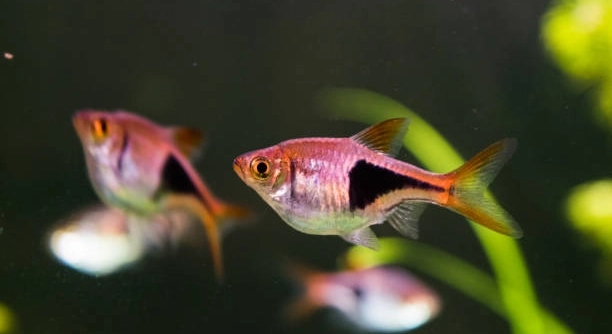
Have you ever noticed your rasbora hovering just above the gravel and wondered what it might mean for their health or behavior?
Rasboras may hover over gravel due to stress, poor water quality, territorial behavior, or feeding habits. This positioning can also indicate a lack of stimulation or the presence of subtle environmental changes affecting their comfort.
Learning what drives this behavior helps you create a more balanced and supportive environment for your rasbora to thrive.
Common Reasons Rasbora Hover Near Gravel
Rasboras often hover over gravel when they’re feeling stressed or unsettled in their environment. Stress can come from poor water quality, such as high ammonia or nitrate levels, or sudden changes in temperature. These small fish are also sensitive to loud noises, overcrowding, or incompatible tank mates. Sometimes, they stay low when searching for leftover food or small bits of debris. Territorial behavior may also be a factor if they’re trying to claim a spot or avoid conflict with more dominant fish. It’s important to observe their movements and look for signs like faded colors or clamped fins. These details can help you determine whether your rasbora is simply exploring or showing signs of discomfort. The gravel area is also where most waste and detritus settle, so hovering here may indicate that something in the tank needs your attention. Even subtle changes in water chemistry can influence their behavior.
Hovering can also be tied to feeding time. Some rasboras anticipate food near the substrate and wait there regularly, especially in community tanks where sinking pellets are common.
When your rasbora’s behavior shifts, it’s often a sign that their surroundings need adjustment. Paying attention to where they linger helps maintain a healthier, more stable setup.
What You Can Do to Help
Check water parameters regularly. Clean the substrate to reduce waste buildup and keep the tank environment balanced for your rasboras.
Consistency is key. Use a reliable water testing kit and monitor ammonia, nitrites, nitrates, and pH levels every week. If your rasbora lingers over the gravel too often, inspect the filtration system and make sure it’s working properly. Perform partial water changes routinely—usually 25% weekly—to prevent waste from collecting along the bottom. Avoid overfeeding, since excess food breaks down and settles into the gravel, creating poor conditions. Use gentle tank lighting and limit sudden changes in the aquascape that might cause stress. If your rasboras live with other species, watch for any aggression or crowding. A quiet, stable tank with proper spacing and routine care helps reduce odd swimming patterns. When their environment supports their natural habits, rasboras are more likely to explore all areas of the tank, not just the bottom.
Observing Body Language and Signs
Watch for signs like clamped fins, dull colors, or rapid gill movement. These often show your rasbora isn’t comfortable. Staying close to the gravel can be a way of avoiding stress or hiding from tank activity.
Changes in behavior are usually the first clue something’s off. If your rasbora starts hovering low more often, look closely at their appearance and movement. Do they swim normally? Are they eating less? A healthy rasbora is usually active in the middle of the tank. When they begin to isolate or act sluggish near the substrate, it could point to internal issues or environmental discomfort. Stress or early illness often appears subtly, so a shift in swimming habits is worth noting. Monitor their routine and compare it with others in the tank to catch small problems before they grow into something more serious. Acting early can make a real difference.
Lethargy, flashing (rubbing against objects), or sudden hiding may also appear alongside gravel-hovering. These signs often connect to stress or irritation, possibly from poor water quality, sudden temperature dips, or internal parasites. If your rasbora’s posture looks stiff or it’s gasping more than usual, take quick action. Start by checking the tank’s basic conditions. If everything looks fine but the behavior persists, it may be time to isolate the fish or consult a specialist. Keeping a log of small behavioral changes will help you respond more accurately. Rasboras are sensitive but responsive when their needs are quickly addressed.
Adjustments That Can Make a Difference
Make small changes one at a time. Start with improving water quality, checking filter flow, and removing debris from the gravel. Gradual adjustments are more effective than sudden overhauls and help avoid further stress.
If you suspect stress is behind your rasbora’s behavior, focus on environmental stability. Avoid rearranging decorations too often, and maintain regular lighting cycles. Add tall plants or floating coverage to offer hiding spots without limiting open swimming space. If multiple rasboras are crowding near the gravel, they may feel too exposed or overwhelmed. Increase plant coverage in the middle levels of the tank, and check for high flow zones that may push them downward. A calm, consistent routine helps them settle into a predictable rhythm. Also, avoid tapping on the glass or sudden temperature shifts during water changes. Feed on schedule, in small amounts, and remove leftovers quickly. Clear structure, soft lighting, and a peaceful environment create a space where rasboras can thrive.
Feeding Habits and Tank Behavior
Rasboras sometimes hover low during feeding times, especially if they expect food to settle on the gravel. This habit can become routine if sinking pellets or slow-sinking flakes are used in your setup regularly.
If food frequently collects at the bottom, rasboras may start associating the gravel area with meals. This is normal but can lead to overeating or stress if uneaten food builds up.
When to Consider Medical Issues
If hovering becomes frequent and is paired with other symptoms like bloating, erratic swimming, or visible spots, it may signal illness. Internal parasites, swim bladder disorders, or bacterial infections can cause these shifts. Quarantine the rasbora if needed and consult a vet or experienced aquarist for targeted care. Prompt attention is important.
Simple Tools That Can Help
Using a gravel vacuum, sponge filter, and thermometer can help you maintain consistent tank conditions. These tools support a cleaner, more balanced space for your rasboras.
FAQ
Why is my rasbora hovering but not eating?
If your rasbora is hovering near the gravel and not eating, it could be due to stress, poor water quality, or early signs of illness. Check your water parameters first—especially ammonia, nitrite, and nitrate levels. Even slight imbalances can affect appetite. Also, monitor for other signs like bloating, faded colors, or unusual breathing. Sometimes a rasbora may skip a meal after a stressful event like a water change or tank cleaning. If the behavior lasts longer than a day or two, consider isolating the fish and observing more closely. In some cases, internal parasites or infections can suppress appetite and affect behavior.
Is this behavior normal after moving them to a new tank?
Yes, rasboras often stay near the bottom or hover close to gravel after being introduced to a new environment. This is a common stress response. The tank may feel unfamiliar, or the lighting might be too strong. Allow them time to adjust, keep lighting low, and avoid sudden movement near the tank. Make sure the water conditions match their previous setup in terms of temperature and pH. Rasboras are sensitive to sudden changes, so gradual acclimation is important. They usually begin exploring higher areas once they feel safe and settled. Provide some hiding spots to help them feel secure.
How long should I wait before becoming concerned?
If your rasbora is hovering near the gravel for more than 48 hours and shows no improvement, it’s worth checking deeper. One day of unusual behavior may not mean much, but longer periods often point to something that needs correcting. Watch for other signs such as not eating, staying still for long periods, or breathing rapidly. These can indicate something more serious. Begin with a water test and partial water change. If there’s no visible improvement or if symptoms worsen, isolate the fish and consider getting advice from a vet or experienced aquarist. Acting early can help avoid larger issues.
Can tank mates cause this behavior?
Yes, some rasboras hover low to avoid aggressive or fast-swimming tank mates. If other fish are competing for space, chasing, or nipping fins, rasboras may retreat to the gravel zone. This is a common response in community tanks with poorly matched species. Choose peaceful companions and avoid overstocking. If aggression is present, consider rearranging tank decor to create more hiding spots and break lines of sight. Adding tall plants can help separate zones and give rasboras a more secure area. Observation is key—if the behavior improves when a specific fish is removed, compatibility may be the issue.
Could lighting influence where they swim?
Lighting can affect rasbora behavior. Bright or harsh lighting may cause them to stay lower in the tank, close to gravel or shaded areas. Rasboras prefer soft, filtered light that mimics their natural habitat. Try reducing the intensity or duration of your tank lighting. Adding floating plants like duckweed or frogbit can also help soften the light. If your rasboras become more active in the upper levels after a lighting adjustment, you’ve likely found a trigger. Keep the lighting schedule consistent to help reduce stress. Sometimes, the simplest changes can have the biggest effect on their comfort.
Is it possible they’re just exploring?
Absolutely. Not all gravel-hovering is a problem. Rasboras are naturally curious and may explore the substrate, especially in a clean, enriched tank. If they show no signs of distress and return to normal swimming afterward, it’s likely nothing to worry about. Look at their overall behavior—active swimming, a healthy appetite, and vibrant color usually mean they’re fine. Make sure the tank has a stable routine, low stress levels, and proper care. Occasional time near the gravel is normal, especially if food is involved or the substrate has new textures or features they’re checking out.
Final Thoughts
Rasboras are peaceful, active fish that often swim in the middle of the tank, so noticing one hovering near the gravel can feel unusual. In many cases, this behavior is caused by something minor, like waiting for food or reacting to a recent change in the tank. However, it can also signal a bigger issue like stress, poor water quality, or early signs of illness. Paying attention to how often the behavior happens—and whether it’s paired with other changes—can help you understand what your rasbora is trying to tell you. Observation is key when caring for small fish with subtle habits.
Taking a closer look at their surroundings is often the first step in solving the problem. Clean water, proper temperature, low lighting, and peaceful tank mates make a big difference. Simple tools like a gravel vacuum and water test kit help you stay on top of the tank’s health without much effort. When the environment is stable and calm, rasboras tend to be more active and less likely to hide near the bottom. If the behavior continues after checking everything, it may be worth reaching out for a second opinion. Sometimes small signs are linked to early stages of illness that can be treated with care and quick action.
Understanding your rasbora’s behavior will help you create a more supportive tank for them to thrive in. Whether they’re resting, avoiding stress, or exploring, the way they move through the tank can tell you a lot. Not every change in behavior is a serious problem, but it’s still worth noting. With the right setup and regular care, rasboras usually stay healthy and active. A balanced diet, regular tank checks, and a peaceful environment go a long way. Taking the time to notice even small changes will help you catch problems early and keep your rasboras safe. Watching them swim with ease and confidence is a good sign that you’re meeting their needs and supporting their natural behavior.

Hello,
If you enjoy the content that we create, please consider saying a "Thank You!" by leaving a tip.
Every little bit helps us continue crafting quality advice that supports the health, happiness, and well-being of pets around the world, for pets of all shapes, sizes, and species.
We really appreciate the kindness and support that you show us!