
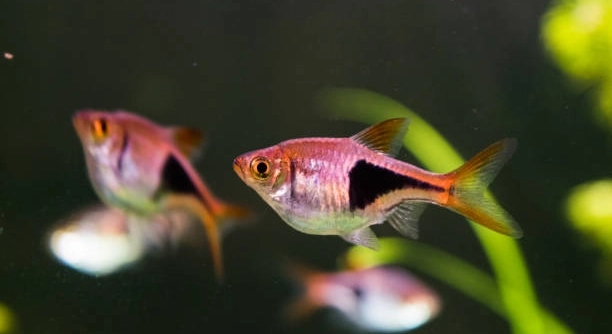
Rasboras are small, colorful fish that many enjoy keeping in their home aquariums. Sometimes, these lively fish can seem shy or avoid interaction with their owners. Understanding their behavior can help improve your relationship with them.
Rasboras might avoid you due to factors such as stress, poor water quality, improper tank setup, or sudden changes in their environment. These conditions can make them feel unsafe and less likely to approach humans.
Knowing what causes this behavior can help create a more comfortable space for your rasboras. The following reasons explain why they might keep their distance.
Stress and Fear
Rasboras are sensitive fish that can easily get stressed. Loud noises, sudden movements, or changes in lighting can make them nervous. When stressed, they often hide or swim away from people. Even something as simple as tapping on the glass can scare them. Stress weakens their immune system and affects their behavior. Keeping a calm environment helps them feel safer. Consistent water temperature and gentle handling also reduce stress. It takes time for them to trust and feel comfortable around you. Watching their body language can give clues about how they feel. If they look pale or stay in one spot, it could mean they are anxious. Giving them plenty of hiding spots with plants or decorations helps them relax. Remember, patience is key to building a positive connection with rasboras.
Stress causes rasboras to avoid interaction and hide frequently. Reducing disturbances can help them feel more at ease.
Maintaining a peaceful tank environment is essential for your rasboras’ well-being. Soft lighting, minimal noise, and steady water conditions help lower stress. Providing plants and decorations creates hiding places where they can retreat when feeling threatened. Avoid tapping the tank or sudden movements nearby. Consistency in feeding times also adds to their sense of security. Over time, they will become more comfortable and begin to swim closer, showing signs of trust. Monitoring their behavior regularly can prevent stress from becoming a serious issue. When rasboras feel safe, they show brighter colors and more active swimming patterns. Keeping stress low is the first step to encouraging your fish to interact with you.
Poor Water Quality
Dirty or unbalanced water is a common reason rasboras keep their distance. Fish rely on clean water to stay healthy and comfortable. High levels of ammonia, nitrites, or nitrates cause discomfort and sickness. Sudden changes in pH or temperature can also make them uneasy. It’s important to test the water regularly to ensure safe conditions. Using a good filtration system helps keep the water clear and balanced. Partial water changes every week remove waste and harmful chemicals. Avoid overfeeding, as leftover food pollutes the tank. Clean water encourages active, curious behavior and helps rasboras feel safe near their environment and owners. Poor water quality often leads to lethargy and hiding, which can look like avoidance.
Water quality directly affects your rasboras’ health and behavior. Clean, balanced water encourages them to be more active and less shy.
Checking water parameters weekly is a must for a healthy tank. Ammonia and nitrite levels should always be at zero, while nitrate should remain low. Temperature should be stable between 72 and 79 degrees Fahrenheit, and pH should stay near neutral, around 6.5 to 7.5. Using test kits makes monitoring easy. When water conditions worsen, rasboras become stressed and may hide or avoid interaction. Frequent partial water changes and filter maintenance prevent this. Feeding the right amount and removing uneaten food also keeps water quality high. When your tank is clean and stable, your rasboras will feel comfortable swimming freely and may even explore your presence more confidently. Regular water care is key to building a peaceful, interactive aquarium.
Improper Tank Setup
Rasboras need enough space and hiding spots to feel safe. A small or overcrowded tank makes them nervous and less likely to come near.
Providing a tank of at least 10 gallons with plenty of plants and decorations is ideal. These give rasboras places to hide when they feel threatened. Without enough cover, they stay near the bottom or edges, avoiding interaction. Open tanks with bright lighting can make them feel exposed and stressed. Soft substrate and gentle water flow also help create a more natural environment. Ensuring the tank mimics their natural habitat encourages confident and social behavior.
Adding live plants not only improves water quality but also offers comfort. Plants reduce light intensity and provide shelter, helping rasboras relax. Decorations like caves or driftwood add more hiding options, reducing fear. Proper space and a thoughtful layout are essential to make rasboras feel at home and less likely to avoid you.
Sudden Changes in Environment
Rasboras react strongly to sudden changes, such as moving the tank or rearranging decorations. These disruptions can cause stress and hiding behavior.
Keeping a stable environment is crucial for their comfort. Sudden shifts in lighting, temperature, or water parameters also make them uneasy. Gradual changes allow them to adjust without fear. When moving the tank, it’s best to do it slowly and keep water conditions consistent. Rearranging plants and decorations should be done carefully to avoid shocking the fish. Sudden changes can disrupt their routine and make them avoid interaction, so minimizing these events helps build trust.
Rasboras prefer predictability. Regular schedules for feeding and tank maintenance contribute to their sense of safety. Avoid large, sudden shifts that can startle them and cause stress. Providing a consistent, calm environment helps rasboras feel secure and more willing to explore or come near you.
Lack of Social Interaction
Rasboras are schooling fish and prefer being in groups. Alone, they feel insecure and tend to hide more often. Keeping at least six together helps reduce their fear and encourages them to be more active around you.
When isolated, rasboras may avoid interaction because they lack the comfort of their group. A proper school makes them feel safe and confident, which improves their behavior and willingness to explore.
Overfeeding and Poor Diet
Overfeeding can cause water pollution and make rasboras sluggish or sick. Feeding small amounts of high-quality food two times a day is best. A balanced diet supports their health and makes them more active.
Lighting Issues
Too bright or inconsistent lighting can make rasboras uncomfortable. Soft, stable lighting helps them feel safe and encourages natural behavior.
Why do my rasboras hide all the time?
Rasboras hide when they feel unsafe or stressed. Common causes include poor water quality, loud noises, sudden movements, or lack of hiding places. If the tank is overcrowded or too bright, they may also seek shelter more often. Making the environment calm and stable helps them come out more.
How many rasboras should I keep together?
Rasboras are schooling fish and do best in groups of six or more. Smaller groups can make them nervous and shy. A proper school provides comfort and encourages natural, social behavior, which makes them less likely to hide or avoid interaction.
Can poor water quality make my rasboras avoid me?
Yes, poor water quality causes stress and illness. High ammonia, nitrites, or nitrate levels make fish uncomfortable and can cause hiding or lethargy. Regular water testing, cleaning, and proper filtration keep the tank healthy and your rasboras more active and friendly.
How often should I feed my rasboras?
Feeding twice a day with small amounts is ideal. Overfeeding pollutes the water and can make your fish sluggish or sick. Use high-quality flakes, pellets, or live foods in moderation to keep them healthy and active.
Is tank size important for rasboras’ behavior?
Yes, a tank of at least 10 gallons is recommended for a small school. Crowded or small tanks cause stress and hiding. More space allows them to swim freely and explore, which helps them feel secure and less fearful.
What kind of decorations help rasboras feel safe?
Live plants, caves, and driftwood create hiding spots and reduce stress. Plants also soften light and improve water quality. These decorations mimic their natural habitat, making them feel more at home and confident.
Does lighting affect rasboras’ willingness to interact?
Bright or flickering lights can make rasboras nervous. Soft, stable lighting simulates their natural environment and encourages calm behavior. Avoid sudden changes in lighting to prevent stress and hiding.
Can sudden changes in water temperature scare rasboras?
Yes, sudden temperature shifts stress fish and cause them to hide. Keep the water temperature stable between 72 and 79°F. Using a reliable heater and monitoring regularly helps maintain comfort and reduces avoidance.
Why do rasboras avoid me but not other people?
Fish may recognize individual patterns like movement or feeding style. They can be more comfortable around quieter or gentler handlers. Building trust takes time and consistent calm behavior.
How long does it take for rasboras to trust their owner?
It varies, but usually a few weeks to months with gentle care. Regular feeding and minimal disturbances help them associate you with safety and food. Patience and a stable environment encourage them to come closer over time.
Understanding why rasboras avoid interaction can make a big difference in caring for them. These small fish are sensitive to many factors in their environment. Stress, water quality, tank setup, and sudden changes all affect their behavior. When rasboras feel safe and comfortable, they are more likely to swim near and explore their tank. This shows that paying attention to their needs helps build a better relationship with your fish.
Taking time to keep the water clean and stable is one of the most important steps. Testing the water regularly and doing partial water changes removes harmful substances and keeps the tank healthy. Providing enough space with plants and hiding spots makes rasboras feel secure. Avoiding loud noises, sudden movements, and bright lighting helps reduce stress. These simple actions improve their well-being and encourage natural behavior. A well-maintained tank also helps prevent illness, which can cause your rasboras to hide or avoid interaction.
Patience is important when trying to gain your rasboras’ trust. They may take time to feel comfortable in a new environment or around people. Keeping a calm routine with gentle care and feeding helps them adjust. Remember that rasboras are schooling fish, so having a proper group is also key to their happiness. By creating a stable, peaceful environment and meeting their basic needs, you can enjoy watching your rasboras become more active and engaging in your aquarium. This care will benefit both you and your fish in the long run.

Hello,
If you enjoy the content that we create, please consider saying a "Thank You!" by leaving a tip.
Every little bit helps us continue crafting quality advice that supports the health, happiness, and well-being of pets around the world, for pets of all shapes, sizes, and species.
We really appreciate the kindness and support that you show us!