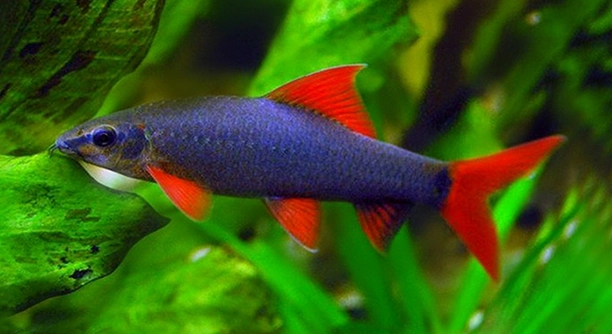
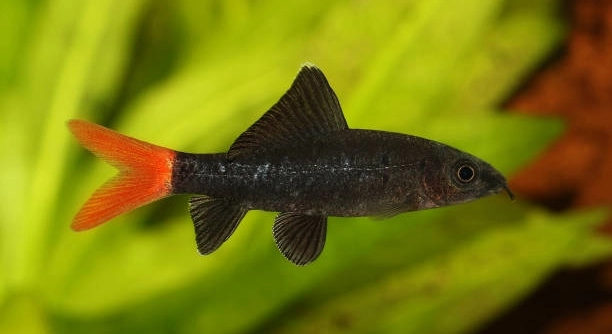
7 Signs Your Rainbow Shark Is Suffering from Poor Tank Conditions
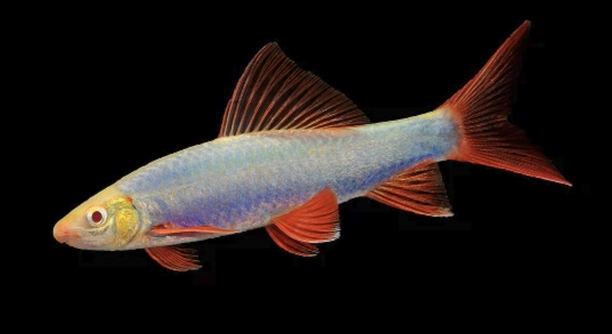
Many fishkeepers enjoy having rainbow sharks for their bright colors and lively behavior. However, these fish can quickly show signs of stress if their tank environment is not suitable. Recognizing these signs early helps keep your fish healthy. Rainbow sharks suffering from poor tank conditions often exhibit signs such as faded color, lethargy, clamped fins, … Read more

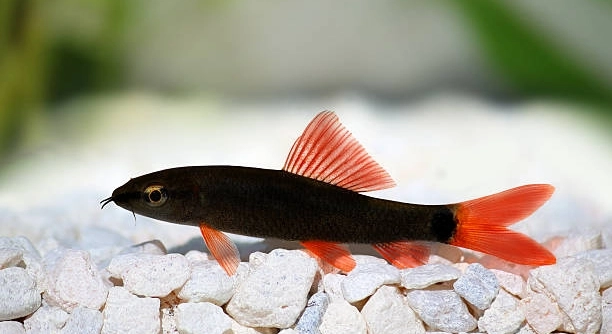
7 Ways to Reduce Aggression in Your Rainbow Shark’s Tank

Many aquarium owners enjoy keeping rainbow sharks for their lively presence and striking colors. However, these fish can sometimes show aggressive behavior that disrupts tank harmony. Managing this aggression is key to a peaceful aquarium environment. Reducing aggression in your rainbow shark’s tank involves providing sufficient space, maintaining proper tank conditions, introducing hiding spots, avoiding … Read more

7 Ways to Improve Your Rainbow Shark’s Tank Filter Setup

Rainbow Sharks are popular aquarium fish that need clean water to thrive. Proper filtration is essential for keeping their tank environment healthy and stable. Many tank owners seek ways to improve their filter setup to support these active fish. Optimizing your Rainbow Shark’s tank filter setup involves selecting the right filter type, ensuring adequate water … Read more

7 Ways to Tell If Your Rainbow Shark Is Lacking in Nutrition

Is your rainbow shark showing signs of low energy or dull colors? Many fish owners may miss subtle clues that indicate nutritional deficiencies. Proper care includes knowing how to spot these early signs to keep your fish healthy. Rainbow sharks lacking nutrition often display faded colors, slow movement, loss of appetite, and unusual behavior. These … Read more

7 Common Misunderstandings About Rainbow Shark Care

Do you ever find yourself confused about how to properly care for your rainbow shark, even after doing your research? Rainbow shark care is often misunderstood due to common myths about aggression, tank size, and diet. These misconceptions can lead to stress, injury, or even premature death for the fish if not addressed properly. Understanding … Read more

7 Reasons Your Rainbow Shark Is Swimming Slowly

Is your rainbow shark moving less than usual, making you wonder if something might be wrong with its health or tank setup? The most common reason your rainbow shark is swimming slowly is due to stress or poor water quality. These fish are sensitive to changes in their environment, and improper tank conditions can quickly … Read more

7 Things to Do if Your Rainbow Shark Has a Soggy Fin

Is your rainbow shark’s fin looking soggy or damaged lately? This common problem can worry many aquarium owners who want their fish to stay healthy and vibrant. Understanding what causes soggy fins is important for quick care. Soggy fins in rainbow sharks usually result from bacterial infections or poor water conditions. Proper treatment involves improving … Read more

7 Ways to Prevent Your Rainbow Shark from Being Too Timid

Is your rainbow shark spending most of its time hiding instead of swimming around the tank with confidence and energy? Rainbow sharks often become timid due to environmental stress, limited space, or incompatible tank mates. To help prevent this behavior, it’s important to create a stable habitat, minimize aggression, and ensure proper tank setup. Small … Read more

7 Ways to Keep Your Rainbow Shark Active and Engaged

Do you ever find yourself wondering if your rainbow shark is getting bored or feeling restless in its tank? These active fish thrive on stimulation, and it’s important to make sure they stay mentally and physically engaged. The best way to keep your rainbow shark active and engaged is by offering a variety of hiding … Read more

7 Signs That Your Rainbow Shark Needs More Space

Is your rainbow shark acting restless, aggressive, or hiding more than usual? These changes could mean something about its environment isn’t quite right. Tank size plays a big role in your fish’s health and behavior. Rainbow sharks often require more space than aquarists initially expect. A tank that is too small can lead to stress, … Read more