
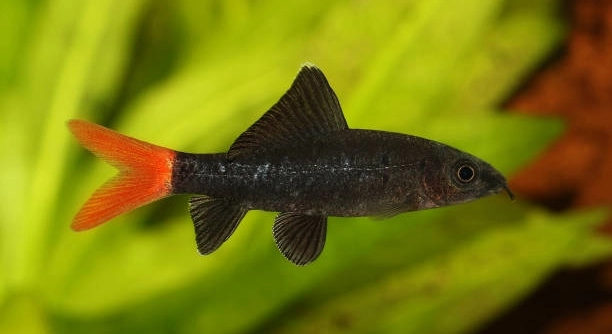
Is your rainbow shark spending most of its time hiding instead of swimming around the tank with confidence and energy?
Rainbow sharks often become timid due to environmental stress, limited space, or incompatible tank mates. To help prevent this behavior, it’s important to create a stable habitat, minimize aggression, and ensure proper tank setup.
Small changes to your tank and routine can help your rainbow shark feel more comfortable and confident in its environment.
Give Your Rainbow Shark Enough Space
A rainbow shark needs room to swim freely. Keeping it in a small tank can make it feel stressed or cornered. This often leads to timid behavior, especially if the shark feels it has no place to retreat or explore. A minimum tank size of 55 gallons is recommended. This gives the fish space to claim a territory and move around without constantly running into tank mates. A cramped tank can cause the rainbow shark to hide more often or act out of fear. Larger tanks also allow for better separation between fish, which reduces tension and gives your shark a sense of control over its surroundings. Creating an open but structured layout with rocks and driftwood also supports natural movement patterns. These changes make a big difference in how confident your rainbow shark feels. When your tank provides enough space, the fish can establish its place and behave more normally.
A small tank is one of the most common reasons for shy behavior in rainbow sharks. Giving them room helps ease stress and builds confidence.
In a properly sized tank, your rainbow shark can display more natural behaviors. It will patrol its area, explore hiding spots, and even show its unique swimming style more often. The additional space helps it feel less threatened by nearby fish and reduces the likelihood of being startled. It also gives you more flexibility to add plants, caves, and decorations that further support its comfort. Over time, you may notice your shark spending less time hidden and more time out in the open. Its behavior may also become more consistent, especially if it’s not constantly reacting to movement or noise. A bigger tank doesn’t just help with confidence—it also supports better health. Water quality is easier to manage, and your fish will have more oxygen and cleaner conditions. These small improvements in the setup can lead to lasting changes in your shark’s behavior.
Limit Aggressive Tank Mates
Rainbow sharks don’t do well with overly dominant or aggressive fish. Mixing the wrong species can lead to fear-based hiding.
Some fish can trigger defensive behavior in rainbow sharks, especially if they constantly chase, nip, or invade territory. Choosing peaceful tank mates reduces this pressure. Avoid species that are fast swimmers or tend to claim similar areas of the tank, such as cichlids or barbs. Instead, look for bottom dwellers or mid-level swimmers that aren’t territorial. Fish like gouramis, danios, or rasboras usually cause less conflict. It’s also helpful to add tank mates all at once, rather than gradually, to reduce territorial disputes. Keep an eye on behavior after adding any new fish. If your rainbow shark starts hiding more, it may feel intimidated. In that case, you might need to rearrange the tank or remove the more dominant fish. The goal is to keep the space balanced so your rainbow shark feels secure enough to stay visible and active.
Create Plenty of Hiding Spots
Rainbow sharks feel safer when they have places to retreat. Adding caves, rocks, and plants can reduce stress and help them feel more in control of their space.
Use natural decorations like driftwood, stacked stones, or PVC tubes to make hiding areas in different parts of the tank. Avoid placing all shelters in one section—spread them out to let the shark choose where it feels safest. Live or artificial plants also provide shade and comfort. These spaces are especially useful when other fish come too close or when lights are bright. A secure hiding spot gives your rainbow shark a way to calm down, which can help it spend more time out in the open. When fish have safe places nearby, they’re less likely to stay hidden all the time. It’s not just about retreat—these spaces offer a sense of control, which builds long-term confidence.
In a tank without enough cover, rainbow sharks often feel exposed. This can lead to constant hiding or even stress-related health issues. By giving your shark multiple options for shelter, you allow it to make its own choices about when to rest and when to explore. That freedom encourages more natural behavior over time. The key is balance: too many decorations can make the tank feel crowded, while too few can make the fish feel vulnerable. Try arranging objects to form little tunnels or shaded areas while still keeping open swimming space. After some time, your shark may begin using the hiding spots less frequently, which is a good sign it feels safe. Watch how it interacts with these spaces—if it hovers nearby without fully retreating, that often means it’s gaining confidence.
Keep Lighting Moderate and Consistent
Strong lighting can overwhelm rainbow sharks and make them more likely to hide. A softer, stable light setup helps reduce their stress.
Rainbow sharks come from environments with dim or filtered light. Bright aquarium lights can make them feel overexposed, especially in tanks with limited cover. Using adjustable lighting or placing floating plants at the top of the tank can help soften the effect. Keep the lighting schedule consistent—about 8 to 10 hours of light each day is enough. Avoid sudden changes in brightness, as this can cause the fish to dart away and hide. When the light feels more natural and steady, your rainbow shark is more likely to move around confidently. It’s also helpful to have a gradual on-and-off setting if possible, to mimic sunrise and sunset. These small changes in your lighting routine can create a more comfortable and predictable environment, which reduces fear and encourages calm, active behavior throughout the day.
Maintain Stable Water Conditions
Fluctuating water parameters can cause stress and timid behavior. Test your tank regularly for ammonia, nitrite, nitrate, and pH. Keep the water clean with weekly partial water changes and avoid sudden shifts in temperature or chemistry.
A stable environment helps your rainbow shark feel secure. Use a reliable heater and filter, and avoid overfeeding.
Avoid Overcrowding the Tank
Too many fish in one tank can create constant tension and limit swimming space. Rainbow sharks are territorial, and when surrounded by too many tank mates, they may retreat more often to avoid conflict. Keep stocking levels reasonable and ensure each fish has enough space to move freely and comfortably.
Feed a Balanced and Varied Diet
A healthy diet affects both behavior and energy levels. Rainbow sharks need a mix of high-quality pellets, algae wafers, and occasional frozen foods like bloodworms. Offering a varied diet not only supports overall health but also encourages more activity and exploration. When your shark feels well-fed and energized, it’s more likely to stay visible and active.
FAQ
Why is my rainbow shark always hiding, even when the tank seems fine?
Even with good water quality and enough space, your rainbow shark may hide due to subtle stress factors. These could include sudden noises, tank reflections, or new additions to the tank. Sometimes it’s just their nature, especially in younger or newly added fish. Rainbow sharks take time to settle, and if they’ve had any rough interactions with tank mates, they may stay cautious longer. Watch for patterns—if the hiding gets worse after certain changes, that could be a clue. Offering more hiding spots, soft lighting, and a consistent routine can slowly help reduce this behavior.
Can I keep more than one rainbow shark in the same tank?
It’s usually not recommended to keep more than one rainbow shark in the same tank unless you have a very large setup. They are territorial and tend to become aggressive toward other sharks or fish with similar shapes. Keeping them together in a small or medium-sized tank often leads to stress, chasing, and hiding. If you’re set on having more than one, aim for a tank that’s at least 125 gallons, and provide plenty of caves, visual barriers, and separate territories. Even then, there’s no guarantee they will get along. In most cases, a single rainbow shark does best.
What are good tank mates for a timid rainbow shark?
Choose calm, non-aggressive species that swim in different areas of the tank. Good options include harlequin rasboras, zebra danios, cherry barbs, and certain types of peaceful gouramis. Avoid long-finned or overly active fish like tiger barbs or bettas. Also avoid bottom dwellers like red-tailed sharks or rainbowfish that may compete for territory. Keeping tank mates peaceful and slightly faster-moving can help your shark feel more comfortable. The goal is to reduce competition and tension, which gives your rainbow shark room to explore without feeling threatened or pushed aside.
Do rainbow sharks prefer a certain type of decor?
They seem to enjoy tanks with a mix of open space and structure. Rocks, caves, and driftwood help define territory and offer hiding places. Smooth decorations are better, as rainbow sharks can injure themselves on sharp objects. They also like plants—live or artificial—for shade and security. Avoid cluttering the tank with too many decorations, but provide enough to break line of sight between fish. A balanced layout gives your rainbow shark the chance to claim a space without being too exposed. Rearranging the tank occasionally can also reset territory claims if needed.
How long does it take for a rainbow shark to become less shy?
It varies, but many rainbow sharks start to act more confident after a few weeks in a stable tank. Others may take a few months, especially if they were introduced during a stressful time or have aggressive tank mates. Consistency is key—stable lighting, water, feeding, and quiet surroundings can help speed up the process. You may start seeing signs of change, like more movement during feeding or less hiding during the day. Patience really makes a difference here. Let the fish move at its own pace and avoid constantly rearranging the environment unless needed.
Can a timid rainbow shark become aggressive later?
Yes. A rainbow shark that starts off timid can still become aggressive as it matures. Behavior often changes with age and as the fish becomes more confident in its environment. This shift usually appears around 4–6 months of age. It might start chasing fish away from its area or become more dominant during feeding. This is normal, but you’ll want to watch for signs that the aggression is stressing other fish. In some cases, rehoming or tank adjustments may be needed. Keeping the tank balanced helps reduce extreme behavior changes.
How can I tell if my rainbow shark is stressed or sick?
Signs of stress or illness include dull color, clamped fins, loss of appetite, or hiding all the time—even when the tank is quiet. You might also notice it breathing faster or staying in one corner. These can be early signs of poor water quality, bullying, or internal problems. Start by checking water parameters and watching how the other fish behave. If the shark is being chased or picked on, try adding more hiding spots or separating fish. A stressed rainbow shark may also become more sensitive to light and movement, so keep things calm around the tank during recovery.
Final Thoughts
Rainbow sharks are beautiful and active fish, but they can be shy or timid in the wrong environment. A lot of their behavior is linked to how safe and comfortable they feel in their tank. If the setup isn’t right—whether it’s due to limited space, aggressive tank mates, or poor lighting—your rainbow shark may hide more often than you’d like. This isn’t always a sign of sickness or something serious, but it is something to pay attention to. Making small changes in the tank’s layout, lighting, and population can help bring out more natural and confident behavior in your fish.
Taking the time to adjust the tank for your rainbow shark’s needs can lead to big improvements. A proper tank size, stable water conditions, a calm environment, and the right hiding spots all play a role. It also helps to keep your feeding schedule and water changes consistent. These steps reduce stress and help your rainbow shark feel more secure. Over time, you may see less hiding and more swimming, exploring, and interaction. Watching your rainbow shark grow comfortable and active is rewarding. It’s a sign that your tank is not only healthy but also well-balanced for all its inhabitants.
In the end, every rainbow shark is a little different. Some may be bolder, while others stay quiet longer. Don’t be discouraged if your fish takes a while to warm up. What matters most is giving it a peaceful space where it can thrive. Keep observing its behavior and make changes slowly if needed. A calm, confident rainbow shark is easier to care for and more enjoyable to watch. By keeping things simple and steady, you’re helping your fish feel safe—and that safety is what leads to better, more active behavior in the long run.

Hello,
If you enjoy the content that we create, please consider saying a "Thank You!" by leaving a tip.
Every little bit helps us continue crafting quality advice that supports the health, happiness, and well-being of pets around the world, for pets of all shapes, sizes, and species.
We really appreciate the kindness and support that you show us!