
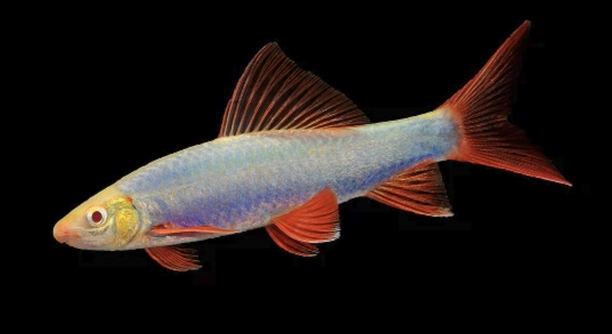
Is your rainbow shark’s fin looking soggy or damaged lately? This common problem can worry many aquarium owners who want their fish to stay healthy and vibrant. Understanding what causes soggy fins is important for quick care.
Soggy fins in rainbow sharks usually result from bacterial infections or poor water conditions. Proper treatment involves improving water quality, isolating the fish if needed, and applying medications to stop infection and promote healing.
Knowing how to respond quickly can protect your fish and improve its recovery. This article explains seven practical steps to help your rainbow shark feel better soon.
Check Water Quality Immediately
Poor water quality is often the main reason for soggy fins in rainbow sharks. Ammonia, nitrite, and nitrate levels that are too high can weaken your fish’s immune system. Testing the water with a reliable kit should be your first step. If you find dangerous levels, do a partial water change right away. Removing waste and uneaten food from the tank is also crucial. Keep the water temperature stable between 75 and 79°F, as sudden changes can stress the fish further. Regular water changes and cleaning the filter will keep the environment safe.
Water quality plays a critical role in preventing fin problems. Maintaining it helps your rainbow shark recover faster.
Besides chemical tests, observe the water clarity and smell. Cloudy or foul water can mean more frequent cleaning is needed. Using a good water conditioner can remove chlorine and other harmful substances. Avoid overcrowding the tank, as too many fish increase waste and reduce oxygen. A clean, well-maintained tank reduces the chance of infections that cause soggy fins.
Isolate the Affected Fish
Separating the rainbow shark with soggy fins can stop infections from spreading to other fish. Use a quarantine tank with clean, treated water.
Isolation allows better monitoring and easier treatment. This reduces stress on your fish while it heals.
Improve Tank Conditions
Keep the tank clean and stable to help your rainbow shark heal faster. Avoid sudden changes in temperature or water chemistry.
Frequent water changes are essential. Change about 20-30% of the water every few days during treatment to reduce toxins. Clean the tank substrate to remove leftover food and waste. Check the filter to make sure it is working well and not clogged. A well-oxygenated tank supports healing, so consider adding an air stone if needed. Avoid overfeeding, as excess food can pollute the water.
Lighting should be moderate; too much light can stress the fish. Keep the tank in a quiet area to reduce disturbance. Keeping the environment calm helps your rainbow shark focus energy on recovery. Monitoring water parameters regularly will help catch any problems early, making it easier to maintain a healthy tank overall.
Use Medication Properly
Use antibacterial or antifungal medication based on the diagnosis. Follow the dosage instructions carefully.
Overusing medication can harm your fish or disrupt the tank’s ecosystem. Remove activated carbon from the filter while treating, as it absorbs medicine. Treat for the full recommended time even if the fish looks better. Observe your fish closely for any side effects. If unsure about medication choice, consult a vet or aquarium specialist. Using proper medication helps clear infections causing soggy fins and speeds up recovery.
Monitor Your Fish’s Behavior
Watch your rainbow shark closely for any changes in swimming or eating habits. Early signs of distress can indicate worsening fin issues.
Noticing lethargy or loss of appetite early helps you adjust care quickly. This improves chances of a full recovery.
Maintain a Balanced Diet
A healthy diet supports your fish’s immune system and overall health. Provide high-quality pellets, flakes, and occasional live or frozen foods like bloodworms or brine shrimp. Avoid overfeeding to prevent water pollution. Proper nutrition helps strengthen fins and speeds healing.
Avoid Stressful Conditions
Keep the tank environment calm. Sudden loud noises, rough handling, or too many tankmates can increase stress, slowing recovery.
FAQ
What causes soggy fins in rainbow sharks?
Soggy fins often result from bacterial infections, poor water quality, or fin rot. Stress and injuries can also weaken the fins. When the water is dirty or has high ammonia or nitrite levels, the fish’s immune system struggles, making it easier for bacteria to attack the fins.
How can I tell if my rainbow shark has fin rot?
Fin rot causes the edges of the fins to look ragged, discolored, or soggy. The fins may look like they are melting or shrinking. Sometimes you will see white or red patches near the damaged areas. If untreated, the rot can spread and harm the fish further.
Can I treat soggy fins without medication?
Improving water quality and tank conditions can help mild cases. Regular water changes, cleaning the tank, and isolating the fish may allow the fins to heal naturally. However, moderate to severe infections usually require antibacterial treatment to stop the damage.
How long does it take for fins to heal?
Healing time varies depending on the severity and treatment. Minor damage might improve within one to two weeks. More serious infections can take several weeks. Consistent care and good water quality speed up recovery.
Should I quarantine my rainbow shark if it has soggy fins?
Yes, quarantining helps prevent the infection from spreading to other fish. It also makes treatment easier and reduces stress for the sick fish. A separate tank with clean, treated water is ideal during recovery.
Is poor diet related to soggy fins?
A poor diet weakens the immune system and slows healing. Feeding a balanced diet with quality pellets, flakes, and occasional live or frozen food supports fin health and overall strength.
What water parameters are best to prevent soggy fins?
Maintain ammonia and nitrite levels at 0 ppm and nitrate below 20 ppm. Keep the temperature stable between 75 and 79°F. Regularly test water and perform partial water changes to keep conditions ideal.
Can overcrowding cause soggy fins?
Overcrowding increases stress and waste buildup, which damages water quality and fish health. Stress lowers immunity, making infections more likely. Keep tankmates at a healthy number to reduce risks.
How do I prevent soggy fins in the future?
Regular tank maintenance, proper feeding, and monitoring water quality help prevent infections. Avoid sudden changes in temperature or water chemistry. Quarantine new fish before adding them to the main tank to avoid spreading diseases.
What signs indicate my rainbow shark is getting better?
Fins will start to look less ragged and regain normal shape. The fish becomes more active and resumes eating well. No new damage appears, and the color of the fins improves. Continued good behavior and water conditions show recovery is on track.
Can stress cause soggy fins without infection?
Stress alone may weaken fins but usually does not cause soggy fins without a secondary infection. Stress makes fish vulnerable, so reducing stress is key to prevention and healing.
Are there natural remedies for soggy fins?
Some aquarists use salt baths or herbal treatments to help mild infections. However, these should be used cautiously and not replace proper medication when needed. Clean water and a healthy environment remain the best natural prevention.
Is it safe to keep other fish in the same tank during treatment?
If you treat the whole tank, medication can harm sensitive fish. Isolating the sick rainbow shark in a quarantine tank during treatment is safer and more effective. This prevents side effects on healthy fish.
What type of medication works best for soggy fins?
Broad-spectrum antibacterial treatments designed for fin rot work best. Common choices include medications with ingredients like erythromycin or tetracycline. Always follow dosage instructions and complete the full treatment course.
Can soggy fins lead to death?
If left untreated, infections causing soggy fins can spread and become fatal. Early action improves survival chances and prevents serious complications.
Should I change the filter media during treatment?
Remove activated carbon as it can absorb medication. Other filter media can stay but clean them gently to avoid losing beneficial bacteria. After treatment, replace carbon and do regular filter maintenance.
Is temperature important for recovery?
Yes, keeping water temperature stable within the ideal range reduces stress and supports immune function. Avoid sudden changes that can worsen the condition.
Can water conditioners help with soggy fins?
Water conditioners remove chlorine and heavy metals, which protects your fish from additional stress. They do not treat infections but improve water safety and comfort.
What role does tank décor play in fin health?
Sharp or rough decorations can tear fins and worsen sogginess. Use smooth plants and décor to minimize injury risk during recovery.
How often should I test water during treatment?
Test water every two to three days to ensure parameters remain safe. This helps catch any issues early and guides when to do water changes.
Is it normal for fins to look worse before getting better?
Sometimes fins may look worse initially as damaged tissue dies off. With treatment, new healthy fin growth should follow within days to weeks. Patience is important during healing.
Can soggy fins come back after recovery?
Yes, if water conditions worsen or stress returns, soggy fins can reoccur. Maintaining a healthy tank and good care prevents relapse.
Taking care of a rainbow shark with soggy fins can feel challenging, but understanding the problem and acting quickly makes a big difference. The main causes usually involve poor water quality, infections, or stress. By keeping the tank clean and stable, and watching your fish carefully, you can help it recover faster. Small daily habits like regular water changes and feeding a balanced diet support your fish’s health over time. These steps prevent fin damage and keep your rainbow shark lively.
Treatment often requires more than just cleaning the tank. Sometimes medication is needed to fight infections that cause soggy fins. Using the right medicine correctly and for the full duration is very important. Isolating the affected fish during treatment helps protect other fish and reduces stress for your rainbow shark. Keep a close eye on water conditions throughout the process, since clean water is key to healing. Avoid sudden changes in temperature or environment, as these can slow recovery or cause setbacks.
Prevention is the best way to avoid soggy fins in the future. Regular testing and maintenance of the aquarium keep water safe and healthy. Avoid overcrowding and provide a calm environment to reduce stress. Also, quarantine new fish before adding them to the tank to prevent spreading disease. With patience and proper care, your rainbow shark can regain strong, healthy fins and enjoy a comfortable home. Taking these steps ensures your fish stays happy and beautiful for a long time.

Hello,
If you enjoy the content that we create, please consider saying a "Thank You!" by leaving a tip.
Every little bit helps us continue crafting quality advice that supports the health, happiness, and well-being of pets around the world, for pets of all shapes, sizes, and species.
We really appreciate the kindness and support that you show us!