
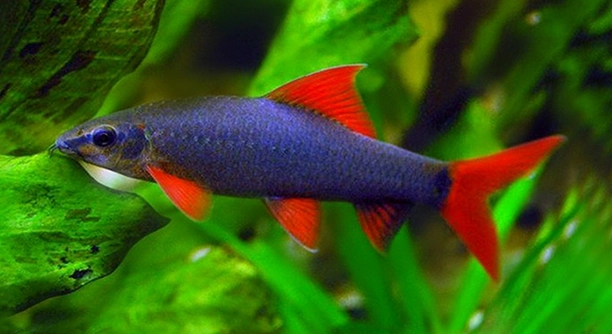
Is your rainbow shark acting restless, aggressive, or hiding more than usual? These changes could mean something about its environment isn’t quite right. Tank size plays a big role in your fish’s health and behavior.
Rainbow sharks often require more space than aquarists initially expect. A tank that is too small can lead to stress, increased territorial behavior, and health complications. Ensuring your fish has enough room is key to its overall well-being.
Learning to recognize the subtle signs early on can help prevent long-term issues and improve your fish’s quality of life.
Sign 1: Frequent Aggression Toward Tank Mates
Rainbow sharks can become aggressive when they don’t have enough room to establish their own territory. In a small tank, they feel crowded and often lash out at other fish. This aggression may appear as chasing, fin nipping, or guarding one section of the tank. While rainbow sharks are naturally territorial, this behavior becomes much more intense when space is limited. Smaller tanks don’t give other fish enough areas to retreat, which can lead to constant stress for everyone in the tank. If you notice this type of behavior happening often, your rainbow shark might need a larger environment.
Aggression is often one of the first signs of a space issue. A peaceful tank can quickly become tense when fish don’t have room to move freely or claim their own space.
A bigger tank allows your rainbow shark to develop a clear territory without having to fight for it. This reduces conflict with tank mates and creates a calmer atmosphere for all. Adding more decorations and hiding spots can help, but expanding the tank size is usually more effective. Fish in well-sized tanks tend to show more natural behavior and live healthier lives. If aggressive behavior continues, it’s worth evaluating the space available to each fish.
Sign 2: Constant Hiding or Staying in One Spot
Rainbow sharks that stay hidden all the time or hover in one area may be feeling overwhelmed or boxed in.
In cramped tanks, rainbow sharks can become withdrawn or unusually still. Unlike the active swimmers they usually are, these fish may spend too much time behind decorations or pressed against corners. Limited space reduces their sense of control, making them feel stressed and unsafe. This shift in behavior is easy to miss, especially if you’re used to seeing them active only during feeding. A tank that’s too small often leads to environmental stress, which can lower their immune response and overall health. It’s important to watch how much time your shark spends out in the open versus hiding. Even one extra foot of tank length can make a difference. Increasing tank space and improving layout can encourage your fish to explore more and act like their usual selves again.
Sign 3: Rapid Swimming or Pacing
Rainbow sharks that swim back and forth quickly, especially along the glass, may feel trapped. This behavior is often tied to stress caused by limited swimming space.
In a small tank, rainbow sharks don’t have enough room to swim the way they need to. These fish are naturally active and prefer to explore long stretches of open space. When they can’t do that, they may start pacing or darting along the glass. It’s their way of reacting to frustration or boredom. This behavior isn’t just a harmless quirk—it’s a sign that the environment is not meeting their needs. Without enough space, they’ll continue to show signs of stress, which can eventually lead to health problems. A longer tank with plenty of swimming room often helps reduce this type of movement and brings a noticeable change in their behavior.
Long-term pacing can also cause physical strain. Constant, repetitive movement puts pressure on their fins and may lead to injuries over time. The behavior can also affect water quality if they disturb the substrate too often. It’s not just about space—it’s about giving them a place where their natural habits are supported. Expanding the tank and providing a more structured layout with open swim paths can make a big difference.
Sign 4: Lack of Appetite
When rainbow sharks feel stressed or overwhelmed, they may begin to eat less. A tight environment can lower their comfort level, and that often shows in their feeding habits.
Not eating or showing less interest in food isn’t always a health problem—it can also be environmental. A tank that’s too small leaves your fish feeling uneasy. They may not feel secure enough to come out and eat, especially if they’re also dealing with tank mates invading their space. You might notice them ignoring food or waiting until others have eaten before approaching. Sometimes they’ll grab food and spit it out right after. While it’s easy to assume they’re just being picky, it’s often a sign that something about their setup isn’t working. Creating more space and giving them a better environment can often improve their appetite without needing medication or major changes to diet.
Sign 5: Territorial Behavior Expanding to the Whole Tank
When a rainbow shark feels cramped, it may start claiming the entire tank as its own. This behavior creates stress for other fish and leads to constant tension.
In a larger tank, rainbow sharks usually stick to one territory. But in smaller spaces, they don’t have enough room to settle.
Sign 6: Faded Color or Dull Appearance
A healthy rainbow shark typically shows bold and rich colors. When they start looking pale or dull, it can signal long-term stress. A small tank often limits their movement and comfort, leading to physical signs like faded color. Providing a larger, more balanced space helps bring back their natural vibrancy.
Sign 7: Sudden Change in Behavior
If your rainbow shark is acting differently—less active, more aggressive, or hiding more—it could be linked to outgrowing the tank.
FAQ
How large should my tank be for a rainbow shark?
Rainbow sharks need at least a 40-gallon tank to thrive comfortably. They are active swimmers and require plenty of space to establish territory and explore. Smaller tanks can cause stress and aggression, so providing extra room helps keep them healthy and happy.
Can adding decorations reduce the need for a bigger tank?
Decorations and plants can help create hiding spots and break up the tank visually, which may reduce stress. However, these additions do not replace the need for sufficient swimming space. Decorations should complement an adequately sized tank, not be a substitute for it.
What are common signs of stress in rainbow sharks besides aggression?
Stress can show as faded color, loss of appetite, constant hiding, or erratic swimming. These signs usually indicate the fish feels unsafe or uncomfortable in its environment. Monitoring these behaviors helps catch problems early.
Is it okay to keep multiple rainbow sharks in one tank?
Keeping multiple rainbow sharks together is generally not recommended unless the tank is very large, ideally 75 gallons or more. They are territorial and may become aggressive toward each other if space is limited.
How often should I upgrade my tank as my fish grows?
Rainbow sharks grow fairly quickly and can reach up to six inches. It’s best to plan for their adult size from the beginning. If you notice any signs of stress or aggressive behavior, consider upgrading sooner rather than later.
Can water quality issues mimic signs of needing more space?
Poor water quality often worsens stress symptoms and behavior problems. Regular cleaning, filtration, and water changes are essential, but they cannot fully fix issues caused by a tank that is too small. Space and water quality both play important roles.
Will a bigger tank reduce aggression completely?
Increasing tank size usually helps reduce aggression, but it doesn’t always stop it completely. Some individual fish may be more territorial by nature. Providing plenty of space, hiding places, and balanced tank mates can help manage behavior.
What tank mates are best for rainbow sharks?
Peaceful fish that occupy different areas of the tank work best. Avoid slow-moving or long-finned species that may be targets for aggression. Good choices include danios, barbs, and certain types of catfish.
How do I introduce a rainbow shark to a new, larger tank?
Move your rainbow shark carefully to avoid stress. Keep water parameters consistent between tanks. Introduce new tank mates slowly and rearrange decorations to help reduce territorial behavior. Monitor closely for any aggressive signs during the transition.
Is it normal for rainbow sharks to hide a lot?
Some hiding is normal, especially when adjusting to a new environment or during nighttime. Excessive hiding combined with other stress signs may indicate the tank is too small or the fish feels threatened. Increasing space often encourages more active behavior.
Final thoughts are important when caring for your rainbow shark. These fish need enough space to swim freely and feel comfortable. A tank that is too small can cause many problems like aggression, hiding, or stress. Paying attention to their behavior can help you know when they need more room. Observing changes early can prevent serious health issues.
Rainbow sharks are active and territorial by nature, so they benefit from a larger environment where they can establish their own space. A bigger tank reduces fights and gives them places to explore. Adding plants and decorations helps create hiding spots, but space is still the key. The more room they have, the better their overall health and behavior will be. If you notice signs like pacing, aggression, or faded colors, it’s often time to upgrade their tank.
Remember, keeping your rainbow shark happy and healthy means meeting their needs for space and comfort. While it might seem easier to keep them in a smaller tank at first, planning for their adult size is always better. A suitable environment supports natural behavior and reduces stress. Taking these steps not only improves your fish’s life but also makes your aquarium more enjoyable to watch.

Hello,
If you enjoy the content that we create, please consider saying a "Thank You!" by leaving a tip.
Every little bit helps us continue crafting quality advice that supports the health, happiness, and well-being of pets around the world, for pets of all shapes, sizes, and species.
We really appreciate the kindness and support that you show us!