How Often Should You Feed Your Piranha?
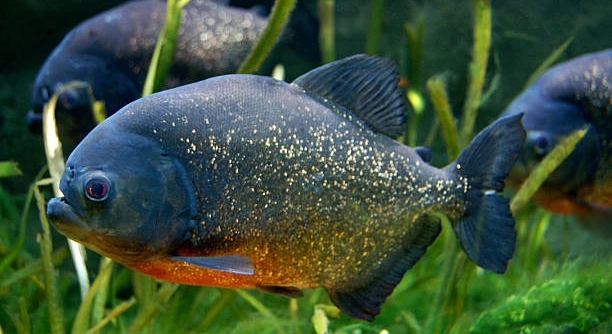
Feeding piranhas correctly is important for their health and behavior. Many fish owners are unsure how often to provide food for these unique freshwater predators. Proper feeding schedules help maintain their energy and overall well-being. Piranhas should be fed every one to two days, depending on their age, size, and activity level. Overfeeding can cause … Read more
7 Things to Check If Your Piranha Is Acting Weird

Is your piranha acting differently than usual, showing unusual behavior or signs of distress? These changes can indicate underlying problems that require attention. Observing your fish carefully helps in identifying potential health or environmental issues early. Unusual behavior in piranhas is often caused by water quality, diet, stress, illness, or tank conditions. Ensuring proper maintenance, … Read more

7 Ways to Tell If Your Piranha Recognizes You

Many people enjoy keeping piranhas as pets and want to understand their behavior better. Observing how these fish react to their owners can reveal interesting signs. Recognizing your piranha shows a unique bond between you and your aquatic pet. Piranhas can recognize their owners through consistent interaction, feeding habits, and visual cues. They respond differently … Read more

7 Facts About How Piranhas Navigate

Piranhas are fascinating fish known for their sharp teeth and swift movements in water. Understanding how they find their way through rivers and lakes adds an interesting layer to their behavior. This article explores key facts about their navigation skills. Piranhas use a combination of sensory organs, environmental cues, and social behaviors to navigate their … Read more

7 Tank Details Piranhas Pay Attention To

Piranhas are known for their sharp instincts and quick reactions in the water. Their behavior often depends on subtle signals from their environment. Understanding what tank details attract their attention is key to keeping them comfortable and healthy. Piranhas pay close attention to specific tank conditions such as water temperature, clarity, hiding spots, lighting, tank … Read more

7 Things That Cause Piranhas to Cluster Together

Piranhas are often seen swimming together in tight groups. This behavior helps them stay safe and work efficiently in their natural environment. Understanding why they cluster can give us insight into their habits and survival. Piranhas cluster together primarily for protection, social interaction, and feeding efficiency. Grouping reduces the risk of predators attacking individuals, improves … Read more

7 Reactions to New Scents in the Water

Have you ever noticed your aquatic pet reacting strangely when something new enters their tank, especially when it comes to unfamiliar smells? Aquatic animals can show a range of behavioral changes when exposed to new scents in the water. These reactions often include increased activity, hiding, avoidance, or curiosity, depending on the species and nature … Read more

7 Color Changes That Reveal Piranha Mood

Piranhas are known for their sharp teeth and fierce reputation, but their colors tell a story too. These fish change colors depending on their feelings and environment. Watching these changes can help us understand their mood better. Piranhas display seven distinct color changes that correspond to different emotional and physiological states, including aggression, stress, mating … Read more

How to Handle a Piranha Bite (What to Do Immediately)

A piranha bite can be sudden and alarming, especially if you are near their natural habitat or in an aquarium. Knowing how to respond quickly is important to reduce pain and prevent infection. Immediate care can make a significant difference in recovery. The first step after a piranha bite is to clean the wound thoroughly … Read more

7 Causes of Piranha Bloating Post Feeding

Piranhas are fascinating fish that many enjoy keeping in aquariums. After feeding, some owners notice their piranhas appear bloated or swollen. This common issue can be concerning without knowing the reasons behind it. Piranha bloating post feeding is mainly caused by overeating, poor water quality, infections, constipation, swim bladder disorders, stress, or improper diet. Each … Read more