
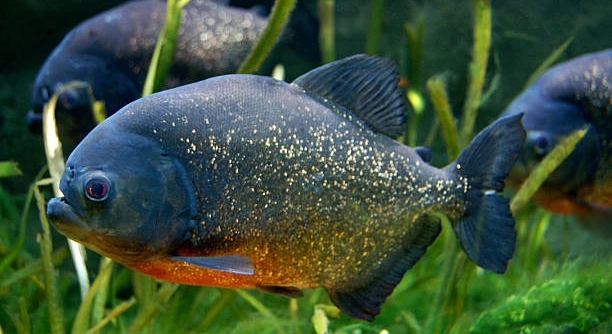
Feeding piranhas correctly is important for their health and behavior. Many fish owners are unsure how often to provide food for these unique freshwater predators. Proper feeding schedules help maintain their energy and overall well-being.
Piranhas should be fed every one to two days, depending on their age, size, and activity level. Overfeeding can cause water quality issues, while underfeeding may lead to malnutrition and aggression. A balanced routine supports their health effectively.
Understanding the right feeding frequency will improve your piranha’s care and ensure a healthy aquarium environment. This article explains how to meet their dietary needs clearly and effectively.
Understanding Piranha Feeding Habits
Piranhas are known for their sharp teeth and strong jaws, but their feeding habits are often misunderstood. In the wild, they eat a varied diet including fish, insects, and plant matter. They tend to feed in groups and are opportunistic feeders, meaning they eat when food is available but do not necessarily hunt constantly. In captivity, it is essential to mimic this natural pattern to avoid health problems. Feeding them every day may lead to overfeeding, which can cause obesity and poor water quality due to uneaten food. On the other hand, feeding too infrequently might stress them and affect their growth. Observing your piranha’s behavior can help determine the right balance. Younger piranhas need more frequent feeding to support their rapid growth, while adults can manage with fewer meals. A balanced feeding schedule promotes both their physical health and natural behavior in the tank.
Feeding piranhas regularly but not excessively keeps the aquarium cleaner and the fish healthier. It also reduces aggressive behavior triggered by hunger.
Maintaining a feeding routine tailored to your piranha’s age and activity is key. Avoid giving too much at once, and remove leftovers promptly to prevent water pollution. Feeding high-protein foods like fish or shrimp can mimic their natural diet. Variety helps maintain nutritional balance. This approach supports their immune system and vitality while limiting health risks common in captivity. Regular observation of your fish’s condition will guide adjustments in feeding frequency and quantity to ensure their long-term well-being.
Signs of Overfeeding and Underfeeding
Overfeeding piranhas leads to several visible signs, including sluggishness, bloating, and poor water conditions. Excess food decomposes quickly, producing ammonia that harms the fish and disrupts the tank’s balance. This may also encourage unwanted algae growth. If you notice leftover food after feeding time, it is likely you are offering too much. Underfeeding, on the other hand, causes weight loss, decreased activity, and sometimes aggression among piranhas competing for scarce resources. Monitoring these signs is important for maintaining a healthy environment.
Careful portion control prevents most feeding problems and supports tank health.
Adjusting food quantity based on your piranha’s behavior and appearance is essential. Begin with small portions and increase only if the fish consume all food within a few minutes. A balanced feeding plan avoids unnecessary waste and keeps the aquarium clean. Nutritional quality matters, so avoid filling the tank with filler foods that lack essential nutrients. Including occasional treats like bloodworms can boost their diet, but staple feeding should consist mainly of protein-rich options. Keeping a feeding log can help track changes in appetite or health. Proper feeding supports not only physical health but also the natural social dynamics of the group. This careful approach minimizes stress and keeps your piranhas thriving.
Best Foods for Piranhas
High-protein foods are essential for piranhas to thrive. Fresh or frozen fish, shrimp, and insects work well. Avoid processed foods with fillers or artificial additives.
Feeding your piranha a varied diet improves health and prevents boredom. Fresh fish like tilapia or small feeder fish are ideal. Shrimp and bloodworms provide necessary protein and nutrients. Occasionally, you can include plant-based items such as vegetables or algae wafers to supplement their diet. Avoid over-relying on any single food type to maintain a balanced nutritional intake. Proper diet supports growth, coloration, and energy levels, reflecting their natural eating habits.
Supplementing their diet with occasional treats encourages natural hunting behavior. This variety enhances their well-being and helps prevent dietary deficiencies. Removing uneaten food promptly maintains water quality, critical for piranha health.
Feeding Frequency Based on Age
Younger piranhas require feeding every day due to rapid growth and high energy needs. Adult piranhas can be fed every two days to avoid overfeeding.
Feeding juvenile piranhas daily supports proper development and strong immune systems. Their metabolism is faster, so they need consistent nutrition. In contrast, adult piranhas have slower metabolisms and require less frequent feeding. Overfeeding adults can lead to health issues such as obesity and poor water conditions. Adjusting feeding frequency as piranhas mature helps maintain their health and tank environment. Regular observation allows fine-tuning of the feeding schedule to match each fish’s individual needs, ensuring longevity and vitality.
Monitoring Your Piranha’s Appetite
A healthy piranha will show consistent interest in food. Sudden changes in appetite may indicate stress or illness.
Keep track of how much your piranha eats and how quickly. This helps identify potential health issues early and allows timely adjustments in feeding.
Avoiding Overfeeding Risks
Overfeeding can lead to obesity, poor water quality, and increased aggression. Removing uneaten food promptly is important.
Maintaining a proper feeding schedule reduces waste and helps keep the tank environment stable. This supports healthier fish and cleaner water.
Adjusting Feeding During Stress
Stress can reduce appetite or cause erratic eating behavior in piranhas. Adjust feeding amounts accordingly.
Reducing food intake during stressful periods helps prevent digestive issues and supports recovery. Watch for signs of stress like hiding or unusual swimming.
Using Feeding Tools
Feeding tools like tongs help control portions and prevent injuries.
Using tools allows for targeted feeding, minimizing waste and reducing aggression during feeding times.
FAQ
How much should I feed my piranha at each meal?
Feed small portions that your piranha can consume within two to three minutes. Overfeeding leads to leftover food, which pollutes the water. Start with a piece roughly the size of your piranha’s head, then adjust based on how quickly it finishes.
Can piranhas eat pellets or flakes?
Piranhas are primarily carnivorous and need a high-protein diet. While some pellets formulated for carnivorous fish can be used, they should not be the main food source. Pellets lack variety and can lead to nutritional deficiencies if overused. Fresh or frozen meat-based foods are better.
Is it okay to feed piranhas feeder fish?
Feeder fish can be fed occasionally but should be used with caution. They may carry diseases or parasites that harm your piranha. If using feeder fish, ensure they are healthy and quarantined. It’s safer to offer frozen or prepared alternatives.
How often can I give treats like bloodworms or shrimp?
Treats should be given sparingly, about once or twice a week. These foods add variety and enrich your piranha’s diet but should not replace staple foods. Too many treats can upset their digestion and lead to imbalance.
What signs indicate my piranha is not eating enough?
Look for weight loss, lethargy, and increased aggression. A piranha refusing food for several days may be stressed or sick. If appetite loss continues, check water quality and consider consulting a vet specialized in fish.
What happens if I feed my piranha every day versus every other day?
Feeding juveniles daily supports growth, but adults only need feeding every one to two days. Daily feeding for adults risks overfeeding and poor water quality. Spacing meals allows the fish to digest fully and maintain natural behaviors.
Can piranhas eat plant matter?
Piranhas mainly eat meat, but they sometimes consume plant material in the wild. In captivity, small amounts of vegetables like spinach or peas can be offered occasionally. This helps provide fiber and some nutrients, but should not be a primary food source.
Should I adjust feeding during breeding or molting periods?
Yes, during breeding or molting, piranhas may require slightly more food to support energy needs. Observe their behavior and increase feeding modestly, ensuring not to overfeed. Nutrient-rich foods can also aid recovery during these times.
How do I know if my piranha is overeating?
Signs include bloating, sluggish movement, and leftover food in the tank. Overeating can also cause poor water conditions, increasing ammonia and nitrite levels. Monitoring feeding amounts and removing uneaten food promptly helps prevent these problems.
Is it necessary to fast piranhas one day a week?
Some keepers fast their piranhas once a week to help clear their digestive systems. This practice can reduce the risk of constipation and bloating. However, it is not mandatory. If you choose to fast, observe the fish closely for any stress or negative effects.
Can feeding frequency affect piranha aggression?
Yes, hunger can increase aggression among piranhas. Keeping a consistent feeding schedule reduces competition and stress. Avoid skipping meals or feeding too infrequently, which can lead to fighting and injury.
What are the best frozen foods for piranhas?
Frozen bloodworms, shrimp, and small fish pieces are ideal. These provide balanced protein and are easy to portion. Always thaw frozen foods properly before feeding to avoid harming your fish.
How important is variety in a piranha’s diet?
Variety is essential for balanced nutrition and preventing boredom. Feeding different protein sources ensures your piranha receives all necessary vitamins and minerals. Rotate foods regularly, but maintain high-protein staples.
Can piranhas be fed human food?
Feeding human food is generally not recommended. Foods like raw meat or fish may carry harmful bacteria or additives. Avoid processed or seasoned foods to protect your piranha’s health.
What should I do if my piranha refuses to eat?
Check water quality immediately, as poor conditions often cause appetite loss. Also, consider changes in tank mates, temperature, or stressors. If no environmental issues are found, try offering different foods or consult a veterinarian for diagnosis.
How long can piranhas go without food?
Healthy adult piranhas can survive a week or more without food, but extended fasting weakens them. Avoid prolonged periods without feeding except during brief fasting days for digestive health. Always resume feeding as soon as possible.
Feeding your piranha properly is a key part of maintaining its health and well-being. Understanding how often and what to feed helps create a balanced environment in the tank. Consistency in feeding schedules, along with providing a varied diet, supports natural behavior and growth. Overfeeding or underfeeding can cause health problems and affect water quality, so paying attention to your fish’s needs is important. Regularly observing their eating habits helps identify any changes that might signal stress or illness early on. A healthy feeding routine benefits both your piranha and the overall tank ecosystem.
It is essential to remember that piranhas are carnivorous fish that thrive on high-protein foods. Fresh or frozen fish, shrimp, and insects offer the best nutrition. Pellets can be used occasionally but should not replace fresh food sources. Feeding younger piranhas daily supports their fast growth, while adults do well with feeding every other day. Avoid feeding human food or too many treats, as this can lead to digestive problems or poor health. Removing leftover food quickly helps keep the water clean and reduces the risk of disease.
Maintaining proper feeding habits is part of responsible fish care. It ensures that your piranha stays strong and active while reducing common problems like obesity and poor water conditions. Adjusting feeding frequency and portion size based on your piranha’s age, appetite, and health will help maintain balance. When feeding, keep portions manageable to avoid waste. Feeding tools can assist with controlling amounts and targeting food. By following these guidelines, your piranha will enjoy a stable diet and a better quality of life in your aquarium.

Hello,
If you enjoy the content that we create, please consider saying a "Thank You!" by leaving a tip.
Every little bit helps us continue crafting quality advice that supports the health, happiness, and well-being of pets around the world, for pets of all shapes, sizes, and species.
We really appreciate the kindness and support that you show us!