
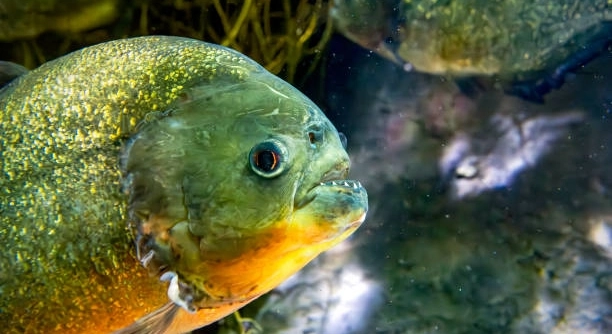
Piranhas are known for their sharp teeth and fierce reputation, but their colors tell a story too. These fish change colors depending on their feelings and environment. Watching these changes can help us understand their mood better.
Piranhas display seven distinct color changes that correspond to different emotional and physiological states, including aggression, stress, mating readiness, and calmness. These color variations serve as visual signals within their social interactions and survival strategies.
Recognizing these shifts can deepen your appreciation of piranhas beyond their fearsome image and reveal fascinating details about their behavior.
Color Changes Indicating Aggression
When a piranha feels threatened or aggressive, its body color often shifts to a darker, almost black shade. This change helps warn other fish to stay away and signals readiness to defend itself. The darkening is most visible around the head and fins, where the color deepens significantly. This aggressive coloring is not just for show; it’s a survival tactic that helps avoid unnecessary fights by warning others ahead of time. In groups, aggressive piranhas will stand out clearly, making it easier for others to recognize potential conflict. These dark hues may intensify when a piranha is competing for food or territory. Observing this change can help in managing aquariums or understanding behavior in the wild, as it shows when the fish is on edge or stressed. Being aware of these signs can improve care and safety for both piranhas and those around them.
Dark color changes indicate aggression and stress, serving as warnings to others and protecting the piranha from threats.
Understanding this behavior makes it easier to recognize when a piranha feels threatened and helps prevent conflicts in shared environments.
Color Changes Showing Mating Readiness
Piranhas exhibit bright red or orange hues along their bellies and fins when they are ready to mate. This vivid coloring is a way to attract potential partners and show reproductive health. Unlike the dark color of aggression, these bright colors are a positive signal, indicating vitality and willingness to reproduce. During breeding season, the intensity of the red or orange can increase, making the fish more noticeable in murky waters. These colors help piranhas find each other in crowded or complex habitats where visibility is limited. The bright coloring usually lasts only during the mating period and fades afterward. This temporary change highlights the importance of color signals in their life cycle. Recognizing these colors helps identify when piranhas are preparing to reproduce, which can be useful for breeders or researchers studying their behavior. Keeping track of this can also provide insight into the health and environment of the fish.
Color Changes Linked to Stress
When piranhas feel stressed, their colors often become paler or duller than usual. This change reflects discomfort or poor water conditions. A stressed piranha may lose its bright markings and appear washed out.
Pale coloring is a sign that the fish is struggling to cope with its environment. Causes of stress can include overcrowding, poor water quality, or sudden changes in temperature. When stressed, piranhas may become less active and more prone to illness. Monitoring their color can give early warnings about their well-being. Ensuring stable and clean conditions helps maintain their natural colors and overall health.
Recognizing stress through color changes is important for anyone keeping piranhas. It allows quick adjustments to the habitat before problems worsen. Stress-related fading is reversible if the fish is returned to better conditions, which can improve their mood and appearance significantly.
Color Shifts During Feeding Time
Piranhas often brighten in color right before feeding, showing increased red or orange on their bodies. This signals excitement and readiness to hunt or compete for food.
This color boost helps piranhas coordinate group feeding and signals aggression toward competitors. It also makes them more visible to one another during feeding frenzy moments. The color intensity usually lasts only while food is present and fades after eating.
These changes reflect the piranhas’ natural behavior as opportunistic feeders. Watching for this color shift can help in timing feeding sessions or understanding their social interactions. It’s a clear sign of their heightened alertness and energy focused on feeding.
Color Changes in Social Interaction
Piranhas often show subtle color shifts when interacting with each other. These changes help establish social hierarchy within the group.
Darker or more intense colors usually indicate dominance, while paler tones suggest submission. This visual communication keeps the group stable and reduces conflicts.
Color Changes Due to Illness
When piranhas get sick, their colors often fade or become blotchy. These irregular patterns can indicate infections or poor health. Monitoring color changes can help catch illness early and improve chances of recovery through proper care.
Color Variations from Environmental Changes
Piranhas adjust their color to match their surroundings, becoming lighter or darker depending on water clarity and light levels. This helps with camouflage and protection from predators.
What causes piranhas to change color?
Piranhas change color mainly due to their mood, health, and environment. Factors like stress, aggression, mating readiness, and illness all trigger different color shifts. Changes in water conditions such as light, temperature, and clarity also influence their coloring. These shifts help piranhas communicate and adapt.
How can I tell if a piranha is stressed by its color?
A stressed piranha usually becomes paler or loses its bright markings. The colors look washed out, signaling discomfort or poor conditions. If you notice this, it’s a sign to check water quality, temperature, and tank setup. Stress can harm their health if not addressed quickly.
Do piranhas change color when they are hungry?
Yes, piranhas often brighten, showing more red or orange on their bodies before feeding. This signals excitement and readiness to compete for food. The color intensity lasts during feeding and fades afterward, indicating their energy and focus.
Why do piranhas darken when aggressive?
Piranhas darken, especially around the head and fins, to warn others when feeling threatened or ready to fight. This dark color serves as a visual threat to avoid physical confrontations. It’s a survival tactic seen in many fish species.
Can illness cause color changes in piranhas?
Illness often causes dull or blotchy colors. These changes suggest infections or poor health. Watching for unusual color patterns helps catch health problems early. Prompt treatment and clean water can improve their condition.
How long do piranha color changes last?
The duration depends on the cause. Stress-related pale colors can last until the environment improves. Aggressive or feeding colors usually appear briefly during those moments. Mating colors may last longer through the breeding season but fade afterward.
Are color changes permanent in piranhas?
Most color changes are temporary and reflect current conditions or moods. Permanent changes can occur if illness causes damage or if a piranha ages. Generally, healthy piranhas return to normal coloring when conditions improve.
Does water quality affect piranha color?
Yes, poor water quality often dulls colors or causes fading. Clean, well-maintained water supports brighter, more vibrant colors. Good water conditions reduce stress, helping piranhas maintain their natural appearance.
Can piranhas change color to blend with their environment?
Piranhas do adjust their coloring slightly to match light and surroundings. This helps with camouflage and avoiding predators. The changes are usually subtle and work best in murky or dark water.
Should I worry if my piranha changes color suddenly?
Sudden changes often mean the fish is reacting to something—stress, illness, or environment. It’s a good idea to check water quality, tank mates, and health status. Acting quickly can prevent bigger problems.
How do breeders use piranha color changes?
Breeders watch color changes, especially bright mating colors, to know when piranhas are ready to reproduce. This helps with timing and success rates. Understanding color signals makes breeding easier and more efficient.
Can lighting affect how piranha colors appear?
Lighting greatly affects color visibility. Bright lights can enhance colors, while dim or unnatural light may dull them. Proper aquarium lighting helps show piranhas at their best and supports natural behaviors.
Do juvenile piranhas show the same color changes as adults?
Juvenile piranhas have less intense colors but still change based on mood and health. Their patterns develop over time, becoming more defined as they grow. Watching young piranhas’ colors can give early clues about their well-being.
What should I do if my piranha loses color and seems inactive?
Loss of color with low activity usually means stress or illness. Test water quality, observe for signs of disease, and consider separating it from others if needed. Improving the environment and consulting a vet or expert can help recovery.
Understanding piranha color changes can greatly improve how we care for these fish and observe their behavior. Their colors are not just about appearance but serve as important signals about their mood, health, and environment. By paying attention to these changes, whether it’s darkening from aggression, brightening before feeding, or fading due to stress or illness, we gain a better idea of what the fish is experiencing. This knowledge helps in creating better living conditions for piranhas, whether in aquariums or in natural habitats.
Color changes can act as early warning signs. For example, if a piranha becomes pale or loses its usual brightness, it could mean it is stressed or sick. This gives caretakers a chance to check water quality, tank setup, or look for signs of disease before the problem worsens. On the other hand, bright red or orange colors often mean the fish is healthy and ready to mate. Understanding these signals can make a big difference in managing piranhas properly and avoiding unnecessary stress or conflicts among the fish.
In the end, watching piranha colors can be a useful and rewarding way to learn more about these fascinating creatures. Their shifting colors tell stories of their needs and feelings, which are otherwise hard to understand. Taking the time to observe and respond to these changes supports their well-being and helps build a closer connection between the fish and those caring for them. This simple practice can improve both the health of the piranhas and the experience of those who enjoy watching them.

Hello,
If you enjoy the content that we create, please consider saying a "Thank You!" by leaving a tip.
Every little bit helps us continue crafting quality advice that supports the health, happiness, and well-being of pets around the world, for pets of all shapes, sizes, and species.
We really appreciate the kindness and support that you show us!