
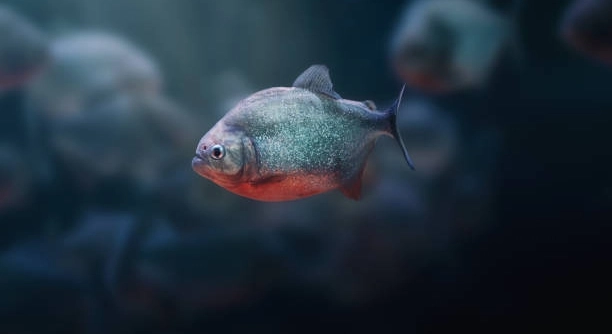
Is your piranha acting differently than usual, showing unusual behavior or signs of distress? These changes can indicate underlying problems that require attention. Observing your fish carefully helps in identifying potential health or environmental issues early.
Unusual behavior in piranhas is often caused by water quality, diet, stress, illness, or tank conditions. Ensuring proper maintenance, balanced feeding, and a suitable environment can prevent many common problems and promote the fish’s well-being.
Knowing what to check can help you respond quickly and keep your piranha healthy. This article covers key areas to examine if your fish is behaving oddly.
Water Quality Issues
Poor water quality is a leading cause of unusual behavior in piranhas. Ammonia, nitrite, and nitrate levels can rise quickly in tanks that are not regularly cleaned or cycled. High levels of these chemicals are toxic and can stress the fish, causing them to act erratically or hide more than usual. Testing water parameters frequently and performing partial water changes can help maintain a stable environment. Temperature fluctuations or improper pH levels can also affect piranha behavior, making it essential to keep these consistent. Using a reliable water testing kit and keeping the tank clean will reduce the risk of water-related problems.
Keeping water clean and balanced prevents many health issues. Regular testing and water changes should be part of your tank maintenance routine to avoid stress and illness.
If water conditions are poor, piranhas may become lethargic or overly aggressive. Improving water quality often leads to rapid improvement in their behavior. Consistent monitoring helps identify small changes before they become serious problems. Proper filtration and avoiding overfeeding also contribute to better water quality, promoting a healthier tank environment for your fish.
Diet and Feeding Habits
Diet plays a significant role in your piranha’s behavior. Feeding them an unbalanced diet or overfeeding can cause digestive issues and lethargy. Piranhas require a diet high in protein, including live or frozen foods like fish, shrimp, or insects. Avoid feeding too much processed food, which lacks necessary nutrients. Feeding frequency should be controlled—too many meals can pollute the water and lead to obesity, while too few can weaken the fish. Observing how your piranha responds to feeding helps in adjusting the diet accordingly.
Feeding the right diet supports natural behavior and health.
Providing a varied, protein-rich diet ensures your piranha gets essential nutrients. Overfeeding may result in cloudy water and health problems. Feeding once or twice a day in moderate amounts usually works best. Remove uneaten food promptly to prevent water contamination. Watching your fish during feeding can indicate appetite and alert you to any health concerns. A balanced diet contributes to normal activity levels and vibrant coloration.
Stress Factors
Stress is common among piranhas and can trigger strange behavior. Changes in their environment, such as new tank mates or loud noises, can increase stress levels. Stress weakens the immune system and may lead to illness if not addressed promptly.
Piranhas are territorial fish that need enough space and hiding spots to feel secure. Overcrowding or aggressive tank mates can cause constant stress. Keep tank decorations simple but sufficient for hiding. Avoid sudden changes in water conditions or lighting, as piranhas are sensitive to fluctuations. Regular, gentle handling and maintenance help reduce stress. Watching your fish’s behavior can indicate if the environment is stressful, such as frequent hiding or frantic swimming.
Maintaining a calm and stable environment is key. Avoid overcrowding and aggressive fish that provoke your piranha. Consistency in care routines will help reduce stress-related behavior and keep your fish healthy.
Disease and Parasites
Signs of disease or parasites often explain abnormal behavior. Symptoms include faded colors, clamped fins, or visible spots on the body. Early detection allows for more effective treatment and reduces the risk of spreading disease to other tank inhabitants.
Piranhas are prone to bacterial infections, fungal growths, and parasites like ich. Quarantining new fish before adding them to the tank helps prevent introducing diseases. Treatment depends on the specific illness but often includes medicated water or dietary supplements. Maintaining clean water and reducing stress strengthen the piranha’s immune system, aiding recovery. Regular observation is critical to catch signs early and act quickly.
Prompt identification and treatment of health issues are vital to prevent worsening conditions. Consistent tank hygiene supports disease prevention and overall fish welfare.
Tank Size and Space
Piranhas need adequate space to swim freely. A small tank can cause stress and aggressive behavior. Ensuring enough room for your fish promotes healthier activity and reduces territorial disputes.
A minimum of 20 gallons per piranha is recommended. Crowded tanks lead to poor water quality and increased stress.
Lighting Conditions
Proper lighting affects piranha behavior. Too much light can cause stress, while too little may affect their natural rhythms. A balanced day-night cycle supports normal activity.
Use a timer to maintain consistent lighting. Adjust brightness according to the tank environment and piranha response.
Water Temperature
Stable water temperature is essential for piranha health. Sudden drops or spikes can cause lethargy or erratic behavior. Maintain temperatures between 74°F and 82°F for optimal well-being.
Use a reliable heater and thermometer to monitor tank temperature closely.
FAQ
Why is my piranha hiding more than usual?
Hiding often signals stress, illness, or discomfort. Poor water quality, aggressive tank mates, or insufficient hiding spots can cause your piranha to retreat. Check water parameters and tank conditions first. Ensure your piranha has enough space and suitable decorations to feel safe. Frequent hiding should not be ignored as it may indicate a deeper problem.
How can I tell if my piranha is sick?
Look for changes in color, appetite, swimming patterns, or fin condition. Symptoms such as clamped fins, white spots, or lethargy usually point to illness or parasites. If you notice any of these signs, test the water and consider isolating the affected fish for treatment. Prompt action improves recovery chances.
What is the ideal diet for a piranha?
Piranhas require a high-protein diet including live or frozen fish, shrimp, and insects. Avoid overfeeding and processed foods, which lack nutrients. Feeding once or twice daily in moderate portions helps maintain good health. Remove uneaten food promptly to prevent water pollution.
Can tank size affect piranha behavior?
Yes, small tanks can cause stress and aggression. Piranhas need at least 20 gallons per fish to swim comfortably and establish territories. Crowded environments lead to poor water quality and unhealthy interactions. Providing enough space promotes calmer behavior.
How often should I change the water?
Regular water changes are essential to keep toxin levels low. A weekly 25-30% water change is usually sufficient, but this can vary with tank size and stocking levels. Always test water quality before and after changes to ensure stability.
Why does my piranha act aggressive suddenly?
Aggression can increase due to stress, overcrowding, or breeding behavior. Changes in the environment, such as new tank mates or water quality shifts, may also trigger aggression. Managing tank conditions and providing hiding spots helps reduce stress-induced aggression.
What water temperature do piranhas prefer?
Piranhas thrive between 74°F and 82°F. Temperatures outside this range can cause lethargy or erratic swimming. Use a heater and thermometer to maintain a stable temperature, avoiding sudden fluctuations.
Is piranha behavior affected by lighting?
Yes, improper lighting can stress piranhas. Too much light causes discomfort, while too little disrupts natural activity cycles. Maintaining a balanced day-night cycle with a timer helps regulate behavior.
How can I reduce stress for my piranha?
Stress can be minimized by keeping water parameters stable, providing adequate tank space, avoiding overcrowding, and maintaining a consistent care routine. Gentle handling and a calm environment also support stress reduction.
What should I do if my piranha refuses to eat?
Loss of appetite can signal illness, stress, or poor water quality. Test water parameters, check for signs of disease, and ensure the tank environment is suitable. Try offering varied high-protein foods to encourage feeding. If the problem persists, consult a specialist.
Can piranhas live with other fish?
Piranhas are territorial and aggressive, so they generally do better alone or with similar-sized tank mates. Avoid small or slow fish that could become targets. Research compatible species carefully before introducing new fish.
How do I prevent diseases in my piranha tank?
Maintain clean water with regular changes and proper filtration. Quarantine new fish before adding them to the tank. Avoid overcrowding and keep stress levels low. Early detection of health problems through observation is key.
What are common parasites affecting piranhas?
Ich and external parasites are common and cause visible spots, scratching, or lethargy. Treatments include medicated baths and water conditioners. Maintaining good tank hygiene helps prevent infestations.
How long do piranhas usually live?
With proper care, piranhas can live 10 to 15 years in captivity. Their lifespan depends on good water quality, diet, and stress management. Regular monitoring and proper tank conditions contribute to longevity.
Is it normal for piranhas to be inactive sometimes?
Yes, periods of rest or inactivity are normal, especially at night or after feeding. However, prolonged lethargy may indicate stress, illness, or poor water conditions. Monitor behavior closely to distinguish normal rest from health issues.
Final Thoughts
Piranhas are fascinating fish with unique behaviors that can sometimes seem unusual or concerning. Understanding their basic needs is essential to keeping them healthy and comfortable in an aquarium setting. When a piranha acts differently, it often signals an underlying issue that requires attention. Common causes include stress, poor water quality, illness, or unsuitable tank conditions. By regularly monitoring your fish’s environment and behavior, you can detect problems early and take appropriate steps to address them. This proactive approach helps maintain a stable and healthy habitat for your piranha.
Maintaining good water quality is one of the most important factors in preventing behavioral problems. Piranhas need clean, well-oxygenated water within specific temperature and pH ranges. Regular water changes and filtration keep harmful substances at safe levels. In addition, the tank size and layout matter. Piranhas require enough space to swim freely and territories to reduce conflicts. Providing hiding spots and avoiding overcrowding helps lower stress and aggressive behaviors. Keeping consistent lighting and a proper diet also supports their overall well-being. Each element works together to create an environment where your piranha can thrive.
Observing your piranha’s habits closely can reveal a lot about its health. Changes in appetite, swimming patterns, or appearance should not be ignored. These signs may point to illness, parasites, or stressors that need to be addressed. Timely intervention with water adjustments, diet improvements, or medical treatment can prevent worsening conditions. Learning about piranhas’ natural behaviors and environmental needs equips you to care for them effectively. This knowledge, combined with routine maintenance and observation, forms the foundation for a healthy and balanced aquarium. Taking these steps ensures your piranha remains active, healthy, and shows its natural behaviors consistently.

Hello,
If you enjoy the content that we create, please consider saying a "Thank You!" by leaving a tip.
Every little bit helps us continue crafting quality advice that supports the health, happiness, and well-being of pets around the world, for pets of all shapes, sizes, and species.
We really appreciate the kindness and support that you show us!