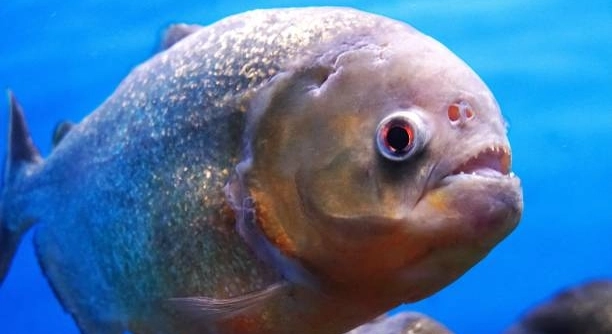
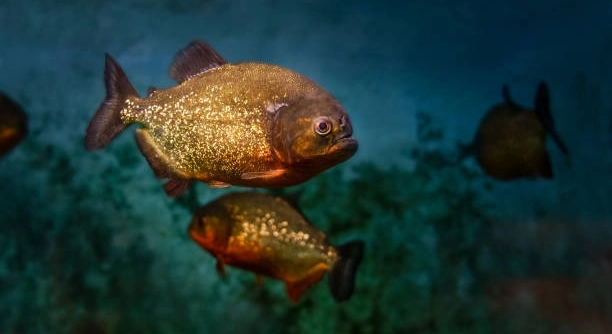
7 Subtle Signs of Poor Piranha Health

Piranhas are fascinating fish that many keep in home aquariums. Like all pets, they can show signs when something is wrong. Recognizing subtle changes in their behavior and appearance is important for maintaining their health. Poor piranha health often manifests through changes such as decreased appetite, lethargy, abnormal swimming patterns, visible injuries, discoloration, fin damage, … Read more
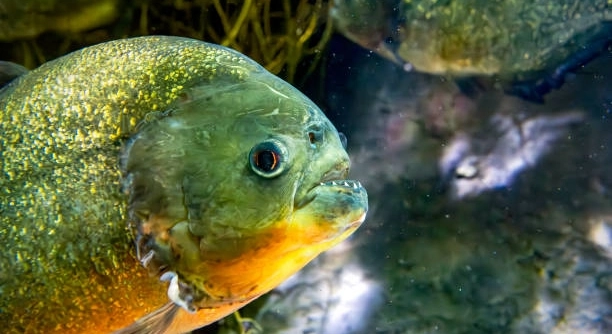
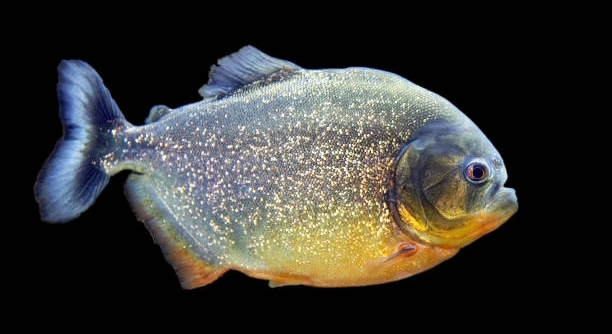
7 Fast Swimming Patterns That Signal Change

Fast swimming often signals shifts in aquatic behavior or environment. Many species exhibit quick, sudden movements that indicate changes around them. Recognizing these patterns can help understand what is happening beneath the water’s surface. Fast swimming patterns in aquatic animals typically indicate stress, territorial defense, mating behavior, or environmental changes. These movements serve as communication … Read more

7 Moments When Piranhas Freeze in Place

Piranhas are often seen as fierce, fast-moving fish, but there are moments when they suddenly stop and freeze. This behavior can seem surprising since they are usually active hunters. Understanding these moments gives us a clearer view of their natural habits. Piranhas freeze in place during specific environmental and social triggers such as temperature changes, … Read more

Can Piranhas Get Bored of the Same Food?

Piranhas are well-known for their sharp teeth and aggressive feeding habits. Many people keep them in aquariums and feed them regularly. Observing their eating behavior raises questions about their interest in food variety and whether they get tired of eating the same thing. Piranhas, like many fish, have limited cognitive abilities related to food preference … Read more

7 Reasons Your Piranha Is Losing Color

Are your piranha’s colors starting to fade, leaving them looking dull? Many fish owners notice this change and wonder what might be causing it. Color loss can indicate several underlying issues that affect your piranha’s health. Piranhas lose color due to factors such as poor water quality, inadequate diet, stress, illness, or insufficient lighting. Each … Read more

7 Items Piranhas Often Mistake for Food

Piranhas are known for their sharp teeth and strong jaws. They often attack things that look like food in their environment. Understanding what these fish mistake for food can help people better interact with them. Piranhas frequently confuse shiny objects, moving debris, and unusual shapes with food items due to their instinctive feeding behavior and … Read more

7 Piranha Traits That Don’t Get Enough Credit

Piranhas often get a bad reputation for being fierce and dangerous fish in popular culture. Many people think of them only as aggressive predators in rivers and lakes. However, these creatures have some traits that are quite impressive and less known. Piranhas possess several unique characteristics that deserve more recognition, including their complex social behavior, … Read more

7 Things That Change in Piranha Feeding Order

Piranhas are known for their intense feeding behavior, which follows a specific order during group feeding. Understanding how their feeding order changes can provide insights into their social interactions and survival strategies. These changes may affect both individual fish and the group dynamics. Several factors influence the changes in piranha feeding order, including size, hunger … Read more

7 Indicators That Your Piranha Is Thriving

Many people keep piranhas as pets but may not always recognize the signs of a healthy, thriving fish. Observing specific behaviors and physical traits helps owners ensure their piranhas live well in captivity. This article outlines key indicators to watch for. A thriving piranha exhibits clear eyes, vibrant colors, active swimming, regular feeding behavior, and … Read more

7 Silent Signals Piranhas Use Around Mates

Piranhas use more than just their sharp teeth to communicate, especially around mates. These fish rely on subtle behaviors and signals to maintain relationships and avoid conflict within their groups. Understanding these silent cues reveals much about their social lives. Piranhas employ various nonverbal signals such as body posture, fin movements, and color changes to … Read more