
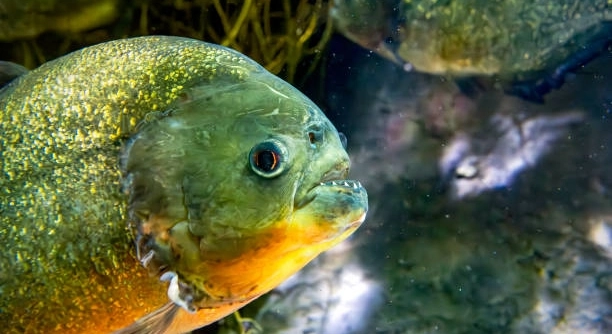
Fast swimming often signals shifts in aquatic behavior or environment. Many species exhibit quick, sudden movements that indicate changes around them. Recognizing these patterns can help understand what is happening beneath the water’s surface.
Fast swimming patterns in aquatic animals typically indicate stress, territorial defense, mating behavior, or environmental changes. These movements serve as communication signals or responses to external stimuli, reflecting adaptation and survival strategies within their habitats.
Identifying these behaviors can improve awareness of aquatic life and their responses to change. Observing these patterns offers valuable insight into underwater ecosystems and animal interactions.
Rapid Darting Movements
Rapid darting is a common fast swimming pattern signaling sudden alertness or escape. Fish and aquatic animals often perform quick bursts of speed when detecting nearby predators or threats. This behavior helps them evade danger and reposition quickly. Such movements may also occur during hunting, allowing predators to close the distance to prey efficiently. Rapid darting can be triggered by changes in light, water currents, or the presence of other animals. Observing this pattern often indicates heightened environmental awareness or immediate reaction to stimuli.
This quick movement helps fish survive by avoiding harm or capturing food in a timely manner. It is an instinctive response shaped by their environment.
Rapid darting serves a critical survival function. It is a high-energy action that demands precision and speed. In many species, it signals urgent environmental changes or the presence of threats. This pattern contrasts with slower, exploratory swimming, emphasizing the animal’s focus on safety or food acquisition.
Consistent Fast Circling
Consistent fast circling occurs when aquatic animals swim rapidly in repeated loops. This pattern often indicates territorial behavior or mating displays. Fast circling signals to others the presence of dominance or readiness to reproduce. It may also help animals mark their space or assert control over resources. This behavior is common in fish species that defend nests or feeding areas. Circling can increase in speed and intensity during mating seasons, reflecting heightened competition or attraction.
Fast circling communicates control and reproductive status.
This swimming pattern is a purposeful, energetic behavior. Animals use it to establish boundaries or attract mates, often accompanied by changes in coloration or body posture. Repeated loops create a visual display that warns intruders or signals fitness to potential partners. It is a clear sign that something important is happening within the aquatic environment, whether for survival or reproduction. Understanding this helps interpret animal interactions and environmental changes in their habitats.
Sudden Burst Sprints
Sudden burst sprints occur when aquatic animals accelerate rapidly over short distances. This behavior often indicates urgent escape from threats or swift pursuit of prey.
These sprints require a rapid energy release, allowing animals to create distance from predators or catch fast-moving food. They are usually brief but intense, signaling immediate environmental changes or dangers. Animals rely on these bursts to survive in unpredictable habitats where quick reactions are essential.
The physical demand of sudden sprints means animals use this pattern selectively. Overuse could lead to exhaustion or vulnerability, so they balance quick escapes with calmer behaviors. This swimming style shows a high level of responsiveness to changing conditions in their surroundings.
Frantic Zigzagging
Frantic zigzagging is a rapid, erratic swimming pattern that reflects confusion or distress. It is common when animals feel threatened or disoriented by changes in their environment.
This swimming style serves to confuse predators, making it difficult to predict the animal’s next move. Zigzagging may also help animals navigate around obstacles quickly when startled. This behavior can indicate disrupted water conditions or nearby disturbances affecting their usual movement patterns.
When animals display frantic zigzagging, it often signals stress or a need to escape rapidly. This pattern reveals the animal’s attempt to regain control in a chaotic situation, highlighting environmental shifts or threats that require immediate attention.
Rapid Direction Changes
Rapid direction changes are sudden shifts in swimming paths. This behavior often helps animals avoid obstacles or predators quickly.
Such movements improve agility in tight spaces. They allow animals to react instantly to environmental cues, enhancing survival chances in complex habitats.
Repeated Fast Dashes
Repeated fast dashes indicate persistent movement, often linked to hunting or territorial defense. This pattern shows determination and energy, signaling ongoing activity in the environment.
It may also represent a response to persistent disturbance, where animals need to maintain speed to assert control or avoid threats effectively.
Accelerated Surface Swimming
Accelerated surface swimming involves fast movement near the water’s surface. It often relates to feeding or breathing behaviors, signaling increased activity or environmental changes.
Sudden Stops
Sudden stops in swimming patterns indicate alertness or readiness to react. This pause often precedes quick movements or responses to stimuli, showing heightened awareness.
What causes fast swimming patterns in aquatic animals?
Fast swimming patterns in aquatic animals are typically caused by environmental stimuli such as the presence of predators, availability of food, mating behavior, or changes in water conditions. These patterns help animals respond quickly to threats or opportunities, ensuring survival and reproduction.
How do fast swimming patterns help animals avoid predators?
Fast swimming allows animals to escape predators by quickly increasing the distance between them. Sudden bursts, rapid direction changes, and erratic movements confuse predators and reduce the chance of capture. This behavior is a key survival tactic in many aquatic species.
Can fast swimming indicate stress in aquatic animals?
Yes, fast swimming often signals stress or discomfort. Sudden or frantic movements may indicate that an animal feels threatened, is injured, or is experiencing poor water quality. Observing these patterns can alert caretakers or researchers to potential problems in the environment.
Are mating behaviors linked to fast swimming?
Many species use fast swimming as part of their mating rituals. Rapid circling or repeated dashes may signal readiness to mate or assert dominance. These energetic displays attract partners or ward off competitors during breeding seasons.
Do all aquatic animals display fast swimming patterns?
Not all aquatic animals exhibit fast swimming. Some species rely on camouflage or slow movements to survive. However, many fish and marine mammals use fast swimming for hunting, defense, or social interaction, making it a common survival strategy.
How can observing swimming patterns help in studying aquatic life?
Swimming patterns reveal behavior and environmental changes. Researchers can interpret fast swimming as signs of danger, social interaction, or habitat changes. This helps in monitoring ecosystem health and animal welfare without intrusive methods.
Is fast swimming always voluntary?
Fast swimming is usually voluntary but can also be a reflexive response to immediate danger. Animals balance energy use by reserving fast swimming for necessary situations, avoiding exhaustion.
What environmental changes trigger fast swimming?
Changes like water temperature shifts, chemical pollutants, increased light, or physical disturbances can trigger fast swimming. Animals respond to these changes to protect themselves or adapt to new conditions.
Can fast swimming patterns affect energy levels?
Yes, fast swimming uses significant energy. Animals typically limit these behaviors to essential moments to conserve energy. Prolonged fast swimming can lead to fatigue, impacting health and survival.
How do aquatic animals communicate using swimming patterns?
Swimming speed and patterns can signal mood, intentions, or warnings. For example, fast circling can show dominance, while sudden sprints might warn others of danger. These nonverbal cues are vital in aquatic social structures.
Are there differences in fast swimming between freshwater and marine animals?
Freshwater and marine animals may show different fast swimming patterns based on their habitats. Currents, predators, and prey types influence how and why animals swim fast. However, the core reasons—survival and reproduction—are consistent.
Can human activity influence fast swimming behavior?
Human activities like boating, fishing, and pollution can cause stress and trigger fast swimming. This disruption affects animal behavior and can lead to long-term ecological consequences if frequent.
How do fast swimming patterns vary with age or size?
Younger or smaller animals may rely more on fast swimming to escape predators, while larger animals may use it strategically for hunting. Age and size affect stamina and speed, influencing swimming behaviors.
Is it possible to train aquatic animals to reduce fast swimming caused by stress?
In controlled environments, animals can adapt to reduce stress-induced fast swimming through gradual exposure and environmental enrichment. This helps improve their well-being and reduces harmful energy expenditure.
What tools help scientists study fast swimming patterns?
Scientists use underwater cameras, tracking devices, and motion sensors to observe and analyze swimming patterns. These technologies provide detailed data on speed, direction, and frequency of fast swimming.
These frequently asked questions highlight the importance of fast swimming patterns as indicators of aquatic animal behavior and environmental conditions. Understanding these behaviors supports better care and conservation efforts.
Fast swimming patterns in aquatic animals are important indicators of their behavior and environment. These movements often signal changes that are happening around them, such as the presence of predators, changes in water conditions, or social interactions. Observing these patterns helps us understand how animals respond to their surroundings and manage threats or opportunities. Recognizing different swimming styles, like sudden bursts or repeated fast dashes, can reveal much about the animal’s state, including stress levels or readiness to mate. This understanding is valuable both in natural habitats and in controlled environments such as aquariums or research facilities.
In addition to providing insight into animal behavior, fast swimming also plays a crucial role in survival. It allows aquatic animals to escape dangers quickly and hunt effectively. While fast swimming demands a lot of energy, it is used strategically to maximize benefits and minimize risks. Animals balance their activity by combining bursts of speed with calmer movements to conserve energy. This careful management is essential, as overusing fast swimming could lead to exhaustion or vulnerability. The different swimming patterns seen in various species reflect their adaptation to specific environmental conditions and their biological needs.
Overall, paying attention to fast swimming patterns offers practical information for those who work with or study aquatic animals. It can signal when an animal is stressed, excited, or reacting to environmental changes. This knowledge supports better care and helps identify potential problems early. Whether in the wild or in captivity, understanding these movements can contribute to improved animal welfare and more effective conservation efforts. Observing and interpreting fast swimming patterns is a useful way to stay connected with the health and behavior of aquatic life.

Hello,
If you enjoy the content that we create, please consider saying a "Thank You!" by leaving a tip.
Every little bit helps us continue crafting quality advice that supports the health, happiness, and well-being of pets around the world, for pets of all shapes, sizes, and species.
We really appreciate the kindness and support that you show us!