
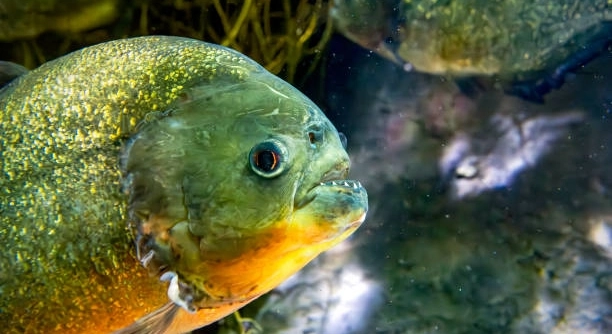
Piranhas are known for their sharp teeth and strong jaws. They often attack things that look like food in their environment. Understanding what these fish mistake for food can help people better interact with them.
Piranhas frequently confuse shiny objects, moving debris, and unusual shapes with food items due to their instinctive feeding behavior and reliance on movement and reflections to identify prey. This misidentification affects their feeding patterns in natural and artificial environments.
Learning about these common mistakes reveals interesting details about piranha behavior and helps explain some surprising encounters with them.
Shiny Objects and Reflections
Piranhas are very sensitive to light and movement. Shiny objects, like pieces of metal, fishing lures, or even bright plastic, can catch their attention easily. When these items reflect sunlight or artificial light, piranhas may mistake them for fish scales or other prey. This happens because their eyes are adapted to spot quick flashes and glints in the water, which often signal food. In rivers and lakes, floating trash or discarded items with reflective surfaces can trigger their feeding instincts. It’s common for piranhas to attack these objects, especially when they move or shimmer near the water’s surface. Anglers should be aware that shiny fishing gear might provoke unexpected bites. Even small reflections from watches or cameras can cause a reaction. This behavior shows how piranhas rely heavily on visual cues to identify food. The mistake can be dangerous if people are not careful around them.
Shiny objects trigger piranhas because they resemble the light patterns of prey scales and create strong visual signals.
Understanding this helps explain why piranhas sometimes bite non-food items, especially in areas with human activity.
Movement and Floating Debris
Piranhas respond strongly to movement in the water. Floating debris like leaves, sticks, or trash can catch their attention if it moves like prey. When something drifts or bobs on the surface, the fish may see it as a wounded animal or small creature. This reaction is part of their natural hunting strategy—they rely on movement to find food quickly. In busy waterways, floating trash often confuses them, leading to accidental bites. This can make encounters with humans more unpredictable, especially when swimming or fishing. Understanding that piranhas react more to motion than shape alone can help people stay safer. This also explains why they sometimes attack things that don’t look like food but behave like prey in the water.
Floating debris can provoke piranha attacks because movement signals potential prey, triggering their feeding instincts.
By knowing this, people can reduce unwanted encounters by avoiding sudden motions near the water’s edge.
Colors That Attract
Piranhas are drawn to bright colors, especially reds and yellows. These colors often signal injured prey or ripe food in their habitat, making piranhas more likely to investigate or bite.
Bright colors mimic the natural signs of vulnerability in prey animals. Red often represents blood or injury, which signals an easy meal for piranhas. Yellow can stand out against the water and plants, attracting attention. This is why fishing gear and clothing with these colors sometimes provoke bites. Even artificial objects painted in these shades can confuse piranhas into thinking they are edible. This behavior highlights their instinct to go after weak or wounded prey, maximizing their chances of a successful hunt.
The attraction to specific colors plays a key role in how piranhas interact with their environment. Knowing this can help avoid unwanted attention, especially when swimming or fishing in piranha habitats.
Unusual Shapes in Water
Unfamiliar shapes that move or float can confuse piranhas into attacking. Items like plastic bags, small containers, or oddly shaped debris often appear like strange prey or injured creatures to them.
Piranhas rely on quick judgments to find food, and anything with an unusual silhouette or irregular movement stands out. They do not have time to analyze if an object is real food or just debris. For example, a plastic bag floating and twisting in the current can resemble a wounded animal struggling in the water. This triggers their feeding response, causing them to bite at the object. Sometimes even larger, bulky items provoke curiosity and attacks due to their unexpected appearance.
This tendency explains why piranhas sometimes damage fishing gear or other belongings left near the water. Awareness of this can reduce accidental bites and help people better protect their equipment.
Movement Triggers
Piranhas respond quickly to sudden movements in the water. Fast or jerky motions often signal prey, prompting them to strike without much hesitation.
This reaction is a survival tactic. They rely on movement to identify food since still objects may be ignored or viewed as non-edible.
Bubbles and Ripples
Bubbles and water ripples can attract piranhas because they resemble the movements of struggling fish. These disturbances grab their attention, making them more likely to investigate or bite.
When air escapes underwater or something disturbs the surface, it creates signals that piranhas interpret as prey activity. This sensitivity to small water changes keeps them alert and ready to feed.
Floating Food Waste
Leftover food or waste floating on water can lure piranhas. The smell and sight of these scraps are tempting, making them approach and try to eat.
Piranhas do not discriminate much when hungry. Food waste drifting in the water often draws them closer, increasing chances of bites near fishing or picnic areas.
What kinds of items do piranhas often mistake for food?
Piranhas often mistake shiny, reflective objects for food because these resemble the scales of fish. They also react strongly to movement, so floating debris like leaves or plastic bags drifting in the water can trigger their feeding instincts. Bright colors such as red or yellow may catch their eye as signs of injured prey. Unusual shapes or objects that create ripples and bubbles in the water can confuse them as well. Even leftover food or waste floating on the surface attracts their attention, making them more likely to bite anything nearby. These mistakes happen because piranhas rely mostly on visual and motion cues to find food quickly.
Are piranhas more likely to attack moving objects or still objects?
Piranhas are definitely more likely to attack moving objects. Their hunting strategy depends heavily on detecting movement in the water. Quick, jerky motions often signal prey, prompting piranhas to strike without hesitation. Still objects, especially those that don’t resemble prey in shape or color, are less likely to provoke an attack. Movement tells piranhas that something could be alive and vulnerable, so they react faster to it. This is why fishing lures, drifting trash, or sudden splashes can cause piranhas to bite, even if the objects aren’t food.
Why do bright colors attract piranhas?
Bright colors like red and yellow attract piranhas because these shades often mean blood or injury in their environment. Red is commonly linked to wounds or bleeding fish, which signal an easy target. Yellow stands out in the water and can resemble certain prey or fruits that attract other animals. Piranhas use these colors as cues to locate food, so objects or gear with bright colors can mistakenly draw their attention. This instinct helps them find weakened or injured animals more easily but can cause confusion when encountering artificial items.
Can piranhas bite humans by mistake?
Yes, piranhas can bite humans by mistake. When people swim or fish near their habitat, sudden movements, splashes, or shiny objects like jewelry can attract piranhas. They may bite out of curiosity or because they confuse a person’s limb for prey. While serious attacks are rare, small bites can happen if a piranha feels threatened or provoked. Understanding what triggers piranha attacks, such as movement or color, can help reduce the chance of bites. Staying calm and avoiding sudden motions near the water helps keep interactions safe.
How do bubbles and water ripples affect piranha behavior?
Bubbles and ripples catch piranhas’ attention because they resemble the struggles of injured fish. These water disturbances act like signals that prey is nearby. When air escapes underwater or something moves the surface, piranhas interpret it as a potential meal and get ready to attack. This sensitivity to small changes in the water keeps them alert and constantly searching for food. Even slight ripples can trigger feeding responses, which explains why piranhas react quickly to anything disturbing the water’s surface.
What should people avoid when near piranha habitats to prevent mistaken attacks?
People should avoid wearing shiny jewelry or bright clothing that might attract piranhas. Sudden, jerky movements near the water can also provoke attacks, so it’s best to stay calm and move slowly. Leaving food waste or trash in or near the water encourages piranhas to come closer. It’s important not to splash or create bubbles unnecessarily, as these can signal prey. Keeping fishing gear tidy and avoiding brightly colored lures reduces the chance of confusing piranhas. Overall, being mindful of what attracts them helps prevent unwanted encounters.
Can piranhas tell the difference between real food and objects?
Piranhas rely mostly on movement, color, and reflections to identify food, so they often cannot tell the difference between real prey and similar-looking objects. Their quick reactions mean they may bite something that looks or behaves like food without examining it closely. This is why they sometimes attack plastic bags, shiny trash, or brightly colored items. Their instincts prioritize speed over accuracy to catch prey before it escapes. Although they learn from experience to some extent, many mistaken bites occur because their senses are geared toward immediate responses.
Do environmental factors increase the chances of piranhas mistaking objects for food?
Yes, environmental factors like murky water, low visibility, and crowded habitats increase the chances. When water is cloudy or filled with debris, piranhas rely even more on movement and flashes of light to identify food. In busy areas where trash and floating objects are common, piranhas encounter more false targets. During dry seasons, when food is scarce, they may also become less selective and attack unfamiliar items. These conditions make mistakes more frequent, increasing interactions with humans and non-food objects.
What role does smell play in piranhas mistaking items for food?
Smell is important but less dominant than sight and movement in piranhas. They can detect food through scent, especially when leftovers or organic waste float in the water. This scent can attract them to objects they might otherwise ignore. While visual triggers are the primary cause of mistaken attacks, smell reinforces their interest in certain areas. For example, food scraps near fishing spots can increase piranha activity and the likelihood of biting anything nearby.
How can knowledge of piranhas’ mistaken food preferences improve safety?
Knowing what piranhas often mistake for food helps people avoid risky behavior near their habitat. By reducing flashy or brightly colored gear, minimizing sudden movements, and keeping water clean of trash and food waste, accidental bites become less likely. This knowledge guides safer swimming, fishing, and boating practices. It also promotes respect for piranha behavior without fear, allowing coexistence in shared environments. Awareness is the best tool to prevent unnecessary encounters and protect both humans and fish.
Piranhas often confuse many things in their environment for food. Their sharp eyesight and quick reactions make them attack objects that look or move like prey. Shiny things, bright colors, and unusual shapes catch their attention easily. Movement in the water, like floating debris or ripples, also triggers their feeding instincts. Even bubbles and leftover food waste can attract them. These natural behaviors explain why piranhas sometimes bite things that are not actually food. Understanding these triggers helps us better predict and avoid such incidents.
It is important to remember that piranhas rely mostly on visual and motion signals to decide what to bite. They do not take time to carefully examine objects before attacking. Their survival depends on quick decisions to catch prey in their fast-moving habitats. This means they often make mistakes when they see shiny reflections, sudden movements, or bright colors. These mistakes are a part of how they have adapted to find food in the wild. Being aware of this can help people who live near or visit piranha habitats to take simple precautions. Avoiding flashy clothing, keeping calm near water, and not leaving food waste around can reduce the chance of attracting their attention.
By learning how piranhas react to their surroundings, people can better coexist with these fish without fear. Knowing what attracts them gives us a way to stay safe while respecting their natural behavior. Piranhas are an important part of their ecosystems, and understanding them helps protect both humans and the fish themselves. Taking care to avoid the items and actions that confuse piranhas will make time spent near rivers and lakes more enjoyable and safer. This knowledge promotes a balanced relationship with the environment and the creatures living in it.

Hello,
If you enjoy the content that we create, please consider saying a "Thank You!" by leaving a tip.
Every little bit helps us continue crafting quality advice that supports the health, happiness, and well-being of pets around the world, for pets of all shapes, sizes, and species.
We really appreciate the kindness and support that you show us!