
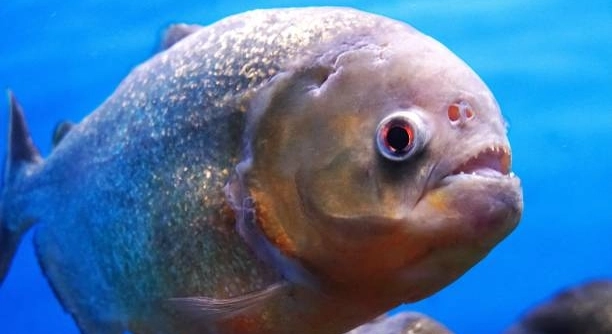
Piranhas are fascinating fish that many keep in home aquariums. Like all pets, they can show signs when something is wrong. Recognizing subtle changes in their behavior and appearance is important for maintaining their health.
Poor piranha health often manifests through changes such as decreased appetite, lethargy, abnormal swimming patterns, visible injuries, discoloration, fin damage, and swollen or bloated bodies. Early detection of these signs allows for timely intervention to prevent worsening conditions.
Knowing these subtle signs can help ensure your piranhas stay healthy and active. Awareness of these symptoms supports better care and a thriving aquarium environment.
Decreased Appetite and Lethargy
Piranhas normally eat actively and show interest in food. When they start refusing meals or eat much less than usual, it indicates a problem. Lethargy often accompanies poor appetite, where the fish become unusually inactive or rest at the bottom of the tank. This behavior can signal stress, illness, or poor water conditions. Sometimes, changes in temperature or water quality cause piranhas to slow down. Illnesses such as bacterial infections or parasites can also reduce their appetite and energy. Noticing these changes early helps prevent severe health decline. Regular observation during feeding times is essential to spot any drop in appetite. Keeping a feeding schedule and monitoring behavior allows for quick action when something feels off. Maintaining good water quality and a proper diet supports their health and energy levels.
A piranha’s loss of appetite combined with lethargy is a clear warning sign. These symptoms require immediate attention to avoid worsening health.
Consistent monitoring of feeding and activity helps identify problems early. Adjusting water conditions and providing appropriate treatment can restore their vitality and appetite.
Abnormal Swimming Patterns and Visible Injuries
Unusual swimming behaviors, such as erratic movements, floating sideways, or sinking without effort, often point to internal issues or injury. Injured piranhas might avoid other fish or hide more than usual. Visible injuries like torn fins, wounds, or swelling suggest physical trauma or infection. These signs can result from fights, tank decor, or poor water quality. It is important to separate injured fish if aggression is the cause. Treatment may involve water changes, medication, or adjusting tank conditions to reduce stress. Observing the tank environment for hazards can prevent further injury. Early intervention improves recovery chances and prevents infections from spreading within the aquarium.
Abnormal swimming combined with visible injuries signals that a piranha’s health is compromised.
Careful tank management and prompt treatment are essential to address these issues and maintain a safe environment for all fish.
Discoloration and Fin Damage
Discoloration often appears as dull or faded colors, indicating stress or illness. Fin damage may include fraying, holes, or ragged edges. Both signs suggest the piranha is struggling with its environment or health.
Discoloration can result from poor water quality, improper diet, or infections. Stress from overcrowding or aggressive tank mates also causes color fading. When piranhas lose their vibrant appearance, it reduces their natural ability to camouflage and signals weakened health. Fin damage often occurs from physical fights or contact with sharp tank decorations. Bacterial and fungal infections can worsen fin condition if untreated. Maintaining clean water, balanced nutrition, and minimizing aggression helps prevent these problems.
Treating discoloration and fin damage requires correcting water parameters and isolating sick fish if necessary. Antibiotics or antifungal medications may be needed. Improving tank conditions promotes healing and prevents further decline.
Swelling and Bloating
Swelling or bloating can indicate internal infection, organ failure, or parasites. It often appears as an enlarged belly or raised scales, which can restrict movement.
Abdominal swelling is a serious condition caused by several factors, including dropsy, which leads to fluid buildup. Parasites can cause inflammation, while constipation or digestive problems may result in bloating. Poor diet or overfeeding also contributes to abdominal issues. Swollen piranhas may have difficulty swimming or appear lethargic. Immediate attention is necessary to diagnose and treat the cause. Tank cleanliness and proper nutrition reduce the risk of swelling.
Treatment involves improving water quality, fasting the fish briefly, and using medication if an infection is suspected. Early care increases chances of recovery and comfort for the piranha.
Changes in Behavior
Sudden changes in behavior can indicate stress or illness. A normally active piranha may become withdrawn or overly aggressive. Both extremes suggest something is wrong with their health or environment.
Behavioral shifts often occur due to poor water quality, illness, or tankmate aggression. Monitoring interactions and activity helps catch early warning signs. Prompt adjustments to the environment can improve well-being.
Cloudy Eyes
Cloudy or opaque eyes are a sign of infection or poor water conditions. This symptom often points to bacterial or fungal problems affecting the fish’s overall health.
Maintaining clean water and proper tank hygiene is essential to prevent eye infections. Treatment typically involves improving water quality and using appropriate medication to clear the infection. Early intervention can preserve vision and prevent further complications.
Gasping at the Surface
Gasping at the water’s surface may indicate low oxygen levels or poor water quality. This behavior is often a signal that the aquarium conditions need immediate attention.
FAQ
What causes a piranha to lose its appetite?
Loss of appetite in piranhas can stem from several factors. Poor water quality, stress, illness, or an inappropriate diet often lead to reduced feeding. Sudden changes in the tank environment, such as temperature fluctuations or aggressive tankmates, may also affect their desire to eat. Addressing these issues typically helps restore normal appetite.
How can I improve water quality to help my piranha?
Regular water changes, proper filtration, and monitoring parameters like pH, ammonia, nitrite, and nitrate levels are key. Avoid overfeeding, as leftover food decays and pollutes the water. Using a water conditioner to remove chlorine or chloramine from tap water is also important for maintaining a safe environment.
Why is my piranha swimming erratically?
Erratic swimming may indicate stress, injury, or illness. It can be caused by poor water quality, parasites, or physical trauma. Ensuring a stable tank environment and checking for signs of disease are essential steps. In some cases, medication may be needed to address infections or parasites.
What should I do if my piranha has fin damage?
First, improve tank conditions by cleaning the water and removing aggressive fish. Treat any infections with appropriate medications. Providing hiding places can reduce stress and prevent further damage. Avoid sharp decorations that might injure the fish.
How can I tell if swelling is a serious problem?
Swelling or bloating often indicates internal issues like infections or organ failure. If the fish appears swollen and shows other signs such as lethargy or loss of appetite, prompt action is necessary. Consulting a veterinarian or experienced aquarist can guide proper treatment.
Are cloudy eyes reversible?
Cloudy eyes are usually caused by infections or poor water conditions and can often be reversed if treated early. Maintaining excellent water quality and using medications like antibacterial or antifungal agents help clear the infection. Delayed treatment may cause permanent damage.
What causes piranhas to gasp at the surface?
Gasping is commonly linked to low oxygen levels in the tank. Overcrowding, poor filtration, or high temperatures can reduce oxygen availability. Increasing aeration, performing water changes, and reducing the number of fish can improve oxygen levels.
Can stress cause physical symptoms in piranhas?
Yes, stress can weaken a piranha’s immune system and lead to symptoms such as discoloration, fin damage, and changes in behavior. Minimizing stress by maintaining stable water conditions, providing enough space, and avoiding aggressive tankmates is important for their health.
How often should I check my piranha for health issues?
Daily observation during feeding times is ideal. Look for changes in appetite, swimming behavior, and appearance. Regular water testing and tank maintenance help prevent problems before they develop.
What is the best way to isolate a sick piranha?
Use a separate quarantine tank with clean, conditioned water matching the main tank’s temperature and parameters. This reduces stress on the sick fish and prevents disease spread. Treat the fish in isolation until recovery is confirmed.
Final Thoughts
Maintaining the health of piranhas requires careful attention to subtle signs that may indicate problems. Many symptoms, such as decreased appetite, unusual swimming patterns, or discoloration, often appear before serious illness develops. Regular observation helps detect these early changes, allowing for timely action. Keeping a stable environment with clean water, proper nutrition, and minimal stress supports overall well-being. Ignoring small signs can lead to worsening health and more difficult treatment.
Water quality plays a crucial role in piranha health. Ammonia, nitrite, nitrate levels, temperature, and oxygen content must be closely monitored and maintained within appropriate ranges. Frequent water changes and adequate filtration are essential to prevent toxic buildup. Poor water conditions weaken the immune system, making piranhas more susceptible to infections and disease. Along with water care, a balanced diet suited to their natural needs strengthens their resistance to illness and promotes vibrant colors and activity.
Addressing health issues early improves chances for recovery and reduces stress on both the fish and the owner. Isolation of sick fish, use of medications when necessary, and correcting environmental problems are key steps. Being proactive rather than reactive helps prevent common problems associated with piranha keeping. Understanding these subtle signs and responding appropriately leads to a healthier aquarium and a longer life for the fish. Consistent care and attention create the best conditions for piranhas to thrive.

Hello,
If you enjoy the content that we create, please consider saying a "Thank You!" by leaving a tip.
Every little bit helps us continue crafting quality advice that supports the health, happiness, and well-being of pets around the world, for pets of all shapes, sizes, and species.
We really appreciate the kindness and support that you show us!