7 Things to Avoid When Transporting Lemon Tetra
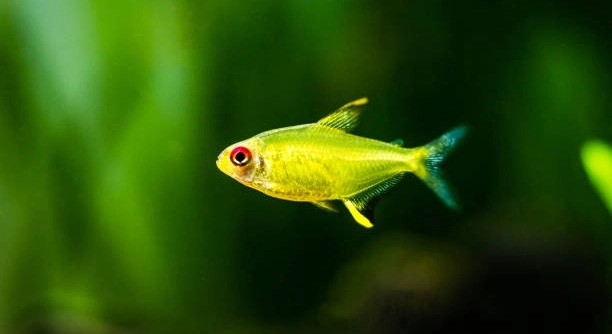
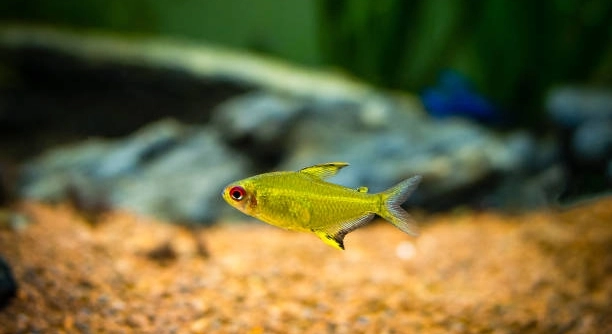
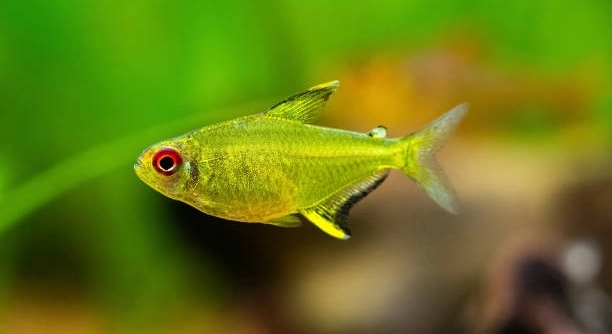
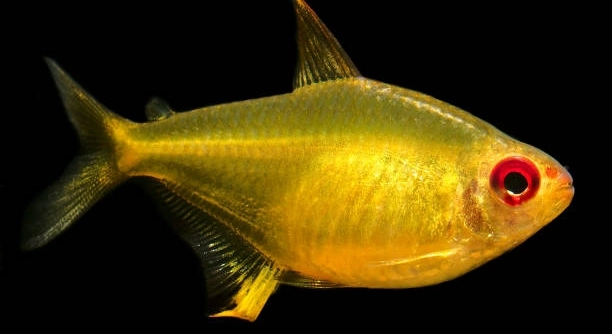
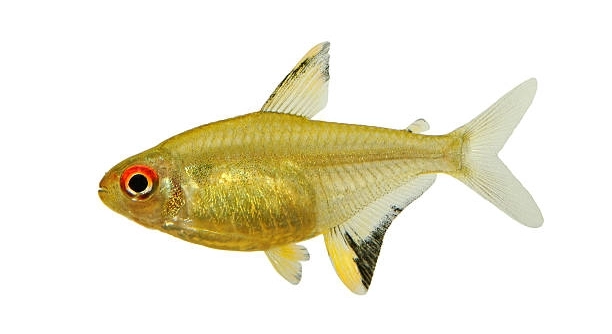
Transporting lemon tetras can be a delicate task that requires careful attention to detail. Many hobbyists often overlook simple mistakes that can stress or harm these small, vibrant fish. Proper preparation is essential for their wellbeing. The most important factors to avoid when transporting lemon tetras include sudden temperature changes, poor water quality, overcrowding, excessive … Read more
Can Arowana Learn From Routine and Repetition?

Arowanas are known for their graceful movements and striking appearance, often captivating fish enthusiasts with their elegance. Observing these fish in their tanks reveals patterns in behavior that suggest they respond to their environment consistently over time. Arowanas can learn from routine and repetition, demonstrating the ability to associate consistent signals with specific outcomes. Repeated … Read more

Do Lemon Tetra Sense Human Presence?

Many fish owners often notice small changes in their aquarium when they enter the room, leading them to wonder if their Lemon Tetra reacts to their presence in interesting ways within its calm aquatic world. Lemon Tetra can perceive human presence primarily through changes in light, vibration, and movement. Their sensory systems allow them to … Read more

Can You Train Lemon Tetra to Eat from Your Hand?

Lemon tetras are small, colorful fish that brighten any freshwater aquarium. Their gentle nature and lively movements make them popular among hobbyists. Many aquarists enjoy observing their behaviors and unique swimming patterns daily. Lemon tetras can be trained to eat from your hand, but it requires patience and consistency. Gradual conditioning through repeated exposure and … Read more

7 Ways to Make Lemon Tetra Thrive in Captivity

Keeping lemon tetras in home aquariums can be rewarding, but ensuring they remain healthy and active requires attention. Their vibrant colors and delicate nature make them appealing, yet they need specific conditions to truly flourish in captivity. Maintaining optimal water parameters, providing a balanced diet, ensuring adequate tank space, and minimizing stress are crucial for … Read more

Why Do Lemon Tetra Swim Against the Filter?

Many aquarium keepers notice their Lemon Tetra moving with steady focus near the filter, creating a pattern that seems calm but purposeful as they explore their environment in gentle currents that shape their daily routine. Lemon Tetra swim against the filter because the outflow creates a stable current that supports natural schooling behavior, strengthens their … Read more

7 Things to Remove From a Lemon Tetra Tank

Keeping a Lemon Tetra tank healthy requires more than just feeding and cleaning. Over time, certain items can harm water quality and stress your fish, even if they seem harmless at first glance. Regular maintenance is key. Removing decaying plants, sharp decorations, overcrowded ornaments, uneaten food, dirty substrate, untreated water additives, and aggressive tank mates … Read more

Why Do Lemon Tetra Sometimes Look Foggy?

Have you ever noticed your lemon tetra swimming with a cloudy or foggy appearance in your aquarium? This sudden change can be concerning, especially if your fish usually look bright and clear. It often makes you pause and observe. Lemon tetras sometimes appear foggy due to water quality issues, stress, or mild infections. Cloudy water, … Read more

7 Reasons Arowana Prefer Lower Light Conditions

Arowanas are striking freshwater fish known for their elegance and size. Their natural habitats often feature shaded waters, creating an environment where lower light levels are common and preferred by these beautiful creatures. Arowanas prefer lower light conditions because it closely mimics their natural environment, reduces stress, and supports natural behaviors such as hunting and … Read more

Why Is My Arowana Twitching After Eating?

Have you ever noticed your arowana twitching right after a meal? Watching your fish move strangely can be worrying, especially when you are unsure if it is normal or a sign of something more serious. Arowana twitching after eating is often caused by rapid feeding or digestive stress. Overfeeding, swallowing large food items, or sudden … Read more