
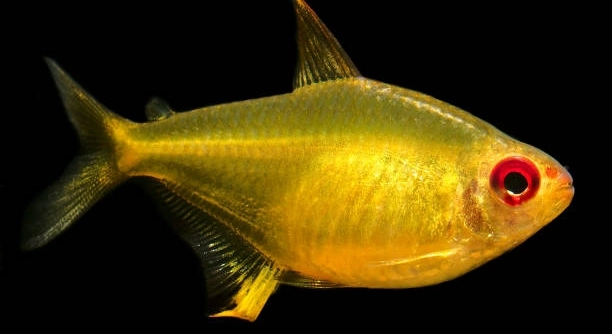
Keeping a Lemon Tetra tank healthy requires more than just feeding and cleaning. Over time, certain items can harm water quality and stress your fish, even if they seem harmless at first glance. Regular maintenance is key.
Removing decaying plants, sharp decorations, overcrowded ornaments, uneaten food, dirty substrate, untreated water additives, and aggressive tank mates is essential for a Lemon Tetra tank. These elements negatively impact water quality, fish health, and the overall stability of the aquatic environment.
Identifying harmful items in your tank ensures a safer and more comfortable habitat for your Lemon Tetras. Simple adjustments can make a noticeable difference in their well-being and activity levels.
Decaying Plants
Old or dying plants in a Lemon Tetra tank can quickly affect water quality. As leaves break down, they release ammonia and other toxins that stress fish. It is easy to overlook them because they may appear decorative, but decay begins beneath the surface. Even hardy plants like Java fern or Anubias need regular trimming to prevent leaves from rotting. Removing dead foliage also helps prevent algae growth, which can consume oxygen and block light for remaining plants. Healthy plants contribute to natural filtration and a balanced ecosystem. Regularly inspecting and pruning plants ensures that the tank remains clean and the fish can swim without obstruction. Even small bits of decayed matter can accumulate in the substrate, creating hotspots for bacteria. Using scissors or tweezers to remove dying leaves is simple and effective. This small habit keeps water parameters stable and reduces the risk of disease. Lemon Tetras thrive in environments with fresh, vibrant plants.
Removing dead plants prevents toxins from building up and keeps the tank cleaner for longer.
Healthy plants not only improve water quality but also provide hiding spots and reduce stress. Fish feel secure in well-maintained greenery, and the tank looks more natural. Rotting leaves can disrupt pH levels and promote unwanted microorganisms. By keeping plants fresh, you create a balanced environment that supports the natural behavior of Lemon Tetras. Regular maintenance reduces the need for chemical treatments and enhances the overall clarity of the water. Watching fish interact with healthy plants can be rewarding, as they explore, hide, and swim actively. Even minor neglect can lead to water issues, so consistent care is important. Using nutrient-rich substrate and trimming tools can make plant maintenance easier. Over time, a well-maintained plant setup reduces algae blooms and prevents foul odors. Lemon Tetras appreciate the stability and comfort that healthy plants provide, making them more vibrant and active.
Sharp Decorations
Sharp decorations pose a physical risk to Lemon Tetras. Thin fins and delicate bodies can tear on jagged edges, leading to infections.
Choosing smooth, rounded ornaments and stones reduces injuries. Avoid broken or cheap plastics that can have rough surfaces or cracks.
Even decorations that seem safe can have hidden sharp points. Inspecting each item before placing it in the tank prevents accidents. Rocks, driftwood, and ornaments should be washed thoroughly to remove dust or fragments. Providing gentle hiding spots with smooth edges satisfies the fish’s need for shelter without causing harm. Lemon Tetras may dart quickly in excitement or when startled, increasing the chance of collisions with decorations. A single sharp object can cause fin rot or open wounds, requiring long-term care and water changes. Replacing unsafe items improves overall tank aesthetics and ensures a stress-free environment. The investment in safer decorations pays off through healthier, more active fish. Regularly reassessing the tank layout helps maintain a safe and appealing setup for everyone.
Uneaten Food
Leftover food quickly pollutes a Lemon Tetra tank. It breaks down, raising ammonia levels and promoting bacterial growth.
Overfeeding is a common mistake. Even small amounts of uneaten flakes or pellets can decay in hours. Removing leftovers after feeding helps maintain clean water and stable conditions. Using a small net or siphon makes cleanup simple and prevents long-term water problems. Uneaten food also attracts unwanted microorganisms and can cloud the water, stressing the fish. Observing how much your tetras eat per serving helps reduce waste and maintain a healthier environment. Feeding smaller portions several times a day is often better than a single large meal.
Monitoring feeding habits protects your fish from digestive issues and prevents dangerous spikes in ammonia or nitrite. Adjusting the amount to match what your tetras can consume in a few minutes supports both health and water quality. Consistency in feeding and cleaning leftovers is key to a thriving aquarium.
Dirty Substrate
Debris and waste settle in the substrate, affecting water quality and promoting bacterial buildup. Regular vacuuming prevents harmful accumulation.
Gravel and sand can trap uneaten food, fish waste, and plant matter. This material decomposes over time, releasing toxins that are harmful to Lemon Tetras. Using a siphon or gravel vacuum during water changes removes debris effectively. Stirring the substrate lightly ensures trapped waste is freed for removal. Different substrates require different techniques; sand needs gentle suction, while gravel can be cleaned more vigorously. Removing buildup also prevents cloudy water and reduces the risk of algae growth. Maintaining substrate cleanliness supports the beneficial bacteria that help stabilize water parameters, making it easier to manage the tank. Clean substrate improves tank appearance, giving the environment a healthier, more vibrant feel for both fish and plants. Consistency is important, so cleaning should occur at least once every few weeks.
Untreated Water Additives
Adding untested chemicals or additives can destabilize your tank. Some treatments may contain harmful compounds that stress Lemon Tetras.
Always check labels and research products before use. Using only necessary and safe additives keeps water parameters stable and protects fish health.
Overcrowded Ornaments
Too many decorations limit swimming space and disrupt water flow. Overcrowding can cause stress and increase the risk of injury. Lemon Tetras need open areas to school and move freely, so minimizing clutter is essential for their activity and well-being.
Aggressive Tank Mates
Some fish species are naturally aggressive or territorial. Keeping them with Lemon Tetras can lead to fin nipping, stress, or even death.
Sharp Gravel
Sharp or jagged substrate can injure delicate fins and skin. Choosing smooth, rounded gravel protects your fish while maintaining a safe environment.
FAQ
What is the best way to remove decaying plants from a Lemon Tetra tank?
Use scissors or tweezers to carefully trim dead leaves at the base. Remove any debris that falls into the substrate immediately. Healthy plants can remain, but trimming prevents decay from affecting water quality. Regular checks make this process easier and more effective.
How often should I clean uneaten food from the tank?
Uneaten food should be removed after every feeding, especially if fish do not finish it within a few minutes. Using a small net or siphon helps prevent leftover particles from decomposing and raising ammonia levels. Feeding smaller portions reduces waste and keeps water clean.
Can I keep sharp decorations if my Lemon Tetras avoid them?
Even if fish seem cautious, sharp edges are still risky. Quick movements or jumps can cause injury. Smooth, rounded ornaments are safer, reducing the risk of fin damage and infection while still providing hiding spots.
What is the easiest way to maintain substrate cleanliness?
A gravel vacuum or siphon works best. Lightly stir gravel or sand to release trapped waste, then remove it during water changes. Consistent cleaning every two to three weeks prevents harmful buildup and helps maintain stable water parameters for your tetras.
Are aggressive tank mates always harmful?
Yes, even minor aggression can stress Lemon Tetras. Fish that nip fins or chase others disrupt schooling behavior and reduce appetite. Choosing peaceful species and avoiding territorial or large fish ensures a calmer, safer environment.
How do I know if my water additives are safe?
Only use treatments labeled for freshwater tropical fish. Research ingredients and avoid products with untested chemicals. Testing water parameters after adding anything new ensures the tank remains stable and prevents stress or illness in your tetras.
Can overcrowded ornaments affect fish behavior?
Yes. Too many decorations reduce swimming space and interfere with water flow. Lemon Tetras need open areas to school and move naturally. Reducing clutter allows better exercise and interaction, leading to healthier, more active fish.
Is sharp gravel a serious issue for Lemon Tetras?
Sharp gravel can tear fins or damage skin. Choosing smooth, rounded substrate protects delicate bodies while maintaining a natural environment. Inspect substrate carefully and replace rough or broken pieces to prevent injuries and maintain overall tank safety.
How frequently should I inspect the tank for these issues?
Regular inspection is important. Check plants, ornaments, substrate, and feeding habits weekly. Observing water clarity and fish behavior helps catch problems early. Consistent maintenance minimizes stress, prevents disease, and keeps the tank environment stable for Lemon Tetras.
What small habits make the biggest difference in tank health?
Trimming plants, removing uneaten food, cleaning the substrate, monitoring water parameters, and choosing safe decorations are simple steps. These habits maintain water quality, reduce stress, and support healthy behavior. Even small adjustments can improve longevity and well-being for Lemon Tetras.
How can I prevent fin damage from decorations or gravel?
Select smooth, rounded ornaments and substrate. Avoid broken plastics, jagged stones, or sharp edges. Regularly inspect the tank for new hazards and rearrange items if necessary. Ensuring a safe environment helps fish remain active, healthy, and stress-free.
Is it okay to use chemicals to control algae if my tank has decaying plants?
It is better to remove decaying plants first. Chemicals may cause additional stress or alter water parameters. Mechanical removal of algae and plant debris, combined with proper filtration and maintenance, is safer and more effective.
Do Lemon Tetras need hiding spots even if decorations are reduced?
Yes, they appreciate safe areas to retreat. Minimal decorations or smooth rocks can provide shelter without overcrowding. This balances open swimming space with security, encouraging natural schooling behavior and reducing stress.
How can I tell if overfeeding is affecting water quality?
Cloudy water, excess debris, and frequent algae growth are signs of overfeeding. Monitoring fish appetite and removing uneaten food quickly prevents these issues. Adjusting portion sizes ensures healthier water and more active fish.
Are there long-term effects of neglecting these maintenance tasks?
Neglect can lead to poor water quality, stress, fin rot, disease, and even death. Regular cleaning, safe decorations, careful feeding, and monitoring water parameters ensure Lemon Tetras remain healthy, active, and vibrant over time.
Can changing water frequently fix all tank problems?
Frequent water changes help, but they cannot replace removing decaying plants, uneaten food, or unsafe decorations. Proper tank setup, feeding habits, and routine cleaning are all necessary to maintain a stable, healthy environment.
What is the single most important habit for a healthy Lemon Tetra tank?
Consistency in monitoring and maintenance is key. Regular trimming, cleaning, safe ornament selection, and careful feeding prevent most issues. Small daily or weekly actions accumulate to create a stable, safe, and thriving tank for Lemon Tetras.
This FAQ covers the most common concerns and practical solutions, helping maintain a safe and comfortable home for Lemon Tetras without unnecessary complications. Proper care, small adjustments, and consistent observation ensure long-term tank health and fish well-being.
Word count: 521
Final Thoughts
Caring for a Lemon Tetra tank becomes easier when you understand how each small decision influences the environment your fish depend on. Many issues begin quietly, building up over time in ways that are easy to miss during everyday routines. Removing harmful items, keeping the habitat clean, and making thoughtful adjustments all play a meaningful role in the overall stability of the aquarium. Even small habits like trimming plants, checking decorations, and clearing leftover food help create a space where your fish can swim comfortably and behave naturally. A tank that is maintained with steady attention feels calmer, looks clearer, and supports healthier fish. It also becomes simpler to manage because fewer problems appear unexpectedly. This kind of care does not require complicated steps or special skills, just regular observation and gentle maintenance. When you stay consistent, the aquarium becomes a peaceful and predictable environment that benefits both you and your Lemon Tetras.
Keeping the tank safe is not only about removing dangerous items but also about understanding how they affect water quality and fish behavior. Decaying plants release substances that change the balance of the water. Sharp decorations can cause injuries that lead to infection. Overcrowded ornaments can reduce the open space Lemon Tetras need for their natural schooling behavior. Uneaten food and dirty substrate can cause changes in ammonia levels that stress the fish and weaken their immune system. Each of these factors influences the comfort and energy of your Lemon Tetras and can lead to long term problems if ignored. By removing or replacing these items, you support their ability to stay active, bright, and relaxed. This steady environment also helps you learn your fish’s normal behavior, making it easier to notice when something feels off. When a tank is arranged with safety, space, and clarity in mind, it creates a gentle rhythm for both the fish and the person caring for them.
With the right approach, maintaining a Lemon Tetra tank feels less like a chore and more like a simple routine that fits naturally into your week. A clean and balanced environment keeps the fish healthy and lets you enjoy watching them move as a peaceful group, which is one of the main reasons people choose this species. When the water is clear, the plants are fresh, and the decorations are safe, the tank becomes a relaxing part of your space. You can look at it and feel confident that the fish are comfortable. These small, consistent steps protect the long term health of the tank and reduce the need for sudden fixes or stressful cleanups. Over time, you begin to understand how each part of the aquarium works together. This understanding makes the experience smoother and more rewarding. Caring for Lemon Tetras becomes a gentle habit that supports their well being and creates a pleasant, stable environment that feels good to maintain.

Hello,
If you enjoy the content that we create, please consider saying a "Thank You!" by leaving a tip.
Every little bit helps us continue crafting quality advice that supports the health, happiness, and well-being of pets around the world, for pets of all shapes, sizes, and species.
We really appreciate the kindness and support that you show us!