
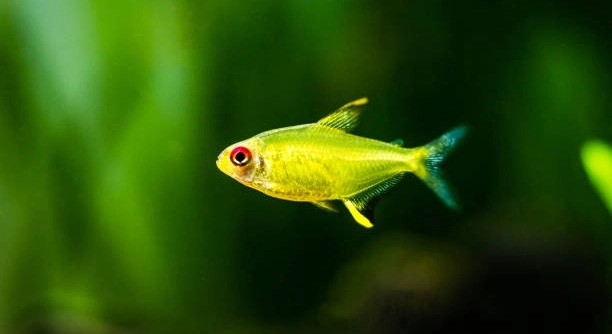
Transporting lemon tetras can be a delicate task that requires careful attention to detail. Many hobbyists often overlook simple mistakes that can stress or harm these small, vibrant fish. Proper preparation is essential for their wellbeing.
The most important factors to avoid when transporting lemon tetras include sudden temperature changes, poor water quality, overcrowding, excessive handling, improper container selection, long transport times, and inadequate oxygen levels. Each of these can significantly affect their health and survival.
Knowing what to avoid will make your transport experience safer and less stressful for your fish. These insights help ensure lemon tetras arrive healthy and ready to thrive.
Sudden Temperature Changes
Rapid temperature changes can shock lemon tetras and weaken their immune system. These fish are sensitive to fluctuations, so moving them from a cold store to a warm home tank too quickly can cause stress. Even a small difference of a few degrees can make them lethargic or trigger illness. Using insulated bags or boxes helps keep the water stable. Adding a heat or cold pack when necessary ensures the temperature stays consistent. Before transport, acclimating them gradually to the transport water reduces stress. Avoid leaving them in a hot car or in direct sunlight, as this can spike temperatures dangerously. Similarly, water that is too cold slows metabolism and can make fish more vulnerable to disease. Checking the temperature with a reliable thermometer before sealing the transport container is a small step with a big impact on their survival.
Maintaining consistent temperature ensures your lemon tetras stay healthy and less stressed throughout the process.
Slow and careful acclimation helps your fish adjust and prevents sudden shock, which could affect their long-term health.
Poor Water Quality
Water that is not clean or balanced can be immediately harmful to lemon tetras. Ammonia, nitrites, and sudden pH changes are stressful and potentially fatal. Avoid using untreated tap water; always use water that has been conditioned to remove chlorine and other chemicals. Even small amounts of debris or leftover chemicals from a tank can damage their delicate gills and skin. During transport, frequent water changes are not feasible, so starting with high-quality water is essential. Overcrowding increases waste, further degrading water quality, so limit the number of fish in a single container. Aeration is important to keep oxygen levels stable, as stressed fish breathe faster. Observing your fish before transport can help identify any signs of illness, which could spread quickly in poor water. Ensuring optimal water conditions prevents unnecessary stress and reduces the chance of losing fish during transport.
Using proper water preparation and monitoring techniques can keep lemon tetras healthy. Consistently clean, stable water reduces stress, prevents disease, and helps fish thrive after moving. Paying attention to water chemistry and aeration is crucial for safe transport. By following simple steps like conditioning water and limiting overcrowding, you protect the fish’s health. Even small mistakes in water quality can have serious consequences, so careful preparation is worth the effort. Transport containers should be free of debris, and monitoring oxygen levels ensures the fish remain comfortable. Regularly observing fish behavior helps detect early signs of stress, making it possible to intervene before serious problems develop. High-quality water and proper handling together create the safest environment for lemon tetras. Consistent attention to these details improves survival rates and reduces recovery time once they are introduced to their new tank. Safe water practices are one of the easiest and most effective ways to ensure healthy fish transport.
Overcrowding
Too many lemon tetras in a single container increases stress and reduces oxygen availability. Crowding also raises waste levels, which can quickly harm the fish. Keeping numbers low prevents aggression and ensures each fish has enough space to move freely during transport.
Overcrowding can cause physical injuries as fish bump into each other repeatedly. Stress from limited space can lower their immune response, making them more prone to illness. Each fish needs enough water to breathe and swim comfortably, so limiting numbers is essential. Small containers may seem convenient, but they can become dangerous if filled with too many fish. A few extra liters of water per fish make a big difference. Transporting in smaller groups is safer, even if it requires multiple trips, because the fish arrive calmer and healthier.
Managing space properly also helps maintain water quality. Waste builds up more slowly in less crowded containers, reducing ammonia spikes. With more room, fish are less likely to become exhausted or stressed. This simple step improves survival rates and ensures the lemon tetras are active and responsive upon arrival. Proper spacing allows for better oxygen circulation and prevents accidental injuries, keeping your fish in good condition throughout transport.
Excessive Handling
Handling lemon tetras too much increases stress and can damage their delicate scales and fins. Minimize contact by using a soft net and avoiding sudden movements. Treat them gently to reduce panic.
Frequent handling can make fish more prone to infections because tiny injuries occur on scales or fins. Every time a fish is transferred, its slime coat can be disturbed, leaving it vulnerable to bacteria. Using a smooth container and limiting the number of times they are touched reduces this risk. Fish are more likely to survive and adapt quickly when handled minimally. Even small mistakes, like squeezing the net too tightly, can have lasting effects on their health. Proper handling ensures fish arrive strong and less stressed.
Limiting physical interaction during transport also helps maintain water quality. Less movement means less stirring of waste, keeping ammonia levels lower. Fish are calmer in stable conditions, reducing stress hormones and improving overall health. Gentle, minimal handling supports a smoother adjustment when they reach their new environment. This approach protects both their physical health and psychological wellbeing, ensuring lemon tetras thrive after transport.
Improper Container Selection
Using the wrong container can stress lemon tetras and increase the risk of injury. Avoid shallow or unstable containers. A sturdy, appropriately sized bag or tank with enough water and air provides a safer environment during transport.
Plastic bags with secure seals or small transport tanks work best. Containers should allow fish to move freely without overcrowding. Avoid glass bowls, which can tip easily and cause sudden shocks.
Long Transport Times
Extended periods in a container without breaks can exhaust lemon tetras. Plan trips to minimize time outside their regular tank. Fish need stable conditions and limited transport duration to stay healthy.
Keeping trips short reduces stress and maintains water quality. Fish rely on oxygen levels, which can drop during long transport. Providing aeration and minimizing movement helps them cope. Overly long transport can lead to fatigue, weakened immunity, and increased mortality. Breaks during long trips should be done in shaded, stable environments to prevent temperature spikes. Planning ahead ensures fish arrive active and ready to acclimate.
Inadequate Oxygen Levels
Lemon tetras require sufficient oxygen during transport to survive. Avoid sealing containers completely without air or using overcrowded bags. Adding air or using oxygen tablets helps maintain safe levels.
FAQ
How long can lemon tetras survive in a transport bag?
Lemon tetras can survive for several hours in a properly prepared transport bag, usually up to six to eight hours if the water is conditioned, the temperature is stable, and the bag is not overcrowded. Oxygen levels must be sufficient, either from air in the bag or small oxygen tablets. Avoid leaving them in sealed bags for too long, as oxygen can deplete and waste can accumulate. Short trips are safer, and longer trips require careful planning, such as using multiple containers or periodically checking the fish without opening the bag unnecessarily.
What is the best water temperature for transporting lemon tetras?
The ideal transport temperature for lemon tetras is around 24–26°C (75–79°F). Sudden shifts above or below this range can cause shock and stress. Using insulated bags or a portable cooler can help maintain consistent temperature during transit. Avoid placing containers in direct sunlight or cold areas of a vehicle. If the transport takes longer than a couple of hours, consider gradual acclimation before transfer to a new tank to reduce stress. Keeping temperature stable is more important than trying to match exact tank conditions, as fish tolerate small variations better than sudden swings.
How should I acclimate lemon tetras after transport?
Acclimating lemon tetras involves slowly introducing them to the new tank water. Float the transport bag in the tank for 15–20 minutes to equalize temperature. Then, gradually add small amounts of tank water to the bag every 5–10 minutes over 30–45 minutes. Avoid dumping the bag water directly into the tank, as it may carry waste or chemicals. Gentle introduction allows fish to adjust without shock and reduces the risk of stress-related illness. Watch their behavior closely for the first few hours to ensure they are swimming normally and not showing signs of lethargy or gasping.
Can I transport lemon tetras in tap water?
Transporting lemon tetras in untreated tap water is not safe. Chlorine, chloramine, and heavy metals can harm the fish. Always use water treated with a conditioner to neutralize harmful chemicals. Check pH and hardness levels to ensure they are close to the tank water they will enter. Starting with safe, clean water reduces stress and prevents sudden chemical exposure. For short trips, pre-conditioning tap water a few hours before transport works well. For longer trips, ensure water quality remains stable to avoid ammonia buildup and oxygen depletion.
What is the best way to reduce stress during transport?
Minimizing movement and noise is key to reducing stress. Secure the container so it won’t tip, and keep it in a shaded, stable environment. Avoid tapping on the bag or shaking the container. Maintaining stable water parameters, oxygen, and proper spacing also reduces stress. For longer trips, breaks should be taken in a calm area with consistent temperature. Soft, quiet handling and minimal disturbance help the fish stay calm, reducing the risk of disease and improving survival. Stress reduction is as important as water quality and temperature for healthy transport.
How many lemon tetras should I put in a single bag?
Keep small groups, ideally 5–10 fish per liter of water, depending on container size. Overcrowding increases stress, reduces oxygen, and accelerates waste accumulation. Smaller numbers allow each fish to swim freely and reduce physical injuries. For larger shipments, use multiple bags or containers. Proper spacing also helps maintain water quality longer and prevents behavioral issues during transport. Limiting numbers ensures lemon tetras arrive active, calm, and ready to acclimate.
Can I feed lemon tetras before transport?
Avoid feeding immediately before transport, as uneaten food can decay and pollute the water, increasing ammonia levels. Feeding 12–24 hours before the trip is sufficient. Well-fed fish are healthier, but fasting briefly reduces waste production and improves water quality during transit. This small adjustment significantly lowers stress and keeps the water cleaner, improving survival chances.
What should I do if a fish appears sick after transport?
If a lemon tetra shows signs of stress or illness, isolate it in a quarantine tank. Check water parameters carefully, ensure oxygen levels are adequate, and monitor feeding. Treat with medications only if symptoms persist. Early intervention prevents the spread of disease to other fish and helps the sick fish recover faster. Observing behavior, gill movement, and color changes can help identify problems early. Quick action increases survival and reduces long-term health complications.
Are oxygen tablets necessary for short trips?
Oxygen tablets are not always necessary for short trips under two hours if the container is not overcrowded. They become more important for longer trips or in warmer temperatures, where oxygen depletes faster. Always monitor fish behavior, as gasping or lethargy indicates low oxygen. Even a small addition of oxygen can make a noticeable difference in fish survival during extended transport.
How do I prevent temperature shock when moving lemon tetras into a new tank?
To prevent temperature shock, gradually introduce the fish to the new tank water. Floating the transport bag for 15–20 minutes and slowly adding tank water allows the fish to adjust without stress. Sudden immersion into water of a very different temperature can cause shock, weaken immunity, and even result in death. Following these steps ensures a smooth transition and supports the fish’s health immediately after transport.
Transporting lemon tetras safely requires careful planning and attention to detail. These small, delicate fish are sensitive to changes in their environment, and even small mistakes can cause stress or harm. Avoiding sudden temperature changes, overcrowding, poor water quality, and excessive handling is essential. Using the right container and making sure oxygen levels are adequate are equally important. Preparing water with a conditioner and keeping it free from debris ensures the fish remain healthy during transport. Each step matters because lemon tetras are not as hardy as some other fish species, and they rely on stable conditions to stay active and stress-free.
Minimizing stress during transport improves survival and helps lemon tetras adjust quickly once they reach their new tank. Stress can weaken their immune system, making them more prone to illness, so providing a calm, quiet, and stable environment is critical. Limiting handling, keeping groups small, and maintaining consistent water parameters all contribute to a safer experience. Even simple measures, like using insulated bags or avoiding direct sunlight, make a noticeable difference. Paying attention to oxygen levels and water quality ensures that fish remain active and do not become lethargic or unwell. Proper preparation before transport is the easiest way to prevent problems and ensure your fish arrive healthy.
Successful transport also makes acclimating lemon tetras to their new home easier. Gradual introduction to the tank water, using float-and-add methods, reduces shock and allows the fish to adjust without stress. Monitoring behavior during and after transfer helps detect early signs of problems, so intervention is possible before any serious issues occur. By keeping trips short, maintaining clean water, and avoiding sudden changes, the fish are more likely to remain active, feed normally, and display their natural colors. Following these steps creates a safe and stable experience for lemon tetras, helping them thrive in their new environment and giving you confidence that your care will support their long-term health.

Hello,
If you enjoy the content that we create, please consider saying a "Thank You!" by leaving a tip.
Every little bit helps us continue crafting quality advice that supports the health, happiness, and well-being of pets around the world, for pets of all shapes, sizes, and species.
We really appreciate the kindness and support that you show us!