
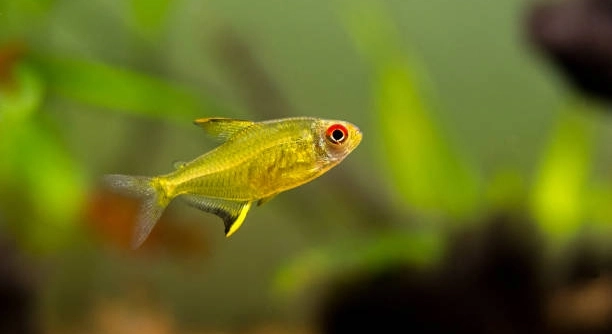
Keeping lemon tetras in home aquariums can be rewarding, but ensuring they remain healthy and active requires attention. Their vibrant colors and delicate nature make them appealing, yet they need specific conditions to truly flourish in captivity.
Maintaining optimal water parameters, providing a balanced diet, ensuring adequate tank space, and minimizing stress are crucial for the thriving of lemon tetras. Regular monitoring and proper care create an environment that supports their health and natural behavior.
These practical steps will help you create a stable and enjoyable environment for your lemon tetras, allowing them to display their full beauty and vitality.
Provide a Properly Sized Tank
Lemon tetras are small, but they are active swimmers and need space to thrive. A tank that is at least 20 gallons for a small school of six to eight tetras provides enough room for swimming and exploration. Overcrowding can stress them, leading to dull colors and weakened immunity. Tall tanks are preferable if you want to include plants and decorations while still giving them open swimming areas. When setting up the tank, include hiding spots like driftwood or live plants. These areas offer a sense of security and reduce stress during feeding or when introducing new tank mates. Consistent water movement and proper filtration help maintain clean water, which is vital for their delicate health. Regular water changes, about 25 percent weekly, ensure the water remains stable and free from harmful toxins. Observing their behavior helps you adjust the environment to keep them healthy and active.
A spacious tank helps lemon tetras stay active, reduces stress, and supports their overall health and vibrant coloration.
A well-maintained tank allows the tetras to display natural behaviors. When fish have enough room to swim freely, they exercise properly, which keeps their muscles strong and promotes healthy metabolism. The combination of hiding spaces and open swimming areas also prevents aggression among tank mates. Proper filtration and regular water changes remove waste, preventing harmful chemical buildup that can compromise their health. Live plants help stabilize water chemistry while adding aesthetic appeal. Maintaining a stable temperature between 72–80°F is critical, as fluctuations can cause stress or illness. Including a mix of soft and slightly acidic water can mimic their natural habitat. Careful observation ensures any issues are addressed early. By providing an environment that balances space, plants, and water quality, lemon tetras can thrive, display vivid colors, and live longer, healthier lives.
Maintain Stable Water Conditions
Stable water conditions are essential for lemon tetras. Sudden changes in temperature, pH, or hardness can cause stress and illness, so consistency is key.
Keeping water clean involves regular testing of parameters, including pH around 6.0–7.0, temperature near 76°F, and moderate hardness. Sudden swings can lead to fin damage, weakened immune response, and reduced activity. Using a reliable heater and filter reduces these risks. Regular partial water changes, ideally weekly, maintain chemical balance and remove nitrates. Avoid adding new water with drastically different conditions, as it can shock the fish. Monitoring closely for signs of stress, such as hiding or loss of appetite, helps prevent long-term health problems. Maintaining stable conditions also supports breeding behavior and encourages bright, vivid coloration, reflecting their natural beauty in a home aquarium.
Proper water stability ensures lemon tetras remain healthy, active, and vibrant. Adjusting slowly and consistently is crucial to avoid stress or illness.
By focusing on stability, you create an environment where lemon tetras can thrive. Frequent testing of temperature, pH, and hardness ensures the tank remains within safe ranges. Installing a heater and filter helps maintain consistent conditions, even during seasonal changes. Gradual water changes prevent sudden shocks, which can compromise their health. Avoid overfeeding, as excess food can alter water chemistry, increasing ammonia and nitrate levels. Keeping plants and decorations clean also contributes to water quality and overall tank stability. Observing their behavior during water changes or new additions allows for adjustments before stress occurs. Stable conditions support their natural swimming and schooling behaviors, reduce aggression, and promote overall vitality. Over time, consistent care results in brighter colors, more energy, and a stronger immune system, making the tank a safe and comfortable environment for lemon tetras.
Feed a Balanced Diet
Lemon tetras need a varied diet to stay healthy. Combining high-quality flakes, small pellets, and occasional live or frozen foods ensures proper nutrition and supports their vibrant colors.
Offering a mix of foods helps meet all nutritional needs. Flake or pellet foods should form the base of their diet, providing essential proteins and vitamins. Supplementing with live or frozen foods like daphnia, brine shrimp, or bloodworms adds variety and stimulates natural hunting behavior. Feeding small amounts two to three times a day prevents overeating and reduces waste buildup in the tank. Avoid leaving uneaten food in the tank, as it can pollute the water and harm the fish. Consistent feeding routines support growth, energy levels, and overall vitality, keeping lemon tetras active and healthy.
Rotating food types keeps lemon tetras engaged and encourages natural foraging habits. Fresh additions of live or frozen foods enhance their appearance, making them more vibrant. Monitoring intake ensures each fish receives enough nutrition without compromising water quality. Over time, this balanced approach reduces the risk of deficiencies or digestive issues. Providing variety also strengthens their immune system and supports reproductive health in breeding conditions. Ensuring food is appropriately sized for their small mouths prevents choking and allows efficient consumption. A consistent, nutritious diet contributes to longer lifespan, brighter colors, and more active schooling behavior.
Maintain Proper Lighting
Adequate lighting enhances plant growth and supports lemon tetras’ natural circadian rhythm. Avoid excessive brightness, which can stress them and reduce activity.
Lighting should mimic natural daylight cycles, about 10–12 hours daily. Using a timer helps maintain consistency, preventing sudden changes that could shock the fish. Plants benefit from sufficient light, improving oxygen levels and overall tank health. Subdued areas or shaded spots allow tetras to retreat and feel secure. LED lights are energy-efficient and provide uniform illumination without overheating the tank. Observing how the fish respond to lighting adjustments ensures their comfort and reduces signs of stress, such as hiding or loss of appetite. Consistent lighting contributes to active swimming, schooling behavior, and enhanced coloration, reflecting their natural beauty.
Adjusting lighting intensity prevents stress while supporting plant growth and overall tank stability. Strong lights encourage vibrant plant colors, while dimmer zones offer shelter for shy or stressed fish. Gradual changes between day and night cycles maintain their internal clock, supporting feeding and activity patterns. Proper lighting also highlights their yellow and silver hues, improving aesthetic appeal. Using full-spectrum lights enhances photosynthesis in live plants, which in turn improves water quality and oxygen levels. Combining consistent timing, moderate intensity, and shaded areas ensures lemon tetras remain healthy, active, and visually striking throughout the day.
Keep a School of Lemon Tetras
Lemon tetras are schooling fish and feel most comfortable in groups of at least six. Being in a school reduces stress and encourages natural swimming behavior.
A small group allows them to interact socially, display coordinated movements, and feel secure. Isolation can lead to timid behavior, poor coloration, and decreased activity.
Monitor Tank Mates
Choosing compatible tank mates is crucial for harmony. Avoid aggressive or much larger species that may intimidate or eat lemon tetras.
Peaceful community fish like small rasboras, guppies, or corydoras complement lemon tetras well. Observing interactions helps ensure a safe environment, preventing stress-related health problems.
Include Plants and Hiding Spots
Live or artificial plants provide shelter and reduce stress. Hiding spots mimic their natural environment and encourage natural behaviors.
Maintain Regular Cleaning
Regular tank maintenance prevents buildup of waste and toxins, keeping water safe and healthy for lemon tetras.
FAQ
How many lemon tetras should I keep together?
Lemon tetras are schooling fish and should be kept in groups of at least six to eight. Smaller groups may become stressed or shy, hiding frequently and losing their bright coloration. A larger school encourages natural swimming patterns, social interaction, and reduces aggression among tank mates. Observing the school helps ensure all fish are active and healthy.
What water parameters are ideal for lemon tetras?
They prefer slightly acidic to neutral water, with a pH between 6.0 and 7.0, soft to moderately hard water, and temperatures ranging from 72–80°F. Stability is critical, as sudden changes in pH, temperature, or hardness can stress the fish and make them susceptible to disease. Using a reliable heater and filter helps maintain these parameters consistently.
Can lemon tetras live with other fish?
Yes, they do best with peaceful community fish. Avoid aggressive or much larger species that may intimidate or prey on them. Suitable tank mates include small rasboras, guppies, and corydoras. Monitoring interactions ensures a stress-free environment, while overcrowding should be avoided to maintain water quality and prevent tension among fish.
What should I feed lemon tetras?
A balanced diet is essential. High-quality flake or small pellet foods can form the base of their diet, supplemented with live or frozen options like brine shrimp, daphnia, or bloodworms. Feed small amounts two to three times a day, removing uneaten food to prevent water pollution. Rotating foods helps maintain health, supports coloration, and encourages natural foraging behavior.
How often should I change the water?
Partial water changes of about 25 percent every week help maintain clean, stable water conditions. Avoid drastic changes in temperature or water chemistry during replacements, as this can shock the fish. Consistent water changes remove excess waste and nitrates, supporting healthy growth, strong immune systems, and overall vitality in lemon tetras.
Do lemon tetras need plants in their tank?
Yes, live or artificial plants provide shelter, reduce stress, and mimic their natural environment. Plants also help stabilize water chemistry, produce oxygen, and offer shaded areas where fish can retreat if they feel threatened. Including driftwood or decorations enhances hiding spots and creates a more natural and stimulating habitat for the fish.
How bright should the lighting be?
Moderate lighting, around 10–12 hours daily, mimics natural daylight. Too bright lighting can stress lemon tetras, while consistent light supports their circadian rhythm and encourages natural activity patterns. Using a timer maintains a regular day-night cycle. Shaded areas in the tank allow them to retreat and feel secure when needed.
What signs indicate that my lemon tetras are stressed?
Stress may show as hiding, loss of appetite, faded coloration, or erratic swimming. Poor water quality, incompatible tank mates, or insufficient schooling can contribute. Addressing the root cause, such as adjusting water parameters, improving tank setup, or increasing the school size, helps restore their health and vitality.
Can lemon tetras breed in captivity?
Yes, with proper conditions, lemon tetras can breed. They need slightly acidic, soft water, stable temperatures, and dense plants or spawning mops to lay eggs. Feeding high-protein live foods increases spawning readiness. Eggs should be protected from adult fish, as adults may eat them. Fry require small, nutritious foods once hatched.
How long do lemon tetras live?
With proper care, lemon tetras typically live three to five years. Maintaining stable water conditions, providing a balanced diet, keeping them in a proper school, and avoiding stress from aggressive tank mates all contribute to their lifespan. Observing behavior and appearance regularly helps ensure they stay healthy throughout their life.
Are lemon tetras sensitive to temperature changes?
Yes, they are sensitive to sudden fluctuations. Maintaining a stable range of 72–80°F is critical. Using a heater with a thermostat and monitoring water temperature regularly prevents stress. Gradual adjustments are necessary if changes are needed, as abrupt shifts can weaken immunity and make them more susceptible to disease.
How can I enhance their coloration?
Bright colors develop with proper nutrition, stable water parameters, and reduced stress. Feeding a varied diet that includes live or frozen foods rich in protein and carotenoids supports vibrant yellow and silver hues. Healthy plants, moderate lighting, and a safe, calm environment also contribute to maintaining their natural coloration.
Is it necessary to quarantine new fish?
Yes, quarantining new arrivals for at least two weeks helps prevent introducing disease to an established tank. During this period, monitor for signs of illness and ensure water parameters match the main tank. Quarantine protects lemon tetras from potential infections and maintains overall tank health.
Can lemon tetras tolerate different water hardness levels?
They can adapt to soft or moderately hard water but do best in slightly soft water. Consistency is more important than exact hardness, as sudden changes can stress them. Testing water regularly and adjusting gradually ensures they remain comfortable and healthy in captivity.
What is the best way to observe their health?
Watch for activity levels, coloration, and appetite. Healthy lemon tetras swim actively in groups, have bright colors, and eat readily. Any change in behavior, such as lethargy, hiding, or faded colors, can indicate stress or illness. Promptly addressing issues maintains their wellbeing and longevity.
How often should I clean the tank decorations?
Cleaning decorations when algae or debris accumulate helps maintain water quality. Avoid harsh chemicals; rinsing with tank water is sufficient. This practice prevents buildup of toxins, supports plant and fish health, and ensures the tank environment remains stable for lemon tetras.
Can lemon tetras live in a small tank?
They can survive in smaller tanks, but limited space increases stress, reduces activity, and may lead to poor coloration. A minimum of 20 gallons is recommended for a small school, ensuring enough swimming space and hiding spots. Proper maintenance is essential in smaller setups to keep water quality high.
Are lemon tetras compatible with shrimp or snails?
Yes, peaceful invertebrates like small shrimp or snails usually coexist without issue. They help clean the tank and do not compete aggressively for food. Observing interactions initially ensures safety for both tetras and invertebrates. Providing plants and hiding areas supports a harmonious tank environment.
How do I prevent disease in lemon tetras?
Maintain stable water conditions, a clean tank, a balanced diet, and appropriate tank mates. Quarantine new fish and avoid overfeeding. Observing fish regularly allows early detection of illness. Preventive care is key to keeping lemon tetras healthy and active.
Can lemon tetras adapt to artificial decorations?
Yes, they can use artificial plants and decorations for hiding and swimming boundaries. However, incorporating live plants enhances water quality and oxygen levels. A mix of both types creates a comfortable and stimulating environment for natural behaviors.
How important is schooling behavior?
Schooling is vital for their wellbeing. It provides security, encourages active swimming, and reduces stress. Observing a cohesive school indicates healthy, confident fish. Isolated or stressed tetras may become timid or lose coloration, showing the importance of maintaining an adequate group size.
What temperature fluctuations are safe for lemon tetras?
Minor fluctuations of 1–2°F are generally tolerable if gradual. Sudden changes beyond this range can stress the fish, leading to illness or reduced activity. Maintaining consistency with a reliable heater and monitoring regularly ensures stability.
How often should I feed them live food?
Offering live food two to three times per week supplements their diet and stimulates natural behavior. It should not replace staple flakes or pellets. Live food improves coloration, boosts energy, and enhances overall health when fed in moderation.
Are lemon tetras sensitive to pH changes?
Yes, rapid pH changes can cause stress, lethargy, and illness. Gradual adjustments are necessary if water chemistry differs from their preferred 6.0–7.0 range. Stable, consistent pH levels are more important than exact numbers for their long-term health.
Can they survive with minimal plants?
They can survive, but plants provide security, reduce stress, and enhance water quality. Dense vegetation and hiding spots encourage natural behaviors and support overall health. Minimal planting may require extra effort in water maintenance to compensate for reduced natural filtration and oxygenation.
How do I know if the tank is too small?
Signs include overcrowding, stress, reduced activity, and aggression. Fish may hide excessively or display dull colors. Providing at least 20 gallons for a small school ensures enough space for swimming, schooling, and maintaining water quality. Observing behavior helps determine adequacy.
Can lemon tetras live with bettas?
Bettas can be aggressive, especially males, and may stress lemon tetras. Careful observation is necessary, but generally, peaceful community fish are safer companions. Providing plenty of hiding spots can reduce potential conflict but does not guarantee compatibility.
Is it necessary to aerate the tank?
Aeration is beneficial, especially in heavily stocked tanks or warm temperatures. Air stones or proper filtration increase oxygen levels, which supports metabolism and overall health. Healthy oxygen levels prevent lethargy and encourage active schooling.
Do lemon tetras need a specific substrate?
They are not substrate-sensitive, but dark or natural-colored substrates enhance their coloration and reduce stress. Smooth gravel or sand is safe, and adding plants or hiding structures improves comfort. Substrate choice can also influence tank aesthetics and plant growth.
How do I prevent algae buildup?
Control lighting duration, avoid overfeeding, and maintain regular cleaning. Live plants compete with algae for nutrients. Monitoring water parameters and cleaning surfaces as needed keeps the tank clean and supports a healthy environment for lemon tetras.
Can lemon tetras tolerate slightly harder water?
Yes, they adapt to moderate hardness, but stability is crucial. Sudden changes in hardness can stress fish, so gradual adjustments are necessary if water conditions differ from their preferred range. Regular testing helps maintain a stable environment.
How often should I observe the fish?
Daily observation ensures early detection of health issues, stress, or behavior changes. Noticing small changes allows timely adjustments in water conditions, feeding, or tank setup, supporting long-term health and vibrant coloration in lemon tetras.
Are lemon tetras suitable for beginners?
They are generally hardy if proper care is provided, making them suitable for beginners who maintain stable water conditions, provide a balanced diet, and keep them in appropriate school sizes with peaceful tank mates. Observing behavior and following care guidelines ensures success.
What is the best way to acclimate new lemon tetras?
Float the sealed bag in the tank for 15–20 minutes to equalize temperature. Gradually add small amounts of tank water to the bag over 30–60 minutes. This reduces stress and allows the fish to adjust to water chemistry before release into the tank.
How do I handle sick fish?
Isolate them in a quarantine tank and adjust water parameters. Identify the illness and treat with appropriate medication. Maintaining cleanliness and proper nutrition supports recovery, and observing all tank mates helps prevent spread of disease.
Can lemon tetras tolerate cooler temperatures?
They prefer 72–80°F. Temperatures consistently below this range can slow metabolism, reduce activity, and weaken immunity. Avoid placing the tank near drafts or unheated rooms to prevent stress.
What is the ideal schooling size for long-term health?
A minimum of six to eight tetras is recommended, but larger groups of ten or more enhance social behavior and reduce stress. Observing cohesion and interaction indicates the school is thriving and comfortable in its environment.
How do I encourage natural behavior?
Providing plants, hiding spots, varied diet, proper lighting, and schooling conditions encourages swimming, foraging, and social interactions. Maintaining stability and avoiding stress ensures lemon tetras remain active and display natural patterns in captivity.
Are lemon tetras prone to common fish diseases?
They can develop illnesses like ich, fin rot, or bacterial infections if stressed, exposed to poor water conditions, or kept with aggressive tank mates. Preventive care, stable water, and observation help avoid outbreaks. Early treatment improves recovery chances.
Can they coexist with small cichlids?
Generally, no. Many cichlids are territorial or aggressive, which can stress or harm lemon tetras. Peaceful community fish are safer, and avoiding aggressive species ensures stability and reduces risk of injury.
How do I know if my water filtration is adequate?
Clear water, low debris, and active fish indicate sufficient filtration. Testing water parameters for ammonia, nitrites, and nitrates ensures the filter maintains a safe environment. Regular maintenance keeps the system effective.
Do lemon tetras need frequent rearrangement of decorations?
Minimal rearrangement is best. Sudden changes can stress them. Only move decorations when necessary for cleaning or improving hiding spots. Maintaining familiarity in the tank supports comfort and natural behavior.
How do I manage overfeeding?
Feed small portions that the fish consume within two minutes. Remove uneaten food promptly. Overfeeding can lead to poor water quality, obesity, and health problems. Observing consumption patterns helps regulate feeding amounts.
Is water hardness more important than pH?
Both matter, but stability is more critical than exact levels. Sudden changes in either can stress fish. Maintaining consistent ranges ensures health, vitality, and coloration in lemon tetras.
Can lemon tetras thrive in a bare-bottom tank?
Yes, bare-bottom tanks simplify cleaning and water quality management. Adding floating plants or hiding spots compensates for lack of substrate and provides security, reducing stress while maintaining ease of maintenance.
Are lemon tetras sensitive to strong currents?
They prefer gentle water flow. Strong currents can tire them, stress the fish, and reduce activity. Proper filtration and water movement should allow swimming without overwhelming the fish.
How do I acclimate them to new water chemistry?
Gradually mix small amounts of tank water into the transport bag over 30–60 minutes. Slowly adjusting prevents shock and allows the fish to adapt to new parameters safely.
Do lemon tetras require regular health checks?
Yes, monitoring for changes in behavior, color, and appetite helps detect issues early. Early intervention prevents disease progression and supports long-term health. Regular observation is a simple and effective preventative measure.
How do I maintain oxygen levels?
Proper filtration, occasional aeration, and live plants maintain oxygen. Observing swimming patterns and surface activity indicates whether oxygen is sufficient. Good oxygenation supports metabolism, energy, and overall health.
Can they live with African dwarf frogs?
Yes, peaceful frogs typically coexist without issue. Ensure sufficient hiding spots and monitor interactions. Both species share similar water conditions, making compatibility easier in a community tank.
How do I prevent fin damage?
Avoid sharp decorations, aggressive tank mates, and overcrowding. Stable water parameters and gentle handling reduce stress-related fin deterioration. Healthy fins indicate well-maintained conditions and strong immunity.
Are lemon tetras affected by loud noises?
They may be startled by sudden vibrations or loud impacts near the tank. A calm environment helps prevent stress and supports natural behavior and coloration.
Can they tolerate occasional temperature dips?
Minor, gradual dips are usually tolerated, but repeated or sudden fluctuations can cause stress or illness. Maintaining a stable heater and monitoring regularly ensures safety.
What is the ideal feeding schedule?
Two to three small meals daily is sufficient. Observing consumption prevents overfeeding and keeps water clean. Consistent schedules support metabolism, coloration, and active schooling behavior.
Do lemon tetras need water conditioners?
Yes, especially to remove chlorine or chloramines from tap water. Conditioners make water safe and protect delicate gills, supporting overall health and reducing stress.
Can they adapt to synthetic diets?
They can, but a mix of high-quality flakes, pellets, and occasional live or frozen foods ensures optimal nutrition and supports natural behavior, coloration, and long-term health.
How do I handle sudden illness outbreaks?
Isolate affected fish, treat appropriately, and check water parameters. Quarantining new fish and maintaining stable conditions helps prevent recurrence. Prompt action improves survival and recovery.
Is tank size more important than water quality?
Both are critical, but poor water quality cannot be compensated for by tank size. Adequate filtration, regular water changes, and appropriate stocking density ensure a healthy environment.
Do lemon tetras need soft water?
They prefer soft to moderately hard water. Extreme hardness is not ideal. Consistency is more important than exact hardness for long-term health.
How can I encourage natural schooling patterns?
Maintaining a minimum group size, providing open swimming space, and keeping calm surroundings encourages cohesive schooling, reduces stress, and promotes active behavior.
Can they live with guppies?
Yes, guppies are generally peaceful and compatible. Both species share similar water requirements, making them suitable community tank mates. Observing behavior ensures harmony and prevents stress.
Do they need hiding places at all times?
Yes, shelters reduce stress and allow retreat during perceived threats or rest periods. Plants, driftwood, or decorations provide safe spots, supporting overall wellbeing.
How do I prevent disease during breeding?
Maintain stable water, provide proper nutrition, and isolate eggs or fry to prevent adults from eating them. Clean tanks and observation reduce infection risk.
Can lemon tetras tolerate slightly alkaline water?
They can survive short-term exposure but thrive best in neutral to slightly acidic water. Gradual adjustment is necessary if parameters change.
How often should I test water parameters?
Weekly testing is ideal for temperature, pH, ammonia, nitrites, and nitrates. Regular monitoring ensures stability and early detection of potential problems.
What is the best way to handle stress from new tank mates?
Provide hiding spots, monitor interactions, and introduce peaceful species. Gradual acclimation reduces tension and supports stable social behavior.
Can lemon tetras live in a tank with fluctuating light cycles?
Frequent changes in lighting can stress them. A consistent day-night cycle promotes natural behavior, coloration, and feeding patterns.
How do I ensure fry survival?
Remove adults from spawning areas, provide fine plants or spawning mops, and feed appropriately sized live or powdered foods. Maintaining water quality is critical.
Are lemon tetras sensitive to high nitrate levels?
Yes, elevated nitrates stress fish, leading to illness or stunted growth. Regular water changes and proper filtration prevent buildup and support long-term health.
Can they coexist with small loaches?
Generally, yes, as long as the loaches are non-aggressive and tank size allows enough swimming space. Observing interactions ensures compatibility.
Do lemon tetras require supplemental vitamins?
A varied diet usually provides sufficient nutrients. Occasional vitamin supplements can help during illness or recovery but are not strictly necessary under normal care.
How can I tell if the tank is overstocked?
Signs include aggressive behavior, poor water quality, lethargy, and faded coloration. Ensuring appropriate school size and tank volume prevents overcrowding.
Are they compatible with other small tetras?
Yes, similar-sized, peaceful tetras
Lemon tetras are small, vibrant fish that bring life and movement to a home aquarium. Their yellow and silver colors, along with their active schooling behavior, make them visually appealing and enjoyable to watch. Keeping them healthy in captivity requires consistent care and attention to their environment. A properly sized tank, stable water conditions, and a balanced diet are essential for their wellbeing. By providing these basics, you can create a space where lemon tetras feel secure, swim actively, and maintain bright coloration. Observing their behavior regularly helps identify any issues early, allowing adjustments before problems become serious. These fish thrive best in groups, so maintaining a school of at least six to eight ensures social interaction and reduces stress, which is vital for their overall health and happiness.
Water quality is one of the most important factors in maintaining lemon tetras. Sudden changes in temperature, pH, or hardness can cause stress and make them more susceptible to illness. Using a reliable heater, proper filtration, and regular water testing helps keep conditions stable. Partial water changes on a weekly schedule remove waste and nitrates while keeping the tank environment healthy. Plants, decorations, and hiding spots are also beneficial, as they provide areas of shelter and mimic aspects of the tetras’ natural habitat. These elements together create a more balanced and comfortable environment, encouraging natural behaviors such as schooling, foraging, and exploring. By paying attention to both water quality and the physical setup of the tank, you support long-term health and reduce the chances of common problems like disease, stress, or color fading.
Feeding and social conditions play a key role in the wellbeing of lemon tetras. A varied diet that includes high-quality flakes or pellets, supplemented with live or frozen foods, ensures they receive proper nutrition. Small, frequent meals prevent overeating and minimize water pollution, while occasional live foods stimulate natural hunting behaviors. Socially, they perform best in peaceful groups and with compatible tank mates. Aggressive or much larger species can stress or harm them, so careful selection is necessary. Consistency in care, attention to their environment, and monitoring behavior will help these fish live a longer, healthier life. Maintaining these simple yet important practices allows lemon tetras to remain active, colorful, and vibrant, making them a rewarding addition to any community aquarium.

Hello,
If you enjoy the content that we create, please consider saying a "Thank You!" by leaving a tip.
Every little bit helps us continue crafting quality advice that supports the health, happiness, and well-being of pets around the world, for pets of all shapes, sizes, and species.
We really appreciate the kindness and support that you show us!