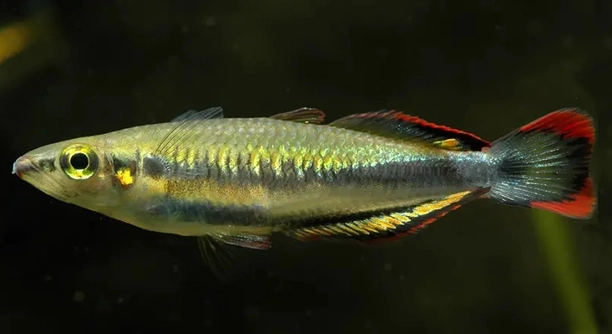
Tall vs Long Tanks for Rainbowfish (What They Prefer)
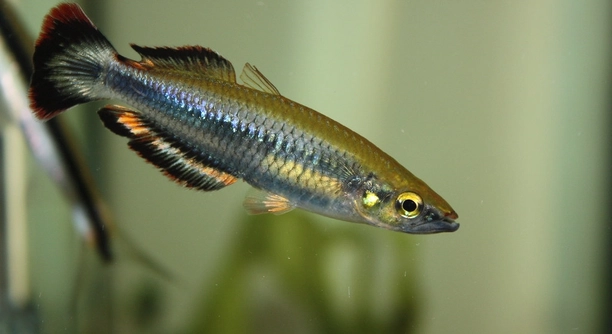
Tall and long aquariums both offer unique benefits for fishkeeping, especially when it comes to rainbowfish. Choosing the right tank can affect their swimming space, health, and overall behavior in subtle but important ways. Rainbowfish show a clear preference for longer tanks over taller ones. Long tanks provide ample horizontal swimming space, which supports their … Read more
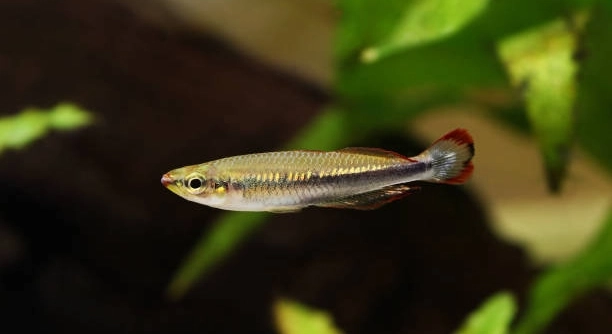
Why Rainbowfish Don’t Always School Together

Rainbowfish are colorful freshwater fish often admired for their shimmering scales and graceful movements. Many aquarists assume these fish always swim together, forming tight schools. However, their social behavior can be surprisingly flexible depending on various factors. Rainbowfish do not always school together due to environmental conditions, individual temperaments, and availability of resources. Factors such … Read more

7 Signs Your Rainbowfish Is Happy (+How to Encourage)

Are your rainbowfish swimming energetically around the tank and displaying bright colors? Observing their daily behavior can reveal a lot about their overall well-being and contentment in their aquatic environment. Small signs often indicate happiness. Happy rainbowfish display vibrant colors, active swimming patterns, and social interactions with tank mates. They maintain healthy appetites, show minimal … Read more

How Long Do Madagascar Rainbowfish Live?

Have you ever taken an interest in keeping Madagascar rainbowfish and wanted a simple introduction to their care? This short guide offers a beginning that helps you understand their lifespan and what affects their well-being. Madagascar rainbowfish typically live four to six years in a well-maintained aquarium, supported by stable water quality, balanced nutrition, and … Read more

7 Reasons to Use Live Plants With Fish

Do you ever find yourself arranging your aquarium and wondering how to make it feel more natural and lively for your fish? Live plants can transform a simple tank into a vibrant underwater environment that feels alive. Using live plants with fish provides numerous benefits, including improving water quality, offering natural shelter, reducing stress for … Read more

7 Differences Between Males and Females

Males and females share many similarities, yet distinct traits set them apart. From physical differences to behavioral patterns, understanding these variations can offer insight into how each functions in daily life and social interactions. Biologically, males and females differ in genetics, hormones, and reproductive systems. These distinctions influence physical attributes, emotional responses, and cognitive tendencies. … Read more

7 Ways to Help Rainbowfish Adjust to a New Tank

Are your rainbowfish showing signs of stress after being moved to a new tank? Adjusting to a new environment can be challenging for these vibrant fish, and their well-being depends on careful attention and proper acclimation. To help rainbowfish adjust, it is essential to maintain stable water conditions, provide adequate hiding spots, and introduce them … Read more

7 Signs Your Rainbowfish Is Stressed (+How to Help)

Do you ever notice your rainbowfish swimming unusually or hiding more than usual in the tank? These small, colorful fish can show subtle signs when they are feeling stressed or uncomfortable in their environment. Rainbowfish exhibit stress through behavioral and physical indicators, including color fading, clamped fins, erratic swimming, loss of appetite, frequent hiding, rapid … Read more

7 Reasons Rainbowfish Prefer Live Foods

Do your rainbowfish seem more excited during feeding time, showing brighter colors and livelier swimming patterns as you offer food, creating a moment that helps you notice what they enjoy most in their daily routine. Rainbowfish prefer live foods because these options closely replicate their natural feeding behavior, improve nutrient absorption, support healthy growth, enhance … Read more

Why Rainbowfish Sometimes Avoid Each Other

Rainbowfish are colorful and lively creatures, often admired for their shimmering scales and playful behavior. While they usually swim together, there are times when these fish seem to avoid one another for no obvious reason. Rainbowfish sometimes avoid each other due to territorial behavior, stress from overcrowding, or differences in social hierarchy. Environmental factors, such … Read more