
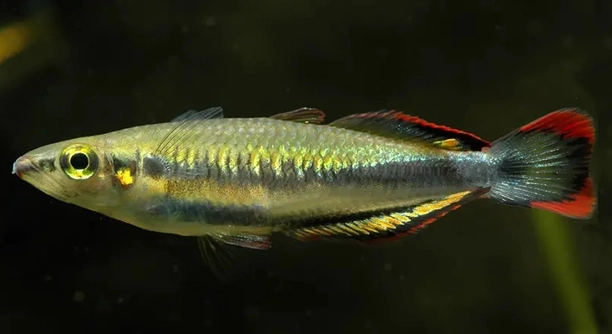
Are your rainbowfish showing signs of stress after being moved to a new tank? Adjusting to a new environment can be challenging for these vibrant fish, and their well-being depends on careful attention and proper acclimation.
To help rainbowfish adjust, it is essential to maintain stable water conditions, provide adequate hiding spots, and introduce them gradually to the new tank. Consistent feeding, monitoring behavior, and minimizing sudden changes will support their adaptation and overall health.
Following these steps will ensure your rainbowfish settle comfortably, creating a harmonious environment for them to thrive and display their natural beauty.
Preparing the Tank Before Introducing Rainbowfish
Before adding rainbowfish, it is important to prepare the tank carefully. Start by cleaning the tank and filling it with dechlorinated water. Set up a filter and heater to maintain stable conditions. Test water parameters like temperature, pH, and hardness to match their natural habitat. Adding plants, rocks, and hiding spots will provide shelter and reduce stress. Avoid overcrowding the tank, as rainbowfish need space to swim freely. Ensure the lighting is balanced to mimic a natural day-night cycle. Let the tank run for at least 24 hours before introducing the fish to allow the environment to stabilize. By preparing the tank properly, you give rainbowfish a secure and comfortable space to settle in, which reduces the chances of illness or stress. Observing the tank carefully during this period will help you notice any issues early and correct them before adding the fish. Proper preparation sets the stage for smooth adaptation.
Stable water conditions are key to minimizing stress and keeping rainbowfish healthy.
Acclimating rainbowfish gradually is essential for a smooth transition. Start by floating the sealed bag in the tank for 15 to 20 minutes to equalize the temperature. Slowly add small amounts of tank water to the bag every five minutes over the next hour. This helps the fish adjust to water chemistry changes without shock. Once the acclimation process is complete, gently release the fish into the tank, avoiding pouring the bag water in. Monitor the fish closely for the first few hours to ensure they are swimming normally and not showing signs of stress. Providing plants and hiding spaces will give them comfort. Feeding should be delayed for a few hours to allow the fish to settle. This careful approach supports the health of the rainbowfish and encourages them to explore their new environment confidently, reducing stress and promoting long-term well-being.
Monitoring Behavior and Health
Observe your rainbowfish closely for changes in behavior.
Pay attention to swimming patterns, appetite, and interactions. Healthy rainbowfish will explore, swim actively, and eat normally. Any signs of lethargy, hiding, or loss of appetite may indicate stress or illness. Regularly checking water quality is crucial, as fluctuations in temperature, pH, or ammonia levels can quickly affect health. Maintaining a clean tank with partial water changes keeps the environment stable. Quarantining new fish before adding them to the main tank can prevent disease spread.
Providing a varied diet supports their immune system and coloration. Offering high-quality flakes, pellets, and occasional live or frozen foods ensures proper nutrition. Overfeeding can lead to poor water quality, so feed small portions twice daily. Keep the tank environment enriched with plants and decorations that allow hiding and exploration. Consistency in care reduces stress and encourages natural behavior. Recording observations over time helps you track health trends and detect early warning signs. Adjustments to water conditions, diet, or tank setup may be needed depending on behavior. Regular monitoring ensures rainbowfish remain healthy, vibrant, and active, enhancing both their quality of life and your enjoyment as an aquarium keeper.
Gradual Feeding Adjustments
Feed rainbowfish small portions when they first arrive.
Start with light feeding to avoid overwhelming their digestive system. Monitor how much they eat and adjust quantities gradually over the first week. Provide a balanced diet of flakes, pellets, and occasional live foods to promote health and coloration.
Introduce new food types slowly. Sudden changes can stress rainbowfish and reduce appetite. Offer one new food at a time, mixing it with familiar options. Watch how they respond before fully switching. A gradual approach ensures they adapt well to the new diet without digestive issues or loss of interest.
Maintaining feeding consistency is essential. Feed at the same times daily and avoid overfeeding. Overfeeding can lead to water quality problems and health issues. By observing eating patterns, you can adjust portions to match their appetite. Consistent, careful feeding supports their growth and helps rainbowfish feel secure in their environment.
Creating Hiding Spaces
Add plants and decorations to the tank.
Hiding spaces reduce stress and give rainbowfish security. Live plants, rocks, and caves allow them to retreat when feeling threatened. These areas help fish establish territory and encourage natural behavior.
Vary the types of hiding spots. Dense plant clusters, open caves, and floating decorations give rainbowfish options for shelter. Position hiding areas throughout the tank so all fish can access them. This arrangement prevents competition and ensures shy fish can escape from more dominant tank mates. Regularly inspect and clean these spaces to prevent buildup of debris or algae. By maintaining a well-structured environment, rainbowfish can explore freely while feeling protected.
Hiding spaces also help during social interactions. When rainbowfish feel threatened, they can retreat instead of becoming stressed or aggressive. This reduces the chance of injury and promotes a calm, balanced tank. Properly arranged shelters encourage natural swimming patterns and create a visually appealing habitat. Over time, rainbowfish will learn to use these spaces for comfort and exploration, contributing to their overall well-being.
Maintaining Stable Water Conditions
Regularly check temperature, pH, and hardness.
Stable water prevents stress and illness. Sudden changes can shock rainbowfish and affect their behavior and appetite. Use reliable test kits to monitor levels consistently.
Perform partial water changes weekly.
Replacing 20–25% of the water keeps the tank clean without disrupting the environment. This practice removes waste and maintains chemical balance, supporting healthy fish.
Introducing Tank Mates
Choose compatible fish species carefully.
Aggressive or overly active fish can stress rainbowfish. Select peaceful species of similar size that will coexist without competition for food or territory. Observing interactions after introduction helps ensure harmony and prevents conflicts.
Light and Day-Night Cycle
Maintain a consistent light schedule.
Rainbowfish thrive with a regular day-night cycle. Use a timer to provide 10–12 hours of light daily. Consistent lighting supports natural activity patterns, feeding behavior, and reduces stress, helping fish adjust smoothly to their new environment.
How long does it take for rainbowfish to adjust to a new tank?
Rainbowfish typically need one to two weeks to fully adjust, though some may take longer depending on water conditions and tank setup. Gradual acclimation, stable water parameters, and proper hiding spaces can reduce stress and support quicker adaptation. Avoid making sudden changes during this period.
What is the best way to acclimate rainbowfish to new water?
Float the sealed bag in the tank for 15–20 minutes to equalize temperature. Slowly add small amounts of tank water to the bag every five minutes over an hour. This gradual introduction allows the fish to adjust to differences in pH, hardness, and temperature without shock.
How often should I feed rainbowfish in a new tank?
Feed small portions once or twice a day during the first week. Overfeeding can cause water quality issues and stress. Monitor how much they consume, and adjust quantities gradually. Offer a mix of flakes, pellets, and occasional live or frozen foods to provide balanced nutrition.
Do rainbowfish need hiding spots in a new tank?
Yes, hiding spaces are essential. Plants, caves, and decorations allow rainbowfish to retreat and feel secure. Providing multiple shelters reduces stress, encourages natural behavior, and helps shy individuals avoid aggressive tank mates. Change arrangements slowly to avoid disturbing their sense of territory.
Can rainbowfish live with other fish immediately?
New rainbowfish should not be introduced to a fully stocked tank right away. Wait until they show normal behavior and appetite, typically after one to two weeks. Choose peaceful species of similar size to avoid stress and competition. Monitor interactions closely during initial introductions.
What water parameters are ideal for rainbowfish?
Rainbowfish prefer a temperature between 74–82°F, a pH of 6.5–7.5, and moderate hardness. Keeping these levels stable is crucial, as sudden changes can stress the fish and increase susceptibility to illness. Regular testing ensures the environment remains safe and supportive.
How can I tell if rainbowfish are stressed?
Signs of stress include hiding excessively, reduced appetite, rapid gill movement, and clamped fins. Color may appear dull, and swimming patterns can become erratic. Observing behavior daily helps identify issues early. Adjusting water conditions, diet, or tank setup often alleviates stress.
Is it necessary to quarantine new rainbowfish?
Quarantining new fish before adding them to the main tank is highly recommended. A separate quarantine tank for two to three weeks helps monitor health, prevent disease transmission, and ensures they adapt before mixing with existing fish.
Should I change the water immediately after introducing rainbowfish?
No, avoid immediate water changes. Let the tank stabilize and the fish acclimate for a few days. Partial water changes should follow a regular schedule once fish appear comfortable. This prevents sudden shifts that could stress the rainbowfish.
How do I encourage rainbowfish to explore their new tank?
Provide hiding spots and gradually reduce cover as they settle. Offer food in different areas to stimulate movement and exploration. Keeping a calm environment with minimal sudden disturbances encourages confidence and natural swimming behavior, helping rainbowfish adjust more comfortably.
What is the best diet for rainbowfish in a new tank?
A varied diet is ideal. High-quality flakes or pellets form the base, supplemented with live or frozen foods such as brine shrimp or daphnia. Introduce new food slowly and in small amounts to prevent digestive issues and ensure they accept the diet without stress.
Can rainbowfish get sick from moving to a new tank?
Yes, stress from relocation can weaken their immune system, making them more susceptible to illness. Maintaining stable water, providing hiding spaces, and gradual acclimation reduces the risk. Observe them for signs of disease and treat promptly if needed.
How much space do rainbowfish need in a tank?
Rainbowfish are active swimmers and require ample space. A minimum of 20 gallons is recommended for a small group, with more space for larger groups. Overcrowding increases stress and aggression, so proper tank size is essential for health and well-being.
Are live plants important for rainbowfish?
Live plants provide shelter, improve water quality, and create a natural environment. They reduce stress, support natural behaviors, and make the tank visually appealing. While not strictly required, live plants significantly enhance the adaptation process and overall comfort for rainbowfish.
How do I know if rainbowfish are eating enough?
Monitor their feeding behavior. Healthy rainbowfish will actively swim to food, consume it within a few minutes, and show consistent appetite daily. Uneaten food may indicate overfeeding, while reluctance to eat can signal stress or health issues that need attention.
Adjusting rainbowfish to a new tank requires careful planning and patience. From preparing the tank with proper water conditions to providing hiding spaces, every step plays an important role in helping them feel secure. Maintaining stable temperature, pH, and hardness prevents stress and reduces the risk of illness. Gradual acclimation is critical, as sudden changes can shock the fish and affect their behavior. Observing rainbowfish closely during the first few days allows you to notice any signs of stress, illness, or unusual behavior early. By paying attention to these details, you create a safe and supportive environment that encourages the fish to settle and explore confidently.
Feeding is another important aspect of helping rainbowfish adjust. Offering small, consistent portions and gradually introducing new food types helps them adapt to the diet in a stress-free way. Balanced nutrition from high-quality flakes, pellets, and occasional live or frozen foods supports their health, coloration, and growth. Overfeeding should be avoided, as it can lead to water quality issues and stress. Along with feeding, providing a structured environment with plants, rocks, and decorations gives the fish places to hide and feel comfortable. Hiding spaces reduce anxiety and allow shy or stressed fish to retreat while establishing territory. A well-arranged tank encourages natural swimming patterns and supports social interactions between tank mates, helping rainbowfish feel secure and confident in their new home.
Regular monitoring of water conditions, fish behavior, and overall tank maintenance is key to long-term success. Partial water changes, stable lighting, and careful observation ensure a healthy, balanced environment. Choosing compatible tank mates and providing sufficient space also prevents aggression and stress. Over time, consistent care allows rainbowfish to thrive, display vibrant colors, and behave naturally. By following these steps, you can make the adjustment period smoother for your fish while creating a stable and enjoyable aquarium. Attention to detail, patience, and consistency are the most effective ways to help rainbowfish adapt successfully and maintain their well-being in a new tank.

Hello,
If you enjoy the content that we create, please consider saying a "Thank You!" by leaving a tip.
Every little bit helps us continue crafting quality advice that supports the health, happiness, and well-being of pets around the world, for pets of all shapes, sizes, and species.
We really appreciate the kindness and support that you show us!