
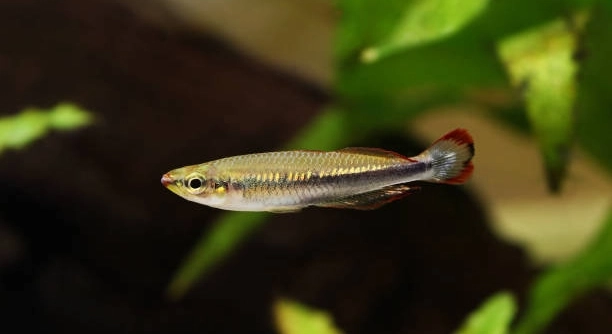
Rainbowfish are colorful freshwater fish often admired for their shimmering scales and graceful movements. Many aquarists assume these fish always swim together, forming tight schools. However, their social behavior can be surprisingly flexible depending on various factors.
Rainbowfish do not always school together due to environmental conditions, individual temperaments, and availability of resources. Factors such as water temperature, tank size, and social hierarchy influence their grouping, causing fish to disperse or form smaller, less cohesive schools.
Observing rainbowfish behavior can reveal subtle patterns and interactions in your tank. Understanding these details helps maintain a healthy and balanced environment for them.
Environmental Factors Affecting Schooling
Rainbowfish often change their grouping depending on water conditions. Temperature shifts, lighting levels, and water flow can influence whether they stick together. In cooler water, their activity slows, and schooling may become less synchronized. Strong currents can scatter them as individuals respond differently to the flow. Tank size also plays a role. Smaller tanks limit space, forcing fish closer together, while larger tanks allow more freedom, sometimes leading to smaller clusters or solo swimming. Even subtle changes, like water chemistry or pH levels, affect behavior. Some rainbowfish prefer areas with hiding spots or plants, which can make schooling less uniform. Overcrowding, conversely, can force fish into tighter groups but may increase stress and aggression. Observing these environmental cues can help aquarists understand why their fish do not always school in a predictable pattern. Proper adjustments ensure healthier, more natural behavior and reduce stress.
Schooling patterns in rainbowfish are highly sensitive to water conditions. Small environmental changes can shift behavior noticeably.
Understanding these factors helps maintain a balanced tank. Paying attention to temperature, lighting, and tank layout can improve cohesion while still allowing natural behavior. Adjustments often result in healthier, more relaxed fish, creating a more enjoyable and visually appealing aquarium. Observing their movements gives insight into their comfort and stress levels. Fish that feel secure are more likely to swim actively, explore plants, and interact with other tank mates, while stressed individuals may hide or remain isolated. Creating zones for resting and feeding supports diverse behaviors, ensuring schooling occurs naturally when fish are ready. Even simple changes like adding decorations or rearranging plants can affect swimming patterns and school formation. Being mindful of these details allows for a more harmonious tank environment.
Social Hierarchy and Individual Temperament
Individual temperament significantly affects schooling. Some rainbowfish are naturally more dominant, while others prefer solitude. These differences influence how groups form and maintain cohesion.
Dominant fish can control access to resources, influencing smaller or less aggressive fish. In mixed temperament groups, schooling becomes flexible, with fish forming temporary clusters rather than constant schools. Aggressive interactions or competition over territory can further scatter fish. Some individuals may repeatedly break away to explore or feed, reducing overall group cohesion. Stress, illness, or changes in the tank community can also alter interactions. Fish that were once part of a stable school may isolate until comfort is restored. Understanding each fish’s personality allows aquarists to predict behavior and structure the tank accordingly. By accommodating varying temperaments, including space for retreat and adequate hiding areas, it is possible to balance natural instincts with a visually cohesive schooling pattern, supporting both the health of the fish and the enjoyment of observing them.
Feeding and Resource Availability
Food distribution affects schooling behavior. When food is scarce, rainbowfish may spread out to find it. Uneven access to resources can cause temporary separation.
Rainbowfish adjust their positions in the tank based on where food is located. Dominant individuals may claim prime feeding spots, forcing others to disperse. In larger tanks, scattered feeding areas encourage fish to move independently rather than stay in tight schools. Competition can increase stress and reduce cohesive swimming, especially if some fish consistently outcompete others. Regular feeding schedules and evenly distributed food help maintain group cohesion while supporting natural behaviors.
Resource availability also interacts with environmental and social factors. A tank with abundant hiding spots and evenly spaced feeding zones allows more natural schooling. Fish can come together when they choose and separate without conflict. Over time, fish learn patterns and adapt to the tank’s layout, showing more consistent schooling when comfortable. Observing feeding behavior provides insight into group dynamics, dominance hierarchies, and individual temperaments. Proper tank management ensures both sufficient nutrition and healthy social interactions, promoting balance.
Breeding and Reproductive Behavior
During breeding periods, rainbowfish behavior changes noticeably. Males become more territorial, affecting group cohesion and causing temporary splits.
Mating instincts can override normal schooling tendencies. Males display bright colors and chase rivals, while females seek isolated areas for laying eggs. This behavior naturally breaks schools apart, as individuals prioritize reproduction over group movement. Aggression and selective pairing create dynamic, shifting patterns. Non-breeding fish may move away from active areas to avoid conflict. Tank design can influence these interactions. Including plants, rocks, or separate zones helps minimize stress and provides spaces for breeding activity. Observing these changes gives insight into natural behaviors that temporarily disrupt schooling.
Reproductive behavior is closely linked to age, health, and environmental conditions. Mature fish are more likely to exhibit breeding-driven separation, while younger fish remain in looser groups. Water quality, temperature, and diet influence readiness to breed, affecting how and when schools break apart. Understanding these factors allows aquarists to support both natural reproductive cycles and overall group harmony. Providing safe, distinct areas encourages natural breeding while minimizing aggression. By managing the tank environment carefully, it is possible to balance reproduction needs with maintaining social cohesion, ensuring healthy, thriving rainbowfish populations.
Tank Size and Space
Tank size directly affects schooling behavior. Smaller tanks force rainbowfish closer together, while larger tanks allow more freedom, sometimes causing fish to form smaller groups or swim alone.
Open spaces encourage exploration, reducing tight schooling. Limited space can increase stress but may keep fish visually grouped even if social cohesion is weak.
Predation and Perceived Threats
Rainbowfish respond to perceived threats by altering their schooling patterns. Sudden movements, shadows, or changes in tank conditions can scatter groups.
Even minor disturbances make fish temporarily leave their school. Safety instincts drive fish to seek shelter, plants, or tank corners, breaking normal group formations. Awareness of these stressors helps maintain calmer, more stable schooling.
Seasonal Changes
Seasonal shifts in water temperature and light cycles affect rainbowfish behavior. Cooler temperatures reduce activity, while warmer periods increase movement.
Changes in daylight or temperature can subtly influence swimming patterns, grouping, and overall energy. Adjusting tank conditions to mimic stable seasonal trends supports healthier schooling and predictable fish behavior.
FAQ
Why don’t my rainbowfish always swim together?
Rainbowfish school behavior changes depending on several factors. Environmental conditions, such as water temperature, tank size, and lighting, can cause fish to disperse. Social hierarchies and individual temperaments also influence cohesion. Dominant fish may assert control over resources, while shy or solitary individuals prefer separation. Temporary changes, like feeding times, breeding activity, or perceived threats, also affect grouping. Observing these patterns can help identify why your fish are not forming tight schools, and small adjustments to the tank can encourage more natural schooling behavior.
Can tank decorations affect schooling behavior?
Yes, decorations and plants directly impact how rainbowfish school. Plants, rocks, and hiding spots provide areas for shelter, exploration, and separation. Dense vegetation may cause smaller clusters, while open spaces allow more freedom to swim together. Strategic placement of decorations helps balance safety and social interaction, reducing stress and encouraging natural groupings.
How does feeding influence their schooling?
Feeding routines strongly affect group cohesion. Fish often scatter to find food, especially if dominant individuals claim prime spots. Consistent feeding schedules and evenly distributed food encourage fish to return to their school after meals. Observing feeding behavior reveals dominance patterns, movement preferences, and social dynamics within the group.
Do rainbowfish change behavior when breeding?
Yes, reproductive cycles temporarily disrupt schooling. Males become more territorial and may chase rivals, while females seek isolated areas for egg-laying. This causes temporary separation from schools. Providing distinct zones and adequate hiding spaces reduces stress during breeding while allowing fish to maintain natural reproductive behaviors.
How does tank size influence schooling?
Tank size affects movement and group formation. Smaller tanks keep fish visually close, but overcrowding can increase stress and aggression. Larger tanks give fish freedom to swim independently or form smaller clusters. Proper tank size ensures balanced schooling, supporting both social interaction and natural exploration.
What role does water quality play?
Poor water quality can cause fish to behave erratically or hide, breaking normal schooling patterns. Maintaining stable temperature, pH, and cleanliness supports healthy behavior. Rainbowfish are sensitive to sudden changes, so consistent water maintenance promotes stable group formations.
Can seasonal changes affect schooling?
Yes, light cycles and water temperature shifts influence activity levels. Cooler water slows movement, reducing schooling, while warmer periods increase swimming activity. Gradual adjustments in tank conditions that mimic natural seasonal patterns help maintain predictable schooling behavior and reduce stress.
How can I encourage my rainbowfish to school more closely?
Provide a balanced environment with stable water conditions, sufficient hiding areas, evenly distributed food, and proper tank size. Observing individual personalities helps determine which fish may need more space or privacy. Small adjustments often improve cohesion without forcing unnatural behavior.
Are some rainbowfish naturally more solitary?
Individual temperament varies. Some fish are naturally dominant, shy, or exploratory, which affects their willingness to join a school. Recognizing these differences helps create a tank setup that accommodates both group swimmers and independent individuals, supporting overall harmony.
What should I avoid to maintain healthy schooling?
Avoid overcrowding, sudden water changes, inconsistent feeding, and aggressive tank mates. Each factor can disrupt group cohesion, increase stress, or trigger isolation. Keeping a consistent, balanced environment helps rainbowfish swim naturally, maintain social interactions, and stay healthy.
How does aggression affect schooling?
Aggressive behavior from dominant individuals can force other fish to leave the group. Providing hiding spots, sufficient space, and monitoring interactions reduces conflict and allows temporary separation without long-term disruption to schooling patterns.
Can schooling patterns indicate health issues?
Yes, isolated or erratic swimming may indicate stress, illness, or discomfort. Observing changes in group behavior alongside water quality checks helps detect early signs of health problems and ensures timely care.
Is it normal for schools to break apart temporarily?
Absolutely. Temporary separation is natural and can occur due to feeding, exploration, breeding, or perceived threats. Providing a supportive environment allows fish to regroup naturally and maintain a healthy balance between social cohesion and individual needs.
How long does it take for rainbowfish to form stable schools?
It varies depending on temperament, tank size, and environmental stability. Fish often need days to weeks to adjust to new setups or changes. Consistent conditions, proper space, and attention to stress factors speed up the process, encouraging cohesive schooling behavior over time.
Can mixing different species affect schooling?
Yes, tank mates can influence group cohesion. Aggressive or highly active species may disrupt schooling, while passive species allow more natural patterns. Choosing compatible species ensures rainbowfish can maintain regular schooling without unnecessary stress or interference.
Are there signs of a well-functioning school?
A cohesive school swims in the same direction, with coordinated turns and consistent spacing. Fish appear relaxed, explore together, and return to the group after feeding or temporary separation. Observing these behaviors indicates a healthy social structure and a balanced tank environment.
What is the most important factor for consistent schooling?
Stable environmental conditions, including water quality, tank size, feeding routines, and compatible social structures, are key. Attention to individual temperament and group dynamics ensures rainbowfish maintain natural schooling patterns while staying healthy and stress-free.
This FAQ provides practical guidance for understanding why rainbowfish may not always school together and how to create an environment that supports natural social behavior.
Rainbowfish are fascinating creatures, and their schooling behavior is one of the most interesting aspects to observe. While many people expect these fish to always swim together, it is natural for them to sometimes disperse or form smaller groups. Various factors, including tank size, environmental conditions, feeding routines, and individual personalities, influence how rainbowfish interact with one another. Understanding these influences helps aquarists create a supportive environment that allows fish to express their natural behavior without unnecessary stress. Even small changes in water temperature, light, or decorations can affect movement patterns, showing that these fish respond sensitively to their surroundings. Paying attention to these details can make the experience of keeping rainbowfish more enjoyable and rewarding.
Schooling behavior is closely tied to both social hierarchy and personal temperament. Some fish are naturally dominant, while others prefer solitude or only occasionally join a group. Aggression, breeding activity, and competition for resources can temporarily break schools apart, which is a normal part of their behavior. Providing enough space, hiding spots, and evenly distributed food can reduce stress and support more natural groupings. Observing fish over time helps identify individual differences, which allows aquarists to adjust tank conditions accordingly. Understanding the reasons behind changes in schooling patterns makes it easier to manage a harmonious tank. This knowledge also helps ensure that both dominant and more reserved fish have opportunities to swim comfortably while still interacting with the group when they feel safe.
Maintaining stable conditions and being mindful of environmental factors ensures rainbowfish remain healthy and display natural schooling behavior. Consistent water quality, appropriate tank size, and thoughtful placement of plants and decorations encourage cohesive movement without forcing fish into unnatural patterns. Temporary dispersal or smaller clusters are normal and often indicate that the fish are exploring, feeding, or responding to changes in their environment. Observing these behaviors provides insight into their well-being and social interactions. Supporting both group cohesion and individual needs allows rainbowfish to thrive while maintaining a visually dynamic and engaging aquarium. By carefully balancing these factors, aquarists can enjoy watching rainbowfish display their unique personalities and natural behaviors while fostering a stable, stress-free environment.

Hello,
If you enjoy the content that we create, please consider saying a "Thank You!" by leaving a tip.
Every little bit helps us continue crafting quality advice that supports the health, happiness, and well-being of pets around the world, for pets of all shapes, sizes, and species.
We really appreciate the kindness and support that you show us!