
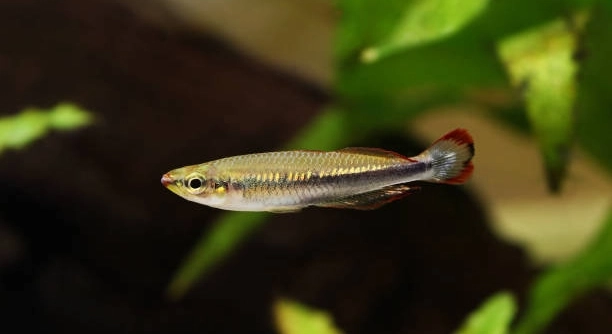
Have you ever taken an interest in keeping Madagascar rainbowfish and wanted a simple introduction to their care? This short guide offers a beginning that helps you understand their lifespan and what affects their well-being.
Madagascar rainbowfish typically live four to six years in a well-maintained aquarium, supported by stable water quality, balanced nutrition, and appropriate tank conditions. Consistent care promotes healthy development and longevity, allowing these fish to thrive comfortably throughout their expected lifespan.
Understanding their lifespan guides you toward better care habits that support long-term health and create an experience in your aquarium.
Factors That Influence Their Lifespan
Several elements play a direct role in how long Madagascar rainbowfish live, and understanding these helps you support their health with ease. Stable water conditions are essential, since these fish respond poorly to sudden shifts that create stress. A clean tank with regular maintenance keeps harmful waste from building up and affecting their overall condition. Balanced feeding also matters, because offering a mix of high quality flakes, small live foods, and nutrient rich supplements supports steady growth. Enough swimming space is another important factor, allowing them to move freely without tension. Good filtration keeps oxygen levels consistent and prevents buildup that could disturb their environment. Gentle lighting and a calm home reduce unnecessary stress that may shorten their lifespan. When these elements come together, your fish gain a steady foundation that helps them remain strong and active for years. This provides a stable setting that keeps fish healthy each day.
Daily care supports these fish by keeping their environment predictable and clean. Small actions like steady feeding, routine water tests, and simple observation help you catch early changes. These habits build a comfortable home that encourages stability and reduces stress in a gentle and manageable way for rainbowfish daily.
Creating a supportive habitat for Madagascar rainbowfish becomes easier once you understand their basic needs and how each element affects their comfort. Consistent upkeep gives them room to swim freely and stay calm. Feeding routines that include varied foods help maintain strong coloration and balanced growth. Clean water ensures they avoid stress linked to toxins or sudden shifts. A steady temperature range promotes smooth activity and limits unnecessary strain. Gentle lighting completes the setup by keeping their environment stable without overwhelming them. When these features work together, your fish develop a dependable rhythm that improves their long term well being.
Care Practices That Support Longevity
Simple care practices help maintain the long term health of Madagascar rainbowfish by giving them consistent conditions that match their natural needs. Regular cleaning, proper feeding, and gentle lighting work together to create a home that keeps them active, calm, and better prepared to thrive in their aquarium each day.
Maintaining the health and longevity of Madagascar rainbowfish relies on steady routines that strengthen their environment and limit stress. Regular water changes support clean conditions that prevent waste from building up and affecting their comfort. Testing water parameters allows you to correct small shifts before they become disruptive, keeping the tank stable and predictable. A balanced feeding plan that features flakes, small live foods, and occasional supplements helps support their development and natural energy levels. Providing enough swimming space lets them move freely without tension, reducing the risk of stress related behaviors. Plants and gentle decorations offer shelter without restricting movement, adding a sense of security that helps them stay calm. Consistent filtration keeps oxygen levels suitable for active swimming while preventing harmful buildup. Maintaining a steady temperature helps protect them from sudden swings that may strain their system. Soft lighting completes the setup by giving them a comfortable setting that matches their needs without overwhelming them. When each of these care steps is handled with attention, your rainbowfish gain a balanced home that supports strong health and helps them age comfortably. With steady routines and gentle care, these fish remain active and resilient throughout their expected lifespan in a well maintained habitat.
Common Health Concerns
Madagascar rainbowfish can face several health issues when their environment becomes unstable or poorly maintained. Poor water quality often leads to stress that weakens their natural resistance. Parasites may appear when new fish are introduced without proper care. Consistent monitoring helps reduce these risks and keeps them comfortable each day.
Health problems in Madagascar rainbowfish often begin with stress caused by sudden changes in water conditions or irregular care habits. When these shifts occur the fish become more vulnerable to infections that can affect their fins breathing or overall energy levels. Gill irritation appears when ammonia or nitrite levels rise beyond safe limits creating discomfort that slows their activity. External parasites may also appear when new fish or plants are added without careful inspection. Regular testing steady feeding and quarantining new additions play a key role in preventing these issues and maintaining a stable environment that supports their term being.
Preventing health issues becomes easier once you maintain steady routines and understand how quickly small imbalances can affect rainbowfish. Clean water remains the foundation since toxins accumulate and strain their system when neglected. Balanced feeding keeps their digestion smooth and supports steady energy. Adequate space prevents stress created by crowded conditions allowing them to swim comfortably. Gentle lighting also matters because intense brightness may unsettle them. Regular observation lets you identify early signs like unusual swimming faded color or surface gasping. Addressing these changes promptly helps protect their health and limits complications that may shorten their expected lifespan in captivity.
Optimal Tank Conditions
Optimal tank conditions provide Madagascar rainbowfish with the stability they need to remain active and healthy. Clean water supported by regular partial changes keeps toxins from reaching harmful levels. Consistent temperatures help maintain their energy and prevent stress linked to sudden shifts. Proper filtration boosts oxygen and keeps their habitat clear. Adequate space encourages natural movement that supports calm behavior and balanced activity throughout their daily routine in a stable setup that benefits them greatly.
Maintaining ideal tank conditions for Madagascar rainbowfish depends on steady routines that protect their environment from sudden or harmful changes. Clean water achieved through routine partial changes prevents toxins from building up and affecting their comfort. A reliable filtration system supports oxygen flow and keeps debris from clouding the tank. Stable temperatures reduce stress that may appear when fluctuations occur helping them maintain normal behavior. Spacious tanks encourage natural swimming patterns that keep them active and calm. Plants offer shelter without limiting movement. Regular testing of pH hardness and nitrogen levels helps catch small changes early so adjustments can be made smoothly. When these elements stay consistent your rainbowfish gain dependable conditions that support long term health and steady growth throughout their time in captivity.
Feeding Requirements
Madagascar rainbowfish rely on a balanced diet that supports steady growth and clear coloration. A mix of quality flakes small live foods and occasional supplements keeps them strong. Consistent feeding routines help maintain their energy which supports their daily activity in a stable and comfortable aquarium environment.
Regular feeding also prevents digestive issues that may appear when portions become too large or inconsistent. Offering small amounts twice a day keeps them satisfied without overwhelming the tank. This simple routine helps maintain stable water conditions and supports their overall well being in a predictable setting.
Breeding Considerations
Breeding Madagascar rainbowfish requires steady water conditions gentle lighting and a calm environment that reduces stress. A separate breeding tank helps protect the eggs and allows you to control temperature and cleanliness. Providing fine leaved plants or spawning mops gives the adults a safe place to lay eggs. Once spawning occurs the eggs should remain undisturbed in clean stable water to prevent fungus or damage. After hatching the fry need small nutrient rich foods to support their early growth. Regular observation ensures healthy development and prevents issues that may affect the young during their first weeks.
Social Behavior
Madagascar rainbowfish thrive in peaceful groups where they feel secure and active. Keeping them in small groups encourages natural movement and reduces stress which helps maintain stable behavior in a well arranged tank.
FAQ
How long do Madagascar rainbowfish usually live in a home aquarium?
Madagascar rainbowfish typically live four to six years when kept in stable and well maintained tanks. Clean water, balanced feeding, and predictable care routines help them stay healthy throughout their expected lifespan. When these factors remain consistent, the fish have fewer stress related issues and experience smoother daily activity.
What tank size is recommended for Madagascar rainbowfish?
A spacious tank is essential because these fish are active swimmers. A minimum of a 30 gallon tank works well for a small group, giving them room to move freely. Larger tanks offer more comfort and help maintain stable water conditions that support long term health.
Do Madagascar rainbowfish get along with other fish?
These fish are peaceful and thrive in calm communities. They prefer being in groups of their own species, but they also coexist well with other non aggressive fish that enjoy similar water conditions. Avoid pairing them with species that behave aggressively or move roughly, since this may cause tension.
What do Madagascar rainbowfish eat?
They do well on a diet that includes quality flakes, small live foods, and nutritious frozen options. Variety helps maintain their color and supports their energy. Feeding small portions twice daily keeps them satisfied without compromising water quality. This routine supports digestion and reduces stress linked to overfeeding.
How often should the tank be cleaned?
Regular partial water changes are needed to keep the tank healthy. Removing around twenty to thirty percent of the water each week helps keep toxins from building up. Cleaning the substrate and gently rinsing filter media when needed supports a stable environment that benefits the fish each day.
Why is stable water quality so important for Madagascar rainbowfish?
Stable water quality protects their health by preventing sudden changes that can cause stress. Fluctuations in pH, temperature, or ammonia levels affect their comfort and weaken their natural resistance. When parameters remain steady, these fish stay active, calm, and better protected from common health issues.
Are Madagascar rainbowfish hard to care for?
They are considered moderately easy to care for when their tank remains clean and predictable. Their needs revolve around stable water, balanced food, and enough swimming space. When these basics are handled consistently, the care process becomes simple and manageable even for someone still gaining experience.
How can I tell if a Madagascar rainbowfish is stressed or unhealthy?
Signs include faded color, unusual swimming patterns, surface gasping, or sudden hiding. These changes often appear when water quality shifts or when the tank becomes overly crowded. Observing your fish each day helps you detect early signs and fix the cause before the issue becomes worse.
Do they require plants or decorations in their tank?
Plants and gentle decorations create a secure atmosphere that helps the fish feel comfortable. They prefer open spaces for swimming, but they also appreciate areas with light cover. Plants help maintain water quality and provide a natural setting that supports their daily rhythm.
Can Madagascar rainbowfish breed in a community tank?
Breeding is possible in a community tank, but survival of the eggs is unlikely without precautions. Adults may eat the eggs, and tank mates can disturb the breeding process. A separate breeding setup is recommended to protect the eggs, maintain clean water, and provide gentle lighting.
What water parameters should be maintained for these fish?
They thrive in slightly alkaline water with steady pH and moderate hardness. Keeping ammonia and nitrite at zero and maintaining low nitrate levels is essential. Temperature should remain stable to avoid stress. Consistent testing keeps these parameters balanced and reduces the risk of health problems.
Are Madagascar rainbowfish sensitive to lighting?
They prefer gentle lighting that provides enough brightness without overwhelming them. Soft light helps maintain their natural behavior and reduces unnecessary stress. Sudden shifts from bright to dark or direct harsh lighting can unsettle them, so settings should remain smooth and predictable.
Can their colors fade over time?
Color fading often occurs when the fish experience stress, poor nutrition, or unstable water conditions. Improving water quality, offering varied foods, and maintaining steady care routines usually restores their natural hues. Consistency plays a major role in keeping their appearance vibrant and healthy.
Do Madagascar rainbowfish need a specific type of filter?
A reliable filter that supports strong oxygen flow and efficient waste removal works best. These fish appreciate steady movement in the water, so a filter that provides gentle circulation supports their comfort. Proper filtration keeps the tank clear and creates conditions that help them stay active.
Is it normal for them to swim quickly across the tank?
Yes, active swimming is typical behavior for Madagascar rainbowfish. They enjoy open space and move briskly when they feel comfortable. Quick swimming becomes a concern only when paired with signs of stress such as surface gasping or unusual hiding. Observing patterns helps determine what is normal for your fish.
Final Thoughts
Caring for Madagascar rainbowfish becomes much more manageable once you understand how their environment shapes their overall well being. These fish depend on steady conditions that keep their stress levels low and their daily routine predictable. Clean water, balanced feeding, proper filtration, and enough swimming room make up the foundation of their care. When these elements stay consistent, the fish respond with steady movement, healthy coloration, and calm behavior that shows they feel secure. Their peaceful nature makes them suitable for well arranged community setups, especially when tank mates share similar needs. A stable aquarium supports them through each stage of their life, helping them reach their natural lifespan without unnecessary strain. By keeping their environment simple and reliable, you create a space where they can thrive. This approach takes the pressure off and lets you enjoy their gentle presence without complicated routines or stressful adjustments.
Madagascar rainbowfish show their best qualities when their tank remains undisturbed and thoughtfully maintained. Water stability stays at the center of their well being since even minor shifts can affect their comfort. Routine testing not only protects them from harmful changes but also gives you a clear understanding of what needs attention. Their feeding routine benefits from small portions offered regularly, which supports smooth digestion and prevents leftover waste that may disturb water quality. Decorations and plants help create pockets of security without blocking open swimming space, giving them a balanced habitat that matches their natural behavior. Observing them each day helps you notice early signs of discomfort such as reduced activity or duller color. Addressing these small changes early prevents larger problems later. When these simple habits become part of your routine, their care feels easier and more natural.
Supporting Madagascar rainbowfish through each stage of their life involves thoughtful attention, steady routines, and a calm aquarium that matches their needs. Their peaceful nature makes them pleasant to keep, especially when they receive gentle conditions that protect them from stress. Breeding can be managed successfully with separate setups, soft lighting, and clean water that protects eggs and fry. Social groups help them feel grounded, and a spacious layout gives them the freedom to move comfortably. By understanding how each part of their environment contributes to their health, you can offer a stable home that keeps them active and steady long term. A simple, consistent approach ensures they remain healthy, vibrant, and supported throughout their time in your care.

Hello,
If you enjoy the content that we create, please consider saying a "Thank You!" by leaving a tip.
Every little bit helps us continue crafting quality advice that supports the health, happiness, and well-being of pets around the world, for pets of all shapes, sizes, and species.
We really appreciate the kindness and support that you show us!