
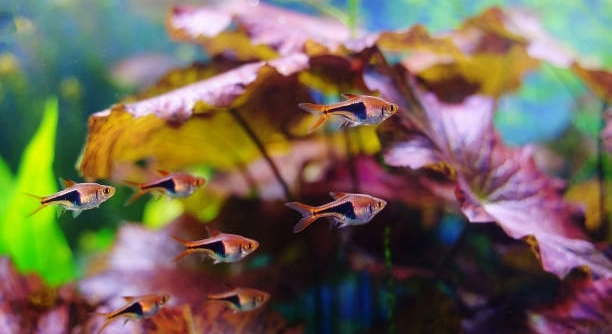
Are your rasboras swimming restlessly in the tank, leaving you unsure about how many companions they need? These small, colorful fish are popular for aquariums, but their social habits often confuse even experienced hobbyists.
Rasboras thrive best in larger groups of six or more, as their schooling behavior provides security, reduces stress, and promotes natural movement patterns. Small groups can lead to anxiety, lethargy, and less vibrant activity in their environment.
Maintaining the right group size ensures healthier, happier fish, and encourages more natural behaviors in your aquarium. Understanding this can make all the difference for your tank’s balance.
Why Group Size Matters for Rasboras
The size of your rasbora group directly affects their behavior and health. These fish are naturally social and feel safest in numbers, which reduces stress and encourages natural swimming patterns. In small groups, rasboras can become shy, hide frequently, or stop exploring the tank, limiting their natural activity. A larger group allows for schooling, which not only looks more appealing in an aquarium but also provides safety in numbers, making them feel more confident and active. Their colors tend to appear brighter when they are comfortable and less stressed, which is often only visible in well-sized groups. Tank size should also match group size to prevent overcrowding. While a few fish can survive in a small tank, they may not thrive. Proper group size creates balance, allowing each fish to interact, establish mild social hierarchies, and maintain physical health without competition for resources. Watching a larger school move together is more engaging and reflects their natural behavior.
Maintaining six or more rasboras encourages a lively, balanced, and visually appealing aquarium while supporting overall fish health and activity.
Small groups may seem easier to manage, but larger schools provide stability, natural movement, and reduce stress-related behavior, making care more straightforward and effective.
Tank Setup Tips for Healthy Rasboras
Tank size and environment are just as important as group size. Small tanks can quickly become stressful, especially if there are too few hiding spots or insufficient swimming space. Adding plants, smooth decorations, and open swimming areas gives them security and freedom to move naturally. Filtration should be gentle, as strong currents can tire small fish, while water quality must be maintained to prevent disease. Temperature and pH should remain consistent, mimicking their natural habitat to encourage comfort and activity. A balanced diet supports color vibrancy and energy, which is particularly noticeable when the school swims together. Choosing compatible species for a community tank avoids stress and aggression, allowing rasboras to school without interruptions. Regular observation helps catch early signs of illness or stress, ensuring the group remains healthy. Proper setup combined with a correctly sized school maximizes both fish welfare and visual appeal, making the aquarium a thriving environment.
A well-prepared tank supports active, colorful, and healthy rasboras, allowing them to thrive naturally while reducing stress and behavioral issues.
Setting up plants, open spaces, and gentle filtration enhances schooling behavior and helps rasboras show their natural, energetic movements.
Common Mistakes When Grouping Rasboras
Keeping too few rasboras can cause stress and reduce natural swimming behavior. Overcrowding creates competition for space and resources, leading to aggression. Both scenarios negatively affect their health and color, making proper group planning essential for a balanced tank environment.
Some aquariums look attractive with only a few rasboras, but this can harm their social behavior. Small groups often result in timid fish that hide constantly, while larger schools exhibit confidence and coordinated movement. Overcrowding, on the other hand, restricts swimming space and can increase aggression. Striking the right balance between tank size and group number ensures fish remain active, healthy, and visually appealing. Observing interactions helps adjust group size before problems arise. Proper planning prevents stress-related behaviors and supports overall wellbeing, making the tank more enjoyable.
Inexperienced hobbyists sometimes focus on decoration and forget that social needs are just as important. Rasboras require companions to thrive, and ignoring this can lead to dull colors and lethargy. Additionally, neglecting to match the tank’s capacity with the school size often causes water quality issues. Regular maintenance, careful monitoring, and gradual group adjustments are key. Balancing space, hiding spots, and group number promotes natural schooling behavior. By prioritizing social needs alongside environment, the fish become more active and display their full range of colors. Planning ahead reduces stress and keeps the aquarium harmonious.
Choosing Compatible Tank Mates
Aggressive or large fish can intimidate rasboras, disrupting their schooling behavior and causing stress. Peaceful, small species are the best companions to maintain a calm and active group environment.
Compatibility affects both the health and behavior of rasboras. Fish that are too large or aggressive may chase or eat smaller species, breaking schools and causing anxiety. Small, non-aggressive species such as tetras or danios can coexist safely, allowing rasboras to swim freely and display natural behaviors. Introducing tank mates gradually and observing interactions ensures harmony. Plants and decorations provide additional hiding spots, further reducing stress from potential conflicts. Thoughtful selection of companions prevents disruptions and maintains the visual appeal of schooling behavior, supporting a balanced ecosystem.
Tank mates also influence feeding dynamics and overall activity levels. Aggressive feeders can monopolize food, leaving rasboras undernourished, while calm species share space and resources evenly. A well-planned community allows all fish to thrive without competing for territory. Monitoring interactions and adjusting as needed ensures the group remains cohesive, minimizing stress. A stable, compatible tank encourages vibrant coloration and consistent swimming patterns, creating an engaging display. By carefully considering behavior, size, and diet, the tank environment becomes predictable and supportive for rasboras and their companions alike.
Ideal School Sizes for Different Rasbora Species
Smaller rasboras, like the Harlequin, do well in groups of six to eight, while larger species may need ten or more. Matching school size to species ensures active swimming and reduces stress in the aquarium.
Keeping consistent group sizes within the same species prevents dominance and fighting. Balanced schools allow natural schooling behavior, making the tank visually pleasing.
Feeding Practices for Groups
Feeding rasboras in groups requires careful observation to ensure all fish get proper nutrition. Small floating flakes or micro pellets work best. Overfeeding can pollute the tank, so portion control is crucial. Distributing food evenly prevents weaker fish from being outcompeted, maintaining health across the school.
Monitoring Behavior and Health
Regular observation of schooling patterns, color vibrancy, and activity levels helps identify stress or illness early. Healthy rasboras swim together, display bright colors, and respond actively to feeding, while stressed fish may isolate or appear dull.
How many rasboras should I keep together?
Rasboras are schooling fish, so they need companions to feel secure. Most small species, like Harlequin or Chili rasboras, do well in groups of six to ten. Larger species may require ten or more. Keeping them in small numbers can cause stress, hiding, and reduced activity, while too many in a small tank can lead to overcrowding. The right number ensures natural movement patterns, bright coloration, and healthy social interactions. Observing your group can help adjust numbers if some fish seem withdrawn or overly aggressive.
Can rasboras live alone?
Rasboras do not thrive alone. They are naturally social and rely on a school for security and confidence. A single fish will often hide, stay near the bottom, or show dull colors. Loneliness can lead to stress-related illness or lethargy. If you want only one rasbora, it is better to consider a species that tolerates solitude, but generally, a group is essential to their mental and physical wellbeing.
What happens if my group is too small?
Small groups prevent natural schooling behavior. Fish may become shy, hide, or swim in a scattered, irregular manner. Color vibrancy often decreases, and they may be more prone to stress-related disease. A proper-sized group helps them feel safe, encourages movement, and maintains consistent health. Behavior and energy levels are better in groups of six or more for small species.
How does tank size affect schooling?
Tank size directly influences how comfortably rasboras can school. A cramped tank limits swimming space, increases aggression, and stresses the fish. Ideally, provide enough horizontal space for a coordinated school to move freely. Plants, decorations, and open areas balance security and room to swim. The combination of proper group size and adequate tank dimensions keeps the school healthy and active.
Are certain rasboras more social than others?
Some species, like Harlequin and Chili rasboras, are highly social and need larger schools. Others, such as Scissortail Rasboras, are slightly more independent but still benefit from groups. Understanding each species’ social needs helps prevent stress and ensures healthy interactions. Research the species’ behavior before establishing a school to provide an optimal group environment.
Can rasboras school with other fish?
Rasboras prefer the company of their own species for proper schooling behavior. While they can coexist with peaceful, small fish like tetras or danios, they will form schools only with their kind. Mixed-species tanks are possible, but maintain at least six of the same rasbora species to keep natural behavior and reduce stress. Tank mates should be calm and non-aggressive to avoid disrupting the school.
How do I tell if my rasboras are stressed?
Signs of stress include hiding, lethargy, loss of color, erratic swimming, or fin damage. Stress can result from too few companions, overcrowding, aggressive tank mates, poor water quality, or inadequate food. Addressing group size, environment, and tank conditions improves wellbeing. Regular observation allows early intervention to prevent illness.
Do rasboras require a specific diet in groups?
Feeding is important for maintaining health and color in schooling fish. Provide small, frequent portions that all fish can access. Floating flakes, micro pellets, and occasional live or frozen foods work well. Distribute food across the tank to prevent weaker fish from being outcompeted. Avoid overfeeding, which pollutes the water and stresses the group.
Can rasboras breed in groups?
Rasboras are more likely to spawn in properly sized groups. A larger school reduces stress and encourages natural behavior. Males display colors and court females more confidently when part of a group. Provide flat surfaces or plants for egg-laying and maintain good water conditions to increase chances of successful breeding.
How often should I adjust my group?
Adjusting the group may be necessary when adding new fish or noticing signs of stress. Introduce new members gradually, ensuring the tank isn’t overcrowded. Monitor interactions and be ready to separate individuals if aggression appears. Balanced, stable groups prevent health issues and maintain natural schooling behavior over time.
Do all rasboras need the same group size?
Different species have different social requirements. Small species need smaller groups of six to ten, while larger or more active species may require ten or more. Matching group size to species ensures schooling behavior, reduces stress, and supports natural activity. Observing your fish helps fine-tune numbers.
Can I mix different rasbora species in one school?
Mixing species in a school is not ideal, as they may not coordinate movement properly. Each species has unique swimming patterns and social instincts. Keep schools uniform to maintain natural behavior and reduce stress. Mixed-species tanks are possible, but only if each species has a sufficient number of companions to form their own mini-school.
What environmental factors affect schooling behavior?
Water quality, temperature, pH, and tank decorations all influence how rasboras school. Poor water conditions or strong currents can disrupt movement and increase stress. Plants, hiding spots, and open swimming areas create a secure environment for natural schooling. Maintaining consistent conditions ensures active, vibrant fish.
How do I prevent aggression in a rasbora group?
Aggression is rare in proper-sized groups, but overcrowding or incompatible tank mates can trigger it. Keep at least six fish of the same species, avoid adding aggressive companions, and provide sufficient space. Observing interactions allows early adjustments, ensuring the group remains cohesive and peaceful.
Can rasboras get sick if their group is too small?
Yes. Stress from isolation can lower immunity, making fish more prone to illness. Disease may appear as fin rot, dull colors, or lethargy. Proper group size, stable water conditions, and regular feeding reduce health risks and promote natural behavior.
Rasboras are social fish that thrive in groups, and understanding their needs is essential for a healthy aquarium. Choosing the right group size ensures that these small, active fish display natural schooling behavior. Smaller groups can lead to stress, hiding, and dull coloration, while overly large groups in a confined tank can cause overcrowding and aggression. Matching the number of fish to both species and tank size is important for maintaining a balanced environment. Observing the behavior of the group helps identify when adjustments are needed, ensuring each fish feels secure and active. When the group is correct, rasboras move together, explore the tank confidently, and exhibit their natural energy, making the aquarium more engaging to watch.
Tank setup also plays a key role in how well rasboras do in groups. Providing enough space for swimming, along with hiding spots like plants or decorations, allows fish to feel safe while interacting socially. Gentle filtration and stable water conditions prevent stress that can disrupt schooling behavior. Environmental consistency is as important as group size, as rasboras respond to changes in water quality, temperature, and pH. A well-maintained tank combined with a properly sized school promotes healthy, active fish. Feeding practices also matter; distributing food evenly ensures all fish eat and reduces competition. Attention to these factors contributes to the overall wellbeing of the group and allows rasboras to thrive naturally.
Choosing compatible tank mates is another important aspect when keeping rasboras in groups. Peaceful, small species work best, as aggressive or large fish can intimidate rasboras and disrupt schooling. Even with compatible species, maintaining a sufficient number of rasboras in the same group is crucial for natural movement and stress reduction. Regular observation helps detect early signs of stress, illness, or imbalance, allowing timely adjustments. Paying attention to group size, tank conditions, diet, and companionship ensures rasboras remain vibrant, active, and healthy. Proper care fosters a stable, visually appealing aquarium where these fish can flourish and display their full range of natural behaviors.

Hello,
If you enjoy the content that we create, please consider saying a "Thank You!" by leaving a tip.
Every little bit helps us continue crafting quality advice that supports the health, happiness, and well-being of pets around the world, for pets of all shapes, sizes, and species.
We really appreciate the kindness and support that you show us!