
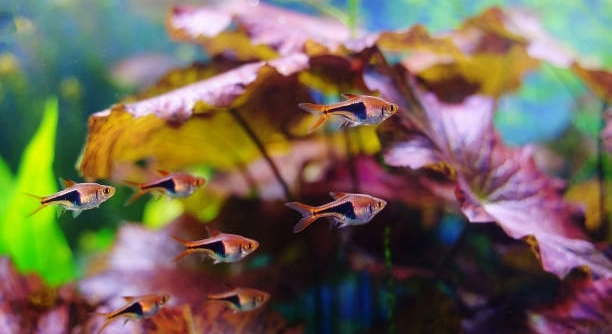
Have you ever noticed your rasboras spending time in certain spots, creating gentle patterns across the tank while others remain quiet, making aquariums feel alive and thoughtful during calm daily moments at home together softly.
Rasboras exhibit consistent spatial preferences influenced by safety, lighting, water flow, and social structure. These fish commonly occupy midwater zones near cover, where schooling behavior stabilizes stress levels and optimizes feeding efficiency within community aquariums under stable environmental conditions consistently.
Tank layout, plant placement, and routine care all shape these preferences, revealing insights that improve comfort and harmony overall balance.
Common Areas Rasboras Prefer
Rasboras often settle into areas that feel calm and predictable. In my tanks, they spend most time swimming midwater, especially near plants that break up open space. These areas offer gentle shelter without blocking movement. Floating plants soften light, while rooted plants provide visual boundaries. Rasboras respond well to this balance. They move together more smoothly and pause less often. When tanks feel too open, they scatter and appear restless. When tanks feel crowded, they hide. A thoughtful middle zone allows them to school naturally. This space also supports steady feeding, since food drifts slowly instead of dropping too fast. Over time, rasboras return to the same sections daily. These patterns show comfort rather than habit. A stable environment helps them feel secure and active. Consistency in layout reduces stress and supports healthy behavior across different lighting cycles and daily maintenance routines for long term stability in community tanks overall.
Preferred areas are not random. Rasboras choose zones that balance light, cover, and flow. When these elements stay consistent, the fish display calmer schooling, better feeding responses, and fewer signs of stress during daily activity. This behavior remains steady even as minor changes occur within a well maintained aquarium setting.
Tank decorations strongly influence these preferences. Driftwood, rocks, and plants guide swimming paths and resting points. I have noticed rasboras using plants as reference markers, returning to the same lanes repeatedly. Smooth water flow encourages longer swims, while strong currents push them aside. Lighting also matters. Bright lights drive them lower, while softer lighting keeps them centered. These responses are subtle but consistent. By adjusting layout slowly, their favored areas become clear. Observing daily movement offers useful feedback. It shows which parts of the tank support comfort, balance, and healthy schooling behavior over time through careful long term observation alone.
How Tank Conditions Shape These Choices
Water parameters quietly guide where rasboras feel at ease. Stable temperature, gentle filtration, and clean water keep them visible and active. When conditions shift, preferred areas shift as well, often toward safer zones with less exposure and consistent surroundings support predictable daily movement patterns across the entire tank space overall.
Rasboras respond quickly to environmental stability. When water quality remains steady, their chosen areas become easy to identify. In my experience, they linger where temperature and oxygen feel balanced. Gentle filtration prevents constant correction swimming. This allows relaxed movement. Sudden changes cause visible shifts. They move lower, cluster tightly, or avoid open areas. These reactions fade once conditions normalize. Tank mates also affect placement. Peaceful species allow rasboras to spread out, while active fish compress their range. Feeding routines reinforce patterns as well. When food enters from the same spot, rasboras gather nearby before dispersing. Over time, these habits align with comfort. Regular maintenance supports this process. Clean glass, trimmed plants, and stable equipment reduce disruption. Small, consistent adjustments work better than large changes. Observing behavior after each adjustment helps refine layout. The goal is not control but support. When conditions suit them, rasboras settle into predictable zones and remain visible, active, and calm throughout the day. This steady presence benefits observation and care. It makes health changes easier to notice and strengthens the sense of connection between keeper and aquarium over long periods while maintaining a calm, balanced display that supports daily enjoyment and consistent viewing without added stress.
Signs of Comfort and Stress
Comfort shows in steady schooling, smooth turns, and even spacing. My rasboras glide without sudden stops and rest briefly near plants. Stress appears as tight clustering, rapid darting, or hiding low. These shifts often follow changes in lighting, flow, or maintenance routines that disrupt established patterns over time daily cycles.
Comforted rasboras hold consistent lanes across the tank and respond calmly to feeding. I notice fewer collisions and gentler movement when conditions suit them. When stress rises, their range shrinks. They favor corners, hover near the bottom, and react late to food. Schooling tightens and breaks quickly. These behaviors signal imbalance rather than mood. Small triggers include brighter bulbs, stronger flow, or sudden décor shifts. Observing these changes helps guide adjustments. Restoring previous settings often returns normal movement within days, showing how sensitive placement is to stability during routine care and feeding schedules over longer periods of daily tank life.
Personal observation matters more than strict rules. Each tank has unique flow and plant density. I adjust slowly and watch where rasboras settle after changes. If they spread evenly, conditions feel right. If they compress, I step back. This process avoids constant disruption. Logging behavior for a week reveals patterns. Morning and evening positions may differ slightly, yet preferred zones remain similar. Respecting these signals leads to healthier fish and a calmer display that feels balanced day after day with steady routines, minimal changes, and careful attention to subtle responses over time within a stable home aquarium setting overall consistently.
Encouraging Natural Use of Space
Supporting natural space use starts with moderation. I avoid overdecorating and leave open swimming paths. Plants cluster along edges rather than blocking centers. Gentle flow runs lengthwise, not downward. Lighting stays even without harsh hotspots. These choices encourage midwater schooling and reduce hiding. Over time, rasboras claim areas calmly and return to them without prompting. This balance supports visibility, comfort, and predictable movement throughout daily tank activity without forcing constant adjustment or stress responses overall.
Consistency reinforces preferred areas. Feeding from the same location trains gentle gathering rather than frantic chasing. Maintenance follows a routine to avoid startling shifts. I trim plants lightly and clean in sections, preserving familiar landmarks. When adding décor, I mirror existing shapes and spacing. Sudden rearranging disrupts placement and increases hiding. Patience matters here. Allowing days between changes gives rasboras time to resettle. Watching their paths after each adjustment provides clear feedback. When movement smooths and spacing widens, the setup works. This approach builds trust through stability. It keeps behavior readable and reduces stress. Over time, the tank feels settled, and the fish behave with quiet confidence. These habits support long term health and make daily observation more enjoyable and reliable for consistent care practices.
Daily Movement Patterns
Rasboras adjust their positions throughout the day based on light and activity. In the morning, mine stay lower and closer to plants. As light softens, they rise midwater. Evening brings slower movement, with tighter groups forming near familiar cover. These patterns repeat daily and reflect comfort rather than randomness overall.
External movement around the tank also shifts preferred areas. When rooms are busy, rasboras keep distance and hold closer formations. During quiet periods, they spread wider and explore. This response shows awareness rather than fear, shaped by routine exposure and stable surroundings over long term daily household activity patterns consistently.
The Role of Tank Size
Tank size plays a quiet role in area preference. In smaller tanks, rasboras limit movement and reuse the same paths. Larger tanks allow broader schooling and clearer zones. I notice more confidence when horizontal space increases. Vertical height matters less. Clear sightlines reduce startle responses. Adequate swimming length supports natural pacing. Crowding limits choice and compresses behavior. Balanced stocking prevents this. When space fits the group, preferred areas appear without effort. The fish settle, repeat routes, and maintain spacing. This stability improves feeding response and visibility. Space does not need to be excessive, only appropriate and arranged for consistent movement.
Individual Differences Within the Group
Individual rasboras show slight differences despite schooling. I notice bolder fish lead routes, while others follow edges. These roles stay subtle but consistent. Allowing space for this variation supports balance. Uniform layouts still work when flow and cover remain evenly distributed across shared areas, reducing competition and stress levels naturally.
FAQ
Do rasboras always return to the same spots?
Yes, rasboras often return to familiar areas once they feel secure. In my experience, they consistently choose zones with midwater access, light cover, and gentle flow. Changes in décor or lighting can temporarily shift their patterns, but they usually readjust to preferred spots after a few days once stability is restored.
How much does tank decoration influence their favorite areas?
Tank decoration plays a significant role. Plants, driftwood, and rocks create landmarks and boundaries that guide movement. I have noticed my rasboras use plant clusters as resting points or navigational markers. Minimal rearrangement helps them settle quickly, while major changes can cause hiding or tight clustering until they adapt to the new layout.
Do all rasboras prefer midwater areas?
Most rasboras do favor midwater zones because these areas balance safety and visibility. They can see other fish, avoid strong currents, and remain near cover without feeling trapped. Occasionally, some individuals may explore upper or lower levels, but consistent midwater schooling dominates in my tanks. This allows feeding and movement to happen naturally without stress.
Can tank size affect their preferred areas?
Absolutely. Smaller tanks restrict movement and make preferred zones more obvious. Larger tanks give them room to establish multiple preferred lanes. I’ve seen that when horizontal swimming space is sufficient, they form more relaxed patterns and spread out evenly. Overcrowding compresses schooling, increases stress, and reduces freedom to select favorite spots.
Do water conditions change their preferred zones?
Yes, water temperature, flow, and oxygen levels affect where rasboras feel comfortable. I notice they cluster in cooler or calmer areas when water shifts slightly. Gentle filtration and stable temperature promote normal midwater schooling. Sudden changes in water conditions lead them to temporarily hide or move lower until stability is restored.
Do tank mates influence their behavior?
Tank mates make a noticeable difference. Peaceful fish allow rasboras to explore freely and use open midwater areas. Aggressive or overly active species push them closer to cover or corners. I find that observing interactions helps adjust placement and spacing, ensuring each rasbora can maintain its preferred swimming lane without conflict.
How can feeding routines affect their favorite spots?
Feeding patterns reinforce preferred zones. My rasboras gather near predictable feeding points before dispersing to midwater lanes. Irregular feeding locations make them scatter and can increase stress. Consistent feeding routines teach them where to anticipate food while letting them return to safe, comfortable zones afterward.
Do individual differences matter within a school?
Yes, even within a cohesive school, subtle differences appear. Some rasboras act as leaders, exploring slightly ahead, while others stay closer to edges. I allow room for this behavior by keeping flow uniform and cover evenly spaced. These small variations do not disrupt the group but reflect natural personalities and movement tendencies.
How long does it take for rasboras to settle into preferred areas?
Settling time varies. In my tanks, rasboras usually establish consistent areas within a few days to a week after setup or changes. Maintaining stable lighting, water conditions, and gentle flow speeds up this process. Patience and careful observation are key to supporting their comfort and predictable schooling behavior.
Can changing plants or décor upset them?
Yes, sudden changes in plants or décor often shift rasbora movement patterns temporarily. I trim or reposition plants gradually to avoid stress. When they adjust slowly, preferred zones return. Rapid or drastic rearrangements can cause extended hiding or tight clustering until they readjust to the new environment, so gradual changes work best.
Rasboras are sensitive fish that respond clearly to their environment. Observing where they swim and rest reveals a lot about their comfort and confidence. Over time, I have noticed that these patterns are consistent, yet subtle changes in tank layout, lighting, or water flow can shift their choices temporarily. By paying attention to these movements, you can better understand what makes them feel secure. Small details, like the placement of plants or driftwood, influence their preferred zones more than one might expect. Rasboras are not random swimmers—they use familiar landmarks to navigate and maintain calm behavior. Knowing this helps maintain a balanced and stress-free aquarium for them.
Comfort and safety are the main reasons rasboras settle in certain areas. Midwater zones with gentle lighting and nearby cover are usually the most popular. These areas allow them to school together without feeling exposed while providing quick access to hiding spots if needed. Water conditions, including temperature, oxygen levels, and flow, also guide their choices. In my experience, even minor fluctuations can make rasboras cluster in different spots temporarily. Tank mates also play a role. Peaceful companions encourage exploration, while more active or aggressive species may push them toward edges or corners. Observing these interactions helps me make small adjustments that keep the school calm and evenly spaced. Maintaining consistency in these conditions encourages predictable patterns, reduces stress, and promotes healthy behavior overall.
Supporting natural preferences in your aquarium requires balance, patience, and careful observation. Avoid overcrowding, keep decorations moderate, and allow open swimming paths to encourage midwater movement. Gradually adjust plants or décor if needed rather than making sudden changes. Feeding routines also reinforce comfort; placing food in predictable locations helps rasboras gather without causing stress. Each individual may have slight variations in behavior, but allowing room for these differences supports a harmonious group. Over weeks and months, patterns become clear, and the tank feels stable and predictable. When rasboras have preferred areas that suit their needs, they remain active, healthy, and visible, making the aquarium easier to manage and more enjoyable to watch. Observing their subtle cues, respecting their space, and maintaining stable conditions leads to a balanced, thriving environment for these delicate fish.

Hello,
If you enjoy the content that we create, please consider saying a "Thank You!" by leaving a tip.
Every little bit helps us continue crafting quality advice that supports the health, happiness, and well-being of pets around the world, for pets of all shapes, sizes, and species.
We really appreciate the kindness and support that you show us!