7 Reasons Your Tiger Barb Is Losing Appetite
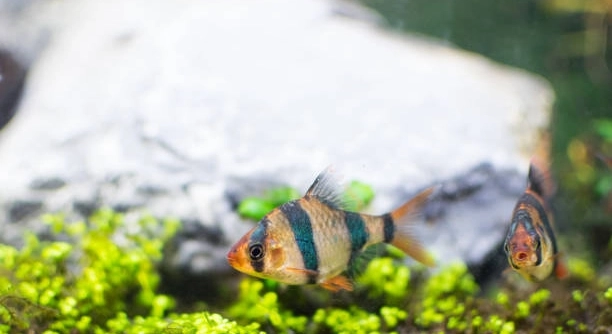
Is your tiger barb acting differently and refusing food, even during their usual feeding times? You’re not alone in noticing the change. Tiger barbs may lose their appetite due to stress, poor water quality, unsuitable diet, illness, or incompatible tank mates. Environmental changes and lack of stimulation can also impact their feeding behavior. Prompt observation … Read more
7 Things That Happen During Barb Spawning

Barbs are small, colorful fish that attract many aquarium enthusiasts. Their spawning behavior is a fascinating part of their life cycle. Observing these changes helps hobbyists better understand and care for their fish. During barb spawning, several changes occur, including increased territorial behavior, vivid coloration, nest preparation, frequent chasing, egg laying on plants or substrates, … Read more

7 Things That Can Cause Barb Mood Shifts

Barbs are lively fish that often show sudden mood shifts, which can be confusing to their owners. These changes in behavior may appear without warning, making it important to understand what causes them. Recognizing the signs can help maintain a healthy environment for these active pets. Barb mood shifts are commonly caused by factors such … Read more

7 Reasons Tiger Barbs Ignore Tank Mates

Tiger Barbs are lively and colorful fish, often kept in community tanks. However, many aquarium owners notice these fish tend to ignore their tank mates rather than interact. Understanding why this happens can help improve the tank environment. Tiger Barbs often ignore other fish due to their natural schooling behavior and territorial instincts. Their active … Read more

Can Tiger Barbs Adapt to Quiet Tanks?

Do you ever find yourself unsure if your energetic tiger barbs can handle a tank that’s calm, slow-moving, and quiet? Tiger barbs are naturally active and thrive in dynamic environments, but they can survive in quieter tanks if their social and environmental needs are still met. Knowing what makes tiger barbs comfortable is the first … Read more

7 Unexpected Causes of Tiger Barb Death

Tiger barbs are colorful, active fish that many people enjoy keeping in home aquariums. Despite their hardiness, these fish sometimes die unexpectedly, leaving owners confused and concerned. Understanding hidden causes can help keep them healthy longer. Several unexpected factors contribute to tiger barb deaths, including poor water quality, improper diet, stress from overcrowding, sudden temperature … Read more

Do Tiger Barbs Notice Colorful Decor?

Do you ever find yourself decorating your aquarium and wondering if your tiger barbs actually notice all those bright, colorful ornaments? Tiger barbs are highly visual fish and do notice colorful decor in their tank. Their active and curious nature makes them responsive to vibrant surroundings, which can stimulate natural behavior and reduce stress levels. … Read more

Why Tiger Barbs Might Be Swimming Near the Top

Tiger Barbs are lively fish that often catch the eye in home aquariums. Their bright colors and active nature make them popular among fish enthusiasts. Sometimes, these fish swim near the water’s surface, which can be interesting to observe. Tiger Barbs swim near the top mainly because of oxygen levels and feeding habits. Higher oxygen … Read more

7 Ways to Stop Aggression in Tiger Barbs

Do your tiger barbs often chase each other or nip at fins, leaving you worried about their behavior in a shared tank environment? Aggression in tiger barbs is usually caused by stress, lack of space, or improper social grouping. To reduce this behavior, it’s essential to maintain the right tank conditions, provide enough space, and … Read more

Why Tiger Barbs Might Fear Their Reflection

Tiger barbs are colorful freshwater fish often kept in home aquariums. They are active swimmers and display interesting social behaviors. Many owners notice their reaction to reflective surfaces, which can seem unusual or even alarming to the fish. Tiger barbs may fear their reflection because they mistake it for a rival. Their territorial nature triggers … Read more