
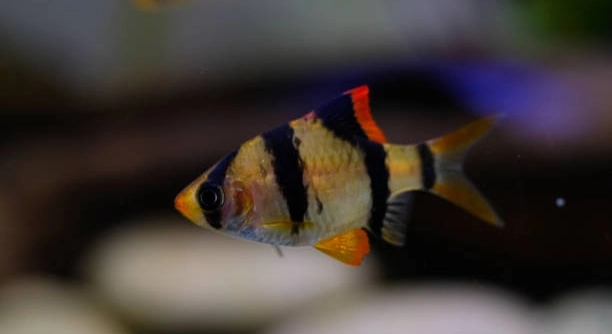
Do you ever find yourself decorating your aquarium and wondering if your tiger barbs actually notice all those bright, colorful ornaments?
Tiger barbs are highly visual fish and do notice colorful decor in their tank. Their active and curious nature makes them responsive to vibrant surroundings, which can stimulate natural behavior and reduce stress levels.
Choosing the right colors and layout can influence how your tiger barbs interact with their environment and each other.
How Tiger Barbs React to Colorful Decor
Tiger barbs are energetic fish that respond quickly to changes in their environment. When colorful decor is added to their tank, they tend to swim more actively and explore the new additions. Bright colors like red, orange, and yellow often draw their attention. These fish are naturally curious, so placing varied decorations around the tank can help keep them mentally stimulated. Avoid overly dark or dull colors, as these may not spark the same level of interest. Proper lighting can also enhance how they perceive colors, making the decor even more noticeable to them. Creating different zones using colored plants or structures can also reduce aggression, as it gives them areas to hide or establish territory. This is especially useful since tiger barbs can sometimes be nippy toward each other. When they feel secure and engaged, their natural behavior becomes more balanced and healthy over time.
Color can influence their mood and activity. Red or orange often makes them more alert, while blue tends to calm them down.
Try using decor in different shades and monitor how your fish behave. Subtle shifts in swimming patterns or social interaction can reveal what works best for them.
Choosing Decor That Benefits Their Behavior
Tiger barbs are more likely to interact with decor that stands out in their tank. Avoid using only neutral colors like beige or gray.
To get the most out of your tank setup, mix in fake plants, ceramic caves, or driftwood in varied colors. Spread these items across the tank to create zones of interest. Tiger barbs enjoy swimming through tight spaces and darting around corners, so choose decorations with openings or curved designs. Keep in mind that rough textures or sharp edges can harm their fins, so inspect each item before placing it inside. Vibrant green plants often encourage exploration, while adding some orange or red accents may increase activity. Be careful not to overcrowd the tank, though. Leave plenty of open swimming space so the fish don’t feel trapped or stressed. Changing up the decor every few months can keep the environment fresh and mentally engaging for them. Just be sure to do it gradually to avoid shocking the fish. This way, your tiger barbs will stay active and comfortable in their home.
Best Colors to Use in a Tiger Barb Tank
Bright colors like red, orange, and green are ideal for tiger barb tanks. These shades catch their attention and increase activity levels. Avoid using too many dark or muted tones, as they may cause the fish to appear less active.
Red and orange tend to excite tiger barbs, encouraging playful swimming and chasing behaviors. These colors stimulate their senses and often lead to increased interaction with their environment. Green offers a calming contrast that still keeps them engaged, especially when used in artificial or live plants. Blue and purple can also be used sparingly, but they may not produce the same high activity. Try arranging different colored items around the tank in clusters, so the fish have visually distinct zones. Changing the color pattern occasionally can help prevent boredom. If aggression rises, try softening the scheme slightly. This can help keep their behavior balanced without taking away the visual interest.
It’s helpful to use colors that provide contrast against the fish themselves. Tiger barbs have bold stripes, so backgrounds or decor that highlight this feature can enhance their appearance. Avoid decor that closely matches their colors, as it can make them harder to see and disrupt their movement. Clarity and contrast keep them alert and responsive.
How Lighting Affects Color Visibility
Lighting changes how tiger barbs see and respond to colors. A well-lit tank brings out the vibrancy of decor and helps maintain their natural daily rhythm. Dull lighting can make colors less visible and reduce overall activity.
Use a full-spectrum LED light to mimic daylight. This brings out the brightness in colored decorations and enhances the natural tones of the fish. Avoid overly intense lighting, as it can lead to stress or unwanted algae growth. A light timer helps create a regular day and night cycle, giving the fish time to rest. Aim for 8–10 hours of light daily. Too little light may cause fish to become sluggish and uninterested in their surroundings. Place the lights above the tank rather than the sides to distribute illumination evenly. If the tank has live plants, make sure the light supports their needs too. Balanced lighting will help your tiger barbs stay active and visually engaged.
Signs Your Tiger Barbs Notice Decor
Tiger barbs often swim directly toward new decorations and circle them repeatedly. You might notice them nipping at certain objects or staying near specific colors longer than others, showing they’ve noticed the change in their environment.
They may also become more active or start shoaling around the decor. Increased curiosity, such as peeking through holes or swimming in and out of new spaces, is another clear sign. If aggression lessens after adding decor, that also shows the environment is more stimulating and comfortable.
What to Avoid When Decorating the Tank
Avoid using overly reflective surfaces or mirrors, as tiger barbs can become stressed when they see their reflection. Stay away from sharp-edged or rough-textured decor that could injure their fins. Don’t overcrowd the tank, as too many items reduce swimming space. Limit excessive flashing lights, which may confuse or agitate them.
Keeping Decor Clean and Safe
Always rinse new decorations before placing them in the tank. Use aquarium-safe cleaning tools and avoid soap or chemicals.
FAQ
Do tiger barbs see colors the same way humans do?
Tiger barbs don’t see colors exactly the same way humans do, but they can still detect a range of colors. Like many fish, they have color vision and are sensitive to certain wavelengths of light. Bright, contrasting colors are more likely to stand out to them than soft or blended shades. Their eyes are designed to help them see well underwater, where lighting conditions are different. In a well-lit aquarium, vibrant decorations become more visible and appealing. While we can’t say for sure how they experience color, their behavior suggests they respond strongly to visual changes.
Can too much color stress them out?
Yes, overstimulating colors or cluttered designs can make tiger barbs feel uneasy. If the tank is filled with too many loud, bright items or chaotic patterns, it may disrupt their sense of safety. Tiger barbs are active but still need calm spots to rest and feel secure. Using a balance of bright colors with natural-looking plants or soft tones helps create a peaceful environment. You can rotate items or rearrange the layout to avoid overwhelming them. If you notice signs of stress like erratic swimming or hiding, simplify the color scheme slightly.
What colors do they seem to enjoy most?
Tiger barbs tend to respond well to red, orange, green, and yellow. These shades often lead to more swimming and exploring. Red and orange can make them more alert and active, while green seems to offer a calming balance. It’s helpful to test different colors and observe how your fish behave. Some tanks look better with one or two main color themes, rather than a wide mix. Each fish may react slightly differently, but bold, warm colors generally stimulate interest and movement in most tiger barbs.
Do they recognize changes in decor over time?
Yes, tiger barbs can recognize changes in their environment. When something new is added, they usually investigate right away. If you remove an item they used often, like a hiding spot or a specific plant, they may seem unsettled at first. This shows they’re aware of familiar decor and how it changes. They use visual cues to navigate their surroundings, so consistency and gradual adjustments work best. Changing decor occasionally helps keep the tank fresh without confusing them. Just be sure to watch how they react and avoid too many changes at once.
Is it better to use real or fake plants for color?
Both can work, but they serve different purposes. Fake plants offer consistent color, require little maintenance, and are easy to find in bright shades that stimulate activity. Real plants, on the other hand, provide oxygen, reduce waste, and create a more natural look. They may not be as colorful, but they still add texture and visual interest. A mix of both is often ideal. Just be sure any fake plants are smooth and aquarium-safe, as tiger barbs may brush up against them while swimming.
How often should I change the decor to keep them engaged?
Changing decor every 2–3 months is enough to keep tiger barbs curious without overwhelming them. You don’t need to replace everything—just switch a few items, adjust positions, or introduce a new color. Watch how the fish react and adjust accordingly. Too many changes too quickly can lead to stress or confusion, especially if they’ve grown used to certain hiding spots. Giving them something new to explore every so often keeps them active and mentally stimulated.
Do lighting colors affect how decor appears to tiger barbs?
Yes, lighting plays a big role in how decor looks underwater. Full-spectrum lights bring out the best in bright colors and help make decorations more visible. Blue-tinted lights may soften some colors, while red lighting can dull certain shades. The right lighting not only enhances the look of the tank but also helps tiger barbs see and respond to their surroundings more naturally. If the light is too dim, even bold decor can become dull and unnoticeable. A balanced lighting setup supports both fish health and color visibility.
Final Thoughts
Creating a colorful tank for your tiger barbs isn’t just about looks—it’s about keeping them active, engaged, and comfortable. These fish respond well to bright, eye-catching colors like red, orange, and green. Decorations in these shades can increase movement, reduce stress, and help lower aggressive behavior. Adding color thoughtfully to your setup can make your tiger barbs feel more at home. Using a mix of plants, caves, and smooth objects gives them places to explore and swim around. When paired with proper lighting, these colors become even more noticeable and appealing to your fish.
It’s important not to overdo it. Too many bold decorations or cluttered arrangements can overwhelm tiger barbs. These fish need open space to swim freely and areas where they can rest without distraction. A tank that’s too full of bright objects can make them feel stressed or unsafe. Balance is key. Try to include just enough color to grab their attention without filling every corner. Also, remember that decor should be safe. Smooth edges, non-toxic materials, and proper placement all help keep your fish healthy and injury-free. Cleaning your decor regularly and rotating items every few months can keep the tank fresh and stimulating without confusing them.
Tiger barbs are curious and social, and their environment should support those traits. Using color as part of your tank design helps bring out the best in their behavior. They notice changes, remember objects, and interact with what they find interesting. Small updates, like a new plant or a different background color, can give them something new to explore. Watching how they react to changes is a simple way to learn what they like. Every tank is a little different, and every group of tiger barbs may show slightly different behavior. With time, observation, and a thoughtful approach, you can create a space that looks great and keeps your fish healthy, active, and happy.

Hello,
If you enjoy the content that we create, please consider saying a "Thank You!" by leaving a tip.
Every little bit helps us continue crafting quality advice that supports the health, happiness, and well-being of pets around the world, for pets of all shapes, sizes, and species.
We really appreciate the kindness and support that you show us!