
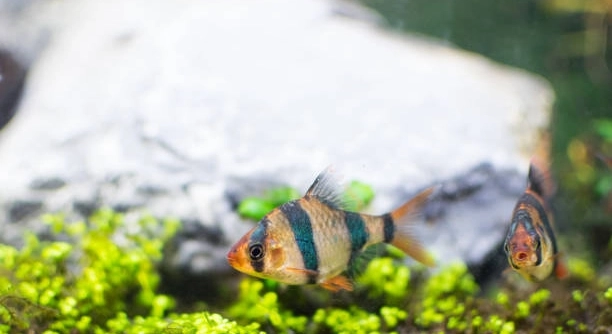
Is your tiger barb acting differently and refusing food, even during their usual feeding times? You’re not alone in noticing the change.
Tiger barbs may lose their appetite due to stress, poor water quality, unsuitable diet, illness, or incompatible tank mates. Environmental changes and lack of stimulation can also impact their feeding behavior. Prompt observation and adjustments are essential.
Understanding these causes will help you improve your tiger barb’s appetite and keep them healthy in their freshwater home.
Poor Water Quality
Dirty or unbalanced water conditions are one of the most common reasons tiger barbs stop eating. These fish are sensitive to ammonia, nitrite, and nitrate levels, and even minor imbalances can impact their appetite. When the tank isn’t properly cycled or maintained, the build-up of waste and toxins can cause discomfort, stress, and illness. Changes in temperature or pH can also make tiger barbs feel unwell. If you notice cloudiness in the water, foul smells, or unusual behavior like gasping near the surface, your water quality may be compromised. It’s important to use a reliable test kit regularly and check for these parameters. A sudden refusal to eat is often one of the first signs that something isn’t right. Maintaining stable, clean conditions with consistent water changes and filter upkeep can help your tiger barb feel safe and return to a normal eating pattern.
Tiger barbs need clean, well-balanced water to stay healthy and active. Any imbalance can quickly affect their behavior.
Test the water weekly, clean the substrate, and avoid overfeeding. A stable temperature between 74–79°F and a pH level around 6.5 is ideal. Using a sponge filter and a gravel vacuum during weekly water changes helps remove uneaten food and waste. Avoid adding new fish or decorations too quickly, as these changes can throw off the tank’s balance. If you suspect water is the issue, do a 25–30% water change right away and recheck all readings. Improving the tank’s environment usually leads to quick improvements in appetite. Over time, your tiger barb should regain interest in food and show normal behavior again.
Stress from Tank Mates
Aggressive or overly active tank mates can easily stress out tiger barbs. This stress often leads to a sudden loss of appetite.
Tiger barbs thrive in groups of at least five or six of their kind. When kept alone or with incompatible species, they may become aggressive or withdrawn. Constant chasing, fin-nipping, or territorial disputes can leave a fish feeling unsafe. If your tiger barb is hiding or avoiding food, monitor the tank closely for bullying or tension. Fish like bettas, slow-moving gouramis, or long-finned species usually don’t mix well with tiger barbs. Instead, choose fast-moving, semi-aggressive fish like danios or other barbs that match their temperament. Rearranging decorations can also help break up territories and reduce aggression. Use plenty of plants and hiding spots to give each fish its own space. Reducing social stress in the tank is key to restoring a peaceful environment where all fish can feed comfortably and stay healthy.
Illness or Parasites
When a tiger barb stops eating, illness or parasites could be the reason. Watch for signs like clamped fins, white spots, bloating, or unusual swimming. These symptoms often appear before or during appetite loss.
Internal parasites like worms or protozoa can affect digestion and energy. External parasites such as ich cause irritation and discomfort. Bacterial infections might lead to lethargy and inflammation, making feeding difficult. If multiple fish show symptoms, isolate the affected one immediately. Use medications made for tropical fish, and follow dosage carefully. Maintain excellent water quality during treatment, and remove carbon from the filter if needed. Feed medicated food if the fish still eats. If not, treat the water instead. Early detection and treatment improve recovery chances and help prevent the illness from spreading. A healthy tank setup makes disease less likely to return once your tiger barb begins eating again.
Some illnesses may not show visible signs at first. Loss of appetite may be the only warning. Monitor behavior changes like hovering near the bottom, excessive hiding, or rapid gill movement. These subtle cues can indicate something’s wrong internally. Quarantine new fish before adding them to your tank to prevent illness. Always wash equipment between uses, especially when handling multiple tanks. Keeping a stable tank environment reduces the chance of infection. A UV sterilizer can also help manage certain waterborne diseases. If symptoms persist after treatment, consult an aquatic vet for guidance. Addressing illness quickly supports your tiger barb’s recovery and helps them feel well enough to resume feeding.
Inappropriate Diet
Tiger barbs need variety in their food. Feeding only flakes or pellets may leave them uninterested or undernourished over time. A mix of protein and plant matter helps maintain energy and appetite.
Offer a balanced rotation that includes flakes, frozen brine shrimp, daphnia, bloodworms, and blanched vegetables like zucchini or spinach. Feeding small portions twice daily helps prevent overfeeding and keeps fish engaged. Some tiger barbs can be picky, so trying different food textures or brands can help find what they respond to. Remove uneaten food after ten minutes to avoid polluting the water. Watch how your fish react to each food type, and take note of any patterns. If they ignore certain items regularly, remove those from the rotation. A balanced, stimulating diet helps promote appetite and activity. Changing up the menu now and then keeps feeding time interesting and rewarding for your fish.
Sudden Environmental Changes
Sudden changes in temperature, lighting, or tank setup can confuse and stress your tiger barb. Even moving decorations or changing filters can make them uncomfortable enough to stop eating temporarily.
Always adjust conditions slowly. Use a heater with a thermostat, and make sure lighting follows a regular day-night schedule.
Boredom or Lack of Stimulation
Tiger barbs are active and social fish. A dull environment can lead to boredom, reducing their interest in food. Without proper enrichment, they may lose energy and become disinterested in their surroundings. Add plants, floating toys, or change decorations every few weeks to keep their environment interesting. Even small changes like rearranging rocks or using a feeding ring can help. Grouping tiger barbs in schools of five or more allows natural interaction and encourages healthy behavior. Providing variety during feeding time, including live or frozen food, can stimulate their natural hunting instincts. A mentally engaged fish is more likely to stay active and eat well.
Inadequate Tank Size
A cramped tank can limit movement and increase stress. Tiger barbs need space to swim and interact with their group properly. A minimum of 20 gallons is ideal for a small school.
Why is my tiger barb suddenly not eating but looks healthy?
Sometimes, a tiger barb may stop eating due to minor stress or environmental changes even if it appears healthy. Changes like new tank mates, water fluctuations, or rearranged decorations can unsettle them. This stress may cause a temporary loss of appetite but usually resolves once the fish adapts.
How long can a tiger barb go without eating?
Tiger barbs can survive for about one to two weeks without food, depending on their health and environment. However, prolonged fasting weakens their immune system and overall condition. It is best to identify and fix the cause quickly to encourage feeding and prevent illness.
Can water temperature affect my tiger barb’s appetite?
Yes, water temperature strongly influences metabolism and appetite. Ideal temperatures are between 74°F and 79°F. If the water is too cold, the fish’s metabolism slows down, reducing hunger. If it’s too warm, oxygen levels drop, causing stress. Keeping temperature stable supports a healthy appetite.
What are the signs of poor water quality?
Signs include cloudy or smelly water, algae overgrowth, and fish gasping at the surface. Behavioral changes like hiding, lethargy, and loss of appetite also indicate poor conditions. Regular testing for ammonia, nitrites, and nitrates helps catch problems early before fish become sick.
Can tank mates cause my tiger barb to stop eating?
Yes, aggressive or incompatible tank mates can stress tiger barbs. Bullying or constant chasing makes them hide or avoid food. It’s important to keep tiger barbs in schools of five or more and select tank mates that share a similar temperament to reduce stress.
How often should I feed my tiger barb?
Feeding small amounts two times a day is ideal. Overfeeding can pollute the water, while underfeeding can lead to malnutrition. Offer only what they can eat in about 2–3 minutes and remove uneaten food to keep water quality high and fish healthy.
What types of food should I give my tiger barb?
Tiger barbs need a varied diet that includes flakes, pellets, frozen or live foods like bloodworms and brine shrimp, plus some plant matter. Variety ensures balanced nutrition and helps maintain interest in food.
Can boredom cause loss of appetite in tiger barbs?
Yes, tiger barbs are active fish that need stimulation. A dull tank environment can lead to stress and reduced feeding. Adding plants, decorations, and companions helps keep them engaged and encourages regular eating.
When should I worry about illness causing loss of appetite?
If your tiger barb refuses food for more than three days and shows other symptoms like clamped fins, spots, or unusual swimming, it’s time to act. Quarantine the fish and consider treatment for parasites or infections as necessary.
Is it okay to change the tank setup while my tiger barb isn’t eating?
Make changes slowly. Sudden rearrangements or water changes can increase stress. Introduce new elements gradually to avoid worsening appetite loss.
How can I improve water quality to help my tiger barb eat again?
Regular water changes of 20–30% weekly, using a reliable filter, and avoiding overfeeding help maintain clean water. Testing parameters and adjusting as needed prevent harmful toxin buildup.
Should I isolate a sick tiger barb?
Isolating sick fish prevents disease spread and reduces stress on the affected individual. Use a quarantine tank with stable conditions and monitor closely during treatment.
Can temperature fluctuations cause illness?
Yes, fluctuating temperatures weaken immune systems and increase susceptibility to disease. Use a heater with a thermostat to keep water steady.
What is the best way to introduce new tank mates?
Quarantine new fish for at least two weeks before adding them to the main tank. Introduce them slowly and watch for signs of aggression or stress among existing fish.
How long does it take for a tiger barb to recover appetite after stress or illness?
Recovery time varies from a few days to over a week, depending on the cause and care. Improving water quality, diet, and reducing stress usually speeds recovery.
Can I use medications preventatively if my tiger barb stops eating?
Preventative medication is not recommended without symptoms. Unnecessary use can harm beneficial bacteria and fish health. Use treatments only when illness signs appear and follow instructions carefully.
What role does tank size play in appetite and health?
Small tanks limit swimming space and increase waste concentration, stressing fish and reducing appetite. A minimum of 20 gallons for a small school allows room for natural behavior and better water quality.
How can I tell if my tiger barb is stressed?
Stress signs include hiding, loss of color, rapid gill movement, erratic swimming, and refusal to eat. Identifying these early helps prevent illness.
Is it normal for tiger barbs to fast occasionally?
Short fasting periods of a day or two can happen without harm. However, extended refusal to eat requires investigation to avoid health issues.
What should I do if my tiger barb refuses all types of food?
Check water parameters immediately and look for signs of illness or stress. Try offering live foods or altering tank conditions. If no improvement occurs, seek advice from an aquatic specialist.
These answers provide practical steps to understand and address why a tiger barb might lose appetite. Careful observation and consistent tank maintenance help ensure your fish stay healthy and active.
When a tiger barb loses its appetite, it is often a sign that something in its environment or health needs attention. Identifying the cause early can prevent further problems and help your fish recover more quickly. Common reasons include poor water quality, stress from tank mates, illness, sudden changes, or an inappropriate diet. Each factor can affect the fish’s willingness to eat and overall well-being. Paying close attention to your tiger barb’s behavior and surroundings allows you to respond effectively and make the necessary adjustments to improve its condition.
Maintaining a stable and clean tank environment is one of the most important steps in keeping your tiger barb healthy and interested in food. Regular water testing and changes, careful selection of tank mates, and providing a balanced diet all play key roles. It is also important to avoid sudden changes that can unsettle your fish. Adding plants and decorations for stimulation, and ensuring the tank size is adequate, help reduce stress. If illness is suspected, isolating the fish and seeking proper treatment is necessary to prevent further health decline.
Overall, a healthy tiger barb will show good appetite, activity, and bright colors. Understanding the common reasons behind appetite loss helps you take quick action and create a comfortable habitat. Consistency in care and observation helps your fish thrive. Your efforts will support a happier, more active tiger barb that enjoys eating and living in its aquarium. This attention to detail benefits not only the fish but also the overall balance and beauty of your aquatic setup.

Hello,
If you enjoy the content that we create, please consider saying a "Thank You!" by leaving a tip.
Every little bit helps us continue crafting quality advice that supports the health, happiness, and well-being of pets around the world, for pets of all shapes, sizes, and species.
We really appreciate the kindness and support that you show us!