7 Signs Your Tiger Barb Might Be Depressed
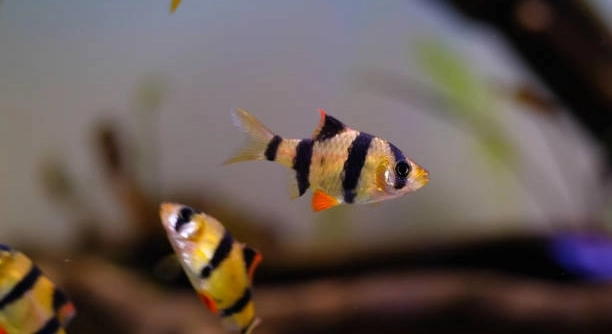
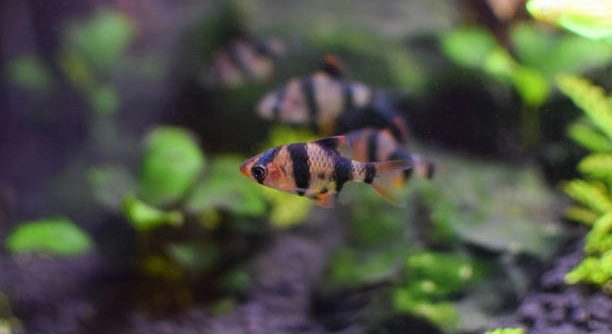
Many people enjoy keeping Tiger Barbs because of their bright colors and active nature. These fish usually appear lively and social in a well-maintained aquarium. However, sometimes their behavior can change in subtle ways that may indicate stress or sadness. Tiger Barbs may show signs of depression through lethargy, loss of appetite, hiding, or changes … Read more
Do Tiger Barbs Have Personalities?

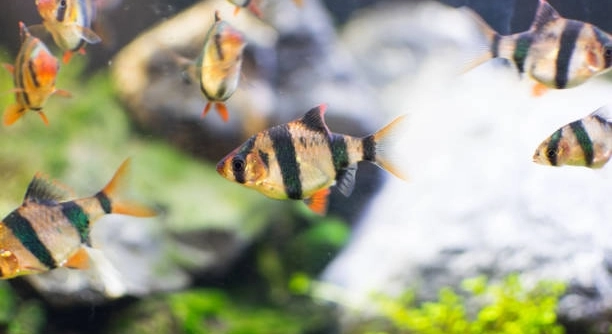
Do you ever find yourself watching your tiger barbs and wondering if there’s more behind their fast movements and group dynamics? Tiger barbs do exhibit distinct personalities, influenced by their social hierarchy, environment, and individual behavior patterns. Some are bold and active, while others display more cautious or submissive tendencies. These differences often become clearer … Read more

Do Tiger Barbs Need Tank Mates to Thrive?

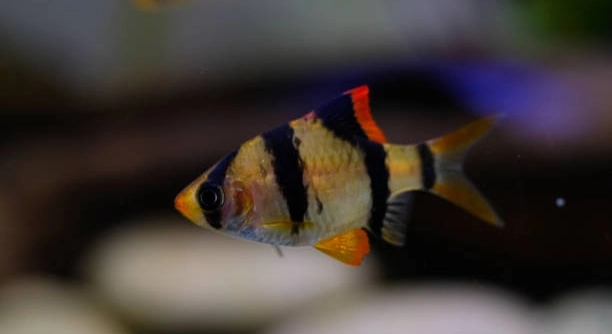
Many aquarium enthusiasts enjoy keeping Tiger Barbs because of their lively colors and active behavior. These fish are often admired for their social nature, which makes many wonder about the best way to care for them. Understanding their needs can help create a balanced and healthy tank environment. Tiger Barbs are naturally schooling fish that … Read more

Do Tiger Barbs Change Behavior at Night?

Tiger Barbs are popular freshwater fish known for their vibrant colors and active nature. Many fishkeepers observe their behavior closely to understand how these fish adapt to different conditions, including nighttime. Their activity patterns can influence how they interact within the aquarium. Tiger Barbs do change their behavior at night by becoming less active and … Read more

Tall vs Long Tanks: What Tiger Barbs Prefer

Tall and long tanks each offer unique environments for aquarium fish, but choosing the right one depends on the species you keep. Tiger barbs are active swimmers, and their tank preferences can influence their health and behavior in important ways. Tiger barbs generally prefer long tanks over tall ones because these provide more horizontal swimming … Read more

7 Tank Mistakes That Stress Tiger Barbs

Keeping Tiger Barbs healthy and happy in your aquarium requires careful attention. Many common tank mistakes can cause stress to these active fish, affecting their behavior and overall well-being. Understanding these errors helps create a better environment for them. Tiger Barbs are sensitive to several tank conditions such as overcrowding, poor water quality, lack of … Read more

Can Tiger Barbs Live Without Live Plants?

Have you ever set up a home aquarium and wondered if your tiger barbs really need live plants to stay healthy? Tiger barbs can live without live plants, but they thrive best in well-planted environments. Live plants provide shelter, improve water quality, and help reduce stress. Without them, fish may become more aggressive and feel … Read more

Why Tiger Barbs Might Flare at Their Reflection

Tiger barbs are colorful and lively fish often kept in home aquariums. They are known for their playful behavior but can sometimes act aggressively. One common cause of this aggression is their reaction to reflections in the tank glass. Tiger barbs may flare at their reflection because they mistake it for another fish invading their … Read more

Why Tiger Barbs Might Avoid Certain Areas

Tiger barbs are lively fish known for their bright colors and active behavior. They sometimes avoid certain areas in their environment, which can puzzle fishkeepers and enthusiasts alike. Understanding these behaviors can improve care for these unique fish. Tiger barbs avoid specific areas primarily due to environmental stressors such as poor water quality, inadequate hiding … Read more

How to Tell If a Tiger Barb Is Male

Many aquarium hobbyists enjoy keeping tiger barbs for their lively behavior and bright colors. Knowing the sex of your tiger barb can help with tank dynamics and breeding plans. It’s important to recognize the physical differences between males and females. Male tiger barbs typically have brighter, more intense coloration, especially on their fins and body. … Read more