
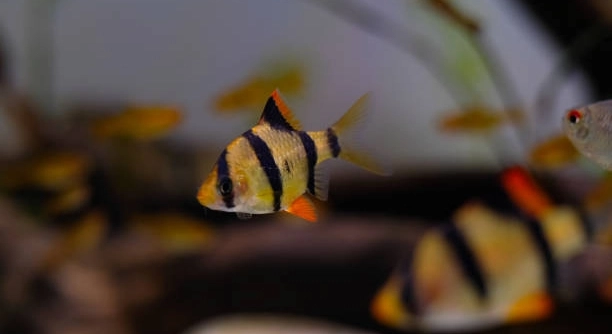
Many aquarium enthusiasts enjoy keeping Tiger Barbs because of their lively colors and active behavior. These fish are often admired for their social nature, which makes many wonder about the best way to care for them. Understanding their needs can help create a balanced and healthy tank environment.
Tiger Barbs are naturally schooling fish that thrive best when kept with tank mates. They require companions to reduce aggression and stress, promoting healthier behavior and overall well-being. Alone, they may become stressed or overly aggressive.
Knowing how to choose suitable tank mates can improve your aquarium’s harmony and keep your Tiger Barbs happy for longer.
Why Tiger Barbs Prefer Company
Tiger Barbs are naturally social fish that live in groups in the wild. When kept alone, they can become stressed or even aggressive because they lack the social interaction they are used to. Keeping them in groups helps spread out their energy and reduces fighting. A small group of at least six Tiger Barbs is recommended to maintain balance. This way, no single fish becomes a target, and their playful nature shines. They also feel more secure when surrounded by others of their kind. In tanks without companions, these fish might start nipping at fins or acting nervously. Group living provides mental stimulation and comfort, making their environment more natural. Providing hiding spots and enough swimming space also helps reduce stress and aggression. When cared for properly, their bright colors and lively movements become more noticeable, making the tank more enjoyable to watch.
Social living reduces stress and aggression among Tiger Barbs, leading to a healthier and more active fish.
Choosing the right number of Tiger Barbs and giving them plenty of room allows for natural behavior. Grouping them with other peaceful fish that can handle their playful nature helps maintain harmony. Some compatible species include larger tetras, barbs, and danios. Avoid slow-moving or long-finned fish, as Tiger Barbs might nip at them. Tank size is important; a group needs at least a 30-gallon tank to swim comfortably and avoid overcrowding. Regular water changes and maintaining good water quality also support their health. Careful planning ensures Tiger Barbs live happily with suitable companions, reducing the chance of problems and stress in the aquarium.
Tank Mates That Work Well with Tiger Barbs
Many fish can live peacefully with Tiger Barbs if the tank conditions are right. They do best with active, fast-swimming fish that won’t get bullied or outcompeted for food. Species like Rainbowfish, Danios, and some types of Barbs usually fit well in a community tank with Tiger Barbs. Avoid very slow or shy fish since they can become targets for fin nipping. It is also important to match water temperature and pH requirements to keep all fish comfortable. Careful selection and monitoring help create a peaceful environment where all fish thrive together.
How to Introduce Tank Mates to Tiger Barbs
Introducing new fish to a tank with Tiger Barbs requires care to avoid stress and aggression. It is best to add all fish at the same time when possible. This reduces territorial behavior and helps them settle together.
When adding new tank mates, use a quarantine tank first to ensure the newcomers are healthy and free of disease. Gradually acclimate them to the water conditions of the main tank by floating their container or slowly mixing tank water over a few hours. Introduce them during low-light hours to reduce visibility and stress. Observe their behavior closely for the first few days to catch any signs of aggression early. Providing plenty of hiding spots and plants can help new fish feel safe and reduce tension.
Be prepared to separate aggressive fish if conflicts occur. A well-planned introduction supports a peaceful community and helps your Tiger Barbs thrive alongside their new companions.
Signs of Stress or Aggression in Tiger Barbs
Tiger Barbs show stress by hiding more often, losing color, or refusing food. Aggressive behavior includes chasing, fin nipping, or constant dominance displays.
If aggression increases, try increasing tank size or adding more hiding places. Overcrowding can cause tension, so reducing the number of fish may also help. Sometimes, balancing the group size by keeping more Tiger Barbs helps spread aggression evenly, preventing any single fish from being targeted. Maintaining good water quality and stable conditions supports their health and lowers stress levels. Monitoring these signs early helps prevent serious problems and keeps the tank peaceful for everyone.
Feeding Tiger Barbs with Tank Mates
Tiger Barbs are not picky eaters and will compete for food with their tank mates. Feeding them a balanced diet helps reduce aggression during meal times.
Offering food in several spots encourages all fish to eat and lowers competition. High-quality flakes, pellets, and occasional live or frozen foods keep them healthy and active.
Tank Size and Environment
A larger tank helps reduce aggression and gives all fish enough space to swim freely. At least 30 gallons is recommended for a group of Tiger Barbs with tank mates.
Plants, decorations, and hiding places create natural barriers and help shy fish feel safe. These elements also enrich the environment, reducing stress and encouraging natural behaviors.
Water Conditions for Tiger Barbs
Tiger Barbs prefer water temperatures between 74°F and 79°F with a pH around 6.5 to 7.0. Stable water conditions are crucial for their health and compatibility with tank mates.
Regular water testing and changes keep the tank clean and reduce stress on the fish.
FAQ
Do Tiger Barbs need tank mates to be happy?
Tiger Barbs are schooling fish, so they naturally feel more comfortable and secure in groups. Being with tank mates helps reduce their stress and aggressive tendencies. A group of at least six is ideal to keep their social nature balanced. Alone, they may become bored or stressed, which can lead to unhealthy behavior.
What are the best tank mates for Tiger Barbs?
Good tank mates are fast-swimming and can handle the Tiger Barbs’ playful but sometimes nippy behavior. Suitable companions include other barbs, danios, and larger tetras. Avoid slow-moving or long-finned fish, as they can become targets for fin nipping. Always consider water parameter compatibility when selecting tank mates.
Can Tiger Barbs live alone?
Technically, yes, but it’s not recommended. A single Tiger Barb may become stressed, aggressive, or lethargic. Their social instincts drive them to be part of a group. Without companions, they can display negative behaviors and may have a shorter lifespan.
How many Tiger Barbs should be kept together?
A minimum of six Tiger Barbs is suggested. This group size helps distribute any aggression evenly and prevents one fish from being singled out. Larger groups are even better if your tank size allows it, as it encourages natural schooling behavior and reduces stress.
Will Tiger Barbs bully other fish?
Tiger Barbs can be fin nippers, especially if kept in small groups or with slow-moving fish. Proper group size and compatible tank mates reduce bullying. Providing plenty of hiding spots and space helps keep aggression low. Observing fish behavior regularly is important to catch any issues early.
How big should the tank be for Tiger Barbs and tank mates?
At least 30 gallons is recommended for a small group of Tiger Barbs with companions. Larger tanks provide more swimming space and reduce territorial aggression. More room means fish can establish their own areas, which lowers stress and fights.
What water conditions do Tiger Barbs need?
Tiger Barbs prefer temperatures between 74°F and 79°F, a pH of 6.5 to 7.0, and moderate hardness. Stable water conditions are essential for their health and peaceful behavior. Regular water changes and testing help maintain these parameters.
How should I introduce new tank mates to Tiger Barbs?
Introduce all new fish at once if possible to reduce territorial behavior. Use a quarantine tank first to avoid spreading diseases. Acclimate newcomers slowly to the main tank’s water conditions. Adding new fish during low-light hours and providing plenty of hiding spots eases the transition.
What signs show Tiger Barbs are stressed?
Stress signs include hiding, dull coloration, lack of appetite, and unusual swimming patterns. Aggression like fin nipping or chasing also signals stress. Monitoring water quality and ensuring proper tank mates helps prevent stress.
How do I reduce aggression in a Tiger Barb tank?
Keeping a proper group size, providing enough space, and adding hiding spots helps lower aggression. Feeding evenly and maintaining good water quality also reduce stress-related fights. If aggression persists, consider rearranging the tank or removing the most aggressive fish.
Can Tiger Barbs live with shrimp or snails?
Tiger Barbs may nip at slow-moving or small invertebrates like shrimp. Snails with hard shells have better chances but may still be bothered. It depends on individual fish behavior, but generally, these invertebrates are at risk with Tiger Barbs.
What should I feed Tiger Barbs?
A varied diet of quality flakes, pellets, and occasional live or frozen foods like brine shrimp or bloodworms is best. Feeding small amounts multiple times a day keeps them healthy and active while reducing competition and aggression at feeding time.
How often should I clean a tank with Tiger Barbs?
Perform partial water changes of about 20-30% weekly to maintain water quality. Regular cleaning of filters and tank surfaces helps keep the environment healthy. Good water quality lowers stress and supports all tank inhabitants.
Are Tiger Barbs good for beginner fishkeepers?
Tiger Barbs are hardy and adapt well to community tanks, making them suitable for beginners with some experience. They need a proper group size, compatible tank mates, and stable water conditions to thrive. Learning about their care needs prevents common issues.
Tiger Barbs are lively and colorful fish that bring energy to any aquarium. They naturally live in groups and do best when kept with tank mates. Having companions helps them feel secure and reduces their aggressive behavior. When alone, Tiger Barbs can become stressed and may act out by chasing or nipping other fish. Keeping at least six together allows them to spread their energy evenly and show their natural, playful behavior. A well-planned community tank with the right companions supports their health and happiness.
Choosing the right tank mates for Tiger Barbs is important. They do well with other active, fast-swimming fish that can handle their sometimes nippy nature. Species like danios, barbs, and some types of tetras are good options. It’s best to avoid slow or long-finned fish that might become targets. A large enough tank with plenty of hiding spaces helps keep the peace and reduces stress for all the fish. Regular care, including water quality checks and proper feeding, also plays a big role in creating a balanced environment.
Overall, Tiger Barbs thrive when they have company and a suitable tank environment. They need enough space, compatible tank mates, and stable water conditions to live their best lives. Watching them swim and interact is enjoyable when their needs are met. Taking the time to understand these needs helps you provide the best care possible. In the end, a happy, healthy group of Tiger Barbs adds beauty and excitement to your aquarium without the problems caused by isolation or poor tank conditions.

Hello,
If you enjoy the content that we create, please consider saying a "Thank You!" by leaving a tip.
Every little bit helps us continue crafting quality advice that supports the health, happiness, and well-being of pets around the world, for pets of all shapes, sizes, and species.
We really appreciate the kindness and support that you show us!