
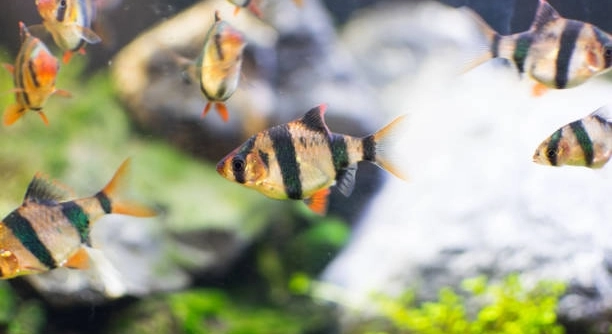
Have you ever set up a home aquarium and wondered if your tiger barbs really need live plants to stay healthy?
Tiger barbs can live without live plants, but they thrive best in well-planted environments. Live plants provide shelter, improve water quality, and help reduce stress. Without them, fish may become more aggressive and feel less secure.
Providing the right environment makes a noticeable difference in their behavior, health, and overall well-being throughout their time in your aquarium.
Why Live Plants Matter in a Tiger Barb Tank
Live plants help create a natural space for tiger barbs. They offer hiding spots, reduce open space to prevent aggression, and help stabilize the water conditions. Plants like java fern, anubias, and hornwort are easy to care for and work well in most freshwater tanks. These plants also improve oxygen levels, absorb waste, and help control algae. Tiger barbs tend to swim in groups and chase one another, so having visual barriers and shaded areas can reduce stress. A tank with live plants often leads to more stable behavior and a healthier environment overall. While artificial plants provide some cover, they don’t offer the same benefits for water balance and natural filtration. Keeping live plants doesn’t require advanced skills—many hardy options need only basic lighting and care. Over time, a well-planted tank supports a more peaceful and balanced community for your fish.
Some hobbyists skip live plants, but that choice may limit the tank’s full potential for tiger barbs.
The more secure your fish feel, the more natural and healthy their behavior becomes. A planted tank promotes better color, energy, and long-term health in tiger barbs, helping them thrive rather than just survive.
What Happens Without Live Plants
Without live plants, tiger barbs are more likely to display signs of stress and increased aggression toward tank mates.
In tanks with only artificial decorations or bare setups, tiger barbs often swim more erratically and may nip at each other more frequently. This behavior is partly due to the lack of natural cover and visual barriers, which can create a sense of exposure. When fish feel exposed, they often compete more for space, especially in community tanks. Stress can also weaken their immune systems, making them more prone to illness. Water quality may become harder to maintain without the help of live plants absorbing waste and excess nutrients. Although filters help, live plants support a healthier balance. If live plants are not an option, it’s important to compensate with plenty of hiding spots and soft lighting. However, this still won’t replace the full benefits that live plants provide. For the best results, adding even a few low-maintenance plants can significantly improve conditions.
Choosing the Right Plants for Tiger Barbs
Hardy plants that don’t require much care are best for tiger barb tanks. Look for species that grow well in low to moderate light and can handle occasional nibbling or movement from active fish.
Java fern is one of the most reliable choices. It can be attached to rocks or driftwood and doesn’t need soil. Anubias is another slow-growing option that adds texture and shade. Hornwort floats or anchors easily and helps control excess nutrients. Amazon swords are slightly larger and work well in background areas, creating shelter and coverage. These plants hold up well in community tanks and aren’t too sensitive to changes. They also grow at a steady pace, so they won’t overwhelm the tank. Choose a mix of leaf shapes and sizes to offer variety and structure. Adding live plants gives the space a more natural feel, which your tiger barbs will appreciate over time.
Avoid delicate or high-maintenance species like cabomba or some carpeting plants. Tiger barbs may uproot or damage fragile stems, especially if they swim aggressively. Stick to plants with firm leaves or flexible stems. If needed, use plant weights or mesh to keep them secure. Stability makes a big difference in planted tanks.
Maintenance Tips for Planted Tanks
Keep your tank simple by choosing plants that don’t need trimming often or constant attention. Focus on water quality, lighting, and avoiding overcrowding. These three factors will help your plants and fish stay healthy together.
Use low- to medium-light fixtures designed for aquariums, and avoid placing the tank near windows to reduce algae growth. Aim for weekly 25% water changes and trim dead leaves as needed. Don’t overfeed your fish, as uneaten food increases waste and can affect plant health. Avoid strong currents that might uproot plants or stress tiger barbs. Substrates like gravel or plant-friendly sand help anchor roots and encourage growth. Fertilizers can be added sparingly if your plants start yellowing, but most hardy species don’t need much extra help. Test your water weekly to ensure pH, ammonia, and nitrates stay in safe ranges. Clean algae from the glass and decorations gently to avoid disrupting plant roots or the tank layout.
Common Mistakes to Avoid
Overcrowding your tank with too many fish or decorations can limit swimming space and increase aggression among tiger barbs. A crowded tank also makes it harder for plants to grow and stay rooted.
Using the wrong lighting can lead to poor plant health or unwanted algae. Stick to aquarium-specific lights and maintain a regular schedule.
When Live Plants Might Not Work
Some setups simply don’t support live plants well. Low-quality lighting, incompatible substrates, or frequent tank disturbances can all affect plant health. In these cases, artificial plants can offer shelter, but won’t provide water filtration or oxygen benefits. If you decide to skip live plants, add plenty of smooth decorations, rocks, or driftwood to create hiding spaces and break up sight lines. Avoid sharp plastic pieces that might injure your fish. Keep in mind that without live plants, you’ll need to monitor water parameters more closely. Stable conditions are key to helping your tiger barbs stay active and healthy in a more artificial setting.
Final Thoughts
A well-planted tank supports better behavior, cleaner water, and happier fish. Even a few easy-care plants can make a noticeable difference.
FAQ
Can tiger barbs survive in a tank without any plants at all?
Yes, tiger barbs can survive in a tank without plants, but the environment will be less stable and more stressful. Without plants, there’s no natural shelter or shade, which can lead to more aggressive behavior. Water quality may also suffer since plants help absorb waste and balance oxygen levels. While survival is possible, it’s not ideal for their long-term health. If live plants aren’t an option, be sure to provide alternative hiding spaces using smooth decorations and keep the water well-maintained. Regular monitoring becomes even more important in tanks without any plant life.
What types of live plants are safest for tiger barbs?
Hardy plants with thick leaves and strong roots are safest. Java fern, hornwort, anubias, and amazon swords work well because they’re tough and not easily damaged by active swimmers. These plants also grow well in basic freshwater setups. Floating plants like duckweed or frogbit can also be used to add shade. Avoid fragile, thin-stemmed plants that can be uprooted or shredded easily. When planting, secure the roots using aquarium gravel or plant weights so they stay in place. A stable plant layout helps reduce stress in tiger barbs and gives them a more secure environment to explore.
Will tiger barbs eat live plants?
Tiger barbs are not plant-eaters, but they may occasionally nibble on soft leaves, especially if they are bored or underfed. This is usually minimal and doesn’t cause serious damage if you choose hardy plant types. Java fern and anubias are less likely to be bothered since their leaves are tough and unappealing. If you notice excessive nibbling, make sure they’re getting a balanced diet with enough vegetable matter. Adding more stimulation and rearranging the tank layout from time to time can also help reduce plant damage. In most cases, plant nibbling won’t be a major problem.
Do live plants make tank cleaning harder?
No, live plants can actually make cleaning easier. They absorb nitrates, help control algae, and keep water more stable, which means you may need fewer deep cleanings. However, dead or decaying leaves should be trimmed regularly to avoid buildup. You’ll still need to do partial water changes and monitor water parameters, but the overall cleaning process becomes more manageable. Plants act as a natural filter, which supports a healthier tank. Just avoid overplanting, as that can make maintenance more difficult. A balanced number of plants helps keep both the water and the aquarium setup in better condition.
How much light do live plants need in a tiger barb tank?
Most hardy plants grow well with low to moderate lighting. Aim for about 8 to 10 hours of light per day using an aquarium-specific LED or fluorescent fixture. Avoid very intense lights unless you’re using demanding plant species, which are not necessary for tiger barb tanks. Too much light can cause algae, while too little can stunt plant growth. Keep the tank away from direct sunlight to reduce algae blooms. Use a timer to create a consistent lighting schedule. Consistency helps plants grow steadily, and it also keeps your fish on a regular daily rhythm, reducing stress.
What are good alternatives if live plants aren’t an option?
If live plants won’t work in your setup, use silk plants, smooth artificial decorations, driftwood, or rocks to provide shelter and reduce aggression. Silk plants are gentler on fins than hard plastic options and still offer places to hide. Arrange decorations to break up open space and give the tank a more structured feel. Make sure all items are safe for aquarium use and don’t have sharp edges. Without live plants, it’s important to rely more on your filter and regular cleaning to maintain water quality. The right setup still allows your tiger barbs to feel secure and active.
Can I mix live and artificial plants in one tank?
Yes, mixing live and artificial plants is a practical option. Live plants can help with water quality and oxygen, while artificial ones fill in empty spots and add visual balance. This approach is helpful for beginners or tanks with limited light. Start with a few easy-care live species like anubias or java fern, and add artificial plants in areas where live ones won’t thrive. Just make sure artificial plants are safe for fish and don’t have hard or sharp edges. This mix helps create a stable, attractive tank while easing the maintenance load for newer aquarists.
Final Thoughts
Keeping tiger barbs in a planted tank gives them a more natural and comfortable space to live. While they can survive without live plants, adding even a few makes a noticeable difference in their health, behavior, and overall well-being. Live plants help filter the water, reduce waste buildup, and create shaded areas where fish can hide or rest. This extra cover lowers stress, which is important for a fish like the tiger barb that tends to be active and sometimes aggressive. A calm, stable environment leads to better color, energy, and social behavior in your fish. Even if you are new to aquarium keeping, many plant options are simple to care for and fit well into beginner setups.
If live plants are not an option, you can still create a decent setup with artificial ones and other decorations. The key is to offer structure and shelter to help your tiger barbs feel secure. Using driftwood, smooth rocks, and silk plants can break up open space and reduce chasing and nipping. But without the water-cleaning benefits of live plants, you’ll need to pay closer attention to water quality. Regular water testing, partial changes, and filter care become more important in tanks without real plants. Artificial decorations can help with visual comfort, but they can’t replace the natural support live plants give to the tank’s overall balance.
Setting up the right environment is not just about appearance—it directly affects how your fish live and interact. Tiger barbs do best when they have enough room, proper lighting, and a layout that makes them feel safe. Live plants play a big part in this, but what matters most is consistency and care. Whether you choose live or artificial plants, always observe your fish’s behavior and health closely. Small changes in setup or care can make a big difference. A well-planned tank will not only support your tiger barbs physically but also help them display their natural activity in a peaceful way. Making thoughtful choices about plants and layout creates a better space for both your fish and you.

Hello,
If you enjoy the content that we create, please consider saying a "Thank You!" by leaving a tip.
Every little bit helps us continue crafting quality advice that supports the health, happiness, and well-being of pets around the world, for pets of all shapes, sizes, and species.
We really appreciate the kindness and support that you show us!