7 Convict Cichlid Colors and What They Mean
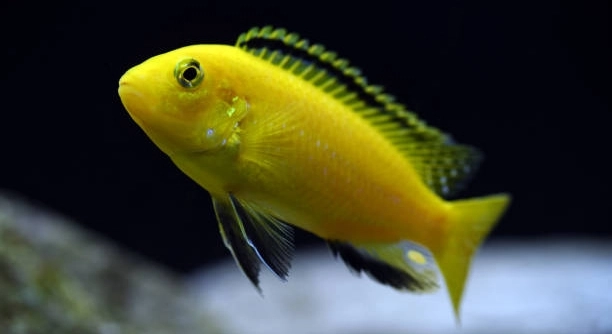
Convict cichlids are popular freshwater fish known for their vibrant patterns and active behavior. Many aquarists enjoy keeping them because their colors can reveal a lot about their mood, health, and environment. Observing these changes can be fascinating. Convict cichlid colors range from pale gray to bright black and even orange. Each hue indicates specific … Read more
Why Do Convict Cichlids Guard Rocks?

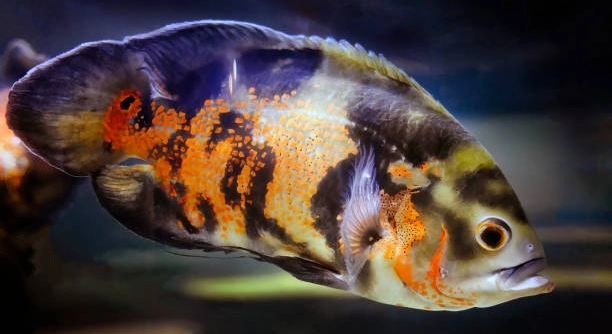
Convict cichlids are small, colorful fish that many aquarists enjoy keeping in home tanks. They often display interesting behaviors, especially when they interact with rocks and their surroundings in the aquarium environment. Convict cichlids guard rocks primarily to protect their eggs and establish territory. This behavior ensures the safety of their offspring and reduces the … Read more

7 Water Conditions Cichlids Need to Thrive

Keeping cichlids healthy requires attention to more than just feeding. Many hobbyists focus on diet but overlook the water conditions that strongly affect these fish’s growth, color, and overall wellbeing. Proper care starts with the right environment. Cichlids thrive when water conditions such as pH, temperature, hardness, cleanliness, oxygen levels, and minimal toxins are maintained … Read more

Do Convict Cichlids Know Their Fry?

Convict cichlids are known for their strong family instincts, often protecting their fry with surprising care. Watching them interact with their young can be fascinating, especially when observing the subtle ways they guide and guard their offspring. Convict cichlids can recognize and respond to their fry. They show protective behaviors, such as guarding, moving, and … Read more

7 Tips for Handling a Breeding Explosion

Breeding explosions can happen quickly, leaving pet owners feeling overwhelmed and unsure where to start. Managing the situation requires careful attention, planning, and immediate action to ensure the well-being of all animals involved. Handling a sudden increase in animal numbers requires strategic management. Prioritizing proper housing, nutrition, medical care, and behavioral monitoring ensures population control … Read more

Can Cichlids Recognize Different People?

Many fish owners enjoy watching their cichlids swim gracefully around the tank and interact with each other. Observing their behavior can be surprisingly engaging, and some people notice their cichlids seem aware of who is nearby. Cichlids are capable of recognizing different people, especially those who regularly feed or interact with them. This ability is … Read more

Why Are My Cichlids Swimming in Circles?

Have you ever noticed your cichlids moving in tight, repeated circles around the tank? Watching them can feel strange, especially when they usually swim calmly. Many fish owners find this behavior both puzzling and concerning. Cichlids swimming in circles often indicate stress, illness, or environmental issues. Common causes include poor water quality, infections, parasites, or … Read more

7 Ways to Tell a Cichlid Is Breeding Again

Many cichlid owners enjoy watching their fish interact, especially when the fish are active and lively. Breeding behavior can be fascinating, showing unique patterns and behaviors that reveal the natural instincts of these colorful creatures. Cichlids exhibit clear signs when they are breeding again, including territorial displays, cleaning of surfaces, increased aggression, and changes in … Read more

7 Convict Cichlid Breeding Facts You Should Know

Convict cichlids are popular freshwater fish, admired for their striking patterns and interesting behaviors. Many fishkeepers enjoy watching them interact and care for their young in home aquariums, making them a favorite among enthusiasts. Breeding convict cichlids requires understanding their pairing, territory needs, and parental behaviors. Successful reproduction depends on proper tank conditions, water parameters, … Read more

How to Tell If Your Cichlid Is Lonely

Is your cichlid swimming alone and spending most of its time near the corners of the tank? Observing its behavior and interactions can give you important clues about its social needs and overall well-being. Cichlids are social fish, and signs of loneliness include lethargy, reduced appetite, and avoidance of other tank mates. Providing appropriate companions … Read more