
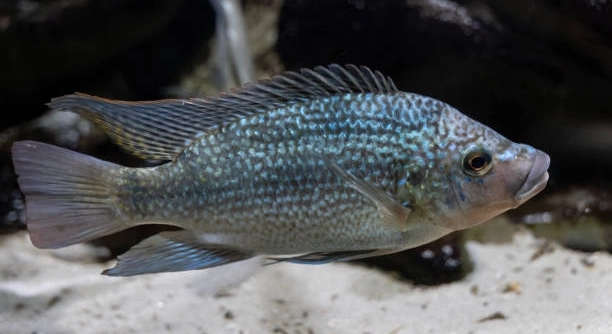
Many fish owners enjoy watching their cichlids swim gracefully around the tank and interact with each other. Observing their behavior can be surprisingly engaging, and some people notice their cichlids seem aware of who is nearby.
Cichlids are capable of recognizing different people, especially those who regularly feed or interact with them. This ability is supported by their strong memory and social behavior, allowing them to distinguish familiar individuals from strangers over time.
Understanding how cichlids identify people can help owners strengthen bonds and provide a more comfortable environment for their fish.
How Cichlids Recognize Humans
Cichlids rely heavily on sight and memory to identify the people around them. When you consistently feed or care for them, they learn to associate your presence with food and safety. Over time, your cichlids may swim closer to you or follow your movements across the tank. Their eyes are sharp and can detect subtle changes in your posture or hand movements. Even small differences, like the way you hold a net or a feeding cup, can be recognized. Some species respond differently to each person, showing excitement for familiar individuals and caution around strangers. This behavior is part of their social intelligence, which also helps them in natural settings to identify other fish or threats. Observing these reactions can make tank care more engaging, as you begin to notice their preferences and unique personalities. Interactions become smoother when they recognize you and feel secure in your presence.
Cichlids’ ability to remember humans strengthens over repeated exposure. Their memory can last weeks or even months.
Recognizing people is linked to their need for safety and routine. In aquariums, cichlids live in predictable environments, and familiarity helps them reduce stress. When they see a familiar caretaker, they anticipate feeding or interaction, which triggers positive responses. This recognition also shows their cognitive abilities, as they can distinguish multiple individuals and react differently. Some may approach slowly, while others swim eagerly, reflecting their level of comfort. Tank size, lighting, and tank mates can affect how clearly they recognize people. Consistency in care is key—feeding at irregular times or introducing new handlers frequently can confuse them. Observing their behavior gives insight into their intelligence and sensitivity. By respecting their memory and natural responses, you create a calmer environment. Recognized humans become part of their daily rhythm, making interactions more predictable for both fish and caretaker. This awareness is particularly helpful for new owners.
Factors That Influence Recognition
Individual personality plays a big role in how cichlids notice humans. Some are naturally curious, while others are cautious and slow to respond.
Other factors like feeding habits, tank environment, and past experiences all shape their reactions. Cichlids remember who handles them gently, who feeds them consistently, and who disturbs their space. A busy or cluttered tank may reduce their ability to focus on humans, while clear, well-lit environments make recognition easier. Age and species matter too—older fish and species with stronger social behaviors tend to recognize people faster. Even subtle gestures, such as hand movements or where you stand while feeding, can influence their responses. Consistent routines, like feeding at the same spot and time, help reinforce familiarity. Stressful conditions, like sudden changes in water or temperature, can temporarily affect their recognition, but with patience, they regain their memory of familiar caretakers. Observing these details improves interactions, making your care more effective and creating a calmer, more engaging aquarium experience.
Training Cichlids to Recognize You
Consistency is key when helping cichlids recognize you. Feeding them at the same time and using the same hand or tools makes a noticeable difference in their responses. They learn quickly to associate familiar cues with positive experiences.
Using small, regular interactions helps reinforce recognition. Even simple actions, like tapping the tank lightly or moving slowly toward them, can teach them to distinguish you from others. Over time, they begin to anticipate feeding when they see you approach. Some cichlids respond by swimming closer or following your hand, while others may wait patiently. Repetition strengthens their memory, and positive reinforcement, like offering food immediately after they notice you, encourages them to recognize your presence. Avoid sudden movements or inconsistent routines, as this can confuse them and reduce their responsiveness. Patience is essential, and observing their individual reactions helps adjust the approach for each fish’s personality.
Visual cues matter significantly. Cichlids notice patterns like clothing colors or hand positions, helping them identify humans more accurately. Their keen eyesight allows them to differentiate familiar caretakers from strangers based on these cues. They often remember these details for weeks, showing their long-term memory. Reinforcing recognition through consistent gestures, feeding habits, and gentle interaction strengthens their trust. Each cichlid may respond differently, so understanding individual preferences improves the effectiveness of these techniques.
Signs Your Cichlid Recognizes You
Cichlids often show recognition through body language and swimming behavior. They may swim eagerly toward familiar individuals or remain calm near them.
Common signs include following your hand across the tank, coming close during feeding, or pausing to observe your movements. Excitement might show as rapid fin movements or circling in anticipation. Some cichlids show subtle responses, like shifting position to face you or maintaining eye contact longer. Over time, these behaviors become more consistent as they learn to associate your presence with food or care. They may react cautiously to new people, highlighting their memory of familiar caretakers. Watching these responses helps understand each fish’s personality and comfort level. Recognition is not only about approach but also about reduced stress when you are nearby. By noticing these signs, you can strengthen interaction and make your care routine smoother.
Factors Affecting Recognition
Tank size can influence how well cichlids recognize you. In larger tanks, they may take longer to notice your presence, while smaller tanks make interactions more immediate and frequent.
Lighting also plays a role. Clear, well-lit tanks help cichlids see visual cues, making recognition easier. Dim or uneven lighting may slow their responses.
Species Differences
Some cichlid species are naturally more social and responsive to humans. African cichlids, for example, often show more curiosity and engagement compared to more territorial species.
Recognition varies by temperament. Bold species may approach quickly, while shy species take time to feel comfortable. Observing each species’ behavior helps tailor interactions and feeding routines to support recognition and reduce stress in the tank.
Building Trust Slowly
Cichlids respond better when interactions are calm and predictable. Sudden movements or loud noises can startle them and reduce recognition.
Using Food as Motivation
Food is the strongest motivator for cichlids. Offering treats consistently helps them associate you with positive experiences.
FAQ
Can all cichlids recognize humans?
Not all cichlids show the same level of recognition. Social and intelligent species, like African cichlids, are more likely to notice and remember humans. More territorial or shy species may take longer to respond and may only react to specific cues like feeding routines.
How long does it take for a cichlid to recognize someone?
Recognition can develop in a few days with consistent interaction, but it usually takes weeks for them to respond reliably. Repeated exposure to the same person, along with predictable feeding habits, helps strengthen their memory and familiarity.
Do cichlids prefer certain people?
Yes, they tend to prefer caretakers who feed them consistently and interact gently. Fish can distinguish between people based on hand movements, posture, and even clothing patterns. Those who approach calmly are more likely to be recognized positively.
Can cichlids forget people?
Cichlids have strong memory, but they can forget humans if interactions stop for a long time. Stress, changes in the tank, or irregular routines can also make them cautious again, requiring gentle reintroduction.
What signs show a cichlid recognizes me?
Common signs include swimming toward you, following your hand across the tank, circling, or remaining calm near your presence. Some may approach eagerly at feeding time or maintain longer eye contact, signaling comfort and anticipation.
Does feeding schedule affect recognition?
Yes. Regular feeding times help cichlids associate a person with positive experiences. Inconsistent schedules can confuse them, slowing recognition. Using the same hand or tool to deliver food reinforces familiarity and builds trust.
Are some cichlids better at recognizing humans than others?
Species differences play a major role. Social and intelligent species, like African and South American cichlids, show stronger recognition. Shy or highly territorial species may be slower, but with patience, most cichlids can still learn to identify familiar humans.
Can cichlids recognize multiple people?
Yes, they can distinguish between several individuals. They may react differently to each person depending on prior interactions, feeding habits, or handling style. Some cichlids show clear preferences for certain people who provide consistent care.
Do environmental factors impact recognition?
Tank conditions affect memory and observation. Proper lighting, clear water, and minimal stress help cichlids notice and remember humans. Overcrowded or murky tanks may reduce their ability to recognize caretakers and respond accurately.
Is it possible to train cichlids to recognize you faster?
Consistency, gentle interaction, and predictable routines accelerate recognition. Using food as a positive reinforcement tool works best. Visual cues, like wearing similar clothing or using the same hand for feeding, also help cichlids associate you with safety and reward.
Can stress affect a cichlid’s recognition?
Yes. Sudden changes in water, tank layout, or the presence of new fish can make cichlids cautious or less responsive. Maintaining a calm and stable environment ensures recognition and positive behavior remain strong.
How do I know if my cichlid trusts me?
Trust is shown through calm behavior near you, consistent approach during feeding, and reduced hiding. A fish that recognizes you will respond positively to your presence rather than retreating or showing defensive actions.
Do cichlids remember humans for life?
They have impressive long-term memory, especially for familiar caretakers and routines. However, memory depends on consistency and reinforcement. Extended periods without interaction may weaken recognition, requiring a gentle reintroduction to rebuild familiarity.
Does age affect recognition ability?
Younger cichlids may take longer to recognize humans as they are still developing social and cognitive skills. Adult fish with experience and repeated interactions tend to recognize humans faster and respond more consistently.
Are there any gestures that help cichlids recognize me?
Slow hand movements, consistent positioning near the tank, and using the same feeding tools all improve recognition. Abrupt or unpredictable gestures may startle them and slow the learning process. Observing their response helps adjust interactions for each individual.
How can I strengthen recognition over time?
Consistency, gentle interaction, and feeding predictability are the main factors. Engaging regularly without sudden changes or stress helps reinforce memory. Watching for individual preferences allows you to adjust gestures, feeding habits, and timing to improve recognition effectively.
Can cichlids recognize humans from outside the tank?
Yes, they respond to visual cues from outside the tank, like hand movements, posture, and approach patterns. They may swim closer or follow movements, showing anticipation or interest, especially if these cues are associated with food or care.
Do cichlids react differently to strangers?
Typically, yes. Unfamiliar people may be ignored, approached cautiously, or provoke defensive behavior. Recognition of familiar individuals makes interactions smoother, while strangers can trigger hesitation or hiding until they are assessed.
Is recognition linked to intelligence in cichlids?
Recognition reflects their cognitive abilities. Social, interactive species display stronger memory and learning capacity, which helps them distinguish individuals and adapt to their environment. This behavior shows their ability to process visual and behavioral information efficiently.
What is the best way to maintain recognition?
Maintain a consistent routine, interact gently, feed predictably, and avoid sudden changes. Observing their responses and adjusting interaction methods helps keep recognition strong over time, ensuring a calmer and more responsive fish.
Final Thoughts
Cichlids are more intelligent than many people realize, and their ability to recognize humans shows just how observant they can be. Watching them respond to familiar faces can be rewarding, as it adds a personal layer to caring for them. Each fish has its own personality, and their reactions may vary depending on their species, age, and past experiences. Some cichlids are bold and will swim quickly toward you when they see your hand near the tank, while others are cautious and prefer to observe from a distance. Recognizing these differences is important because it helps you adjust your interactions to match each fish’s comfort level. Even within the same species, individual fish may respond in unique ways, so patience and careful observation are key. Taking the time to notice their reactions can make your daily routine more engaging, and it can strengthen the bond you share with your fish over time.
Consistency plays a major role in building recognition. Feeding them at regular times and using the same hand or tools helps cichlids associate you with positive experiences. Over time, this routine allows them to feel secure when you are near the tank, reducing stress and making them more responsive. Visual cues, like hand movements, posture, and even clothing patterns, can help them distinguish you from others. Avoid sudden movements or abrupt changes in behavior, as these can confuse or startle them. Environmental factors also impact their ability to recognize people. Clear water, proper lighting, and a stable tank environment make it easier for them to observe and remember humans. Overcrowded tanks or sudden changes in water conditions may make recognition slower or less reliable. By maintaining a calm, predictable environment and practicing gentle, consistent interaction, you reinforce their memory and build a sense of trust that benefits both the fish and the caretaker.
Understanding how cichlids recognize humans can also improve your overall approach to fish care. It emphasizes the importance of observation and patience, showing that small details, like feeding habits and gestures, have a noticeable effect on their behavior. Recognition is not only about approaching you at feeding time; it also includes how they respond to your presence, how comfortable they appear, and how consistently they react to familiar cues. Cichlids are capable of forming lasting memories, and by respecting their natural behaviors and preferences, you create a more positive and engaging environment. Paying attention to these details allows you to meet their needs more effectively and ensures that interactions remain calm and predictable. Over time, the small effort you put into building recognition results in stronger bonds and a more enjoyable experience caring for your fish. Observing these subtle behaviors makes the aquarium feel less like a display and more like a space where both you and your cichlids can interact and communicate in ways that reflect their intelligence and individuality.

Hello,
If you enjoy the content that we create, please consider saying a "Thank You!" by leaving a tip.
Every little bit helps us continue crafting quality advice that supports the health, happiness, and well-being of pets around the world, for pets of all shapes, sizes, and species.
We really appreciate the kindness and support that you show us!