
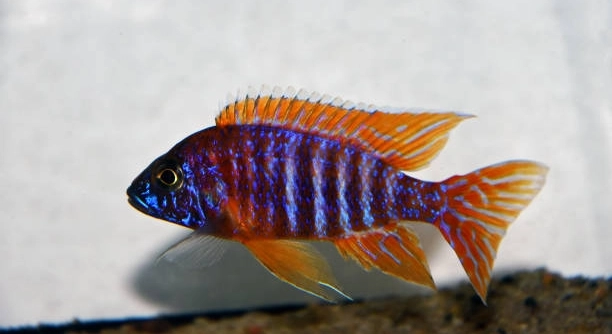
Have you ever noticed your cichlids moving in tight, repeated circles around the tank? Watching them can feel strange, especially when they usually swim calmly. Many fish owners find this behavior both puzzling and concerning.
Cichlids swimming in circles often indicate stress, illness, or environmental issues. Common causes include poor water quality, infections, parasites, or insufficient tank space. Identifying the root cause quickly is essential for maintaining their health and preventing further complications.
Understanding why this behavior occurs can help improve your fish’s environment and wellbeing. There are simple steps and observations that can make a noticeable difference in their daily activity.
Common Reasons for Circular Swimming
Many cichlid owners notice their fish swimming in circles and wonder why this happens. The behavior is often linked to stress from the environment. Small tanks or overcrowded conditions can make cichlids feel confined. Changes in water temperature or chemistry may also cause discomfort. Sometimes, the circular movement is a sign of internal parasites or infections. Fish often display unusual patterns when they are physically unwell, including swimming in repetitive loops. Even the introduction of new tank mates can trigger stress, prompting this behavior. Observing other signs such as clamped fins, loss of appetite, or color changes can help identify if health issues are present. Feeding habits and water flow also affect swimming patterns. Cichlids are active fish, and anything that interrupts their natural behavior may lead to repeated circling. Consistent monitoring is key to spotting early warning signs and taking corrective action.
Stress and illness are usually easy to detect with close observation.
Keeping a cichlid tank balanced requires attention to water parameters, tank size, and the social dynamics of the fish. Overcrowding increases competition and aggression, while poor filtration allows toxins to build up. Even minor changes in pH, temperature, or nitrate levels can lead to unusual behavior. Regular water testing and partial water changes are essential. Introducing new fish gradually reduces stress for existing tank mates. Feeding a varied and nutritious diet supports overall health. Parasites and bacterial infections may need treatment with specific medications. Observing your cichlids daily helps detect problems early. By maintaining a stable environment and addressing health concerns quickly, you can prevent repeated circling and support your fish’s wellbeing. A calm, consistent setup often restores normal swimming patterns. Attention to details in tank care ensures your cichlids remain active, healthy, and comfortable in their home.
Water Quality and Tank Environment
Water quality plays a major role in cichlid behavior.
Poor water conditions create stress, making fish more likely to swim in circles. Temperature fluctuations, high ammonia, or nitrite levels can irritate them. Clean, well-maintained tanks are essential for their stability.
Maintaining optimal water quality requires regular testing and care. Cichlids thrive in stable conditions with appropriate temperature, pH, and hardness levels. Using a reliable filter and performing partial water changes each week helps remove toxins and maintain clarity. Decorations and plants provide hiding spots, reducing stress and supporting natural behavior. Sudden changes in the environment, like adding new fish or rearranging the tank, can also trigger circular swimming temporarily. Monitoring fish behavior and responding promptly to changes ensures long-term health. A well-kept tank encourages natural movement patterns, strengthens the immune system, and enhances overall vitality. Consistency is more important than perfection; gradual adjustments allow cichlids to adapt comfortably. Taking these steps creates a stable and healthy environment, reducing stress-related behaviors and helping your fish thrive.
Signs of Illness in Cichlids
Unusual swimming patterns often signal illness. Other signs include clamped fins, faded colors, loss of appetite, or rubbing against objects. Monitoring these behaviors early can prevent serious health issues and allow timely treatment to help your fish recover fully.
Many diseases affect cichlids, including bacterial infections, parasites, and fungal growths. Parasites often cause erratic swimming or circling, while bacterial infections can lead to lethargy and fin damage. Fungal infections may appear as white or fuzzy patches on the body. Regular observation helps catch these issues before they worsen. Quarantining new fish, maintaining clean water, and providing proper nutrition reduce disease risk. Prompt intervention is key to ensuring affected fish return to normal swimming patterns and maintain overall health.
Behavior changes often accompany illness, such as isolation or excessive hiding. Circling may be one of the first visible signs. Maintaining stable tank conditions and a balanced diet supports recovery and prevents relapses. Even minor health issues can escalate if left untreated, so consistent care and attention to detail make a big difference. Understanding specific symptoms allows for targeted treatments, improving survival and wellbeing for your cichlids. Observing interactions between fish can also reveal stress-related illness triggers.
Adjusting Your Tank Setup
Tank layout affects swimming behavior. Crowded spaces or a lack of hiding spots increase stress, often resulting in repeated circling. Proper decoration and spacing improve comfort and natural movement.
Providing enough space for each cichlid reduces aggression and encourages normal swimming. Adding rocks, plants, and caves offers shelter and territory, which minimizes stress-induced behavior. Avoid sharp edges or clutter that can harm fish. Adjusting water flow to suit your species helps prevent constant swimming in loops caused by resistance or currents. Regularly inspecting and rearranging decorations carefully can keep the environment engaging without causing disruption.
Lighting and filtration also impact behavior. Bright, harsh lights may stress shy fish, while weak filtration leads to poor water quality. Maintaining appropriate conditions ensures fish feel secure and swim naturally. Observing how fish interact with the layout can guide adjustments, making their habitat healthier. Balancing decoration, hiding spots, and open swimming areas supports both social structure and physical activity. Well-planned setups reduce repetitive circling and promote active, stress-free fish.
Stress Factors in Cichlids
Changes in the tank, such as new fish or rearranged decorations, can stress cichlids. Stress often causes circling, rapid swimming, or hiding. Keeping a stable environment reduces these behaviors and helps fish feel secure.
Overcrowding is another major stress factor. Each cichlid needs enough space to establish territory. Limited room increases aggression and repetitive swimming patterns. Proper stocking levels help maintain harmony, allowing fish to swim naturally and avoid constant circling.
Diet and Nutrition
A poor diet can affect swimming behavior. Cichlids need a balanced mix of protein, vegetables, and specialized pellets. Inadequate nutrition weakens their immune system, making them more prone to illness and stress-related behaviors like circling.
Observation and Intervention
Watching your fish daily helps identify issues early. Noting changes in behavior or appetite allows quick action, preventing problems from escalating and supporting long-term health.
FAQ
Why are my cichlids swimming in circles all the time?
Cichlids swim in circles when they are stressed, sick, or uncomfortable with their environment. Common causes include poor water quality, overcrowding, parasites, or sudden changes in tank layout. Observing their behavior along with other symptoms, like clamped fins or faded colors, can help identify the problem.
Can tank size affect my cichlids’ swimming?
Yes, small tanks or overstocked tanks can lead to repeated circling. Cichlids need space to establish territory and swim naturally. Crowded conditions create stress and aggression, which often shows through erratic or circular swimming. Adjusting tank size or reducing the number of fish can help.
Could water quality be the reason?
Absolutely. Poor water quality, high ammonia, nitrites, or pH fluctuations can irritate fish, leading to unusual swimming patterns. Regular water testing, partial water changes, and proper filtration keep conditions stable and support normal behavior. Even minor imbalances can make cichlids restless.
Is diet linked to swimming problems?
Yes, improper nutrition weakens fish and may contribute to stress-related behaviors. Cichlids need a balanced diet with protein, vegetables, and specialized pellets. Feeding too much or too little can also cause discomfort, leading to circling or lethargy.
Are parasites a common cause?
Parasites often trigger unusual swimming, including circling. Fish may rub against objects, lose appetite, or show visible spots. Early detection and treatment with appropriate medications are important to prevent the problem from worsening. Quarantining new fish can reduce the risk of parasite introduction.
Does lighting or decoration affect their behavior?
Yes, overly bright lights or a lack of hiding spots can stress cichlids. Decorations, plants, and caves provide shelter and reduce repetitive swimming. Rearranging the tank suddenly may temporarily cause circling until the fish adjust. A balanced layout helps maintain calm and natural behavior.
Can stress from other fish cause circling?
Definitely. Aggression or dominance disputes among cichlids may lead to repetitive swimming. Establishing clear territories and ensuring proper spacing reduces conflict. Observing social interactions helps identify which fish might be stressed or bullied.
When should I see a vet or specialist?
If circling persists despite stable water, proper diet, and suitable tank conditions, or if other symptoms like fin damage, weight loss, or unusual marks appear, it’s best to consult an aquatic veterinarian. Early intervention improves the chances of recovery.
Can temporary circling be normal?
Yes, sometimes cichlids circle briefly due to curiosity or exploring their environment. Short periods of circling are usually harmless. Persistent or extreme circling, however, indicates a problem that needs attention. Monitoring frequency and duration helps differentiate normal behavior from stress or illness.
Will fixing water or diet solve the problem quickly?
Improvements in water quality and nutrition often help, but recovery may take time. Fish need a stable environment and consistent care to return to normal behavior. Gradual changes are safer than sudden adjustments, preventing additional stress and supporting long-term health.
How can I prevent circling in the future?
Maintain clean water, proper diet, adequate tank space, and consistent conditions. Regular observation helps catch issues early. Minimizing sudden changes and providing hiding spots reduces stress. Quarantining new fish and controlling aggressive behavior also supports healthy swimming patterns.
Are certain cichlid species more prone to circling?
Some species, especially territorial or highly active ones, are more likely to show repetitive swimming when stressed. Understanding species-specific behavior and providing suitable tank conditions helps prevent circling and ensures they thrive.
Does temperature play a role in circling?
Yes, cichlids are sensitive to temperature changes. Water that is too cold or too warm can cause stress and abnormal swimming. Keeping the tank within the recommended range for the species supports regular activity and reduces circling behavior.
Can circling indicate boredom?
Sometimes. Cichlids need stimulation from plants, rocks, or spaces to explore. A lack of enrichment can lead to repetitive swimming. Adding hiding spots and varying the layout periodically encourages natural exploration and reduces stress-related behavior.
How often should I check my fish for signs of circling or stress?
Daily observation is ideal. Noticing changes early allows for quicker intervention. Small adjustments in water, diet, or tank setup can prevent minor issues from becoming serious problems. Keeping a routine helps maintain overall fish health and wellbeing.
Are medications always necessary if my cichlids swim in circles?
Not always. If the behavior is caused by environmental factors, diet, or stress, medications are not needed. Treatments are only necessary for infections, parasites, or other diagnosable health problems. Identifying the cause ensures the correct approach is taken without unnecessary intervention.
Will circling ever stop on its own?
It may stop if the cause is temporary or mild, like short-term stress or curiosity. Persistent circling typically requires changes in environment, care, or treatment. Careful monitoring ensures you respond appropriately before the behavior affects health.
Can multiple factors contribute to circling?
Yes, often more than one factor is involved. Poor water quality combined with stress from other fish or inadequate diet can worsen circling. Addressing all possible causes together is the most effective way to restore normal swimming behavior and support overall health.
Is it possible to completely prevent circling?
While it may not be fully avoidable, consistent tank care, proper diet, stress reduction, and close observation significantly reduce the chances. Understanding your fish’s needs and creating a stable, safe environment makes circling far less common and improves their wellbeing.
How long does it take for fish to recover from circling behavior?
Recovery depends on the cause. If it’s environmental, fish may adjust within days. If illness or parasites are involved, recovery can take weeks with proper treatment. Patience and consistent care are essential to ensure they regain normal swimming patterns and overall health.
Are there signs that circling is life-threatening?
Yes. Severe lethargy, rapid weight loss, visible sores, or unresponsiveness alongside circling indicate serious health problems. Immediate attention and veterinary care are necessary to prevent mortality and improve chances of recovery.
Does water current affect circling?
Strong or uneven currents can make fish swim in loops. Adjusting filter output or adding breaks in flow reduces unnecessary circling. Providing calm areas in the tank allows fish to rest and swim naturally without constant resistance.
Is it normal for juvenile cichlids to circle more than adults?
Juveniles may circle more often due to exploration and developing territorial behavior. While occasional circling is normal, persistent loops should still be monitored for stress, diet, or water quality issues. Early care prevents long-term habits that could affect health.
Can sudden changes in diet cause circling?
Yes, abrupt diet changes may stress the digestive system or cause discomfort. Introduce new foods gradually to prevent stress-related swimming behaviors. Consistent, balanced meals support stable energy levels and reduce repetitive movement.
Do seasonal changes affect circling behavior?
Seasonal temperature fluctuations or lighting changes can stress fish. Maintaining stable conditions throughout the year helps prevent behavioral changes like circling. Sudden shifts in day length or water conditions can trigger temporary stress responses that need careful observation.
Is circling more common in certain tank setups?
Yes, tanks with minimal hiding spots, strong currents, or overcrowding often see more circling behavior. Balanced layouts, enrichment, and proper stocking density reduce stress and allow natural swimming patterns to emerge.
How important is observation in preventing circling?
Observation is key. Daily monitoring lets you spot early signs of stress or illness. Tracking behavior, feeding habits, and interactions ensures quick corrective action, keeping fish healthy and reducing repetitive swimming tendencies.
Can circling indicate reproductive behavior?
Sometimes. Certain cichlid species may circle during mating displays or territory establishment. Observing other behaviors, such as nest building or guarding, helps distinguish reproductive activity from stress or illness.
What is the first step when noticing circling?
Check water quality, temperature, and tank conditions first. Ensure diet is appropriate and the tank is not overcrowded. Observing for other symptoms helps determine if medical treatment is necessary. Immediate adjustments often prevent further stress and worsening of behavior.
Are there long-term effects of repeated circling?
Persistent circling can cause fatigue, weaken the immune system, and increase susceptibility to disease. Addressing causes early protects overall health and ensures fish maintain normal swimming patterns, energy levels, and lifespan.
Can enrichment reduce circling?
Yes, providing hiding spots, plants, and structures encourages natural exploration and activity. Enrichment prevents boredom and stress-related circling, supporting both physical and mental wellbeing for your cichlids.
Is it safe to leave circling fish alone if water and diet are fine?
Short-term circling may be harmless, but persistent behavior should not be ignored. Even with good water and diet, underlying stress or illness can develop. Monitoring ensures issues are caught before they escalate.
How can I tell if circling is caused by stress or illness?
Stress-related circling often comes with environmental triggers and may stop once conditions improve. Illness usually includes other symptoms like color changes, lethargy, or clamped fins. Observing multiple factors helps identify the true cause.
Can adding plants or rocks really help?
Yes, plants and rocks offer hiding spaces and reduce stress. Structured environments allow cichlids to claim territories and explore safely, which minimizes repetitive circling caused by discomfort or aggression.
Does filter type matter?
Yes, strong or uneven filtration can create currents that stress cichlids. Adjustable filters or gentle water flow help fish swim naturally and reduce repetitive movement. Proper placement also prevents areas of stagnant water, maintaining health.
How do I balance multiple factors at once?
Address water quality, diet, space, and enrichment simultaneously. Adjusting one factor alone may not fully resolve circling. A holistic approach ensures long-term stability, reducing stress and promoting normal swimming behavior.
Are there warning signs before circling begins?
Yes, subtle changes like hiding, reduced appetite, or minor color fading often precede circling. Early observation allows preventive measures, reducing the likelihood of persistent behavioral issues and supporting overall wellbeing.
Can older fish recover from circling as easily as juveniles?
Recovery can be slower in older fish, but proper care, stable conditions, and treatment for illnesses allow most adults to regain normal swimming patterns. Patience and consistent monitoring are essential.
Is it necessary to quarantine all new fish?
Yes, quarantining new arrivals prevents disease or parasites from spreading to existing cichlids. This step is crucial to maintain a stable, healthy tank environment and reduce stress-related behaviors like circling.
How often should I test water to prevent circling?
Weekly testing is recommended for parameters like ammonia, nitrites, nitrates, pH, and temperature. Frequent checks help catch imbalances early, preventing stress and maintaining consistent swimming behavior.
Are there behavioral signs that indicate permanent tank issues?
Persistent aggression, constant hiding, or ongoing circling may indicate structural or environmental problems. Adjusting space, enrichment, or water flow can often resolve these issues and restore healthy swimming patterns.
Do tank mates influence circling behavior?
Yes, aggressive or overly active fish can stress others, leading to repetitive circling. Proper species selection, territory management, and observation of social interactions reduce stress-related behaviors.
Can lighting adjustments improve behavior?
Yes, providing natural day-night cycles with moderate lighting helps fish feel secure. Harsh lighting or constant exposure can increase stress, while gradual changes support normal activity and reduce circling.
Does age affect circling tendencies?
Juveniles may circle more out of exploration, while older fish often develop stress-related circling if tank conditions are poor. Observing age-specific behavior helps determine whether circling is normal or a problem.
Are there signs that circling is due to boredom rather than illness?
Boredom-related circling is usually accompanied by minimal color change and normal appetite. Introducing enrichment, hiding spots, and interactive structures often reduces this behavior quickly.
Can water hardness affect circling?
Yes, cichlids have preferred hardness ranges. Too soft or too hard water can stress them, sometimes causing repetitive swimming. Adjusting hardness gradually helps maintain comfort and normal behavior.
How do I track improvements in circling behavior?
Monitor swimming patterns daily, note changes in frequency or duration, and track health indicators. Gradual improvement indicates interventions are working, while persistent circling signals further adjustments are needed.
Can seasonal tank cleaning cause circling?
Yes, disturbances during cleaning or rearranging can temporarily stress fish, leading to circling. Gentle handling and partial cleaning help minimize stress, allowing fish to resume normal behavior quickly.
Is there a difference between male and female circling behavior?
Males may circle more during territorial displays or mating periods. Females generally show less circling unless stressed or sick. Observing context and additional behaviors clarifies the cause.
Can circling indicate pain or injury?
Yes, physical injuries or discomfort may cause repetitive swimming. Check for fin damage, sores, or abnormal posture. Providing a safe, stress-free environment supports recovery and prevents worsening behavior.
Are there environmental cues that trigger circling?
Sudden light, noise, or movement around the tank can startle fish, sometimes leading to temporary circling. Minimizing disturbances helps maintain calm and normal swimming patterns.
Is persistent circling a sign of chronic stress?
Yes, ongoing repetitive swimming often reflects long-term stress. Addressing tank conditions, social dynamics, diet, and enrichment reduces chronic stress and restores healthier behavior.
Can adjusting feeding schedules help?
Regular, consistent feeding reduces stress and supports digestive comfort. Irregular meals or overfeeding can trigger circling or restlessness. A balanced, predictable routine encourages stable swimming patterns.
Does water oxygenation affect circling?
Yes, low oxygen levels can make fish restless and lead to repetitive movement. Proper aeration and water flow ensure adequate oxygen, promoting normal swimming and overall health.
Can circling be completely eliminated?
While some temporary circling may occur, persistent behavior can usually be minimized with proper care. Addressing all environmental, dietary, and social factors creates conditions where cichlids swim naturally and comfortably.
How long should I monitor after interventions?
Continue observing for several weeks. Immediate improvement may occur, but consistent monitoring ensures adjustments are effective and prevents relapses. Keeping records helps track patterns and identify recurring issues.
Are some tank decorations better than others?
Yes, smooth rocks, plants, and caves provide safe hiding spots and territories. Avoid sharp or unstable items that may injure fish. Thoughtful decoration reduces stress-induced circling and promotes natural behavior.
Can water conditioners help reduce circling?
Yes, conditioners remove chlorine, chloramine, and heavy metals that can irritate fish. Using them during water changes keeps the environment safe and reduces stress-related swimming patterns.
Is temperature consistency more important than exact values?
Yes, stability is crucial. Sudden fluctuations cause stress, even if the temperature is within the ideal range. Maintaining a steady environment helps prevent circling and supports overall health.
Can tank mates of different species affect circling?
Yes, incompatible species may trigger stress or aggression. Choosing species with similar temperament and behavior reduces tension, helping cichlids swim naturally without repetitive loops.
Do I need to change anything if circling stops?
Even if behavior stops, maintaining proper water quality, diet, and tank conditions is essential. Ensuring stability prevents recurrence and supports long-term health and wellbeing.
Can seasonal temperature changes affect circling?
Yes, fluctuations in room or water temperature can stress fish. Using heaters or chillers to maintain stability prevents abnormal swimming behaviors and supports consistent activity.
Does tank size relative to species matter?
Yes, larger or more territorial species need more space. Inadequate room causes stress, aggression, and repetitive swimming. Proper stocking ensures natural movement and reduces circling.
How important is quarantine for new fish?
Quarantine prevents introducing parasites or disease. It reduces stress on existing fish and helps maintain a healthy, stable tank environment, minimizing abnormal swimming behaviors.
Can circling indicate social hierarchy issues?
Yes, disputes over territory or dominance can cause repetitive swimming. Providing adequate space, hiding spots, and monitoring interactions helps maintain harmony and reduces stress-induced circling.
Are there long-term health consequences of ignoring circling?
Persistent circling can lead to fatigue, immune weakness, and increased disease risk. Addressing causes early prevents chronic stress and supports overall health and lifespan.
Does tank placement in the room matter?
Yes, areas with frequent vibrations, noise, or movement can stress fish. Placing the tank in a calm, stable location reduces environmental stress and abnormal swimming behaviors.
Can adding new fish trigger circling in established fish?
Yes, new additions can increase stress and territorial disputes. Introducing fish slowly and observing interactions helps prevent prolonged circling and supports a peaceful environment.
Is it normal for fish to circle when excited or playful?
Short bursts of circling during feeding or play can be normal. Persistent loops combined with other stress indicators, however, signal an underlying problem.
Can tank mates cause stress even without aggression?
Yes, overly active or curious fish may disturb others. Observing interactions and adjusting tank population or layout helps reduce stress and repetitive swimming.
Does feeding method affect circling?
Yes, surface-only feeding or uneven food distribution may make fish compete aggressively, causing stress. Dispersing food evenly and using sinking pellets supports calmer behavior.
Are certain decorations better for reducing circling?
Yes, stable rocks, plants, and caves provide territory and hiding spaces. Avoid sharp or unstable items that could injure fish or increase stress, supporting natural swimming patterns.
Can seasonal lighting changes affect circling?
Yes, abrupt changes in day length or intensity can stress fish. Gradual adjustment and consistent light cycles help maintain calm behavior and reduce repetitive swimming.
Is tank noise a factor in circling behavior?
Yes, external vibrations or loud household noise can stress fish. Minimizing disturbances helps maintain normal swimming and reduces stress-related circling.
Does filter placement influence circling?
Yes, strong currents or uneven flow can make fish swim in loops. Adjusting filter output or placement creates calmer areas for natural swimming.
How can I differentiate normal swimming from stress-related circling?
Normal swimming is varied and purposeful. Stress-related circling is repetitive, continuous, or accompanied by other signs like color fading or hiding. Observing behavior in context helps identify issues.
Can environmental enrichment completely prevent circling?
While it reduces stress and boredom, enrichment alone may not eliminate circling caused by illness or poor water quality. Combined with proper care, it supports healthier swimming patterns.
Is monitoring fish behavior the most important step?
Yes, daily observation helps catch problems early. Noting changes in swimming, appetite, or
Final Thoughts
Watching your cichlids swim in circles can be worrying, but it is usually a sign that something in their environment or health needs attention. Fish communicate stress, illness, and discomfort through behavior, and circling is one of the clearer ways they show it. Observing them closely and taking note of other signs, like clamped fins, faded colors, or loss of appetite, is important. Even minor changes in behavior can provide useful information about water quality, tank setup, or health issues. Understanding what your fish are trying to communicate allows you to respond quickly and create a safer, more comfortable environment for them.
Maintaining good water quality is the first step to preventing repetitive swimming. Regular water testing, partial water changes, and proper filtration are essential. Each cichlid species has its preferred temperature, pH, and hardness range, so keeping these parameters stable helps reduce stress. Overcrowding and improper tank size also contribute to circling, as fish feel trapped or threatened. Adding plants, rocks, and hiding spaces allows fish to claim territory and move naturally without constant stress. Feeding a balanced diet, following a routine schedule, and introducing new foods gradually support their overall health. Consistency in care prevents minor issues from becoming chronic problems.
Health problems, like parasites or bacterial infections, are another reason for circling. Early detection is crucial for recovery. Quarantining new fish, observing behavior daily, and treating illness promptly can prevent the spread of disease. Even if the cause is stress or boredom, enrichment, proper tank layout, and social balance help restore normal swimming patterns. Recovery may take time, but patience and consistent care make a significant difference. By paying attention to water quality, diet, tank setup, and fish health, you can minimize circling behavior and support happier, healthier cichlids in your aquarium.

Hello,
If you enjoy the content that we create, please consider saying a "Thank You!" by leaving a tip.
Every little bit helps us continue crafting quality advice that supports the health, happiness, and well-being of pets around the world, for pets of all shapes, sizes, and species.
We really appreciate the kindness and support that you show us!