
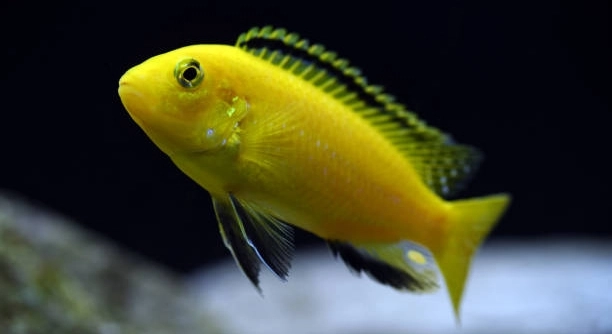
Convict cichlids are popular freshwater fish known for their vibrant patterns and active behavior. Many aquarists enjoy keeping them because their colors can reveal a lot about their mood, health, and environment. Observing these changes can be fascinating.
Convict cichlid colors range from pale gray to bright black and even orange. Each hue indicates specific conditions such as breeding readiness, stress levels, or social dominance. Monitoring these color variations helps maintain a healthy aquarium environment effectively.
Knowing what these colors signify can improve your care routine and help you create a balanced habitat for your fish. It adds enjoyment to watching them thrive in their tanks.
Pale Gray Convict Cichlids
Pale gray convict cichlids are often juveniles or less dominant adults. Their subdued color helps them stay unnoticed among tank decorations and other fish. These cichlids usually appear calm and less aggressive. While their color may seem dull, it is a natural stage in their development. Environmental factors like lighting, water quality, and diet can also influence this pale appearance. Observing them over time can show gradual darkening as they mature. Their interactions with other fish provide clues about social hierarchy in the tank. Tank mates that are more dominant may push pale gray cichlids to hide. Proper feeding and minimal stress help them maintain healthy growth. Even with their muted tone, they remain active and curious. Monitoring water parameters ensures they do not show stress-related discoloration. Over time, these fish may develop more vivid stripes as they gain confidence.
Pale gray coloring is normal for younger or submissive cichlids. It indicates calm behavior.
Maintaining stable tank conditions, including temperature, filtration, and feeding, supports the natural color transition. Observing their behavior alongside color changes provides insight into their health and comfort levels.
Dark Black Convict Cichlids
Dark black convict cichlids display dominance and high energy. Their intense color signals territorial behavior.
Black convict cichlids are often mature adults asserting control over their space. Their dark hue can indicate aggression, readiness to breed, or strong social standing. These fish tend to chase away less dominant individuals and may patrol their territory constantly. Their diet, water quality, and lighting also impact how deep and even their black coloration appears. When breeding, males usually darken further to signal strength to females and rivals. Observing their interactions with tank mates is important to prevent injuries and stress. Providing sufficient hiding spaces reduces conflict while allowing dominant cichlids to display natural behaviors. Regular monitoring helps ensure all fish remain healthy and that the darker tones reflect natural dominance rather than stress or illness. Even in a well-maintained tank, black convict cichlids require consistent attention to thrive. Recognizing these signs improves care and helps maintain balance in community setups.
Striped Convict Cichlids
Striped convict cichlids show clear, bold vertical bands across their bodies. The contrast between light and dark stripes indicates good health and proper social status within the tank.
These stripes are more pronounced in adults and can vary depending on lighting, water quality, and stress levels. Strong, well-defined bands often appear in dominant fish and during breeding periods. Submissive or stressed cichlids may display faded or irregular stripes, signaling potential issues in the tank environment. Maintaining consistent conditions, including temperature and diet, supports the vibrancy of these patterns. Observing stripe clarity helps determine the fish’s overall well-being.
Stripe intensity can also reveal emotional states. Aggressive encounters or environmental changes may temporarily alter the bands’ appearance. Providing stable surroundings ensures that stripes remain distinct. Well-fed, healthy cichlids typically maintain consistent patterns. Over time, these stripes act as visual indicators of social hierarchy, breeding readiness, and stress levels. Paying attention to these details allows you to manage interactions and tank harmony effectively.
Orange-Hued Convict Cichlids
Orange-hued convict cichlids often display color during breeding or under strong environmental stimulation. Their vibrant tones signal health and vitality.
These cichlids develop orange shades mainly around the belly and fins. The color intensifies with good nutrition and proper lighting, often becoming brightest during mating periods. Stress, poor water quality, or insufficient food can dull these tones, making it easier to spot issues early. Orange hues also indicate higher energy levels and active behavior, as these fish tend to defend territory and compete for attention. Observing changes in their coloration provides insight into mood and readiness to breed. Maintaining stable tank conditions ensures the orange coloration remains strong and consistent, helping you monitor overall health.
Bright orange coloring reflects peak physical condition and breeding potential. Subtle shifts in hue signal environmental stress or dietary imbalance. Maintaining a proper diet, stable water parameters, and minimal disturbances encourages vibrant tones. Watching these changes over time helps anticipate reproductive activity and social interactions within the tank. Adjusting feeding schedules or habitat features can enhance natural coloration. These observations make it easier to distinguish between dominant and submissive fish, providing practical guidance for tank management. Consistent care promotes longevity and optimal health in orange-hued convict cichlids.
Faded Convict Cichlids
Faded convict cichlids often show pale, washed-out colors. This can indicate stress, illness, or poor water conditions. Monitoring behavior alongside color helps identify the cause.
Changes in tank environment, overcrowding, or aggressive tank mates often lead to fading. Correcting water parameters and reducing stressors usually restores natural coloration.
Blue-Tinted Convict Cichlids
Blue-tinted convict cichlids display a subtle bluish sheen over their bodies, often seen in certain strains or under specific lighting. This coloration can signal genetic traits, health, or calm behavior. Providing proper nutrition and stable water conditions enhances the intensity of the blue tint. Subtle shifts may indicate stress or changes in mood.
Observing blue-tinted fish helps track their development and social interactions. Stronger blue tones often appear in healthy, dominant individuals. Adjusting tank features like lighting or hiding spots can enhance their natural hue while maintaining comfort.
Albino Convict Cichlids
Albino convict cichlids lack dark pigmentation and appear pale pink or white. Their unusual coloring requires careful monitoring.
Albino fish are more sensitive to light and stress. Maintaining optimal water quality, consistent diet, and gentle handling ensures they thrive despite their delicate nature.
FAQ
Why do convict cichlids change color?
Convict cichlids change color due to several factors including mood, stress, dominance, and breeding readiness. Environmental conditions like water quality, lighting, and tank setup also play a role. Health issues, diet deficiencies, or aggressive tank mates can trigger temporary or lasting changes in their coloration. Observing these shifts can help you assess their overall well-being.
What does pale coloring mean in convict cichlids?
Pale convict cichlids are often juveniles or submissive adults. Faded colors can also indicate stress, poor water conditions, or illness. Ensuring stable water parameters, reducing aggressive tank interactions, and providing proper nutrition usually restores natural tones over time. Pale coloring is often temporary if conditions are corrected.
Why do some convict cichlids turn black?
Black coloration usually signals dominance, territorial behavior, or breeding readiness. Males often darken to show strength and assert control. However, extreme darkening combined with lethargy or lack of appetite may indicate stress or illness. Maintaining proper water quality and balanced tank dynamics supports healthy black coloration.
What causes orange or red hues in convict cichlids?
Orange or red tones appear mainly during breeding or when fish are in peak health. These colors reflect high energy, active behavior, and strong vitality. Proper nutrition, stable water conditions, and sufficient lighting help maintain these vibrant tones. Dull orange may indicate dietary deficiencies or mild stress.
Do stripes indicate anything in convict cichlids?
Yes, stripes indicate health, social status, and sometimes mood. Clear, bold stripes are a sign of maturity, confidence, and dominance. Faded or irregular stripes can suggest stress, illness, or environmental issues. Monitoring stripe clarity alongside behavior gives insight into tank balance.
Are albino convict cichlids different in care?
Albino cichlids lack dark pigmentation, making them more sensitive to light and stress. They require consistent water quality, gentle handling, and proper diet to thrive. Avoid strong lighting and overcrowded tanks, as albinos are more prone to stress-related health issues compared to darker-colored cichlids.
Can water conditions affect convict cichlid colors?
Yes, water temperature, pH levels, hardness, and cleanliness all impact coloration. Stable, optimal water parameters help maintain natural colors. Sudden changes, poor filtration, or overcrowding can cause fading, darkening, or unusual color shifts, signaling stress or illness that needs attention.
Do convict cichlid colors change during breeding?
During breeding, colors often become more intense. Males darken to assert dominance, while females may show brighter shades on the belly and fins. These changes are natural and indicate reproductive readiness. Monitoring their behavior alongside color changes ensures a safe environment during breeding periods.
How can diet influence convict cichlid colors?
A balanced diet rich in protein, vitamins, and carotenoids supports natural coloration. Lack of nutrients can dull colors or prevent them from reaching full intensity. Feeding high-quality flakes, pellets, and occasional live foods helps maintain vibrant hues and overall health.
What should I do if colors suddenly fade?
If colors fade suddenly, check water quality, tank conditions, and tank mates’ behavior. Address stressors, improve water parameters, and ensure proper diet. Observing behavior and correcting environmental factors usually restores normal coloration within days to weeks. Persistent fading may require consulting a specialist for health evaluation.
Do blue-tinted convict cichlids require special care?
Blue-tinted cichlids are generally healthy and calm. Enhancing their natural tint involves proper lighting, diet, and minimal stress. Subtle changes in hue can indicate mood shifts or minor stress, but they don’t need drastically different care than standard convict cichlids. Monitoring their environment ensures their color remains vibrant.
Can color changes signal health problems?
Yes, unusual or sudden color changes often indicate health issues. Pale, faded, or blotchy colors may suggest stress, infection, parasites, or nutritional deficiencies. Early detection through careful observation allows for prompt corrective measures, such as adjusting water quality, diet, or treatment.
Is it normal for juvenile convict cichlids to look different?
Juveniles usually have pale gray or muted stripes. Their colors darken and intensify as they grow. Changes in juvenile coloration are part of natural development, influenced by age, dominance, and environmental factors. Proper care ensures they transition into healthy adults with vibrant tones.
How can I maintain vibrant convict cichlid colors long-term?
Consistent water quality, balanced nutrition, stable lighting, and minimal stress help maintain natural coloration. Avoid overcrowding and aggressive tank mates. Regular monitoring and small environmental adjustments support bright stripes, orange hues, and deep blacks over the long term, ensuring visually healthy, thriving fish.
Can social hierarchy affect convict cichlid colors?
Yes, dominant fish often display darker and more vivid colors, while submissive fish may appear paler. Observing these variations helps understand social structure and behavior. Adjusting tank arrangements or providing hiding spots supports both dominant and submissive individuals, maintaining a balanced and healthy community.
Do stress and illness affect stripe patterns?
Stress, illness, and poor water conditions can cause stripes to fade, blur, or appear irregular. Monitoring both physical appearance and behavior is essential. Timely intervention, including improving water quality, diet, and reducing aggressive interactions, restores natural stripe patterns and overall health.
Are color changes reversible?
Most color changes caused by environmental factors, stress, or diet are reversible. Permanent color shifts usually relate to genetics or aging. Maintaining optimal conditions and attentive care allows most convict cichlids to regain their natural vibrancy over time, reflecting improved health and comfort.
Can lighting affect how colors appear?
Yes, lighting intensity and spectrum affect perceived color. Strong, natural-like lighting enhances stripes, black, orange, and blue hues. Dim or inconsistent lighting can dull appearance. Adjusting light duration and intensity carefully improves visibility of colors without stressing the fish.
Is there a link between aggression and color intensity?
Generally, more intense colors indicate higher dominance and territorial behavior. Black or vibrant males are often more aggressive, especially during breeding. Providing sufficient space, hiding areas, and monitoring interactions reduces conflict while allowing natural color expression and social dynamics.
Do convict cichlid colors differ between males and females?
Males often display darker colors and more pronounced stripes, especially during breeding. Females may show brighter orange tones on the belly. Recognizing these differences helps identify sex and assess readiness for breeding while monitoring overall health and behavior.
How often should I monitor convict cichlid colors?
Daily observation is ideal for detecting subtle changes in mood, health, or stress. Color changes provide immediate feedback on tank conditions, social dynamics, and diet. Frequent monitoring ensures timely adjustments to maintain a healthy and visually vibrant aquarium.
Are faded colors always a concern?
Not always. Temporary fading may occur during rest, sleep, or minor environmental fluctuations. Persistent pale or washed-out colors indicate stress, illness, or poor conditions and should be addressed promptly to prevent long-term health issues.
Can breeding pairs display unique colors?
Yes, breeding pairs often intensify colors, with males darkening and females showing brighter bellies. This signals reproductive readiness and helps maintain pair bonding. Providing a secure breeding environment enhances these natural color displays while minimizing stress or aggression.
What role does genetics play in convict cichlid colors?
Genetics determines baseline color potential, stripe patterns, and rare variations like albino or blue-tinted cichlids. While environmental factors influence intensity and vibrancy, genetic traits define the natural range of coloration each fish can display. Understanding genetics helps anticipate expected color changes.
Do tank decorations affect color appearance?
Tank backgrounds, substrate, and plants can influence how colors are perceived. Dark backgrounds often make black or striped patterns more vivid, while bright substrates can enhance pale or orange hues. Adjusting decorations improves visual contrast and highlights natural color.
How do I know if color changes are stress-related?
Stress-related color changes usually coincide with hiding, lethargy, reduced appetite, or erratic swimming. Sudden fading or blotchiness often signals environmental issues, aggressive tank mates, or illness. Addressing stressors and improving tank conditions typically restores natural coloration.
Can diet supplements enhance convict cichlid colors?
Yes, carotenoid-rich foods and specialized color-enhancing pellets support vibrant stripes, orange tones, and deep blacks. Including live or frozen foods improves overall health and coloration. A consistent, varied diet ensures long-term maintenance of natural color patterns.
Is monitoring color more important than behavior?
Color changes complement behavioral observation. Together, they provide a full picture of health, mood, and environmental comfort. Watching both helps detect early warning signs of stress, illness, or social conflict, allowing timely intervention and better care.
Do albino cichlids display color changes like other cichlids?
Albino cichlids show subtler shifts, mainly in intensity of pink or white shades. They are sensitive to stress and lighting, so color changes may indicate discomfort or poor conditions. Careful observation and gentle handling ensure their health and subtle coloration remain stable.
Can water temperature affect coloration?
Yes, temperature fluctuations can cause fading or darkening. Maintaining stable, species-appropriate temperatures ensures consistent color and supports breeding behavior, activity levels, and overall health. Extreme changes stress the fish, often reflecting immediately in color shifts.
Are convict cichlid colors permanent once established?
Colors develop with age and social standing but can change with environment, stress, or breeding. Most shifts are reversible. Genetics sets potential limits, but proper care ensures the fish maintains the best possible coloration throughout its life.
How do I encourage natural color expression?
Stable water parameters, balanced diet, sufficient space, hiding spots, and minimal stress support natural coloration. Observing interactions, adjusting lighting, and providing enrichment help fish feel secure, allowing their full color potential to emerge and remain vibrant consistently.
Do all convict cichlids show the same range of colors?
No, colors vary by genetics, age, sex, and environment. Some strains display blue or albino traits, while others maintain classic gray, black, or orange patterns. Understanding the specific type helps manage expectations and care routines for optimal color display.
Can color changes indicate compatibility with other fish?
Yes, fading or darkening during interactions often signals stress from incompatible tank mates. Observing these shifts helps identify aggression, overcrowding, or dominance conflicts, guiding adjustments in tank population or layout to maintain harmony and vibrant coloration.
How quickly can convict cichlid colors change?
Color changes can occur within minutes to hours for mood or stress responses. Long-term environmental factors like water quality, diet, or breeding readiness produce slower shifts over days to weeks. Consistent care ensures gradual, healthy transitions.
Are color variations useful for breeding selection?
Yes, observing dominant or vibrant individuals helps select strong, healthy breeding pairs. Color intensity and stripe clarity indicate vitality and reproductive potential. Careful monitoring ensures the chosen pair is in optimal condition for successful spawning.
Can stress from tank moves affect color?
Yes, relocation or rearranging the tank often causes temporary fading or blotching. Providing hiding spaces and stable water conditions helps reduce stress and allows colors to return to normal quickly.
How do I distinguish stress-induced color changes from natural variation?
Stress-induced changes are usually rapid, accompanied by behavioral signs like hiding or erratic swimming. Natural variations develop gradually with age, social rank, or breeding. Monitoring patterns over time helps differentiate the two and respond appropriately.
Are there any long-term effects of repeated color changes?
Frequent stress-related color changes can affect health, immunity, and growth. Maintaining stable conditions and reducing environmental stressors ensures colors remain vibrant while supporting overall well-being and longevity of convict cichlids.
Can water chemistry changes cause stripe irregularities?
Yes, sudden shifts in pH, hardness, or pollutants can blur or fade stripes. Correcting water parameters promptly restores stripe definition and prevents long-term health impacts. Consistent testing helps maintain stability and vibrant patterns.
Do convict cichlid colors fade during sleep or rest?
Temporary fading occurs during rest as fish reduce activity and stress. This is normal and reversible. Observing consistent patterns when awake ensures fading is not due to environmental issues or illness.
Can stress from tank overcrowding affect coloration?
Overcrowding leads to competition for space, food, and dominance, often causing faded or blotchy colors. Providing adequate tank size and hiding spots minimizes stress, allowing natural coloration to remain bright and consistent.
Is it normal for colors to shift seasonally?
Subtle changes can occur due to seasonal variations in lighting or temperature. Maintaining stable aquarium conditions prevents extreme shifts and ensures consistent vibrancy regardless of outside seasonal changes.
How do I monitor convict cichlid colors effectively?
Regular observation under consistent lighting, noting changes in stripes, black, orange, or blue hues, allows early detection of stress, illness, or social shifts. Keeping a simple log can help track patterns over time.
Are faint stripes a cause for concern?
Faint stripes may result from stress, poor diet, or environmental factors. Gradual improvement after correcting conditions indicates recovery. Persistent fading requires further evaluation of water quality, tank dynamics, or health.
Can lighting schedules influence breeding-related color changes?
Yes, consistent light cycles support natural behaviors, including color intensification during breeding. Irregular lighting can confuse fish, leading to muted tones or irregular patterns. Maintaining a stable schedule encourages healthy reproduction and vivid coloration.
Do convict cichlids regain color after illness?
Yes, with proper treatment, nutrition, and environment, natural colors usually return. Persistent discoloration may indicate chronic issues, requiring ongoing care. Recovery is gradual, often accompanied by increased activity and normalized behavior.
Are there any indicators in color that suggest dominance?
Darker blacks, bold stripes, or intensified orange often signal dominant status. These indicators help establish hierarchy within the tank and reduce conflict by signaling strength without physical confrontation.
Can diet alone change convict cichlid colors?
Diet affects intensity but cannot create colors beyond genetic potential. Carotenoids, proteins, and vitamins enhance existing hues, while poor nutrition dulls them. A balanced diet combined with stable tank conditions ensures full color expression.
How do I prevent stress-related fading in convict cichlids?
Maintain stable water conditions, avoid overcrowding, provide hiding spots, and minimize aggressive interactions. A consistent diet and careful handling reduce stress, ensuring colors remain vibrant. Regular observation allows early intervention if fading occurs.
Can long-term tankmates influence convict cichlid coloration?
Yes, aggressive or dominant tankmates can cause fading, while compatible fish promote calm and natural color display. Observing interactions helps identify potential stressors and ensures optimal social balance.
Do convict cichlids have seasonal or age-related color changes?
Colors deepen as fish mature, while juveniles display paler tones. Seasonal changes in lighting may cause subtle shifts, but stable aquarium conditions minimize dramatic variations. Age and health determine overall vibrancy and pattern clarity.
Are albino convict cichlids more prone to stress-related color fading?
Yes, their lack of pigmentation makes subtle color changes more noticeable, and they are sensitive to light and stress. Gentle handling, stable conditions, and appropriate lighting help prevent fading and maintain health.
Can environmental enrichment affect color intensity?
Yes, hiding spots, plants, and varied substrate reduce stress and allow natural behaviors, which helps maintain stripe clarity, vibrant blacks, and bright orange or blue tones. A stimulating environment supports both physical and visual health.
Do convict cichlids change color during social interactions?
Yes, dominant or aggressive interactions often result in darker or more intense coloration, while submission or stress leads to paler shades. Observing these changes informs tank management and social dynamics.
How do I address persistent color fading in a tank?
Check water parameters, diet, lighting, and tank interactions. Identify stressors, correct environmental issues, and ensure proper nutrition. Persistent fading may require further health evaluation or adjusting tank population for balance.
Can stress from water parameter changes be reversed?
Yes, restoring proper temperature, pH, hardness, and cleanliness usually brings colors back to normal. Quick response minimizes long-term health effects and ensures fish regain natural vibrancy.
Do convict cichlids display different colors during feeding?
Some intensify colors when active or excited, particularly during feeding. This is a temporary and natural response reflecting energy levels and alertness rather than stress or health issues.
Are color changes a reliable health indicator?
Yes, consistent observation of coloration alongside behavior helps detect illness, stress, or nutritional deficiencies early, allowing corrective measures before serious health problems develop.
Can tank size affect coloration?
Overcrowded tanks often lead to fading or blotchy colors due to stress. Providing adequate space reduces aggression, supports natural hierarchy, and allows fish to display full, vibrant coloration.
Do convict cichlids change color when interacting with mirrors or reflections?
Yes, seeing their reflection can trigger temporary darkening or intensification of stripes as they perceive a rival. This behavior is normal and usually reversible once the stimulus is removed.
Can seasonal lighting changes affect albino convict cichlids differently?
Yes, albinos are more sensitive to strong light and may show fading or stress under seasonal intensity changes. Adjusting light duration and intensity ensures their pale coloration remains healthy and stress-free.
How do I know if fading is due to genetics or environment?
Genetic coloration remains within the expected range, while environmental or stress-related fading often appears sudden or inconsistent. Comparing individual fish to expected strain colors helps determine the cause.
Can sudden tank rearrangement cause permanent color loss?
Permanent loss is rare. Most color changes due to stress from rearrangement are temporary. Restoring stable conditions and minimizing stress allows colors to return to normal.
Do convict cichlids exhibit color differences based on activity level?
Yes, active or dominant individuals often show more vibrant hues. Resting or stressed fish appear paler. Monitoring activity alongside color provides insight into health and social status.
Is it normal for breeding pairs to display synchronized color changes?
Yes, males darken while females show brighter bellies during mating. This synchronization signals readiness and helps maintain pair bonding while facilitating reproductive success.
How long does it take for convict cichlid colors to recover after stress?
Recovery can take hours to days depending on the stress severity and environmental improvements. Consistent care, stable water parameters, and minimal disturbances promote faster restoration of natural coloration.
Can seasonal diet changes impact convict cichlid coloration?
Yes, varying protein or carotenoid intake may influence vibrancy. Maintaining a consistent, balanced diet ensures stable coloration throughout the year without noticeable fading or dulling.
Are faint color changes significant in long-term health monitoring?
Yes, even subtle fading can indicate early stress, dietary issues, or minor water imbalances. Tracking these changes over time allows preventive measures before major health problems occur.
**Do albino cichlids show breeding-related color changes
Convict cichlids are fascinating fish, not just because of their active behavior, but also due to the variety of colors they display. Each color tells a story about their health, mood, and social position within the tank. Pale gray tones often indicate juveniles or submissive individuals, while bold blacks signal dominance and breeding readiness. Stripes, orange hues, and blue tints all provide important clues about the fish’s current state. Observing these changes carefully allows you to understand your fish better and ensure they are living in a stable and healthy environment. Proper lighting, water quality, and a balanced diet are essential for maintaining these natural colors. Even albino or blue-tinted cichlids, which are more sensitive, can thrive and show their unique tones if their conditions are managed carefully. Paying attention to color, along with behavior, is one of the simplest ways to monitor overall well-being.
Color changes in convict cichlids are often temporary and can reflect environmental factors as much as genetics. Stress, overcrowding, poor water quality, and aggression from tank mates can all affect coloration. On the other hand, diet and lighting play a significant role in enhancing natural hues. Fish that are well-fed, active, and in a calm, stable tank usually maintain strong and vibrant colors. Breeding behavior also has a noticeable effect, with males darkening and females showing brighter orange tones during reproductive periods. Subtle blue or albino shades reflect genetic differences, but they too can become more visible with proper care. Watching for sudden fading or blotchy patterns is important because these changes often indicate stress or illness. Addressing these factors quickly helps prevent long-term health issues and allows the fish to regain their full color potential.
Maintaining convict cichlids requires observation and consistency. Paying attention to water parameters, diet, and tank dynamics is essential for supporting their natural coloration. Providing adequate hiding spaces and minimizing stressors allows both dominant and submissive fish to express their colors naturally. Even small changes, such as adjusting lighting or rearranging tank decorations, can influence how vivid the colors appear. By understanding the meaning behind different color patterns and monitoring shifts carefully, you can support their health, social structure, and breeding activity. Ultimately, color is more than just an aesthetic feature; it is a key indicator of your fish’s overall condition. Maintaining a stable environment and providing proper care ensures convict cichlids remain healthy, visually striking, and active, allowing you to enjoy their full range of behaviors and colors in a well-balanced aquarium.

Hello,
If you enjoy the content that we create, please consider saying a "Thank You!" by leaving a tip.
Every little bit helps us continue crafting quality advice that supports the health, happiness, and well-being of pets around the world, for pets of all shapes, sizes, and species.
We really appreciate the kindness and support that you show us!