7 Signs Your Pleco Is Dominating the Tank
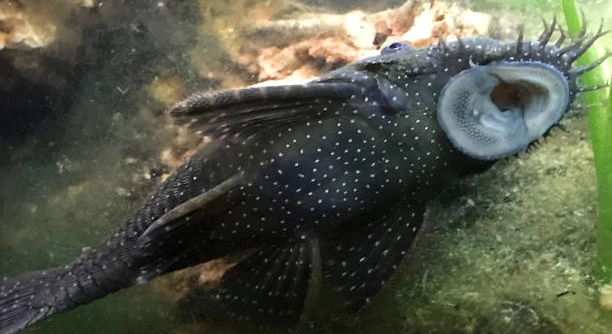
Have you ever noticed that one fish in your tank seems to take over everything, leaving little space for others to move freely? Plecos are known for their size and behavior, which can affect the entire aquarium environment. Plecos dominate tanks by claiming territories, consuming excessive food, and altering the habitat. Their size, aggressive tendencies, … Read more
Do Bristlenose Plecos Sleep With Eyes Open?

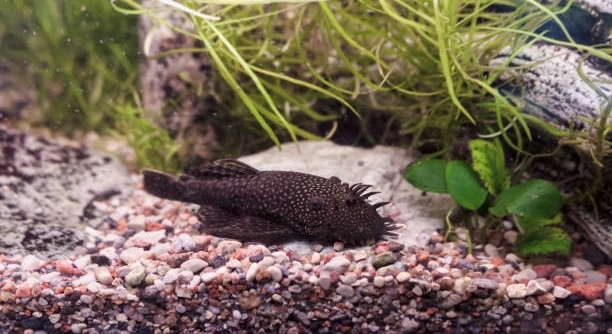
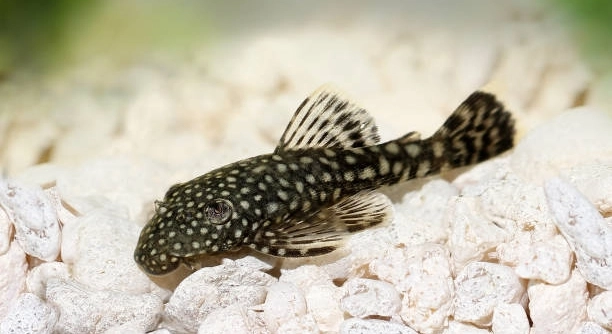
Do Bristlenose plecos are gentle freshwater fish that often capture the attention of aquarium enthusiasts. Observing them during the day reveals fascinating behaviors, and their nightly habits can be equally intriguing and surprising for fish keepers. Bristlenose plecos do sleep with their eyes open. Like many fish species, they lack eyelids and rely on other … Read more

Can Bristlenose Plecos Show Curiosity?

Have you ever noticed your Bristlenose Pleco moving around its tank in ways that seem more than just searching for food? Observing these fish can sometimes feel like they are quietly exploring their surroundings. Bristlenose Plecos do exhibit signs of curiosity through investigating new objects and changes in their environment. They respond to stimuli and … Read more

7 Signs Your Pleco Is Feeling Social

Are your plecos showing unusual activity in the tank, swimming around more than usual, or interacting with other fish? Observing these subtle behaviors can help you understand how social your pleco may be feeling today. Plecos demonstrate social behavior through increased interaction with tank mates, exploration of shared spaces, and reduced hiding tendencies. Recognizing these … Read more

7 Ways to Tell If Plecos Are Ready to Mate

Are your plecos showing new behaviors that catch your attention? Observing subtle changes in their routine can hint at more than just normal activity. Recognizing these signs helps you care for them responsibly and support their natural cycles. Plecos exhibit mating readiness through behaviors such as increased territoriality, enhanced coloration, frequent cleaning of potential spawning … Read more

Why Your Pleco Isn’t Interested in Zucchini

Do you ever find yourself placing fresh zucchini in your pleco’s tank only to watch it float untouched? Many pleco owners experience this situation, which can be confusing when you aim to provide a healthy, varied diet for your fish. The primary reason your pleco ignores zucchini is that many species prefer algae or biofilm … Read more

Can Bristlenose Plecos Be Kept With Loaches?

Do you ever find yourself arranging your aquarium and thinking about the best companions for your Bristlenose Pleco? Choosing tankmates can affect their health and overall behavior in surprising ways. Proper pairing ensures a peaceful, thriving environment. Bristlenose Plecos can generally be kept with loaches if the tank provides sufficient space, hiding spots, and compatible … Read more

7 Ways to Tell Plecos Apart by Behavior

Plecos are fascinating fish that bring life to home aquariums. Their unique behaviors often reveal subtle differences between species, making it easier for enthusiasts to identify them accurately. Observing these traits can deepen your appreciation for each fish. Plecos can be distinguished by specific behaviors such as feeding patterns, swimming habits, resting locations, and interactions … Read more

Can Bristlenose Plecos Sense Emotions?

Bristlenose plecos are small freshwater fish that many aquarists keep for their cleaning habits. They are gentle creatures that often interact with their surroundings and respond to changes in their environment in subtle ways. Research suggests that bristlenose plecos do show behavioral changes in response to their owners’ emotions. They may react to stress or … Read more

7 Differences Between Adult and Juvenile Plecos

Many aquarists enjoy keeping plecos in their tanks, but observing how they grow can be quite fascinating. Juvenile and adult plecos differ in appearance, behavior, and care needs, which can affect how you maintain your aquarium properly. Adult and juvenile plecos differ significantly in size, coloration, fin development, and behavior. Adults are larger with fully … Read more